Explore the Atlas
Browse the universe by category: worlds, stars, deep space, and the machines we sent to look.
Stars40
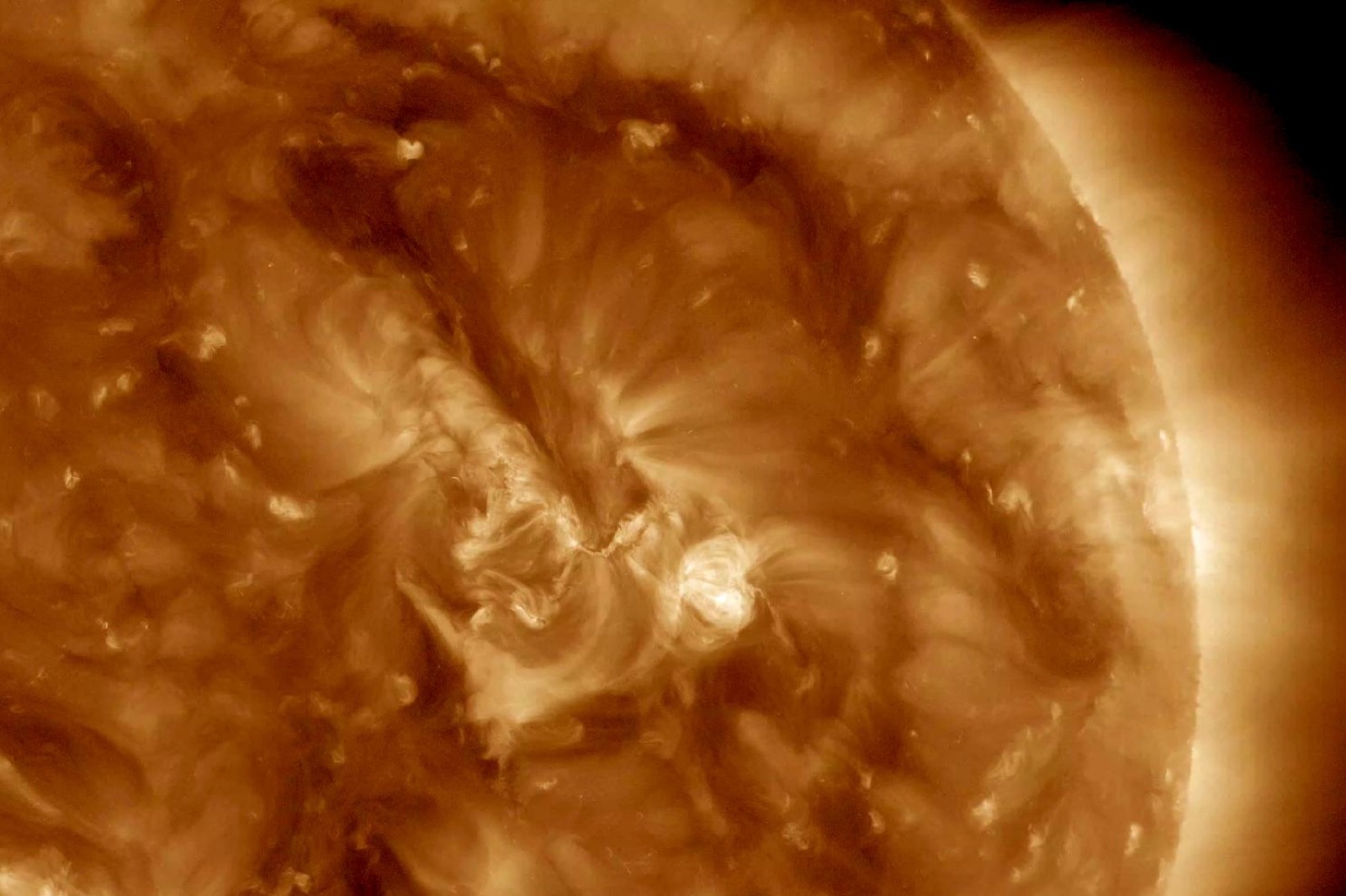 The SunThe star at the center of our Solar System, and the engine that powers almost everything…
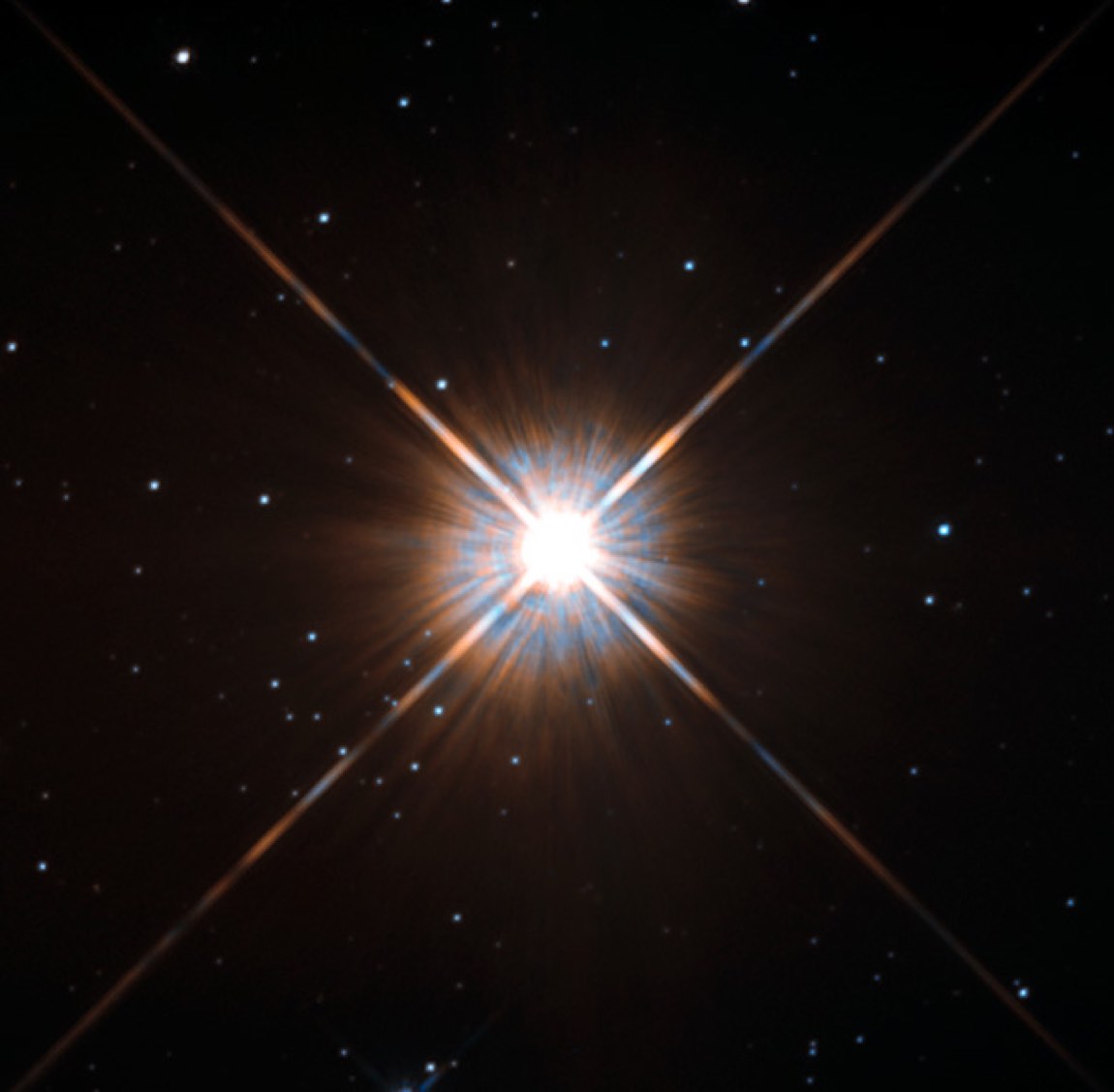 Proxima CentauriA tiny red dwarf with a planet in its habitable zone, and the nearest star to the Sun.
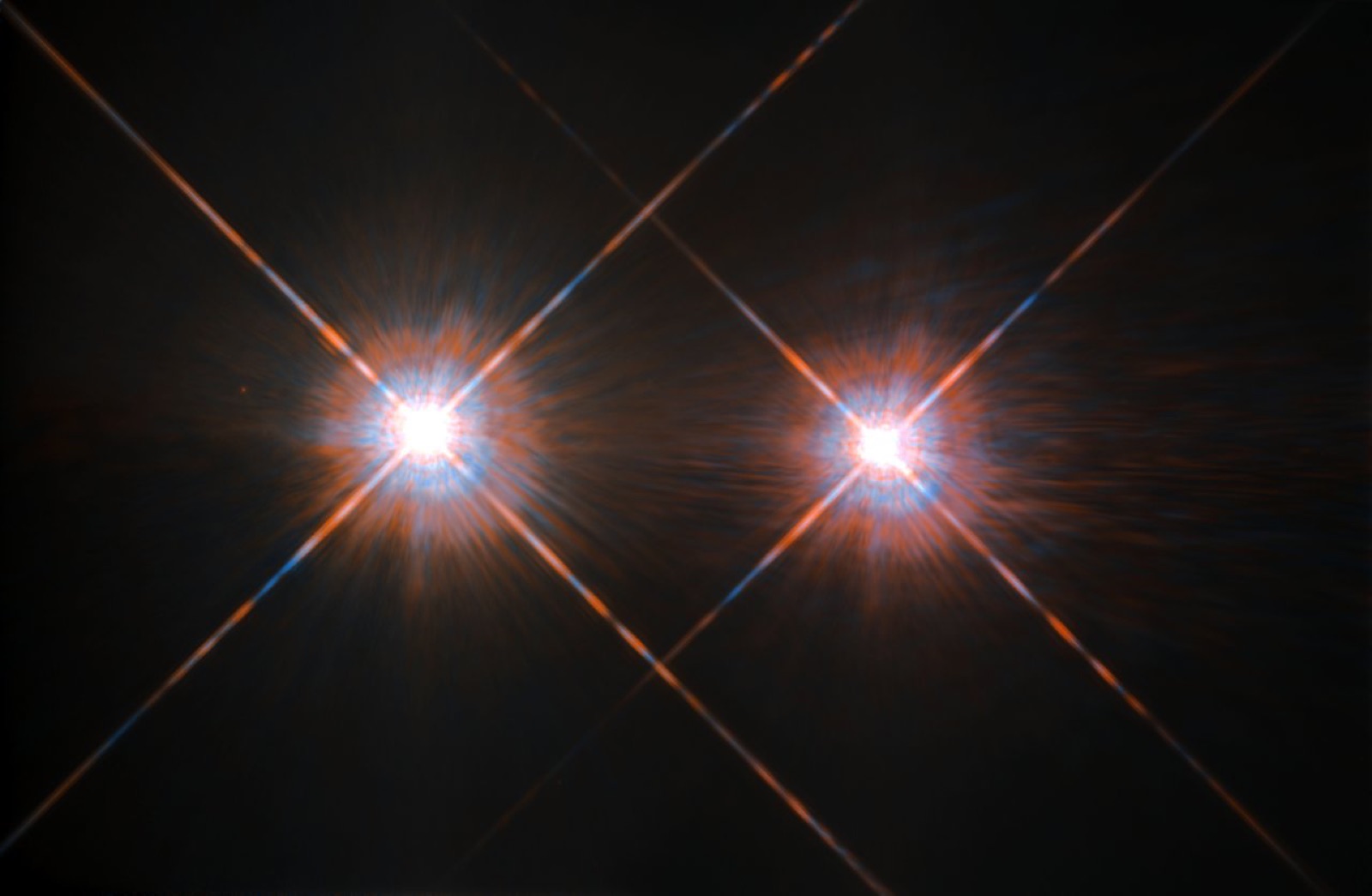 Alpha CentauriThe nearest star system you can see. Its two suns circle each other four light-years away.
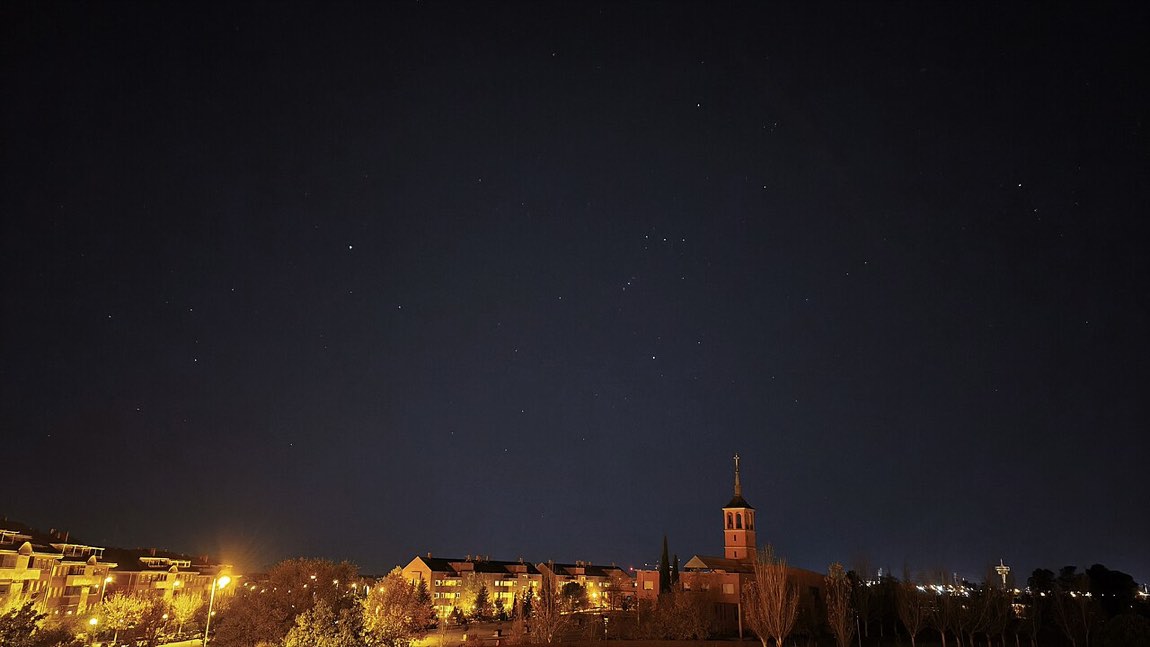 SiriusThe brightest star in Earth's night sky is a blazing white sun with a dead star for a…
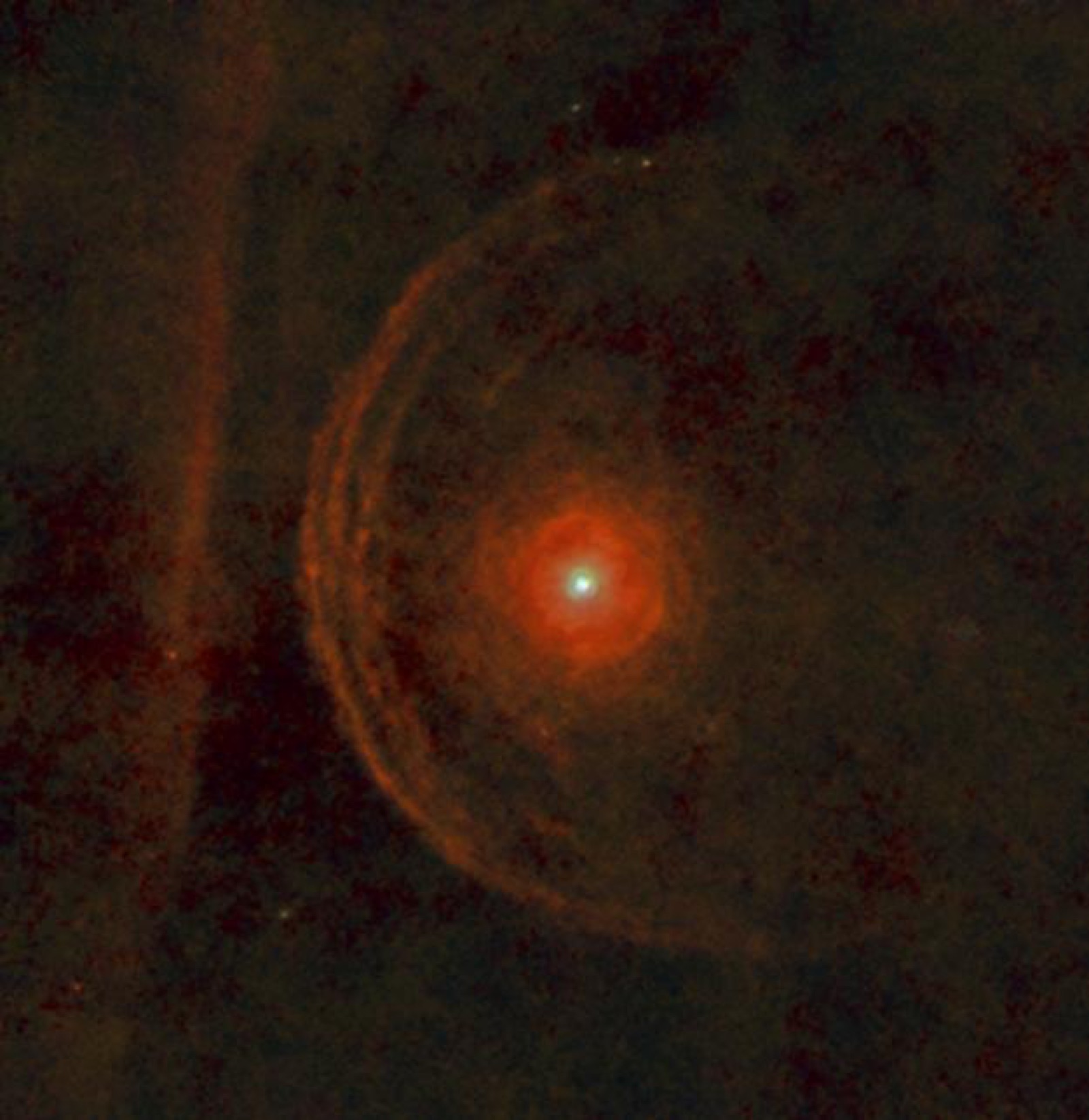 BetelgeuseOne day this dying supergiant, Orion's red shoulder, will explode as a supernova.
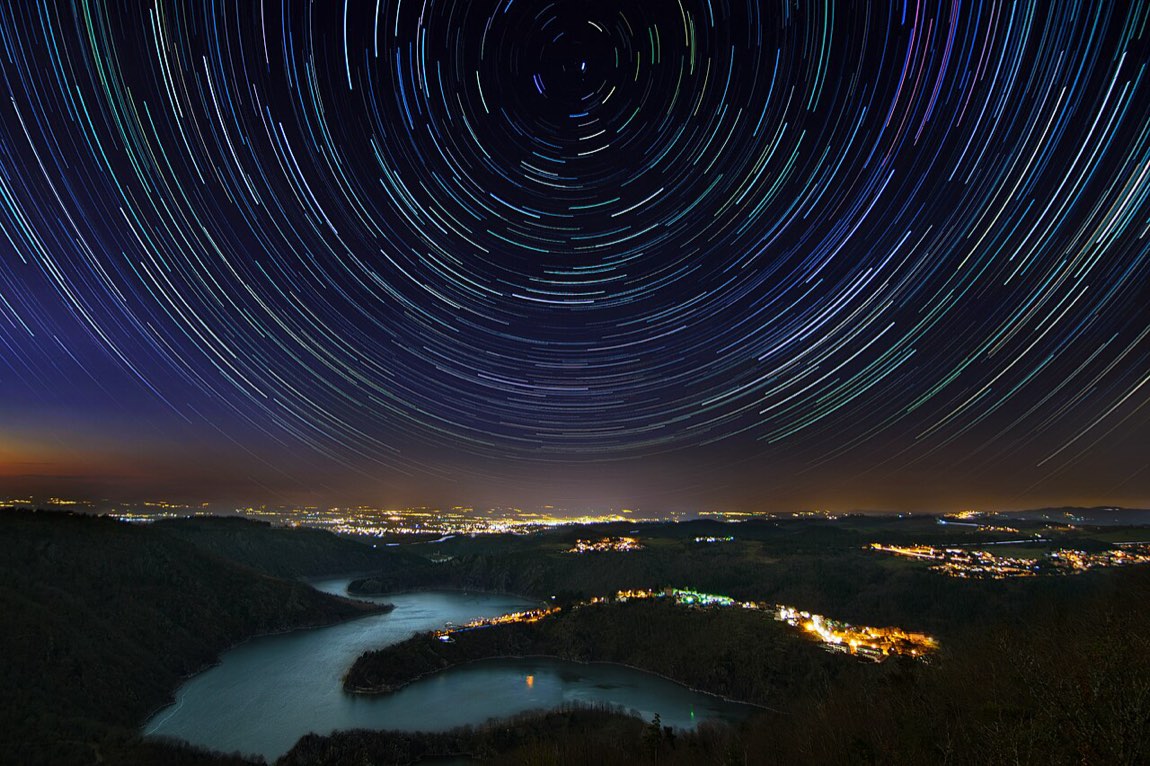 PolarisThe North Star is the sky's fixed point, and secretly a pulsing triple star.
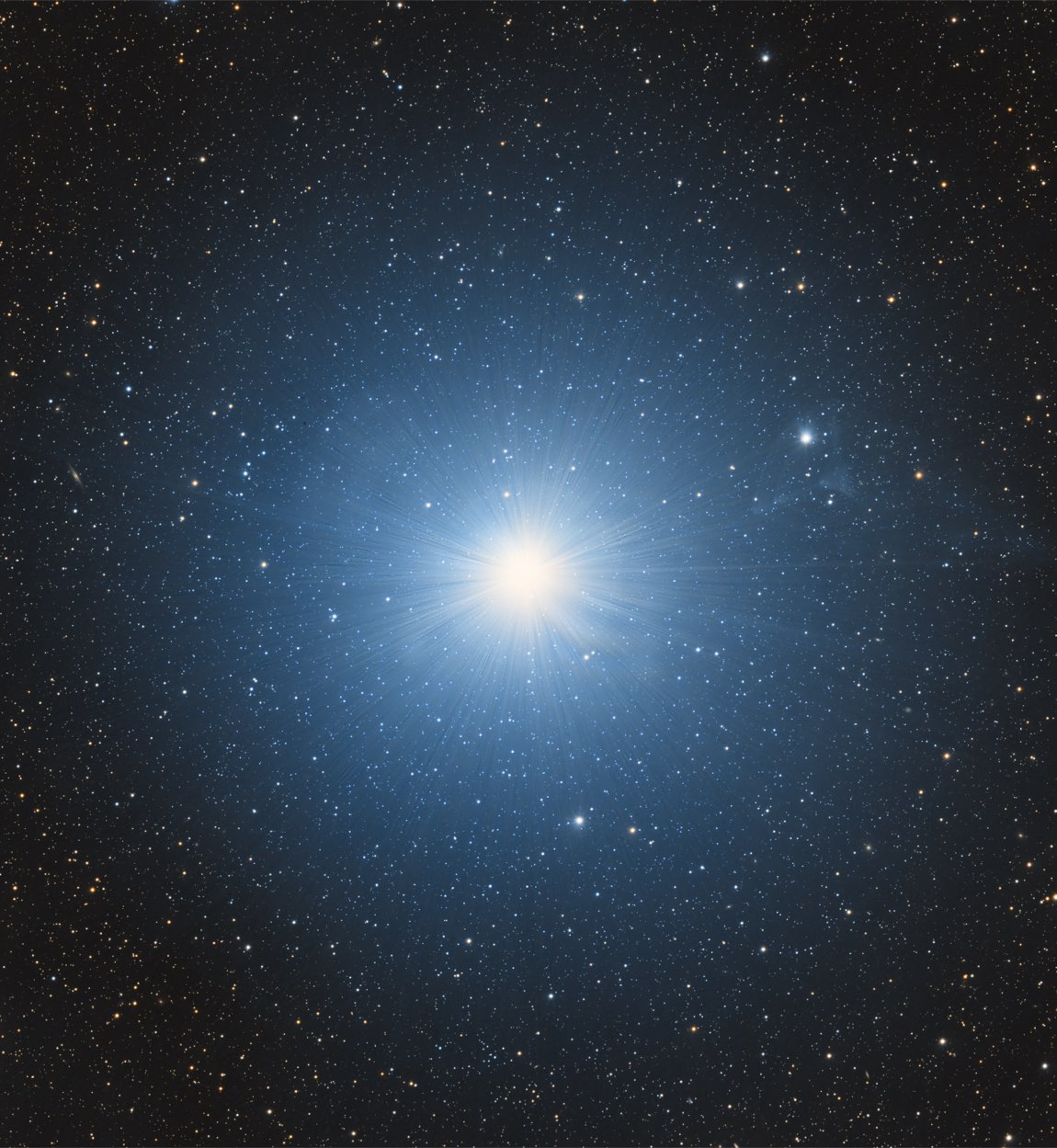 VegaA fast-spinning star ringed by planet-making dust, Vega is the sapphire beacon of summer…
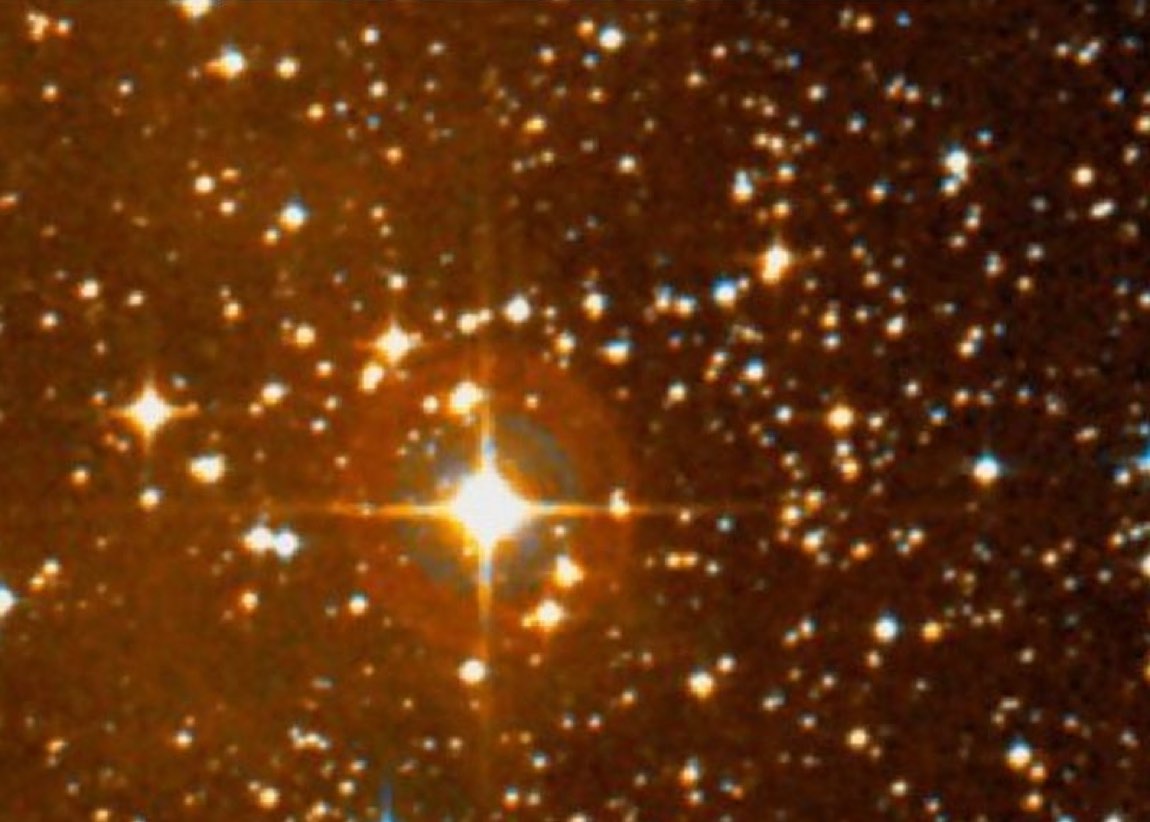 VY Canis MajorisOne of the largest stars known, this red hypergiant would swallow Saturn's orbit.
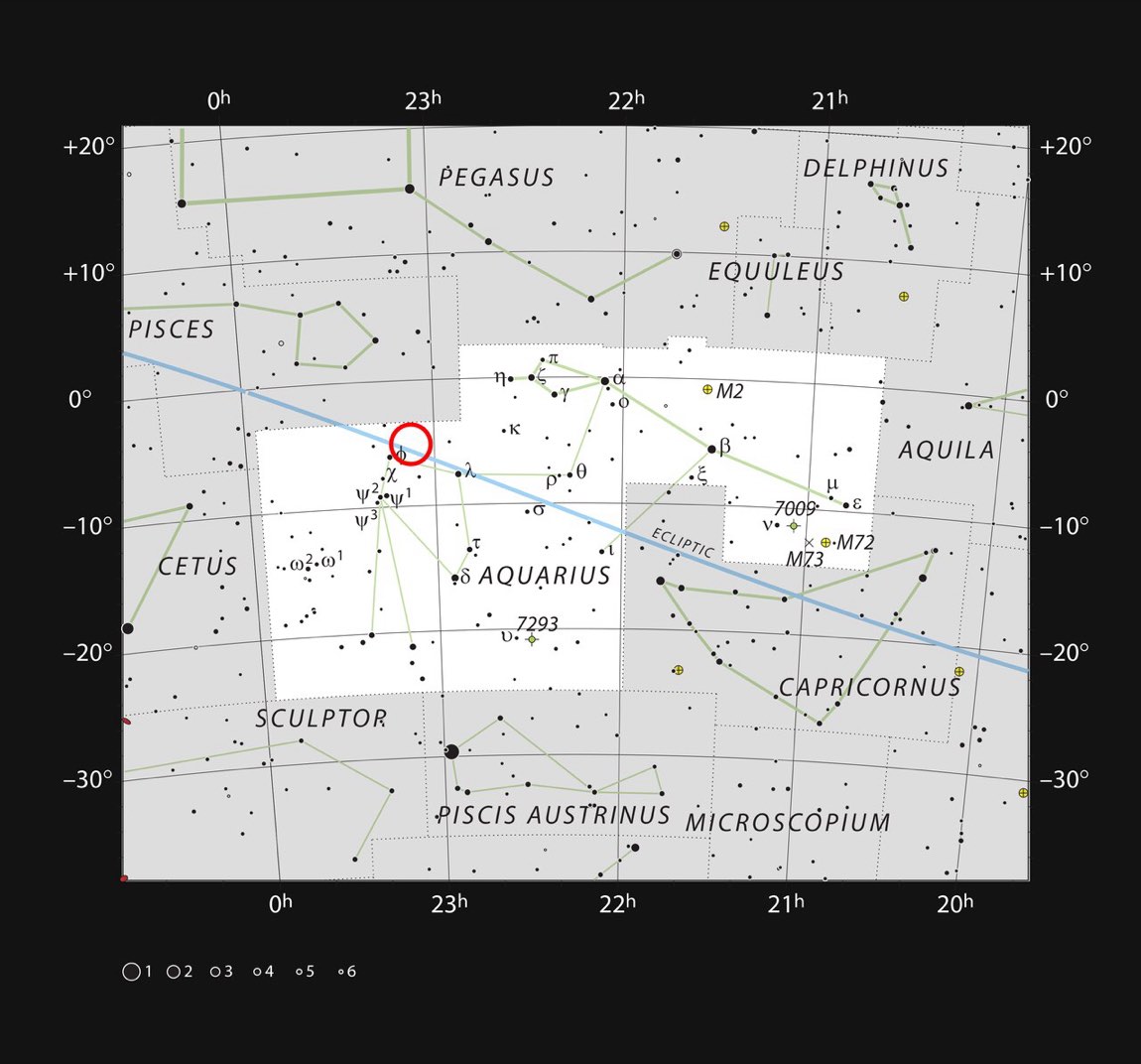 TRAPPIST-1Seven Earth-sized planets around one tiny star make this the most famous planetary system…
Barnard's StarAn ancient red dwarf almost next door, and the fastest-moving star in our sky.
TRAPPIST-1Seven Earth-sized planets around one tiny star make this the most famous planetary system…
Barnard's StarAn ancient red dwarf almost next door, and the fastest-moving star in our sky.
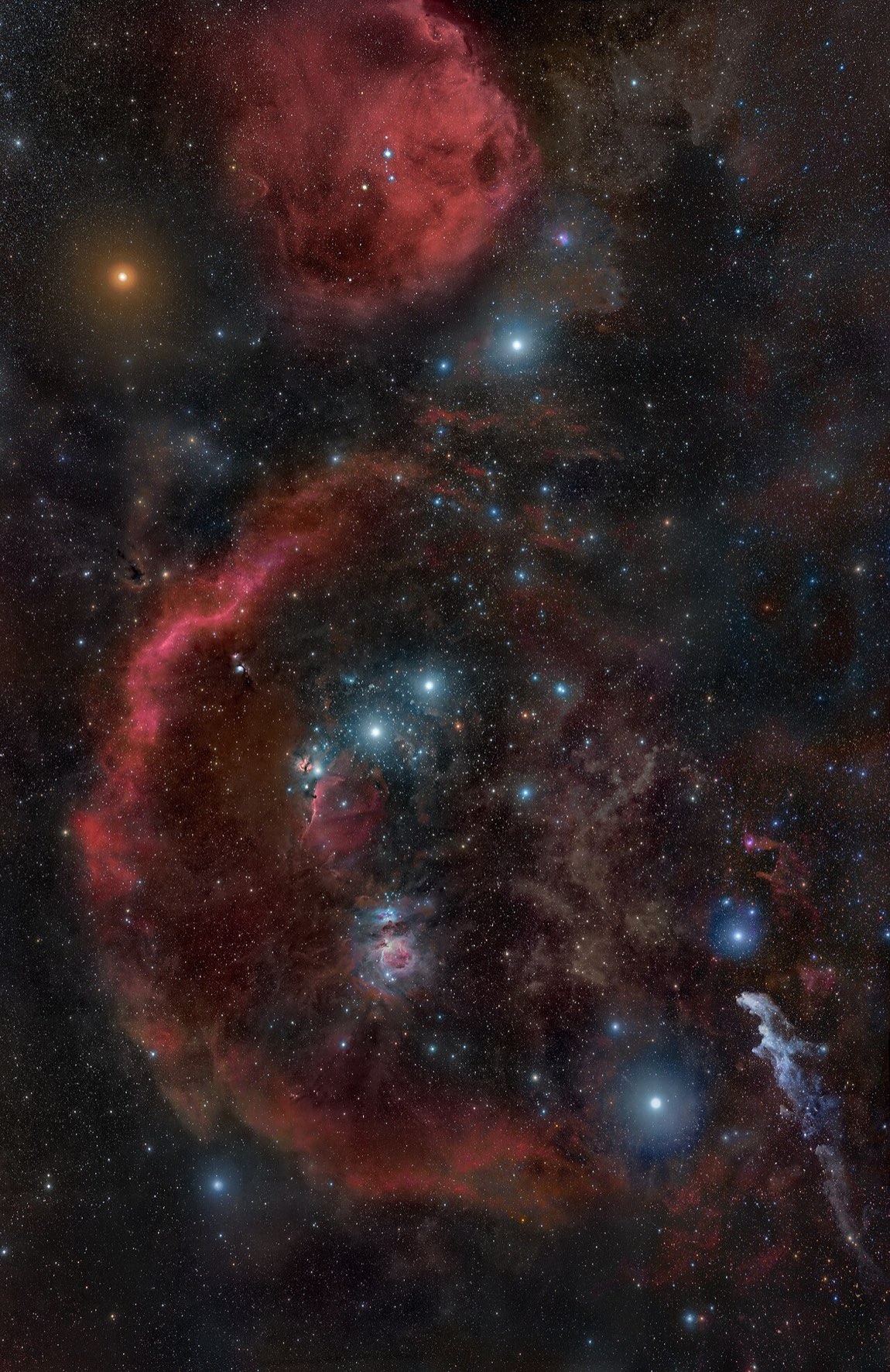 RigelA supergiant outshining 100,000 Suns marks Orion's blue-white foot.
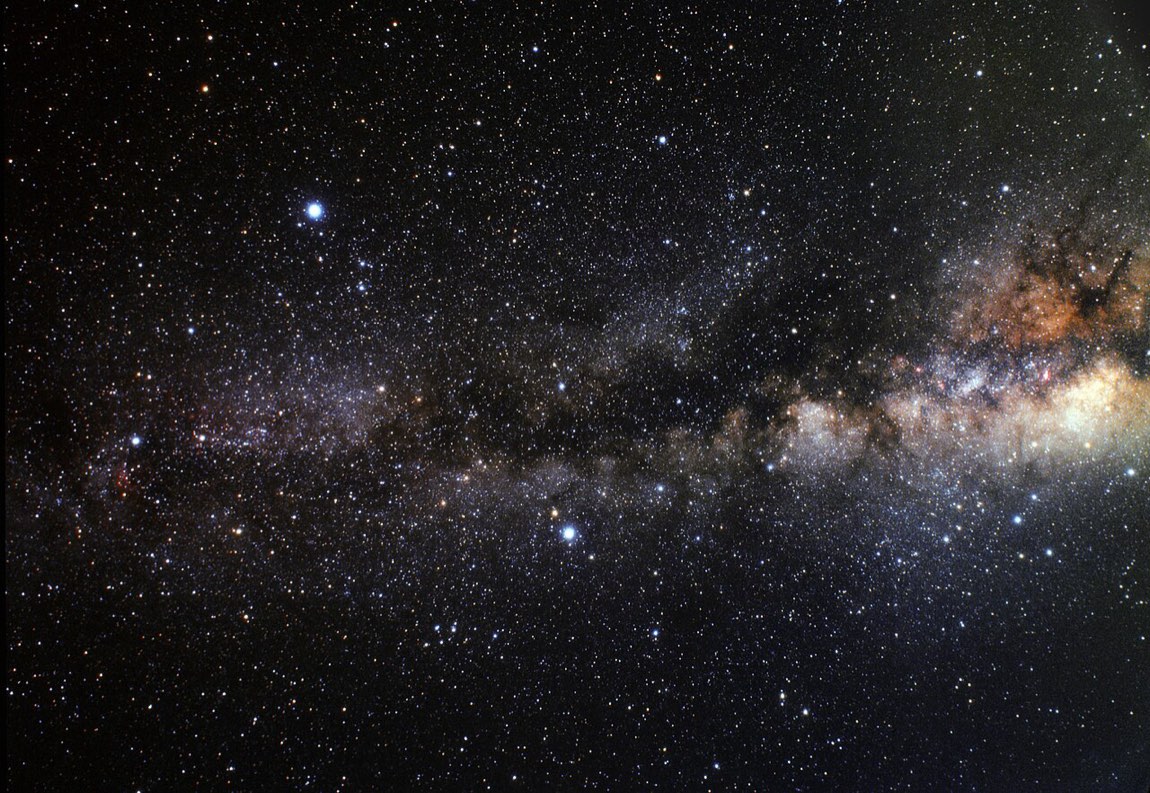 DenebThe Summer Triangle's distant beacon may be the most luminous star you can easily see.
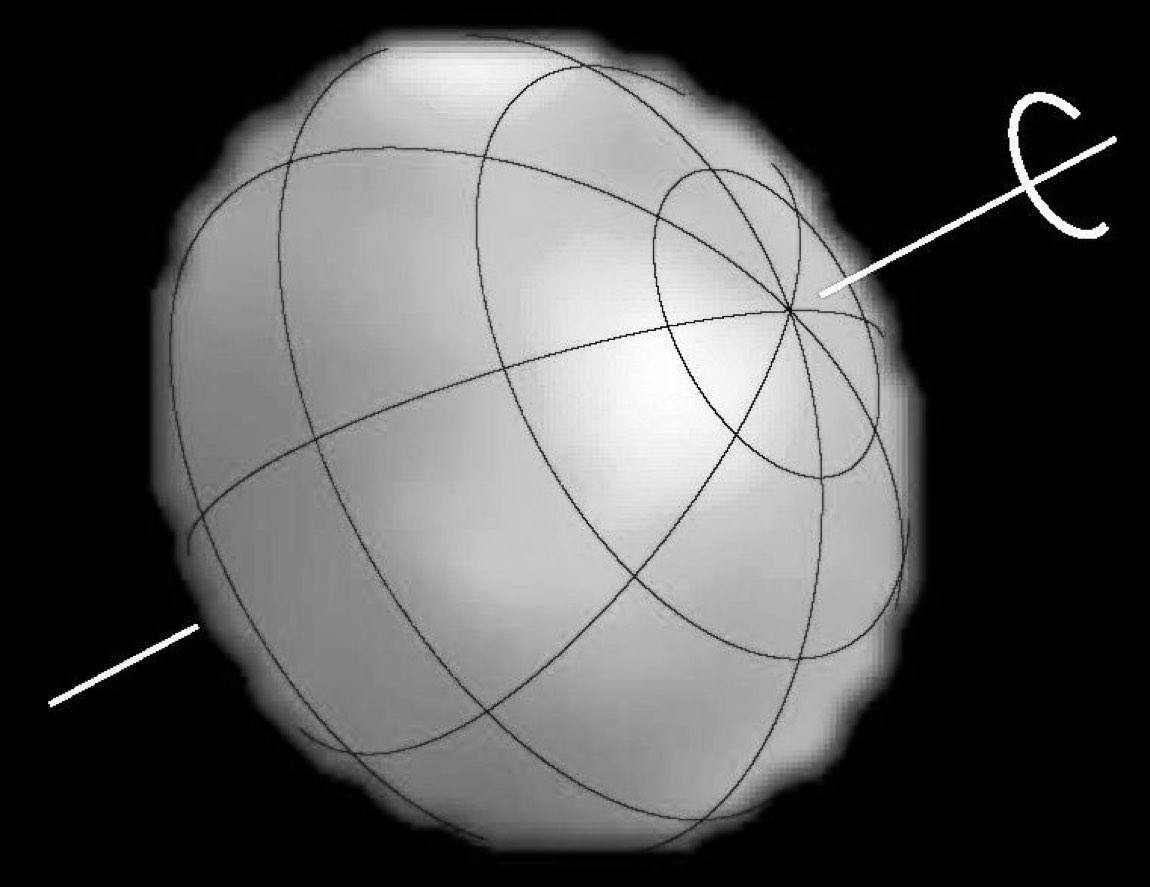 AltairA nearby star spinning so fast it flattens itself, Altair is the Eagle's eye.
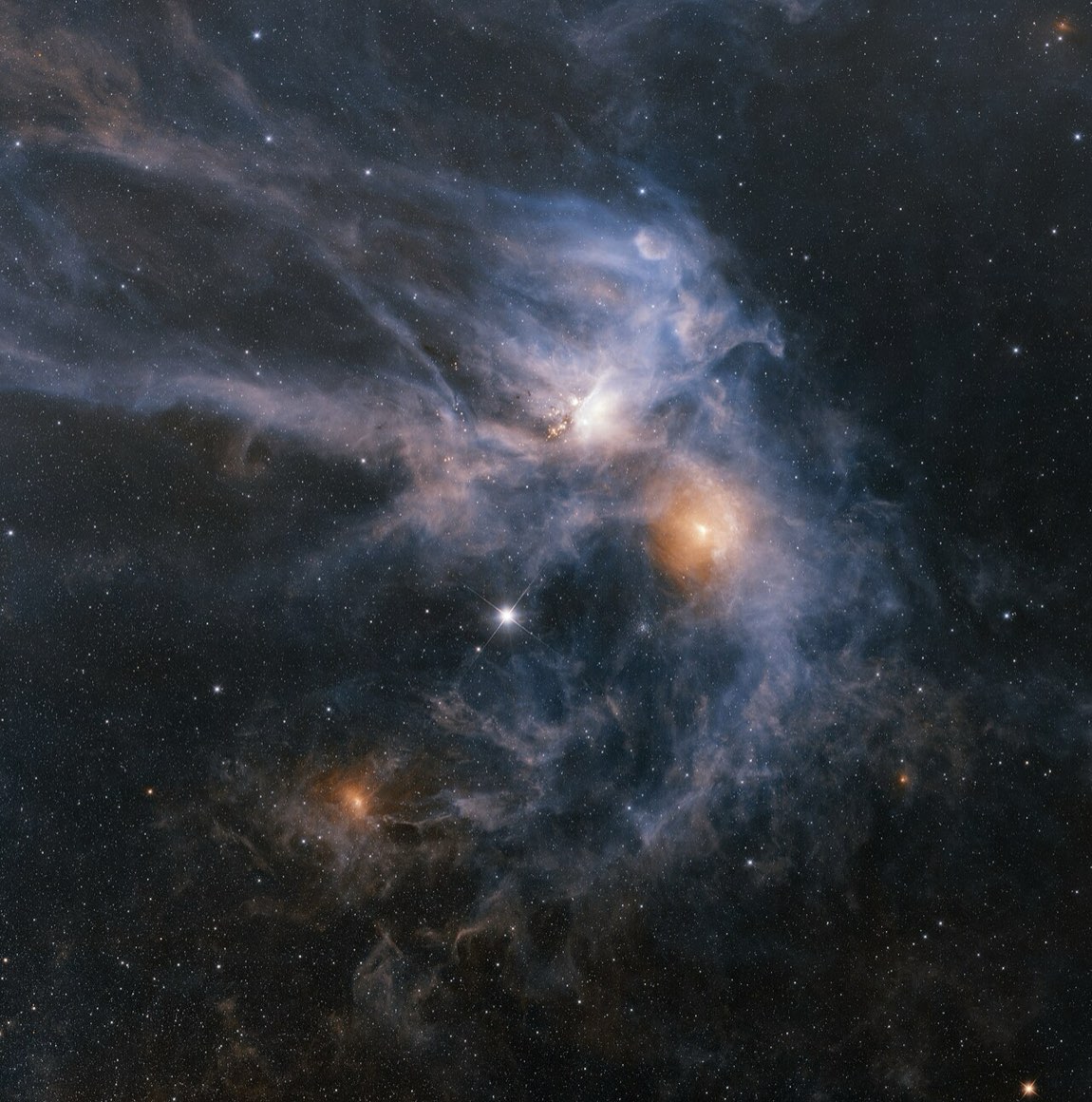 AntaresThe Scorpion's burning heart is a red supergiant named 'rival of Mars'.
ArcturusAn old visitor racing through our neighborhood, and the northern sky's brightest star.
AntaresThe Scorpion's burning heart is a red supergiant named 'rival of Mars'.
ArcturusAn old visitor racing through our neighborhood, and the northern sky's brightest star.
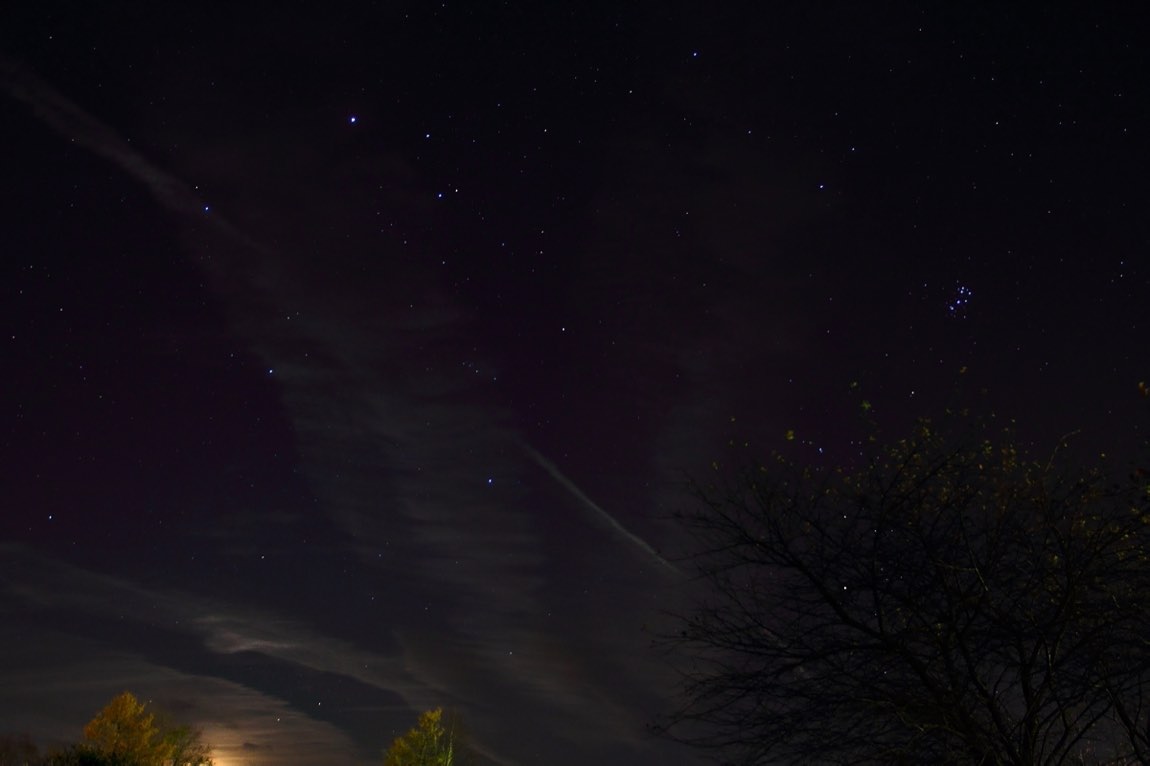 CapellaThe Charioteer's goat star: six stars masquerading as one golden point.
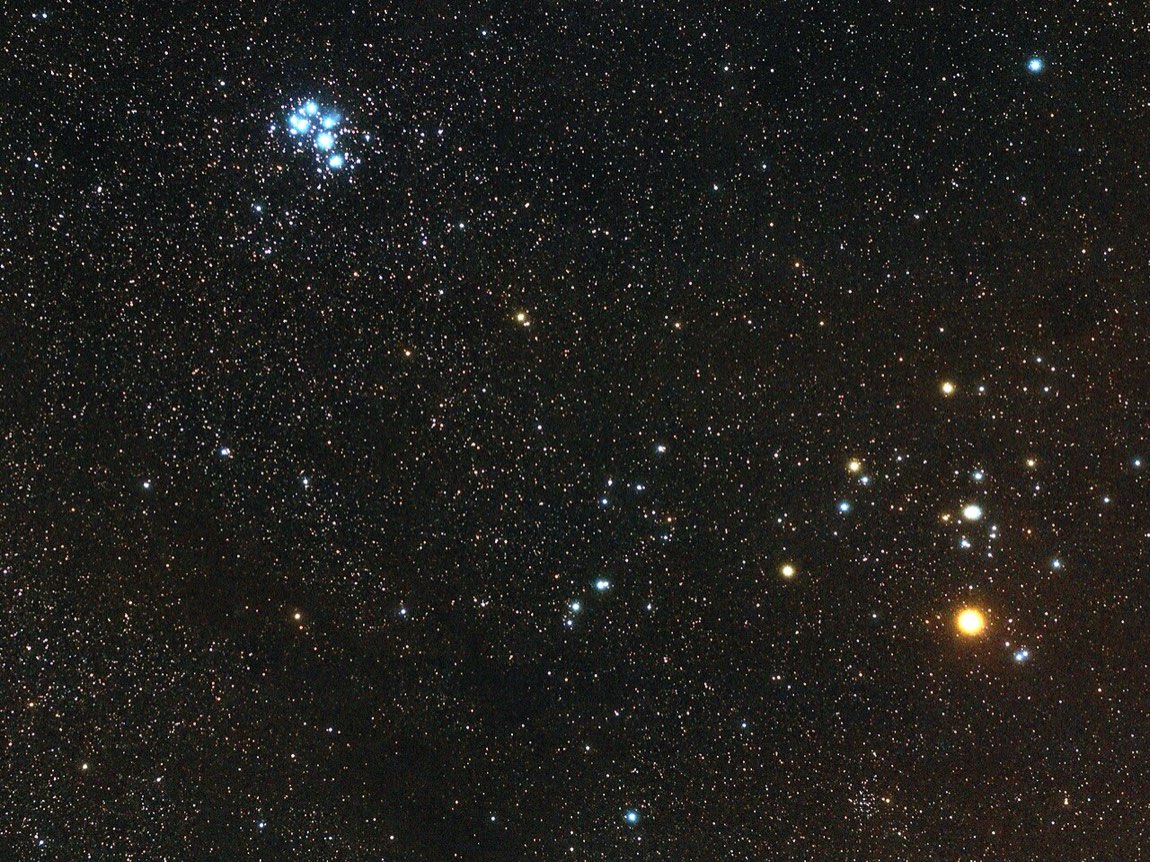 AldebaranThe Bull's glaring orange eye. This giant star is photobombing a famous cluster.
SpicaTwo blazing blue stars locked in a 4-day embrace form Virgo's ear of wheat.
AldebaranThe Bull's glaring orange eye. This giant star is photobombing a famous cluster.
SpicaTwo blazing blue stars locked in a 4-day embrace form Virgo's ear of wheat.
 RegulusThe Little King of Leo is a star spinning on the edge of flying apart.
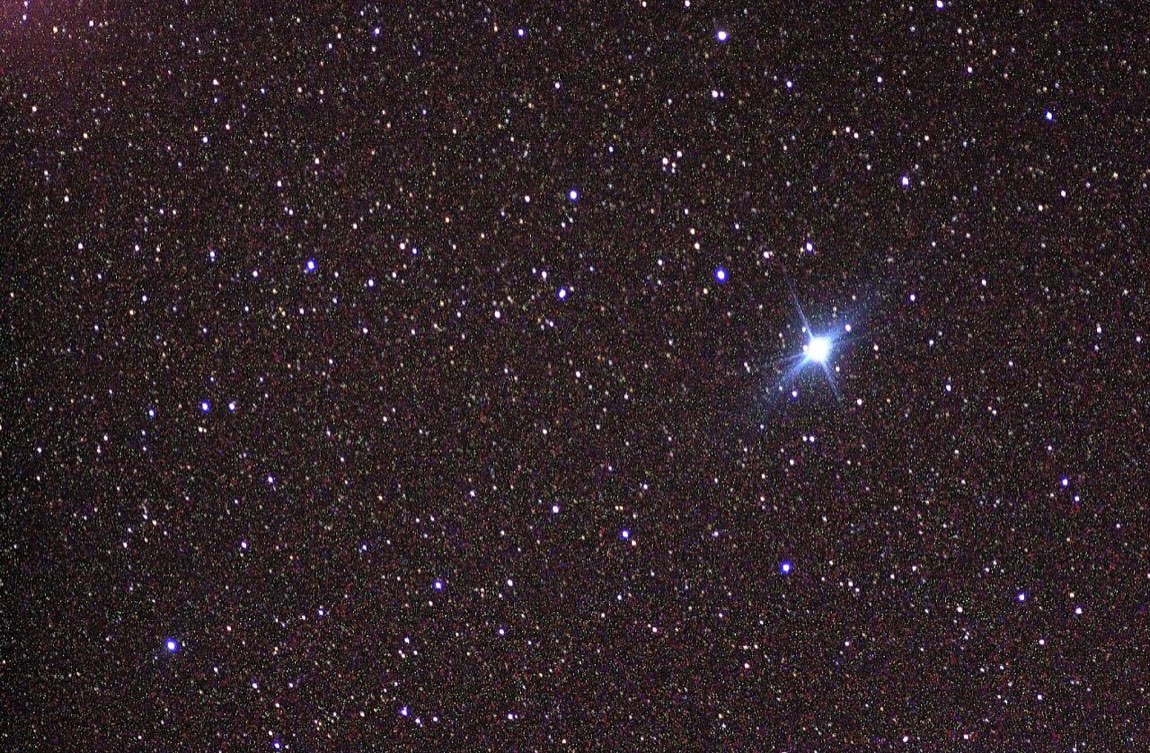 CanopusThe second-brightest star in the sky, and spacecraft navigators' favorite.
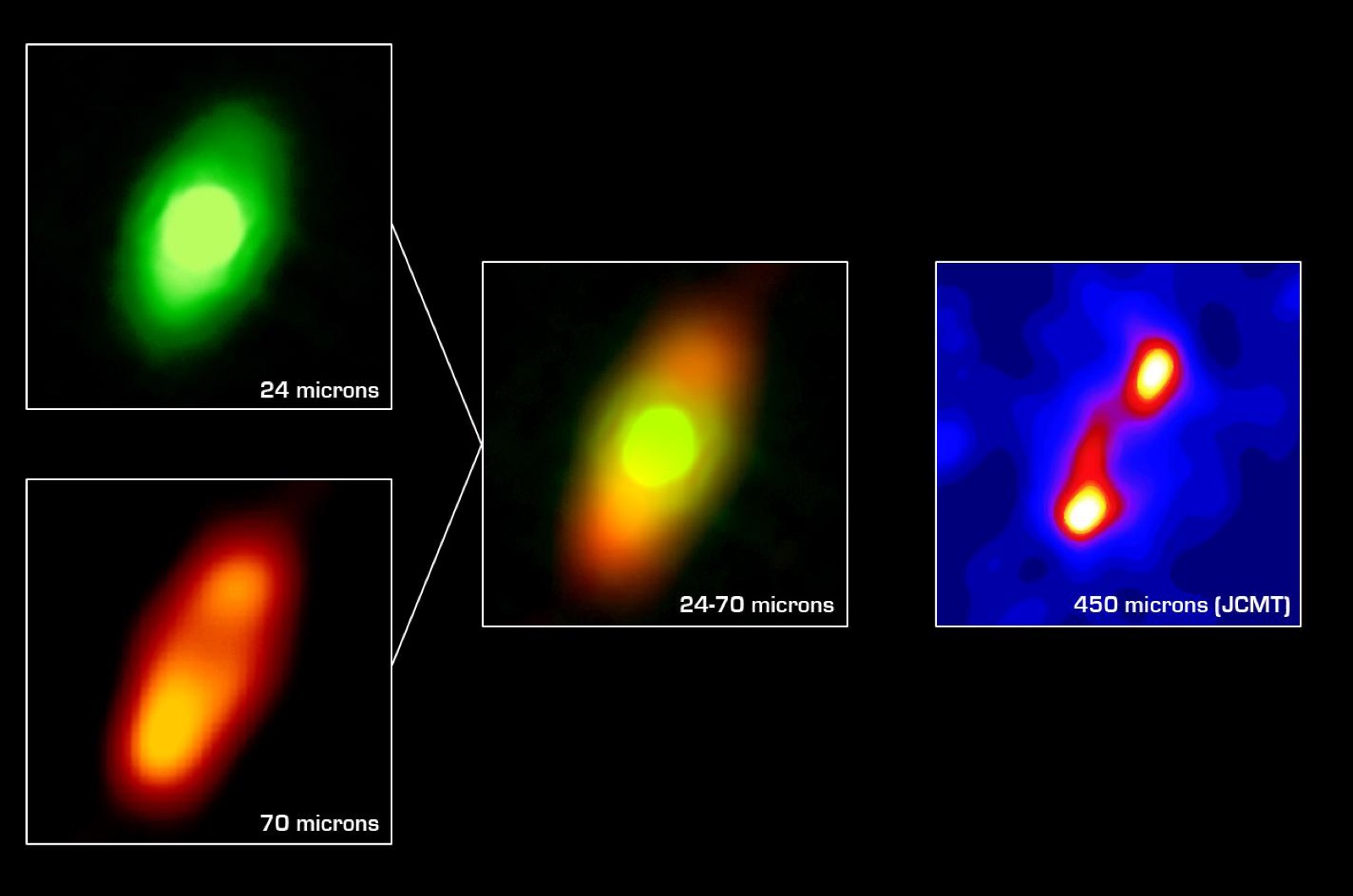 FomalhautRinged by dust, the lonely autumn star is home to a famous vanishing 'planet'.
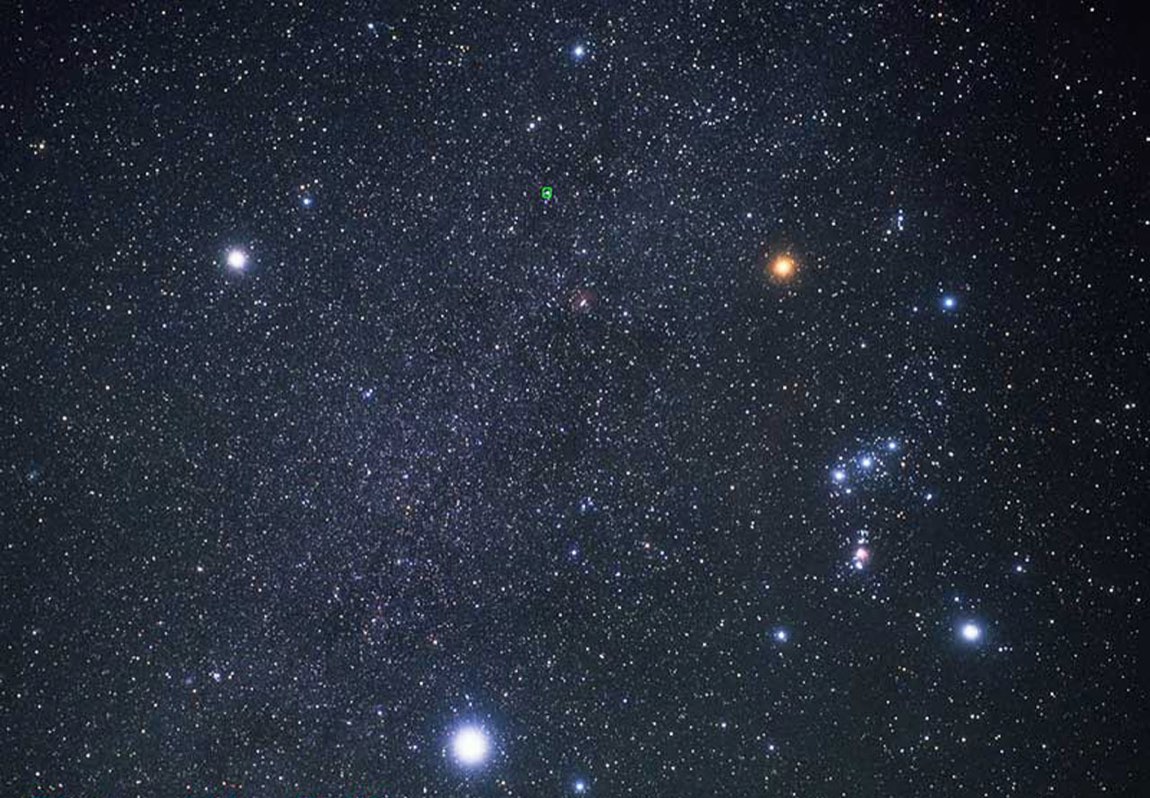 ProcyonThe Little Dog's bright star, and a near neighbor with a dead companion.
Tau CetiScience fiction's favorite address is the nearest lone Sun-like star.
ProcyonThe Little Dog's bright star, and a near neighbor with a dead companion.
Tau CetiScience fiction's favorite address is the nearest lone Sun-like star.
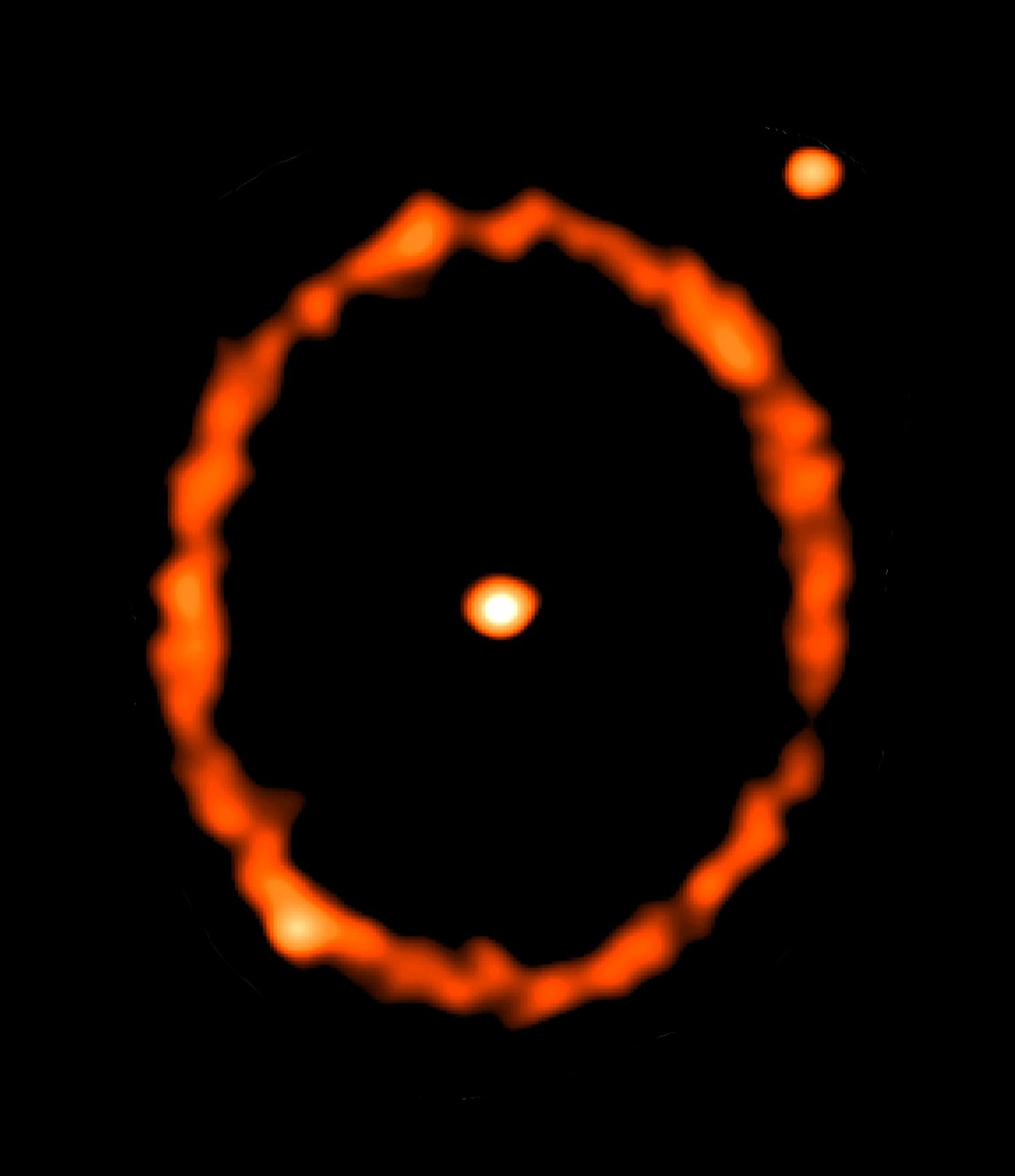 Epsilon EridaniA young Sun next door, with planets and asteroid belts still settling into place.
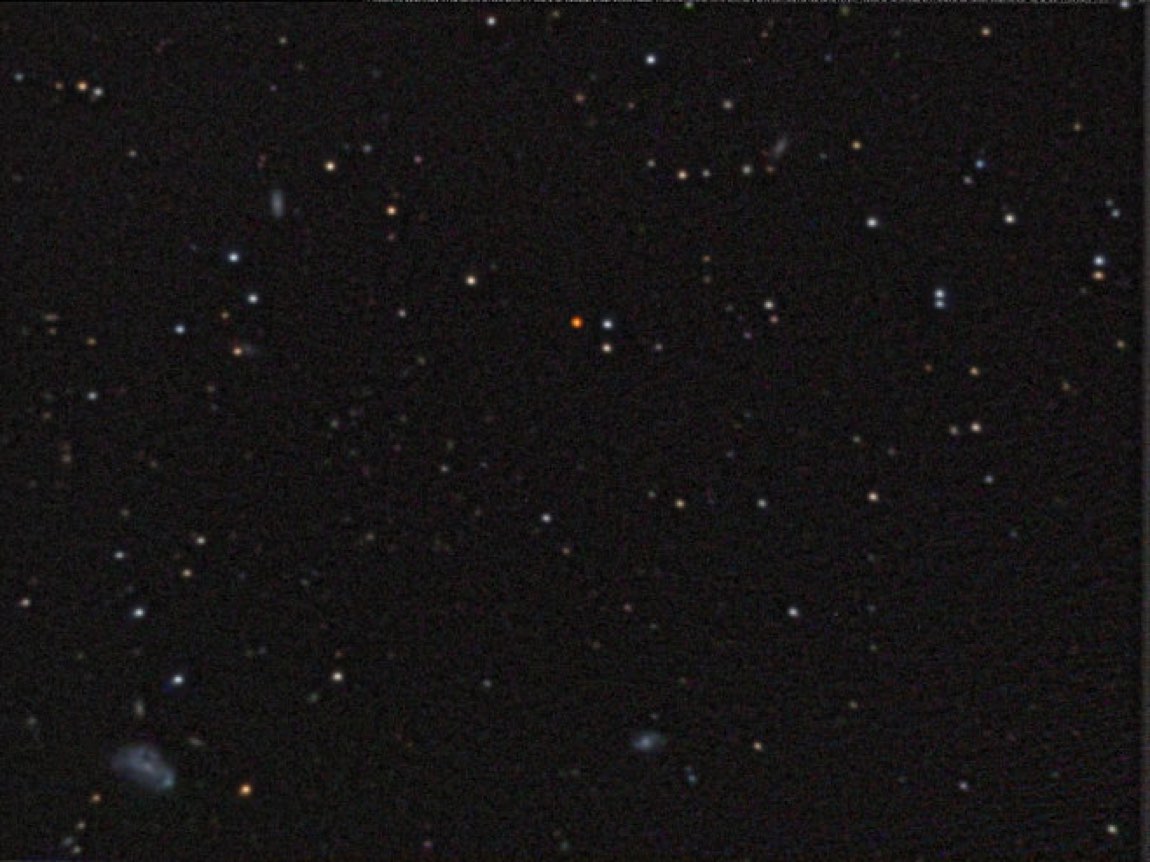 Wolf 359One of the faintest, smallest stars known, yet famous in two universes.
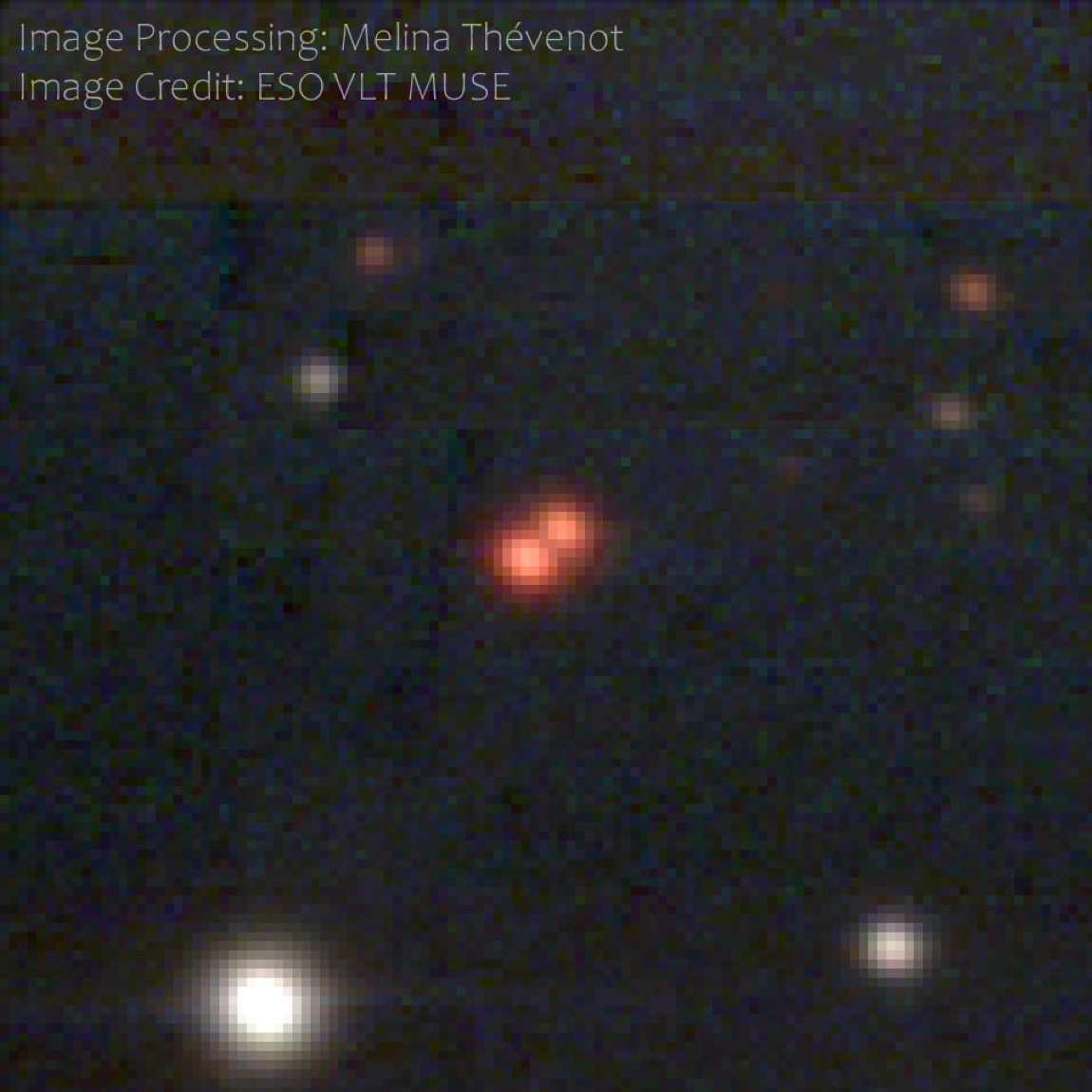 Luhman 16The brown dwarfs next door: failed stars with mapped weather.
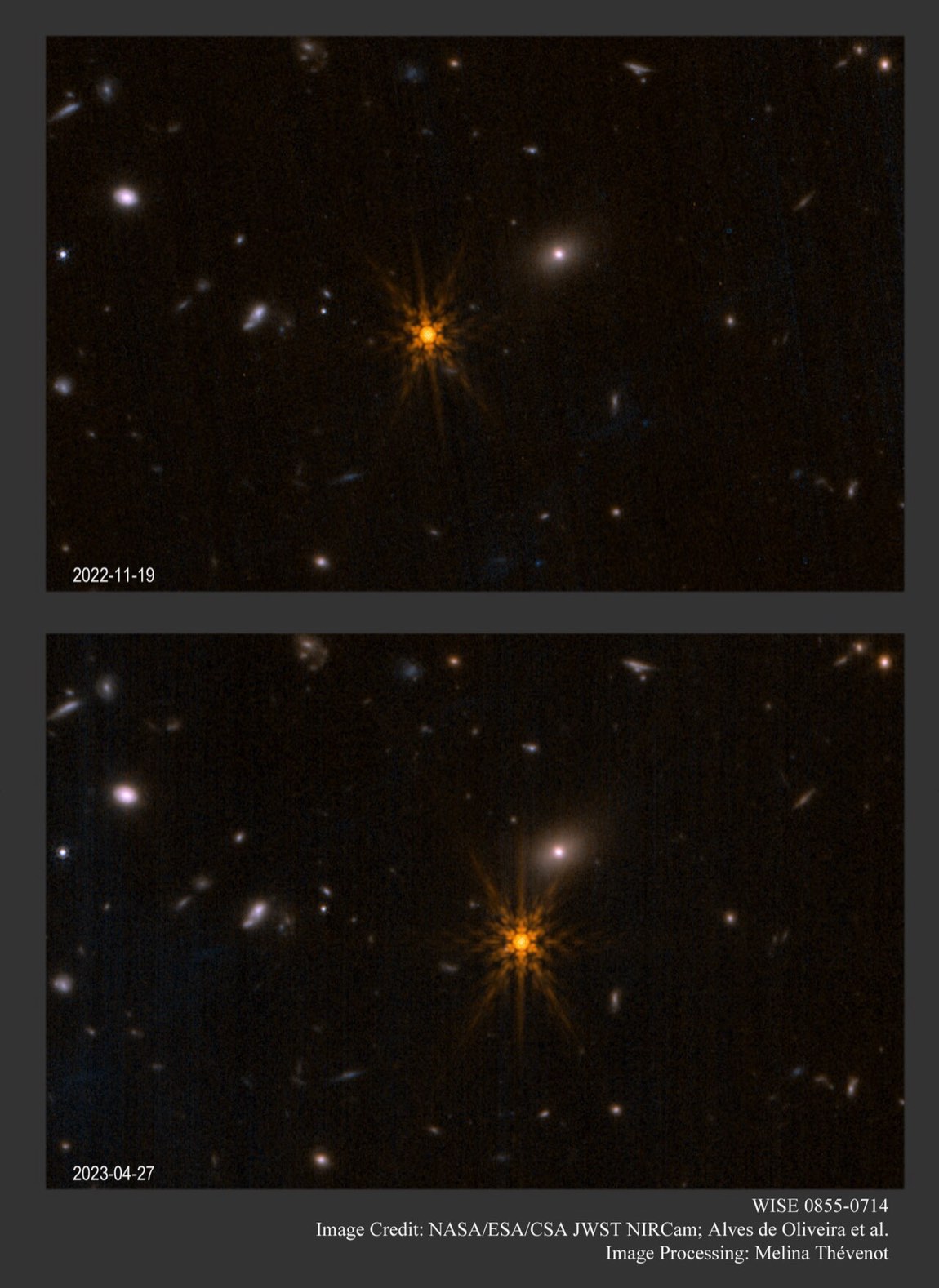 WISE 0855The coldest known world-like object outside a solar system is below freezing, and glowing.
Lalande 21185The brightest red dwarf of northern skies hosts a planetary system.
WISE 0855The coldest known world-like object outside a solar system is below freezing, and glowing.
Lalande 21185The brightest red dwarf of northern skies hosts a planetary system.
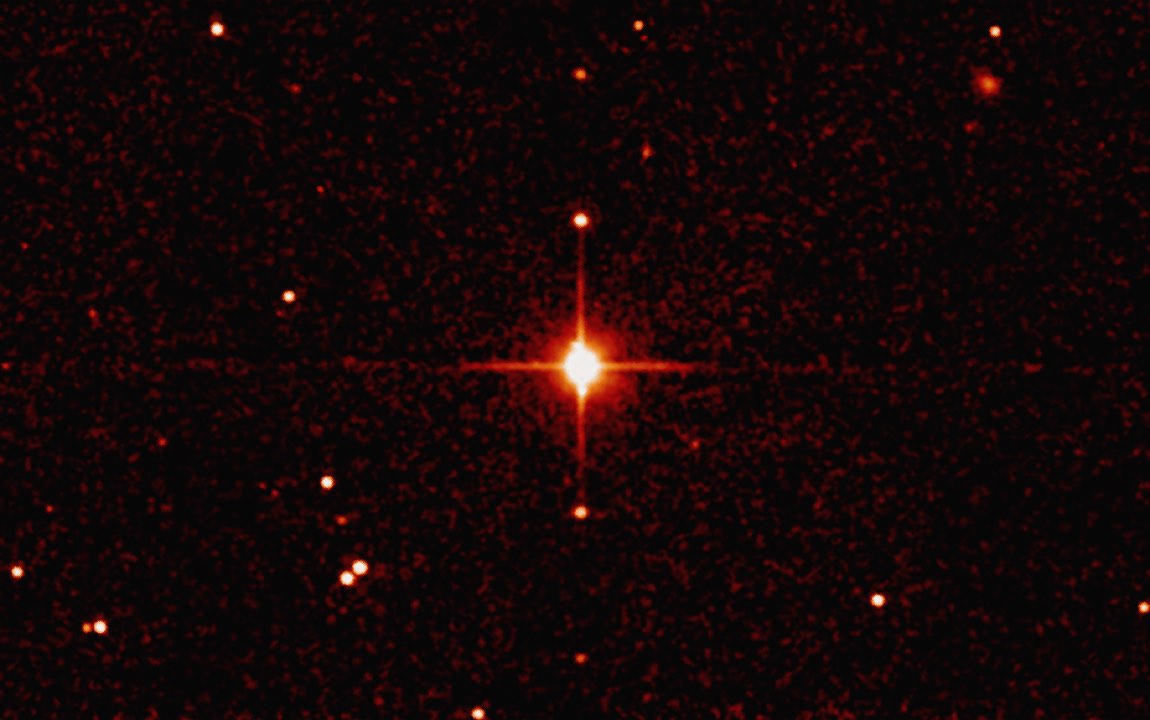 Luyten 726-8 (UV Ceti)These twin red dwarfs, the original flare stars, erupt without warning.
Ross 154A quiet checkpoint on the way to the galactic center. Also a flare star.
Ross 248The star Voyager 2 is (very slowly) heading toward.
Lacaille 9352A fast-moving southern neighbor with two confirmed super-Earths.
PolluxThe nearest giant star has a planet found by a future Nobel laureate.
AchernarThe flattest star known, spun into a cosmic lentil.
Luyten 726-8 (UV Ceti)These twin red dwarfs, the original flare stars, erupt without warning.
Ross 154A quiet checkpoint on the way to the galactic center. Also a flare star.
Ross 248The star Voyager 2 is (very slowly) heading toward.
Lacaille 9352A fast-moving southern neighbor with two confirmed super-Earths.
PolluxThe nearest giant star has a planet found by a future Nobel laureate.
AchernarThe flattest star known, spun into a cosmic lentil.
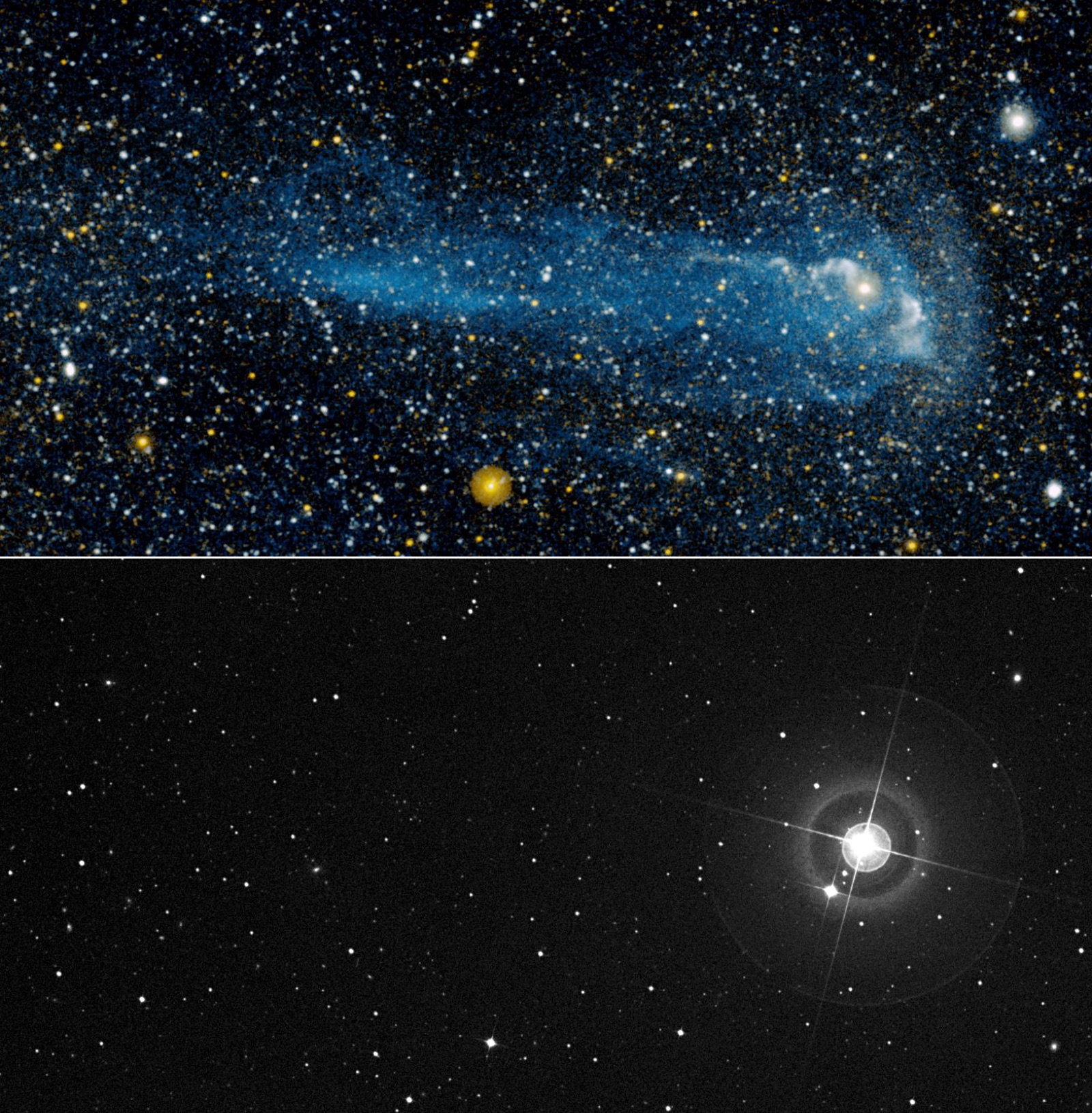 MiraThe first star humanity caught changing, 'The Wonderful' also trails a 13-light-year tail.
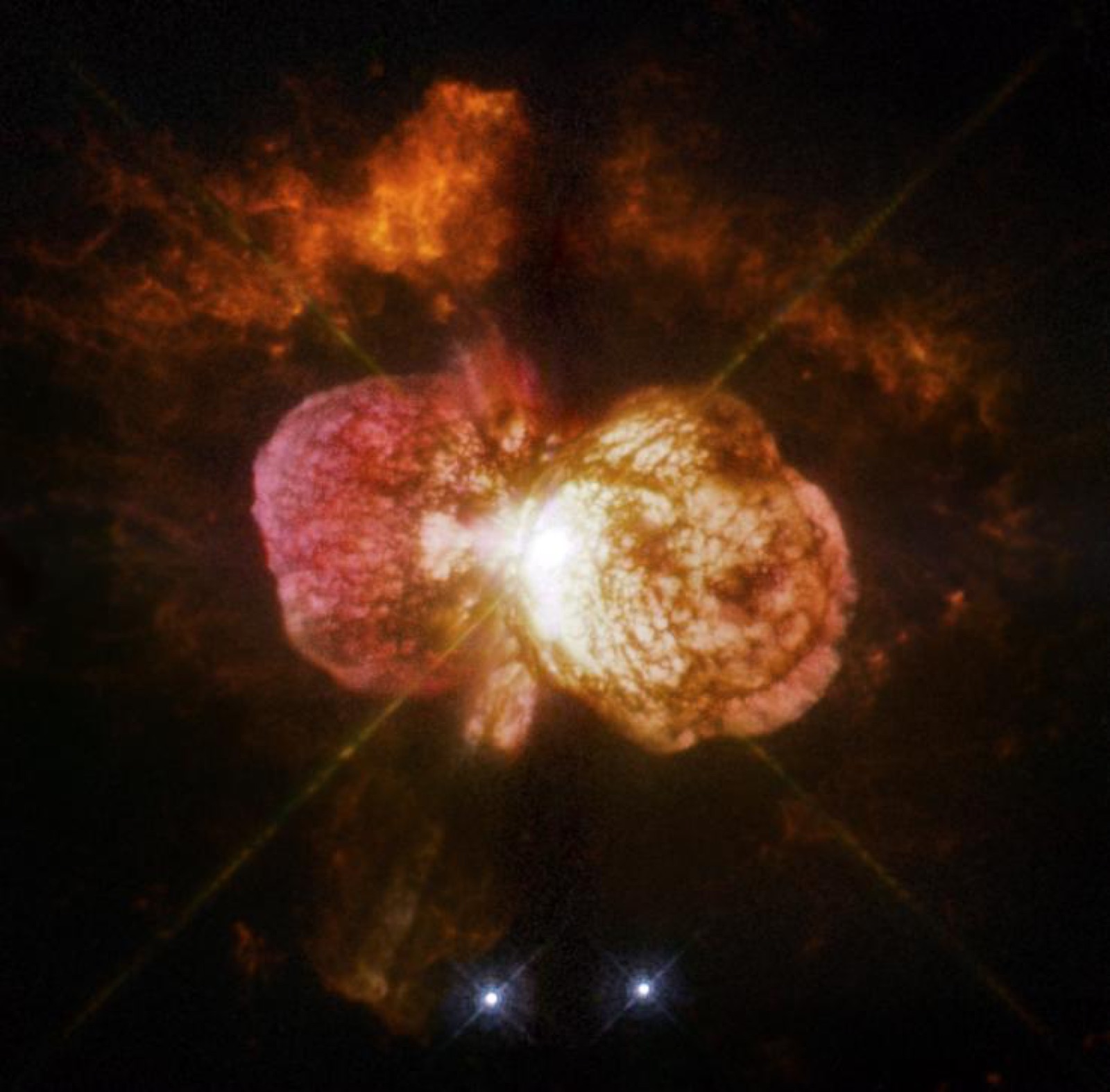 Eta CarinaeThe star that almost died in 1843 will not survive its next tantrum.
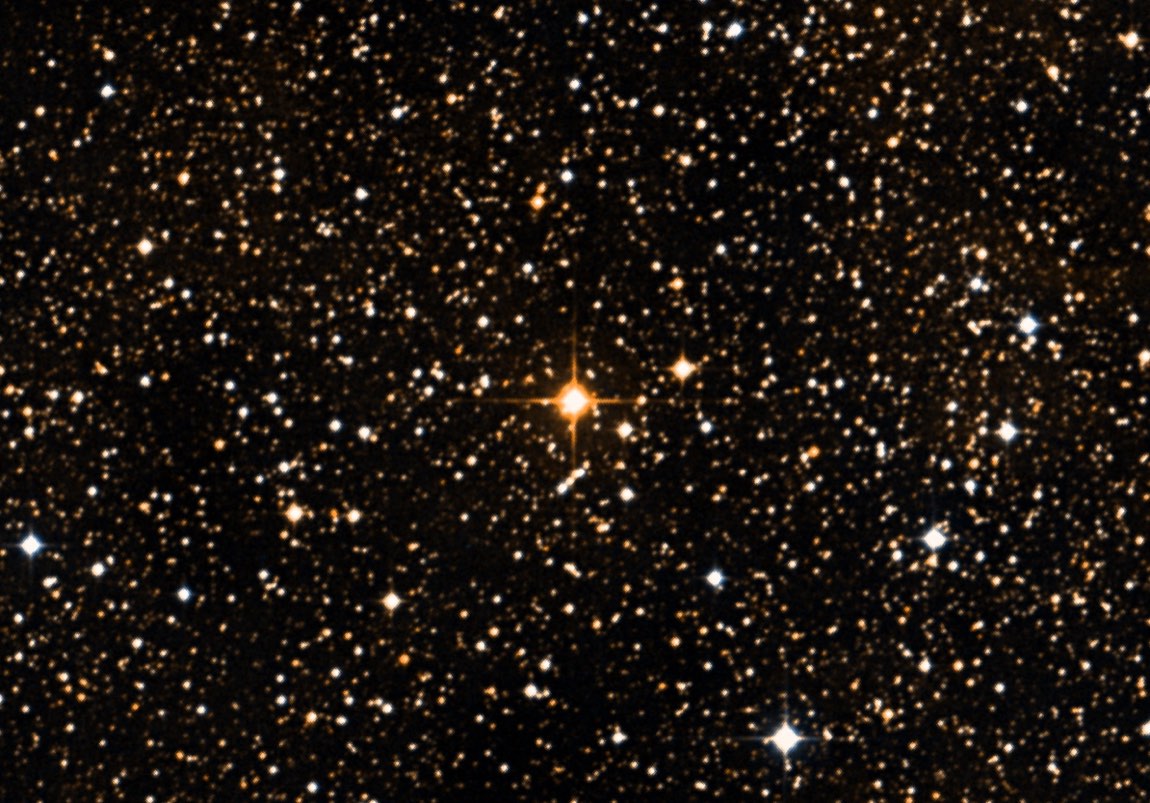 UY ScutiThe internet's favorite 'biggest star', with honest error bars attached.
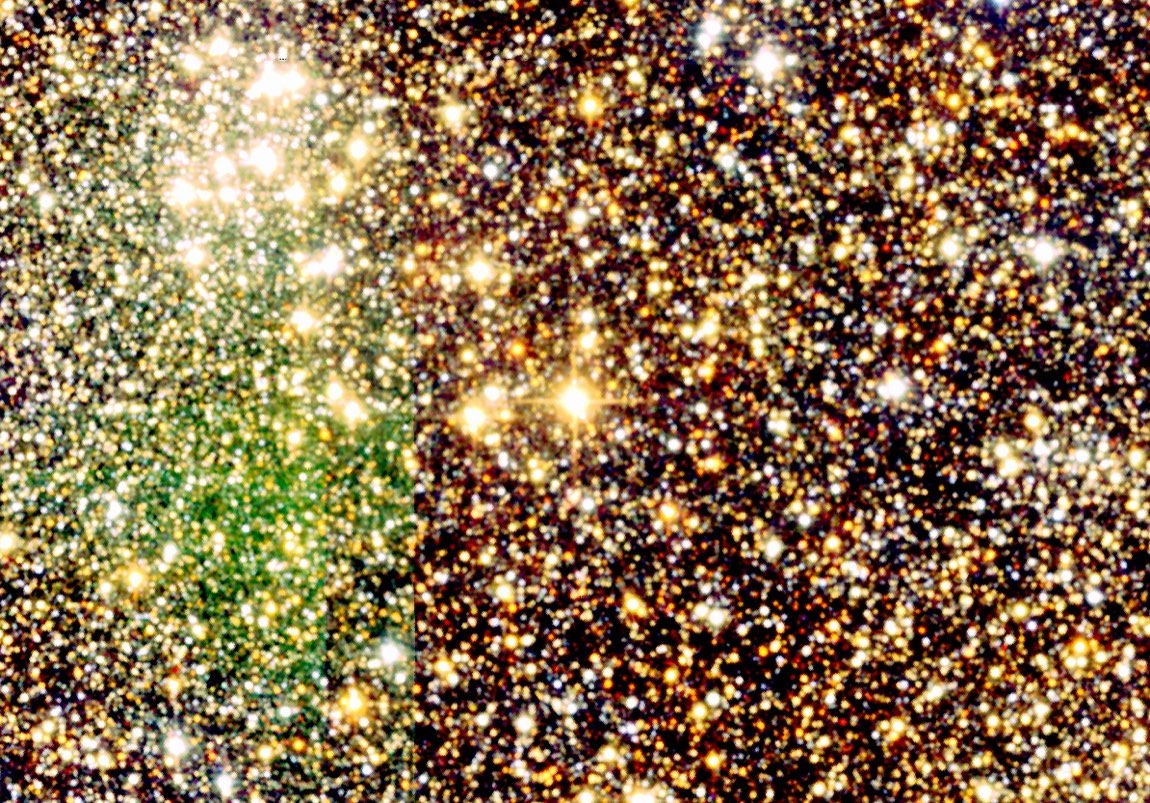 Stephenson 2-18If it is what it seems, this may be the largest star known.
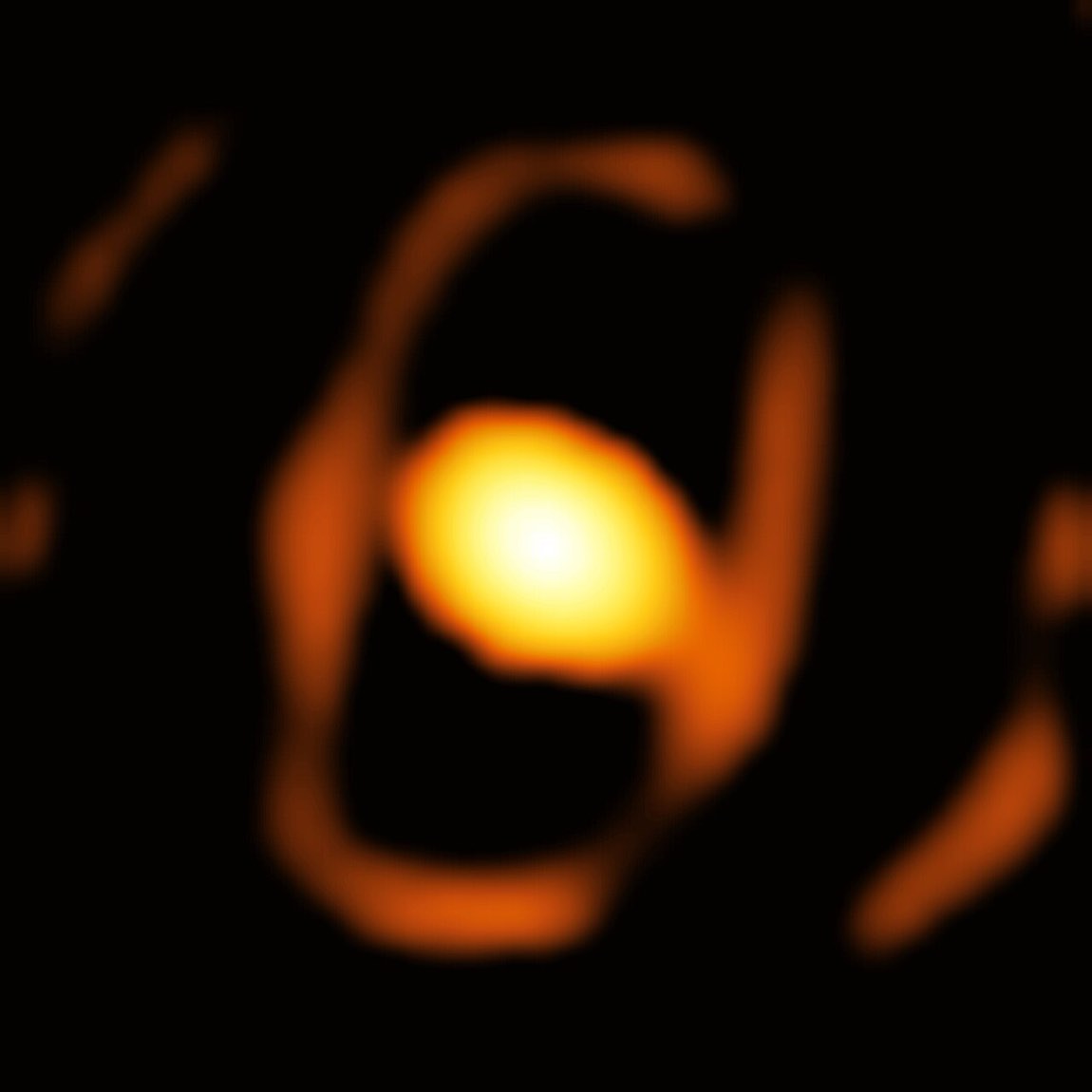 WOH G64A dying giant in another galaxy became the first star outside the Milky Way seen up close.
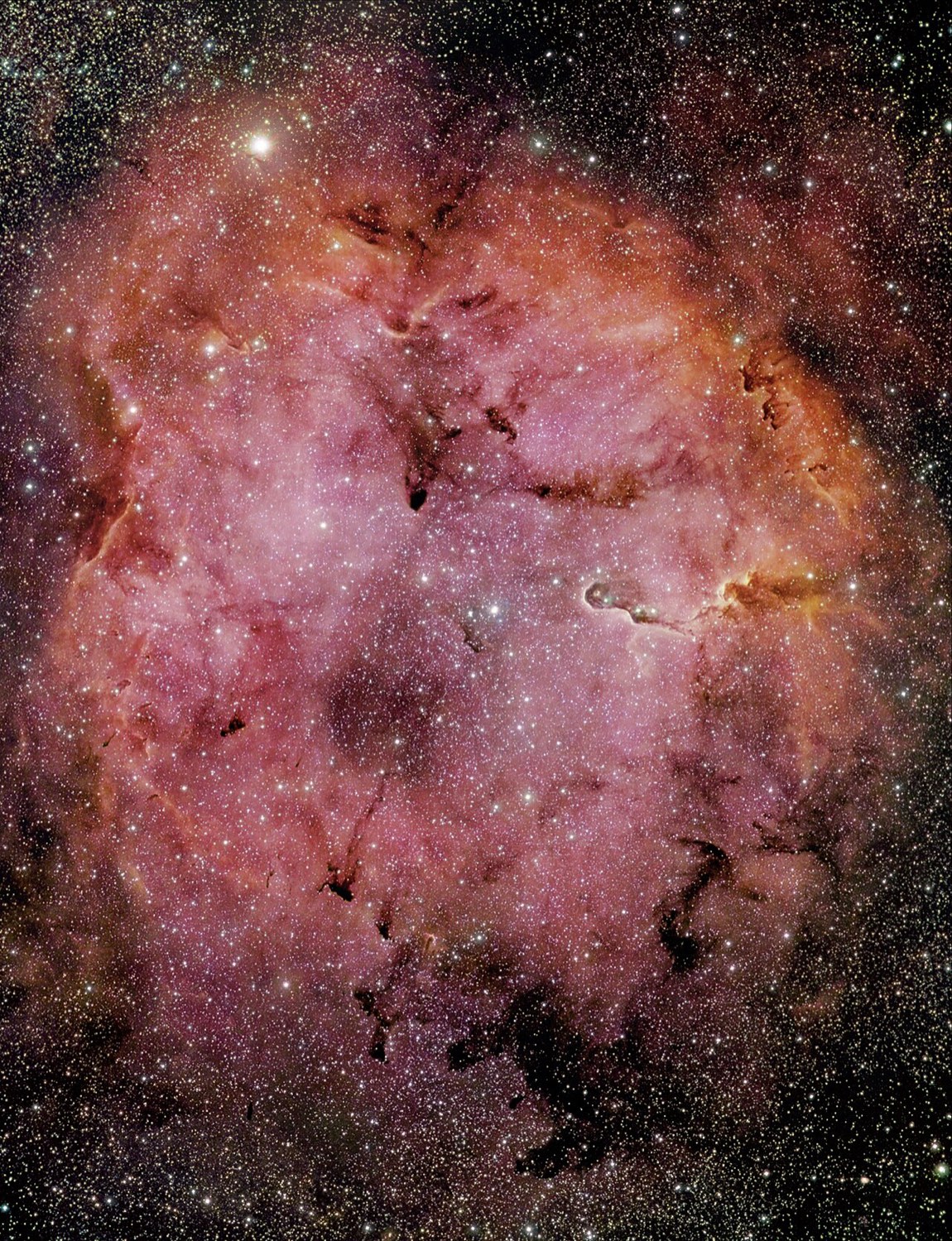 Mu CepheiThe reddest bright star in northern skies: Herschel's Garnet Star.
Planets8
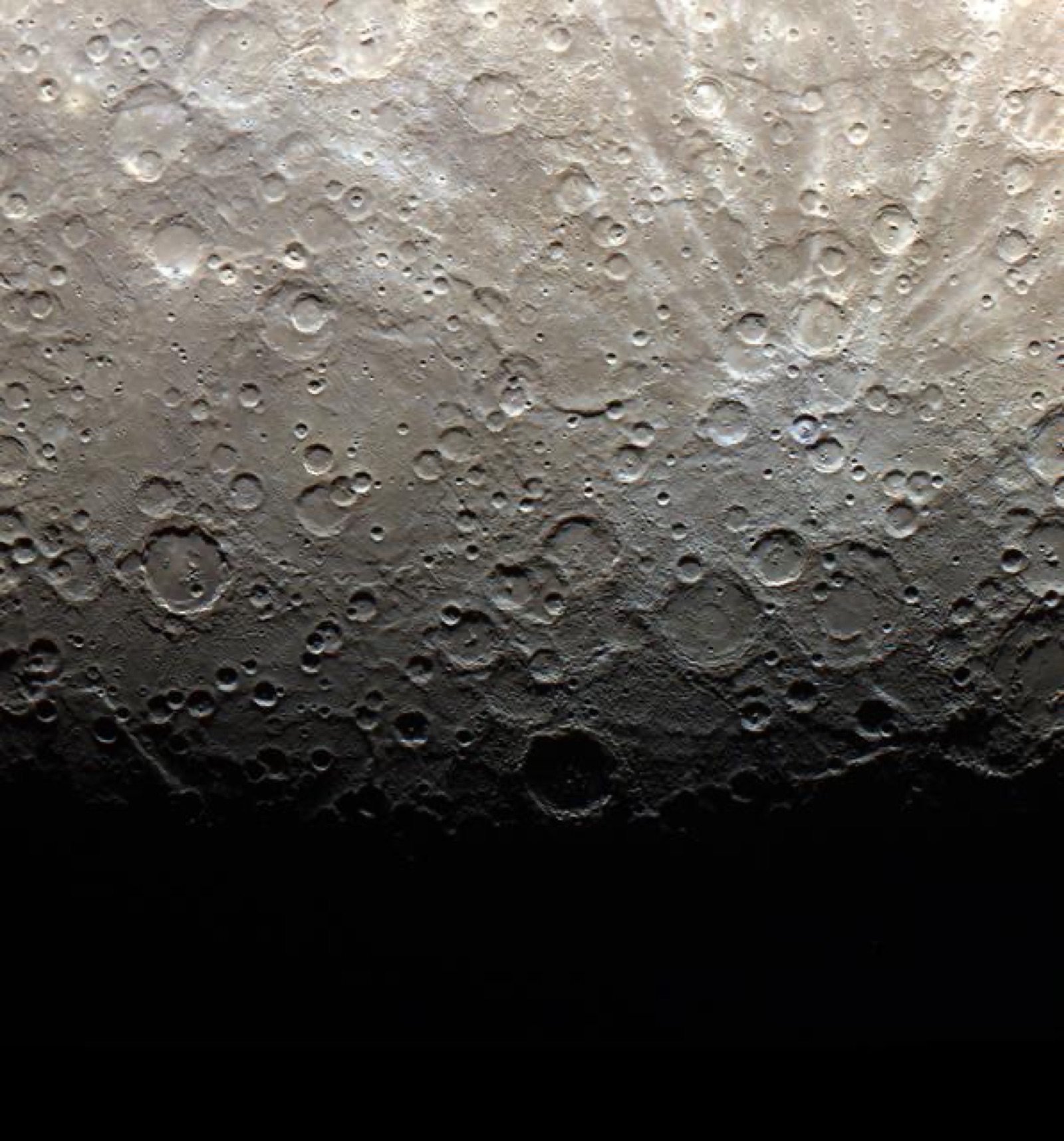 MercurySmallest of the planets and closest to the Sun, Mercury is a cratered world of brutal…
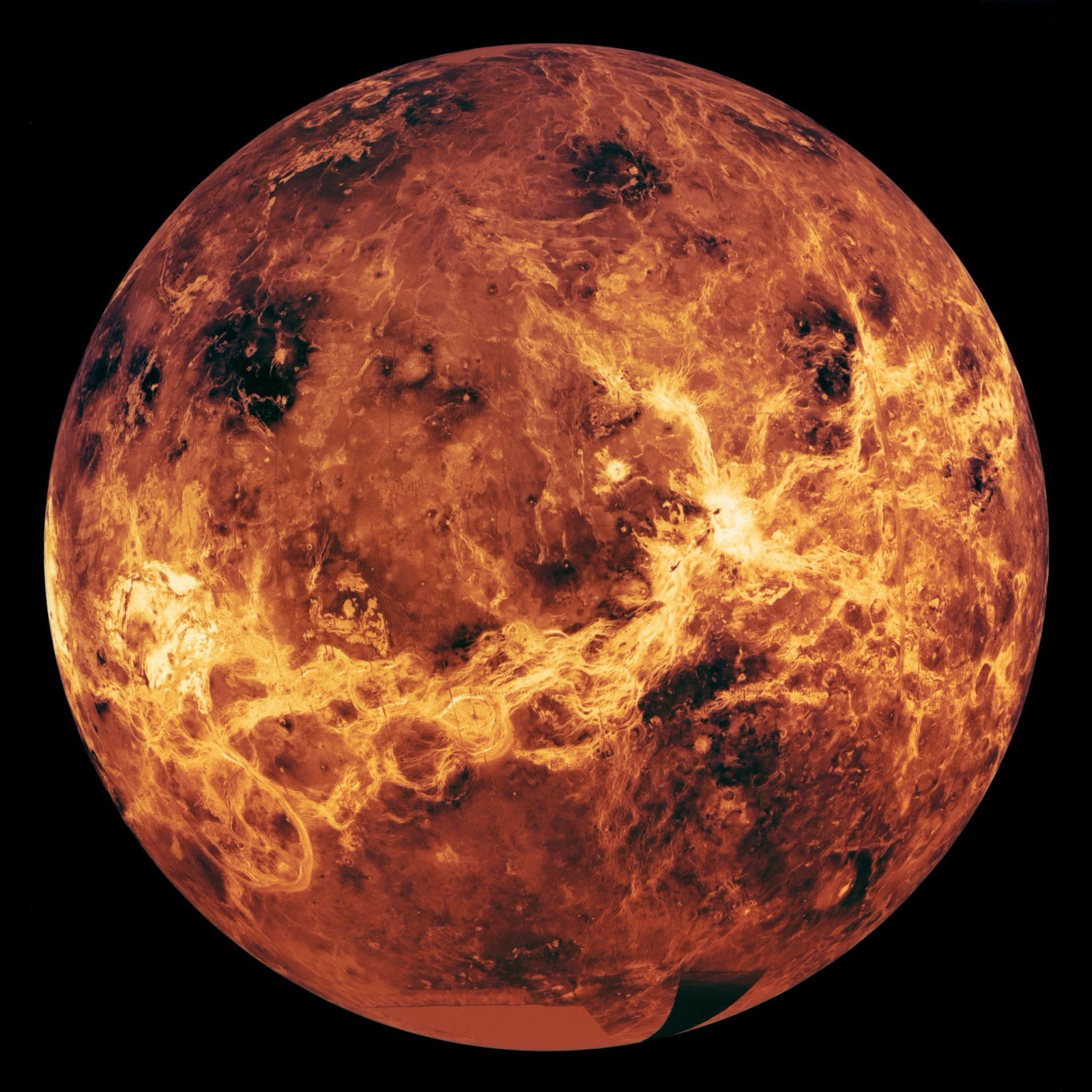 VenusEarth's overheated twin is a runaway greenhouse world hidden under acid clouds.
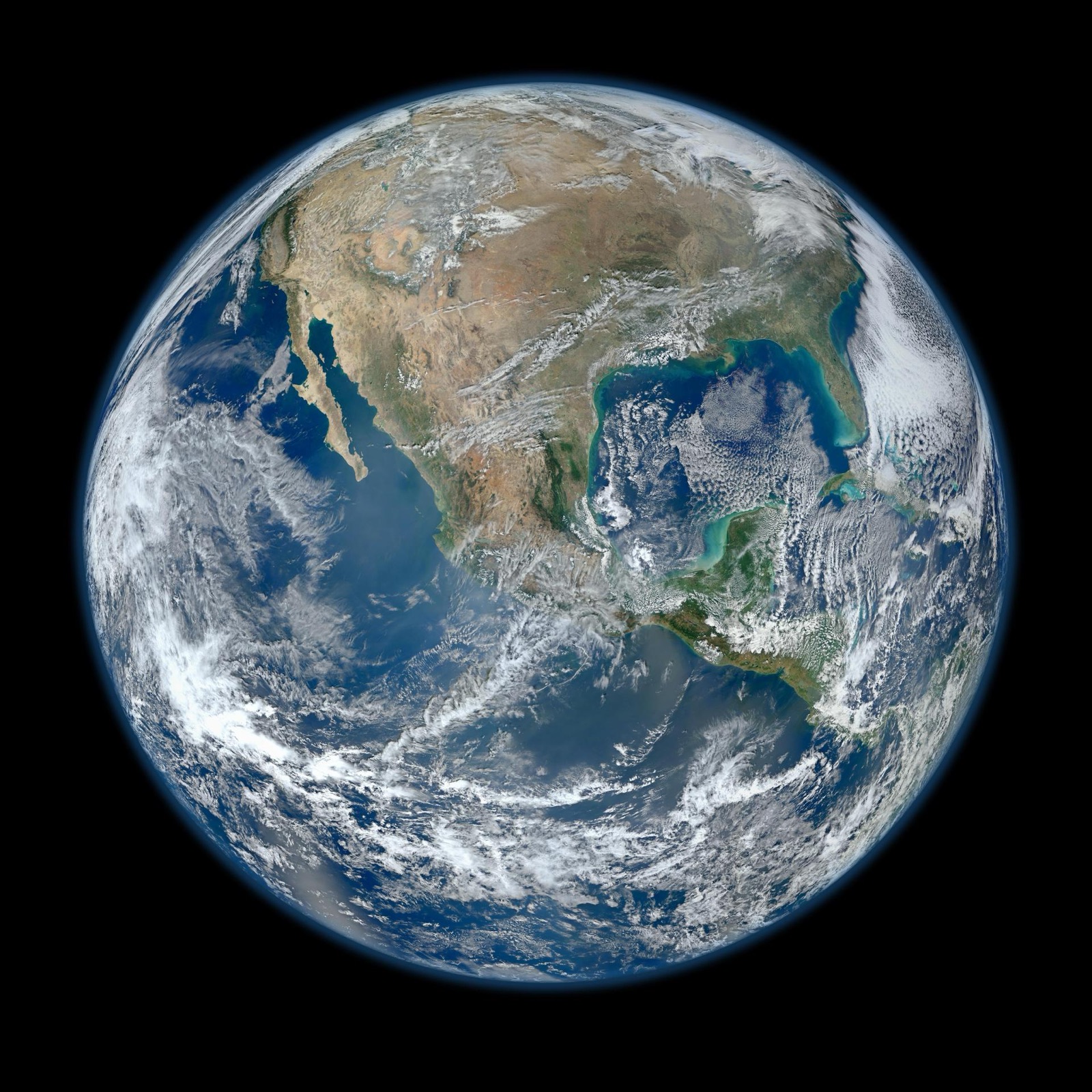 EarthThe only place in the universe where life is confirmed to exist. We call it home.
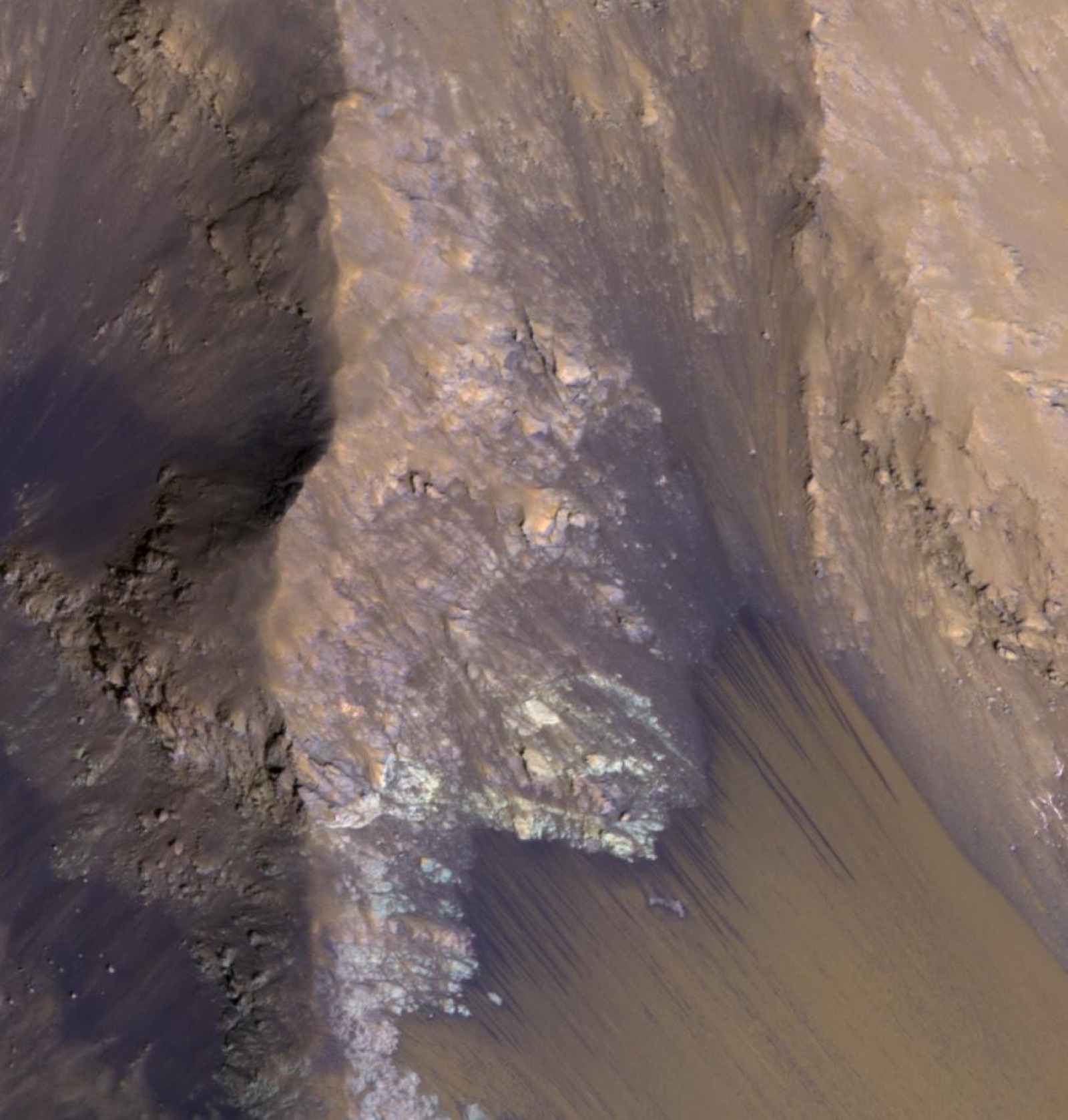 MarsOnce wet, now cold, the rusty desert world next door is the main target for human…
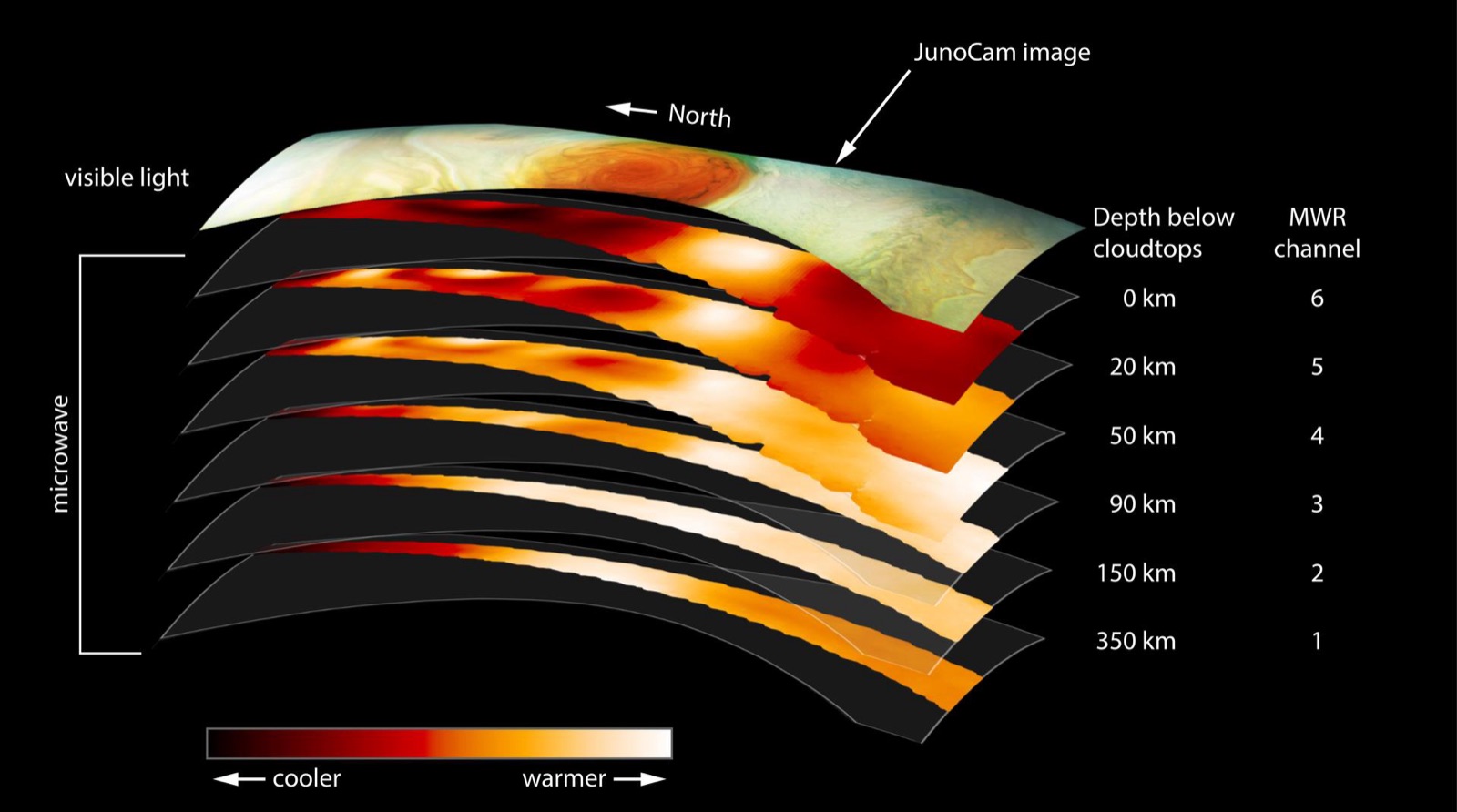 JupiterThe giant of the Solar System. This striped gas world could swallow 1,300 Earths.
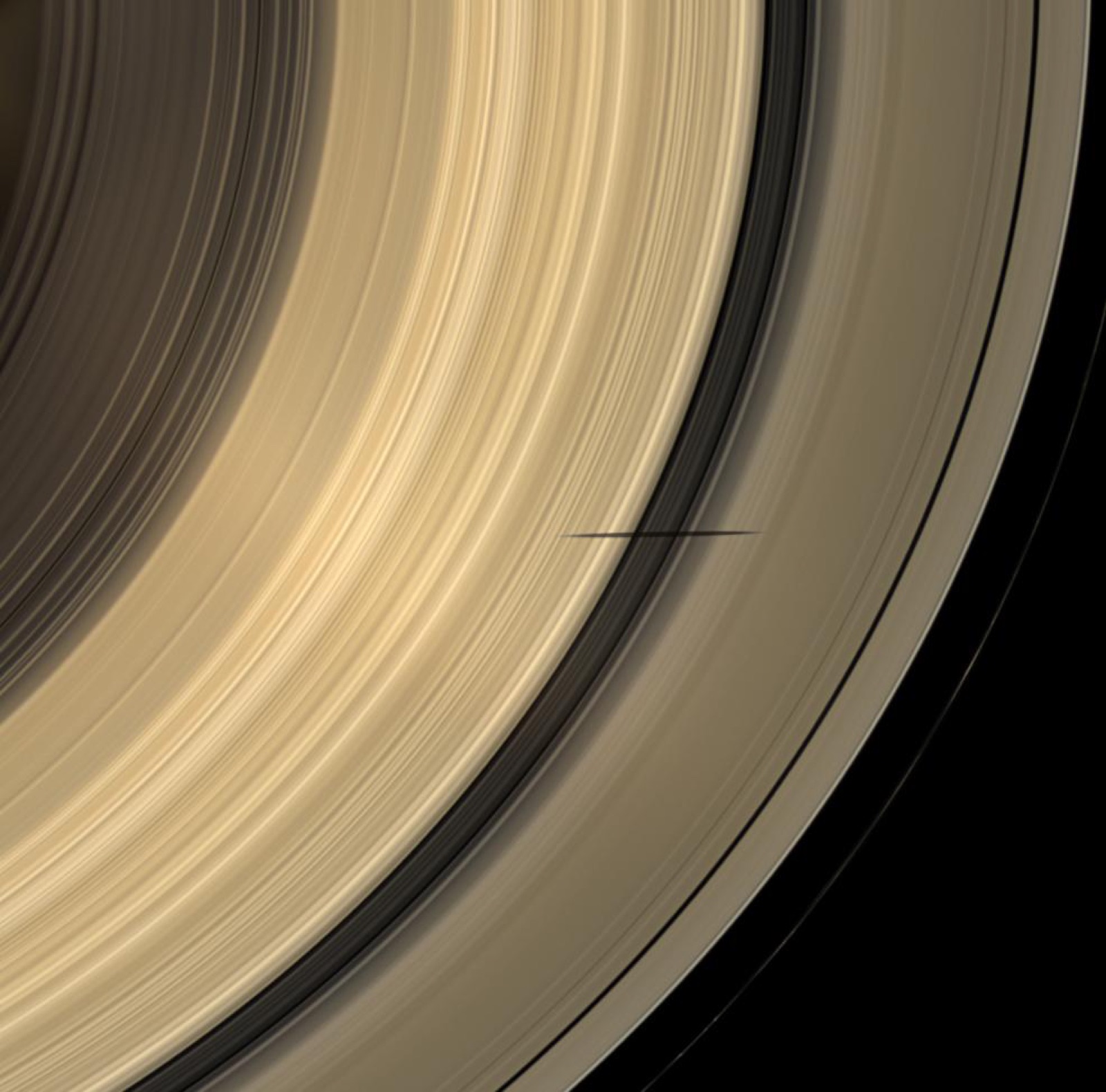 SaturnWrapped in rings of ice, this golden gas giant is the jewel of the Solar System.
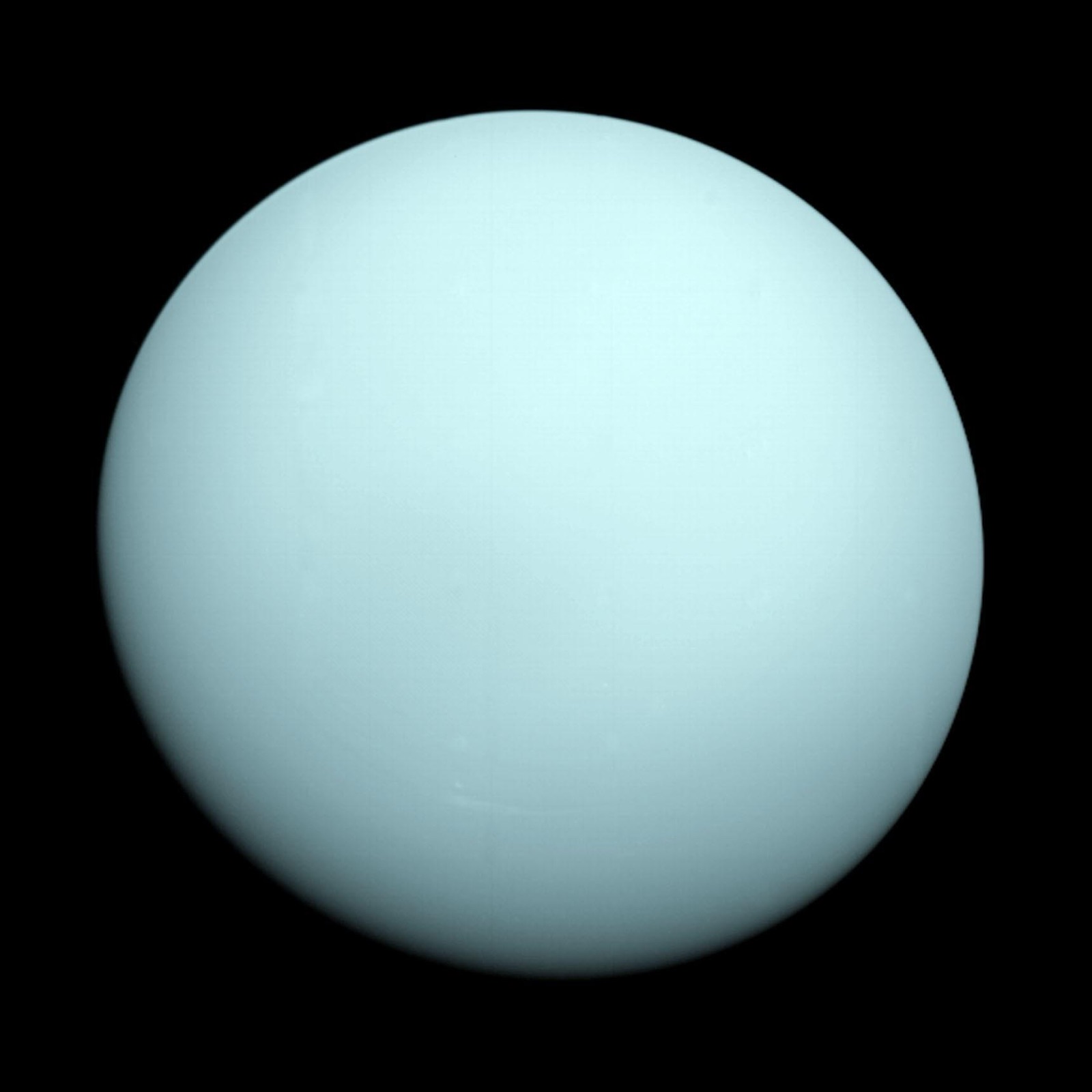 UranusThe sideways planet: an ice giant that rolls around the Sun on its side.
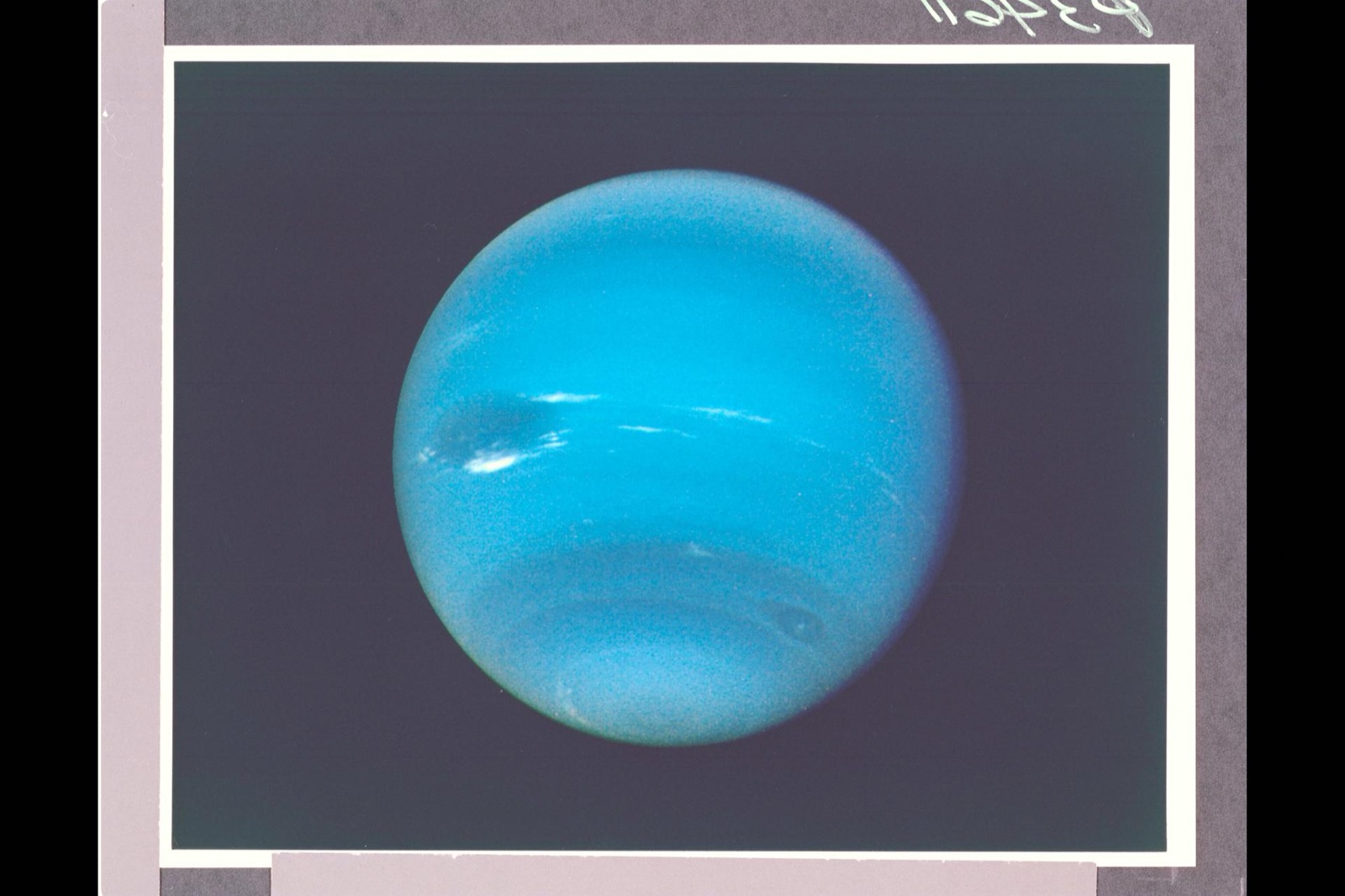 NeptuneThe wildest winds in the Solar System blow on the farthest planet, a deep-blue ice giant.
Moons22
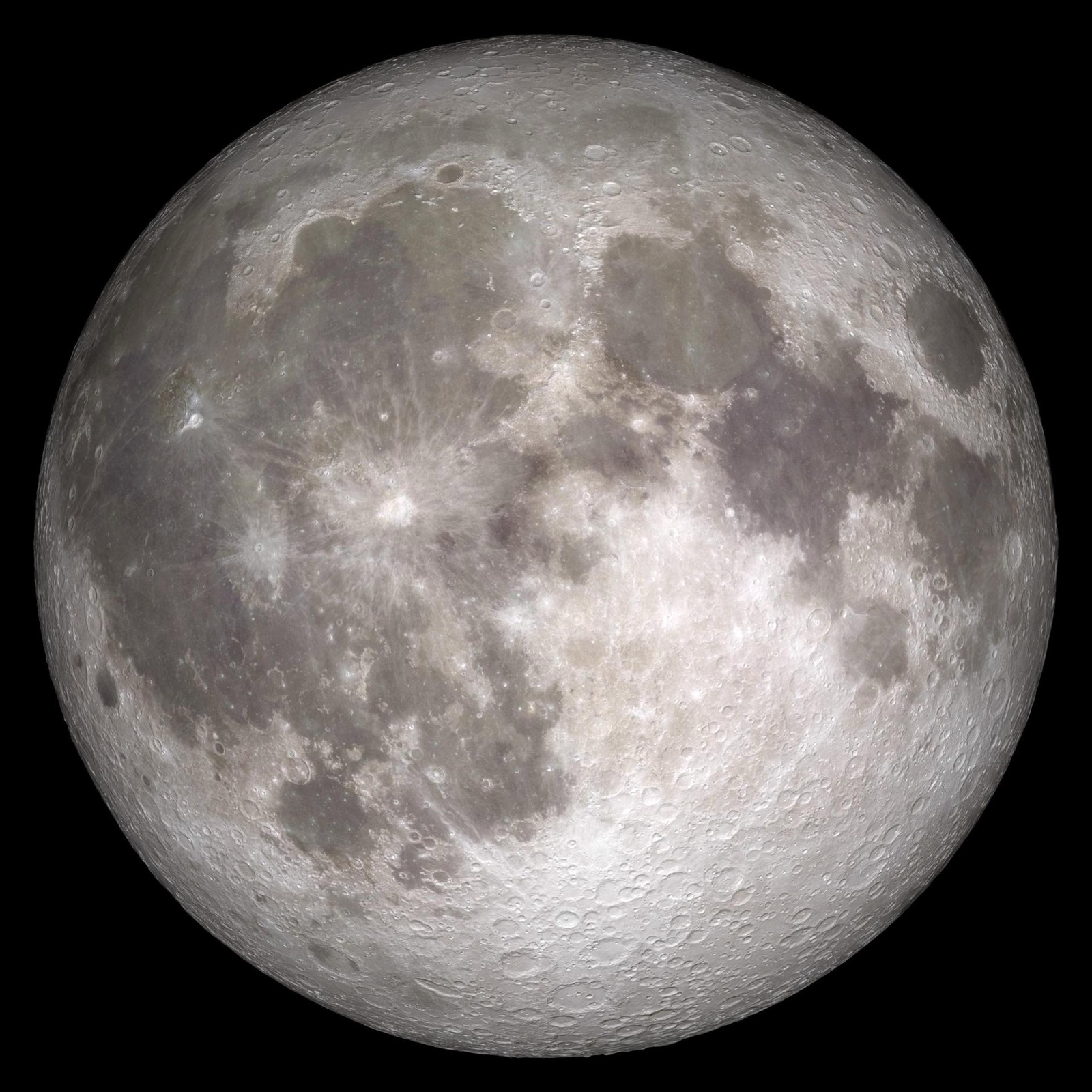 The MoonHumans have walked on only one other world: Earth's constant companion.
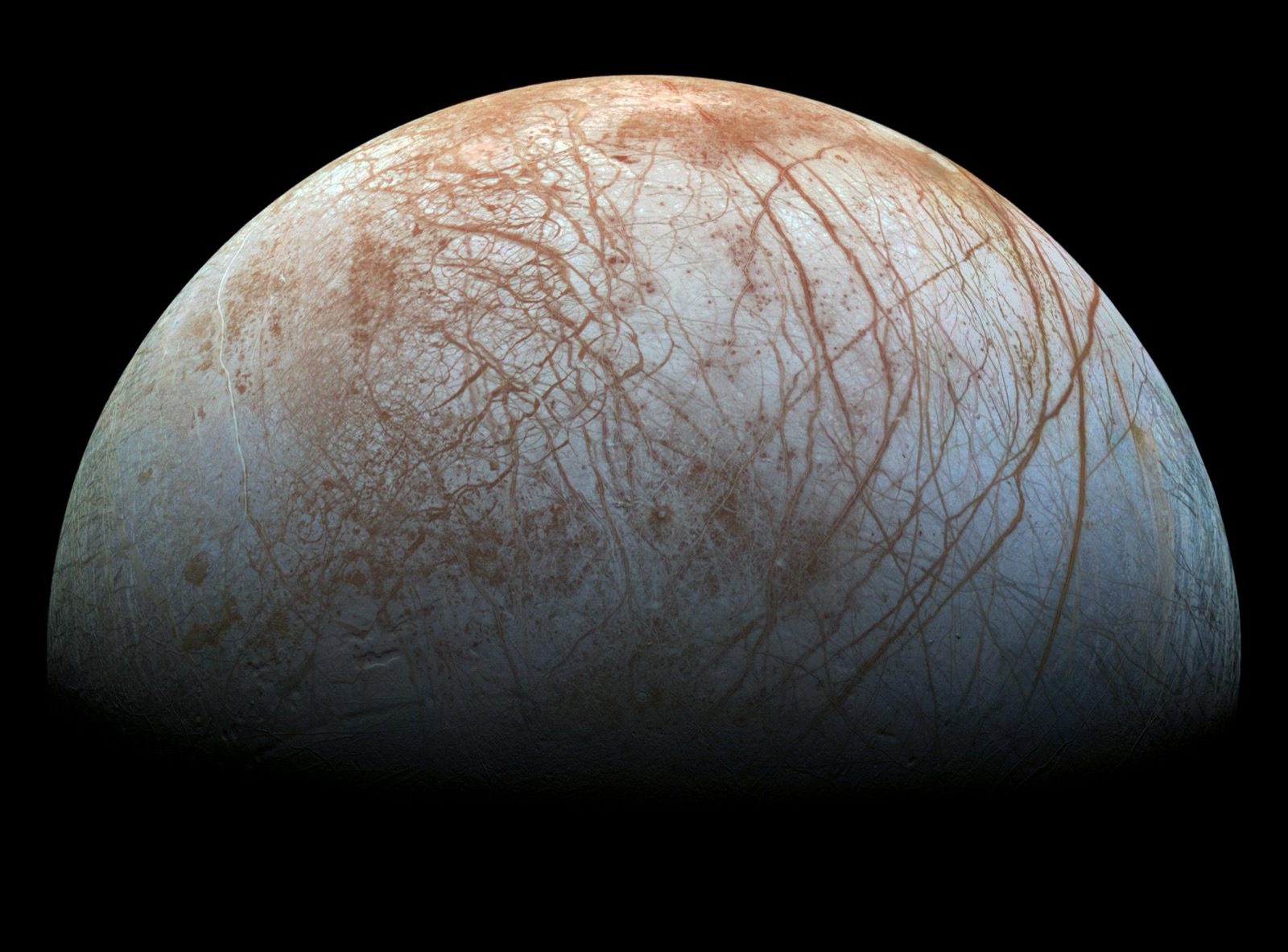 EuropaJupiter's ice-shelled moon hides an ocean with twice the water of all Earth's seas.
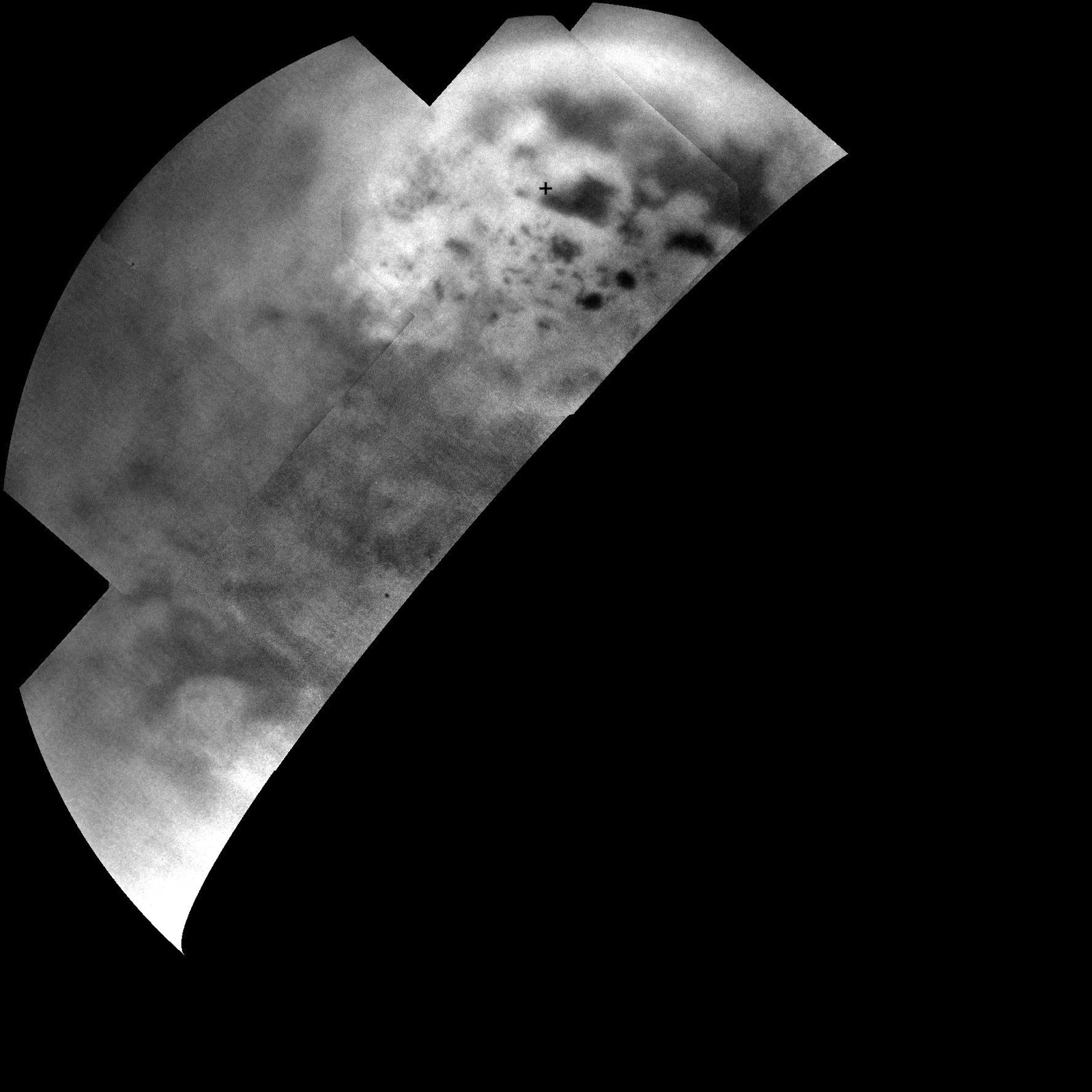 TitanSaturn's giant moon, and the only world besides Earth with rain, rivers, lakes and seas.
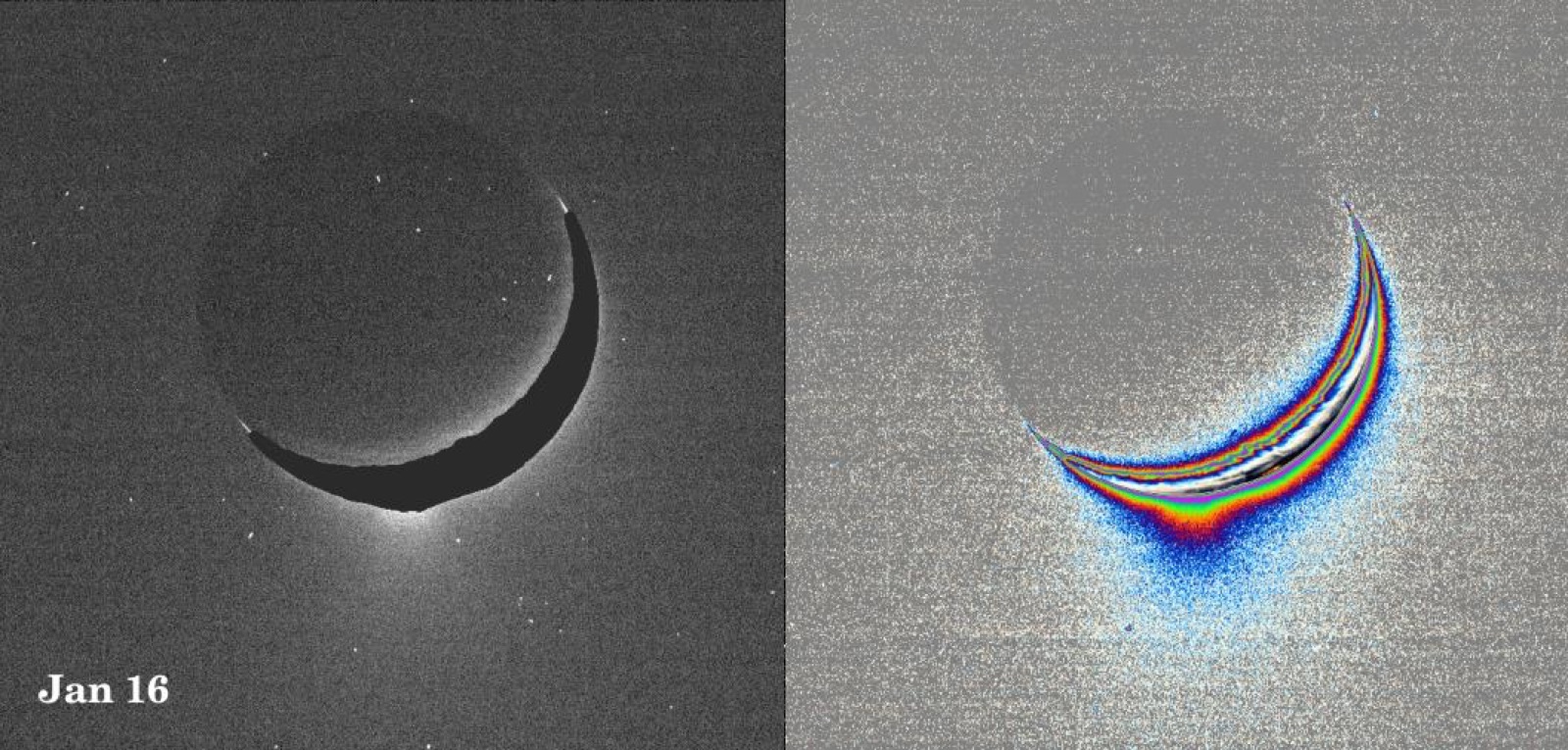 EnceladusThe little moon that leaks its ocean into space. Free samples included.
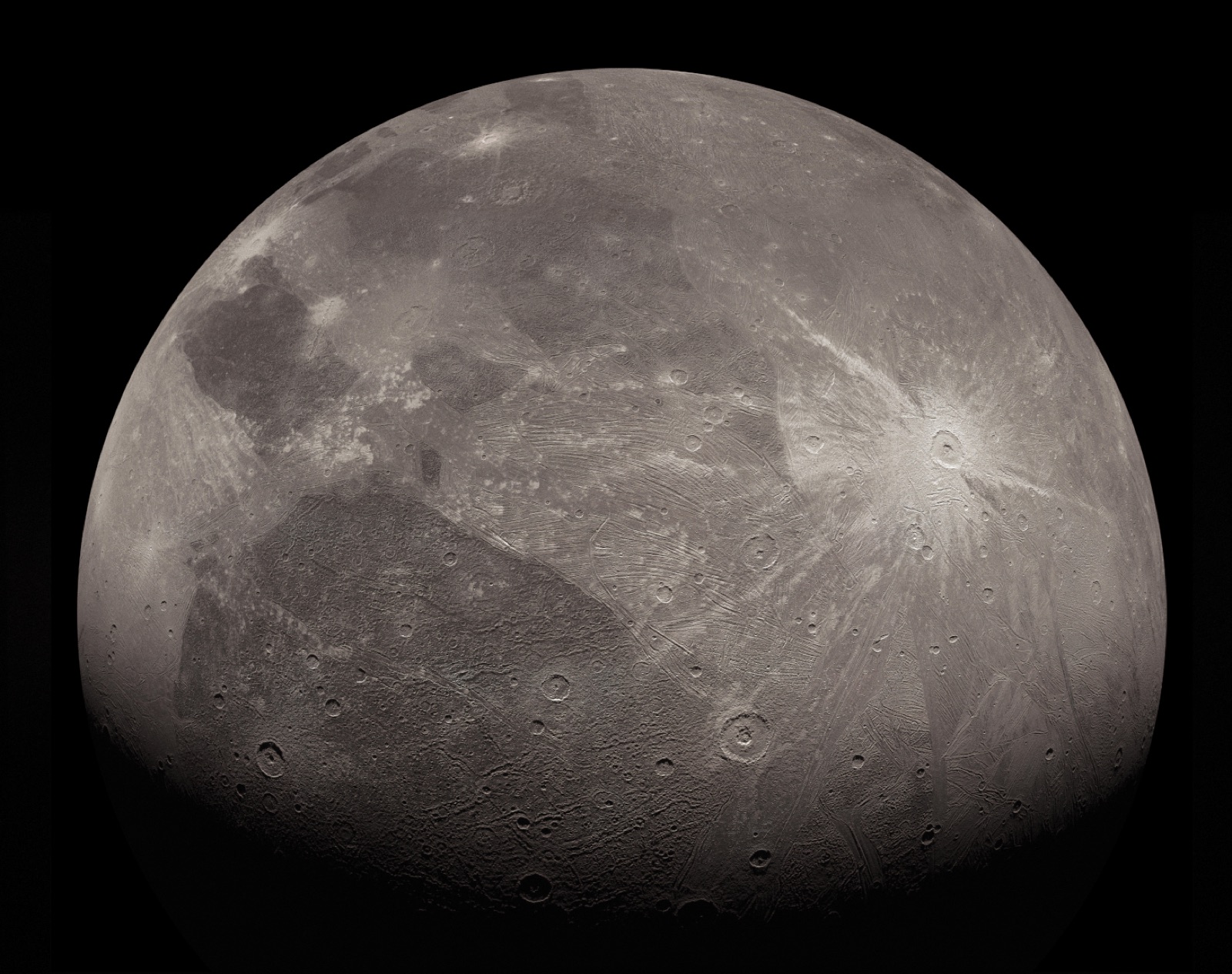 GanymedeThe largest moon in the Solar System is bigger than Mercury and has its own magnetic…
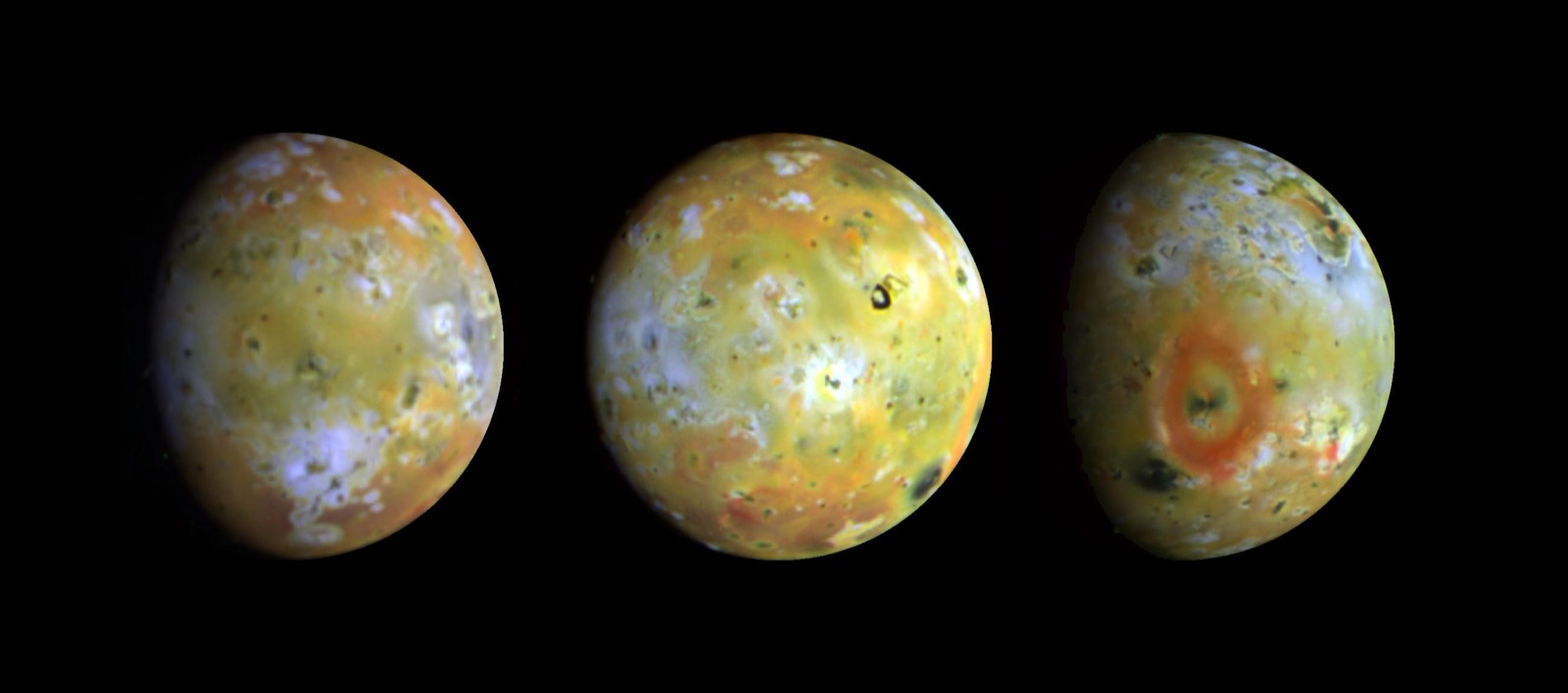 IoThe most volcanic world in the Solar System. Io is turning itself inside out.
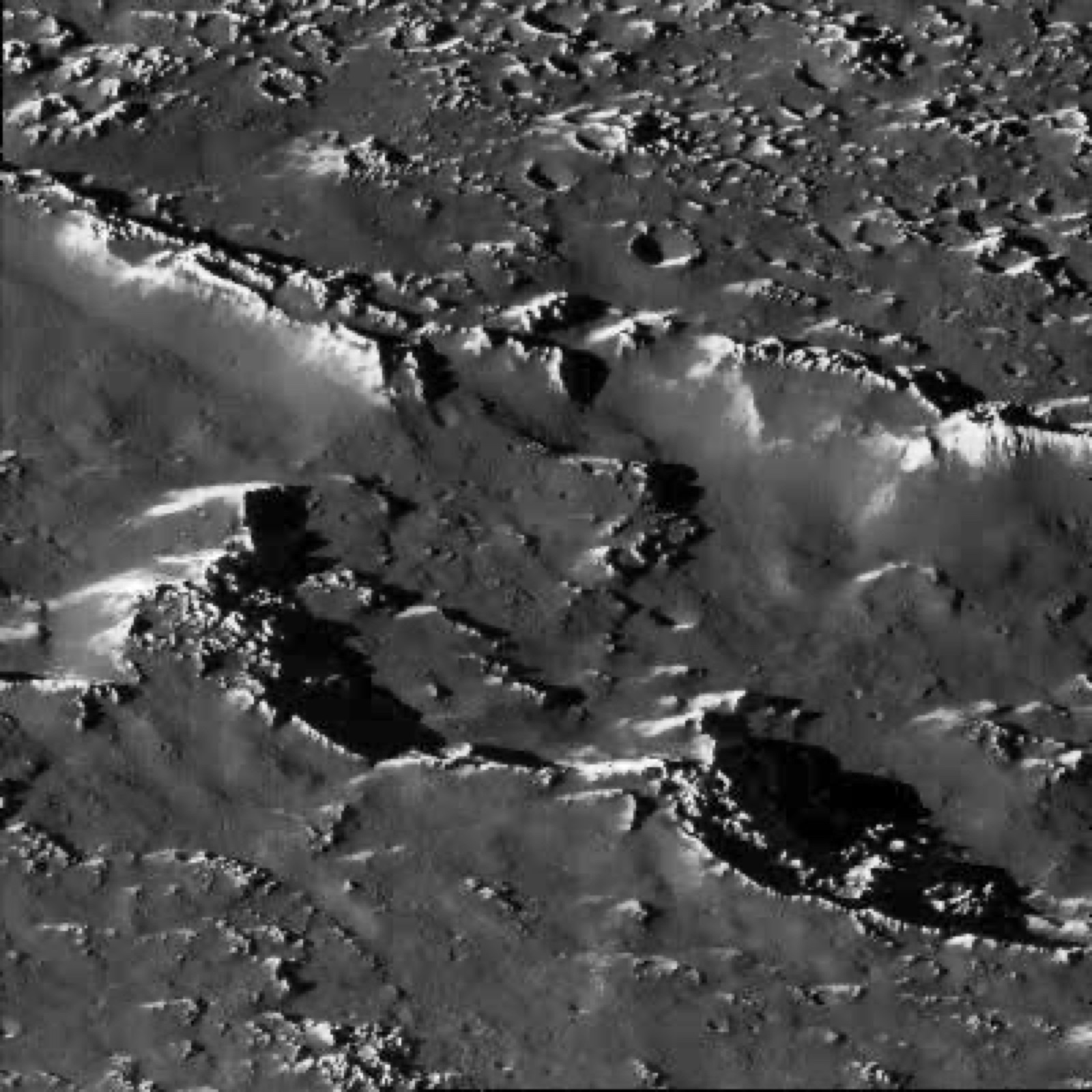 CallistoAn ancient, quiet moon with a possible hidden ocean, and the most cratered world in the…
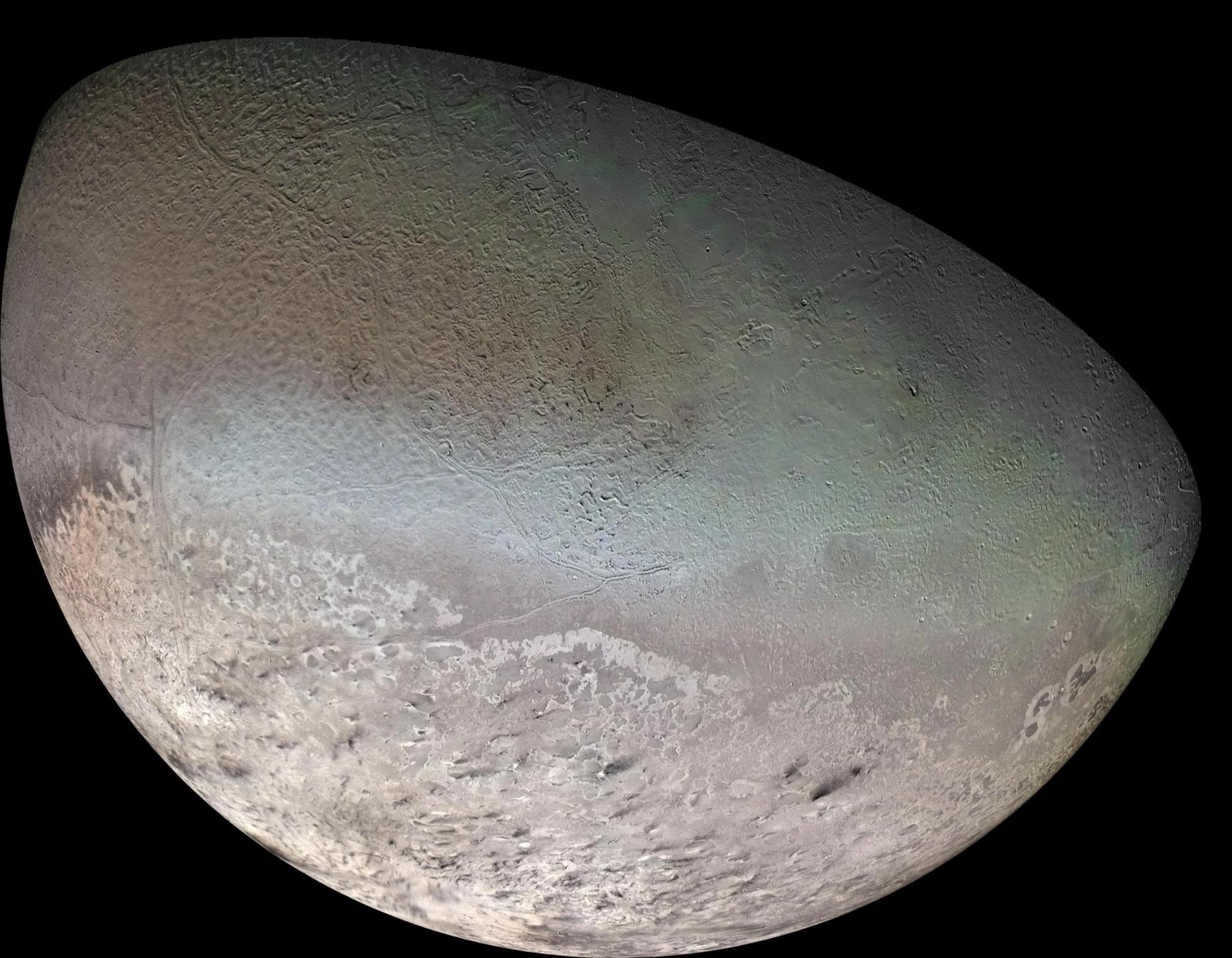 TritonA kidnapped Pluto with erupting nitrogen geysers, circling Neptune backwards.
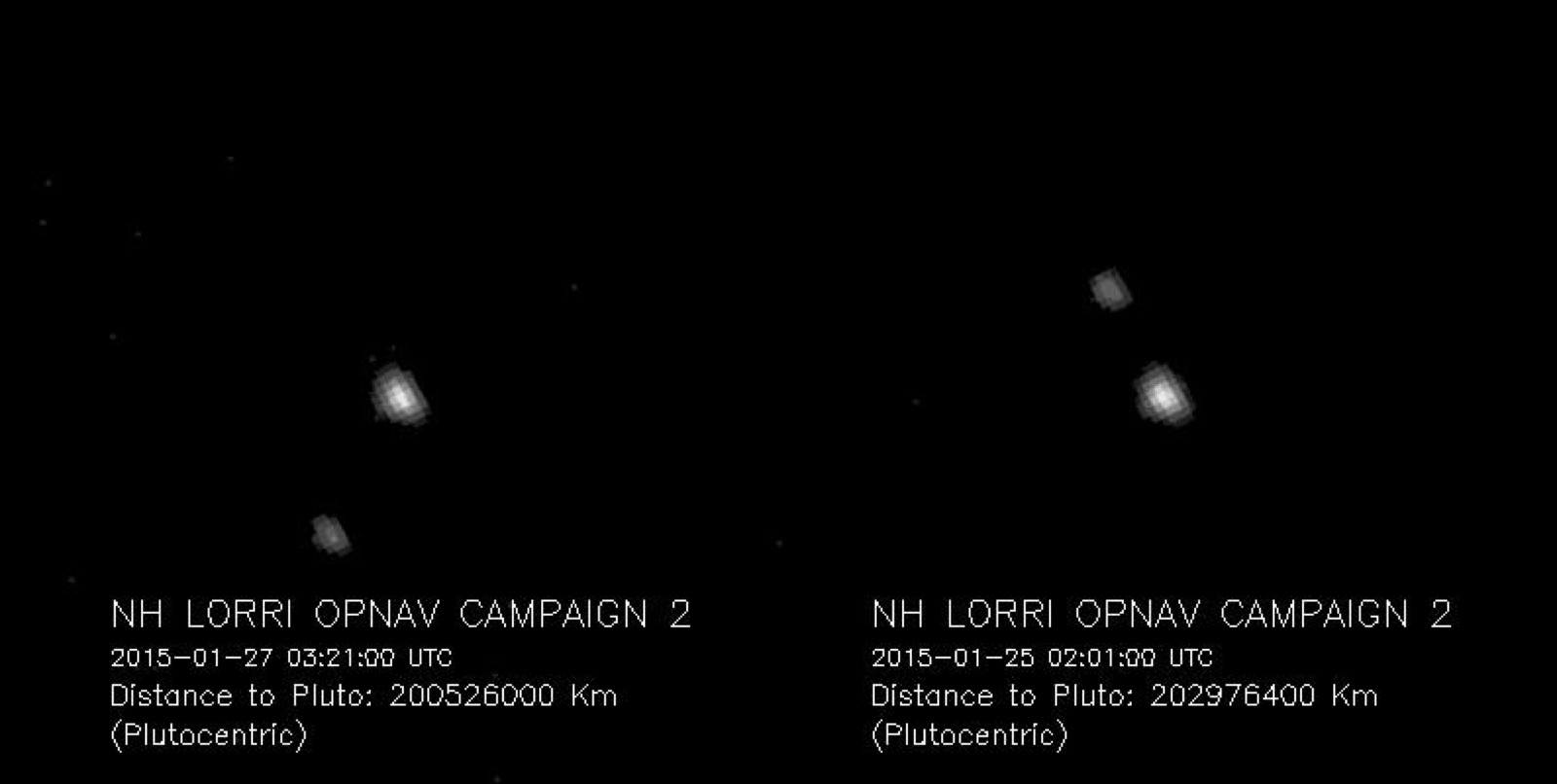 CharonHalf the size of Pluto itself, this giant companion makes the pair the Solar System's…
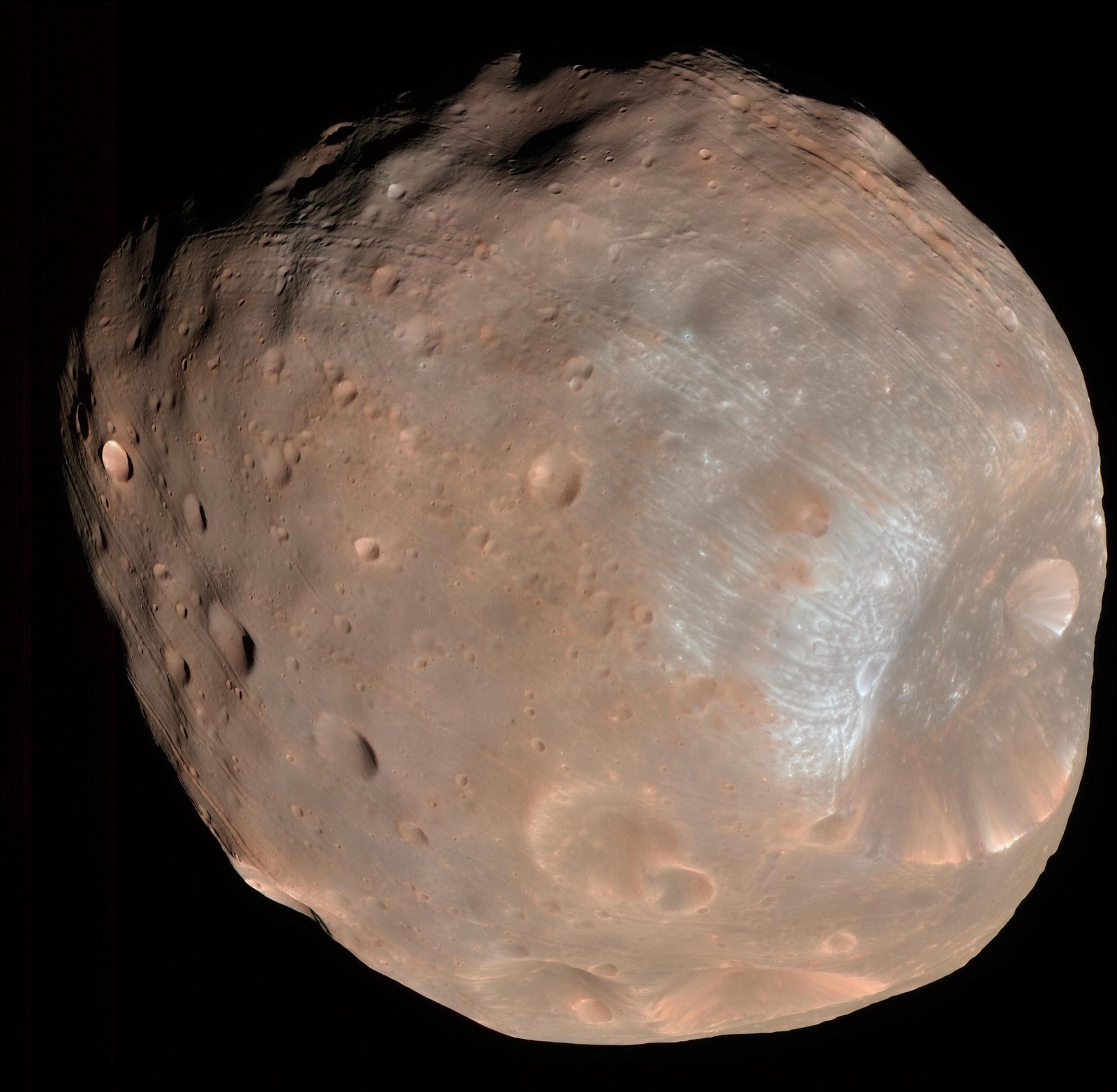 PhobosMars's doomed potato moon is spiraling slowly toward destruction.
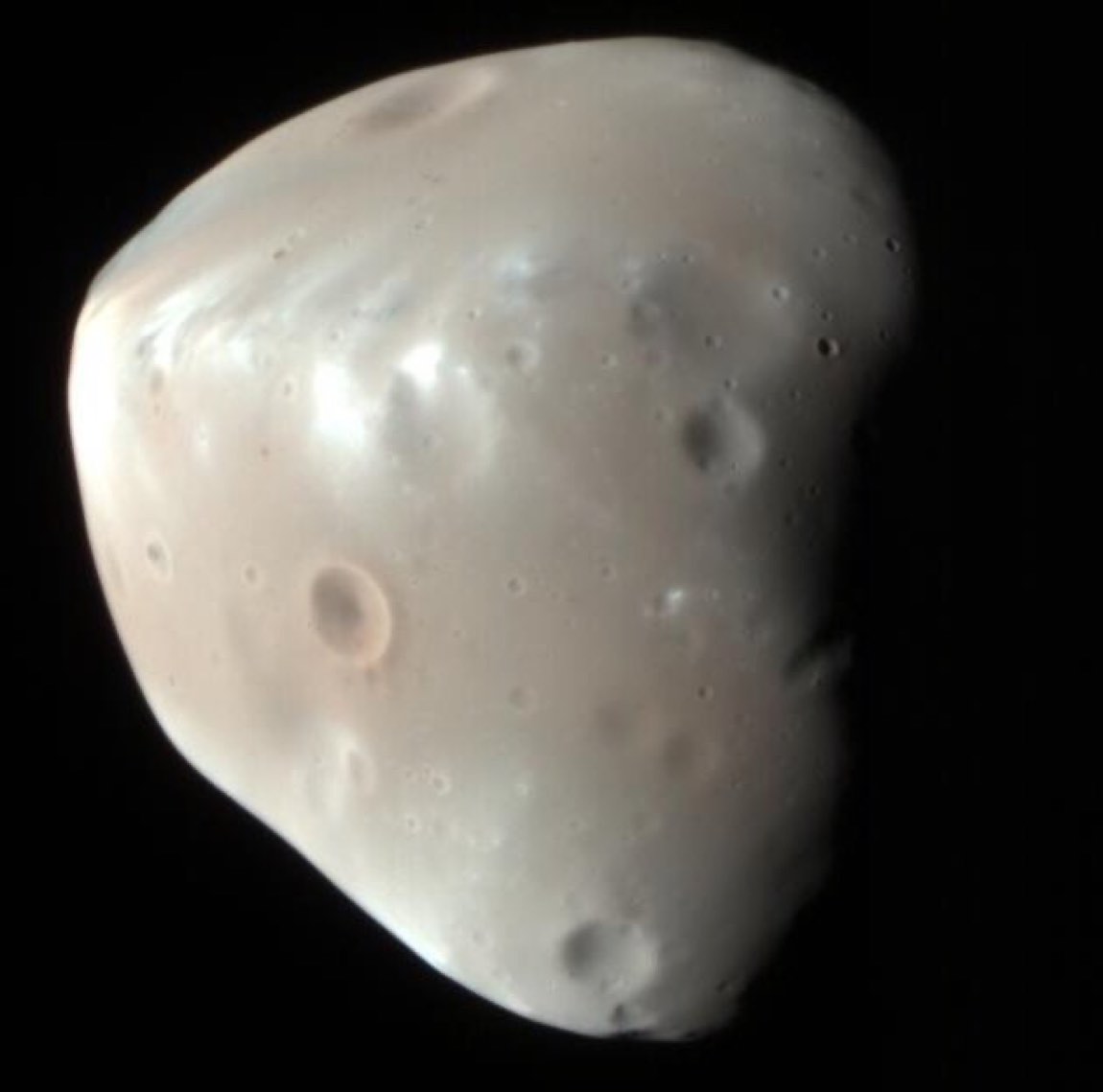 DeimosMars's tiny outer moon is a drifting lump the size of a city.
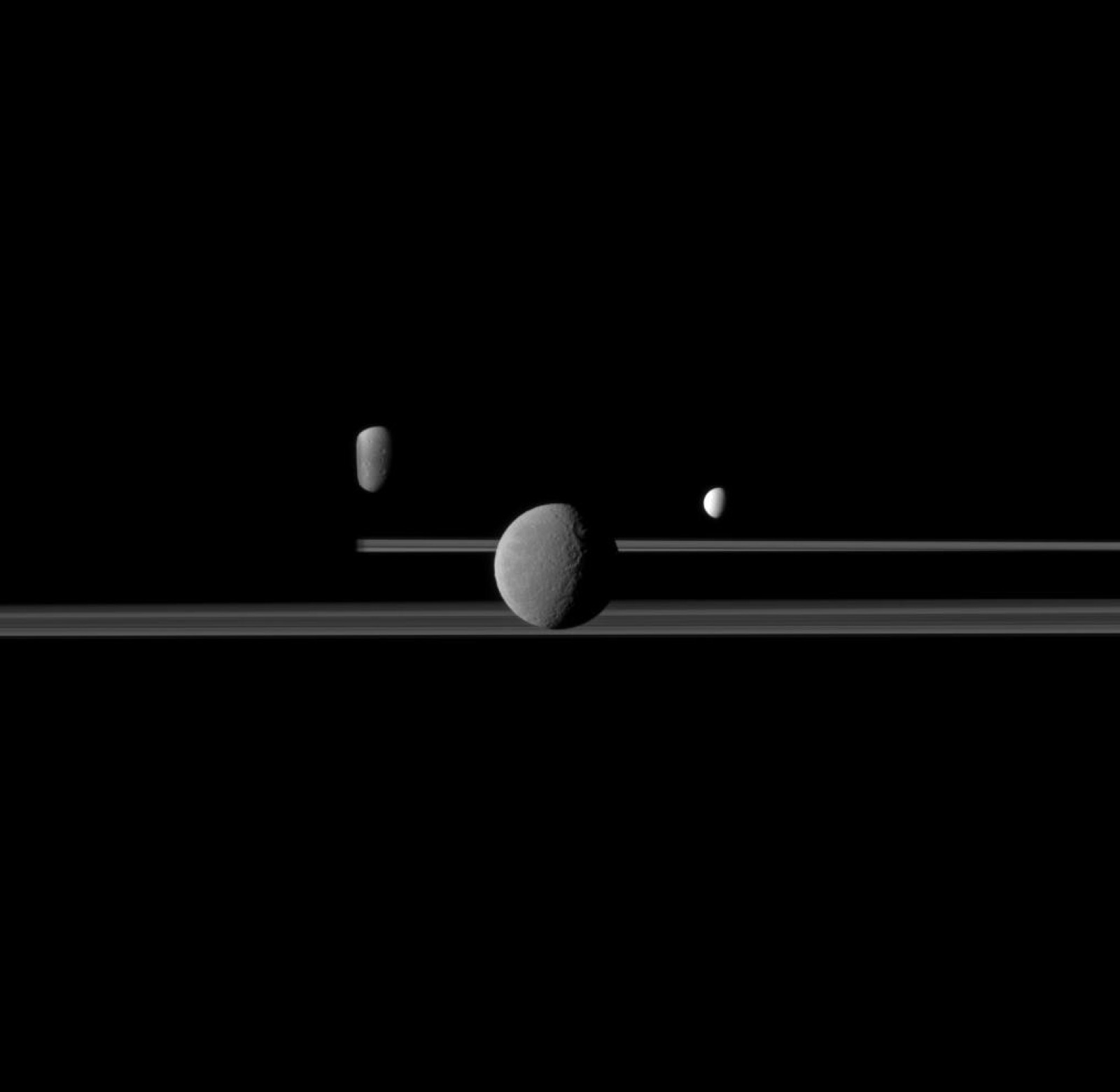 RheaSaturn's second-largest moon, an ancient ice ball with a whisper of oxygen.
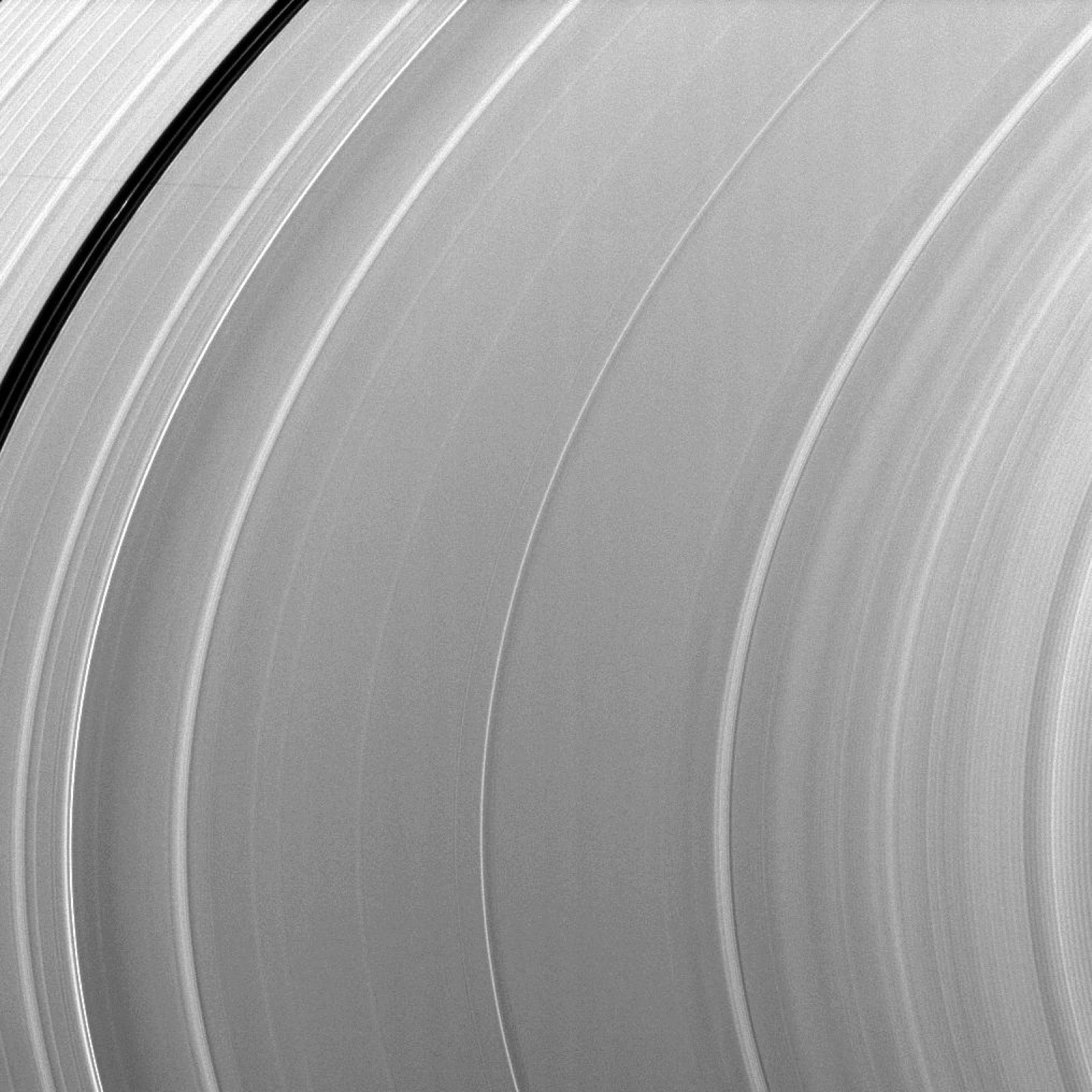 IapetusSaturn's two-faced moon: coal-black on one side, snow-white on the other.
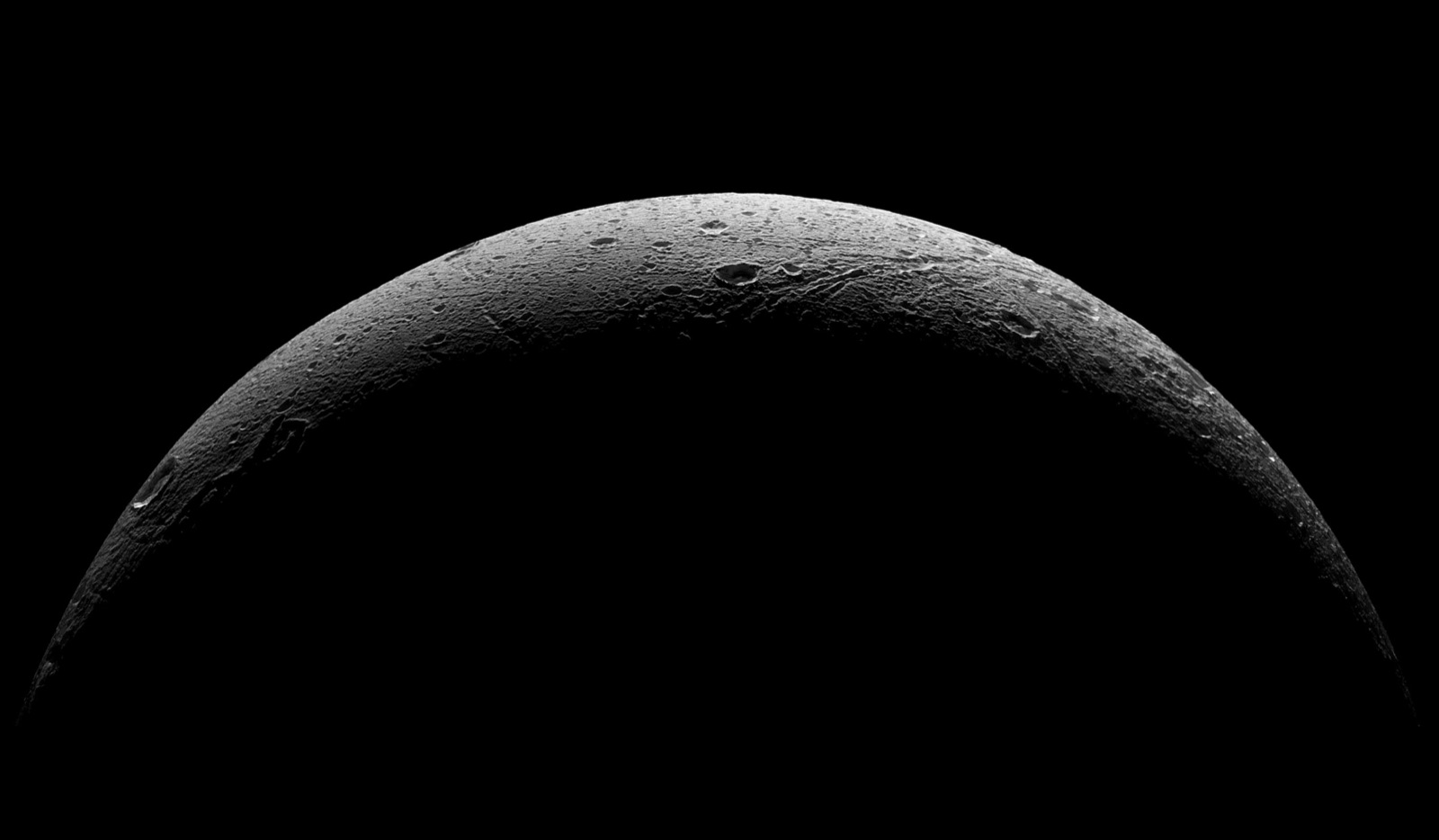 DioneA cracked ice world that may hide a deep buried ocean.
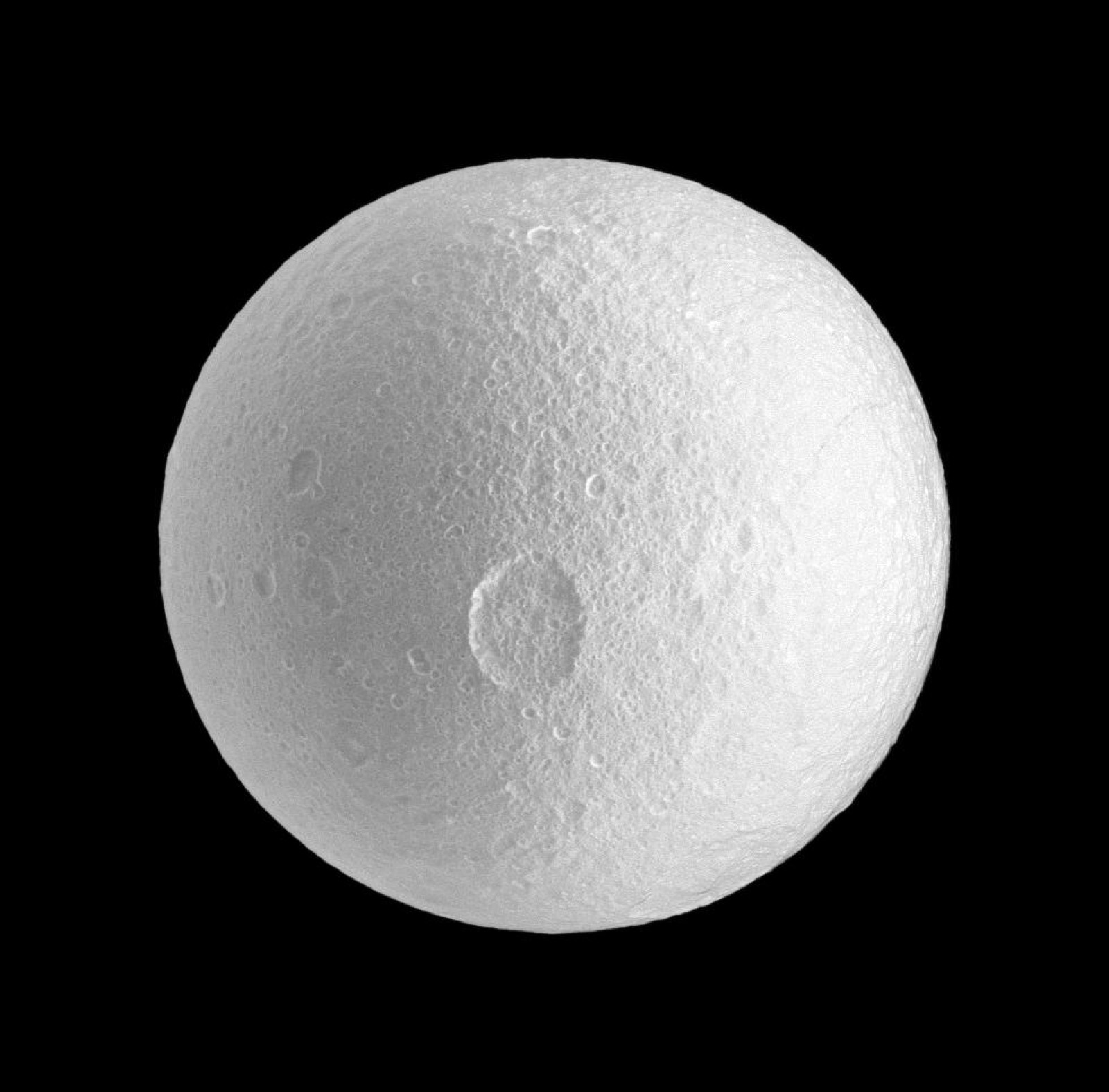 TethysAn ice moon scarred by a crater nearly half its own width.
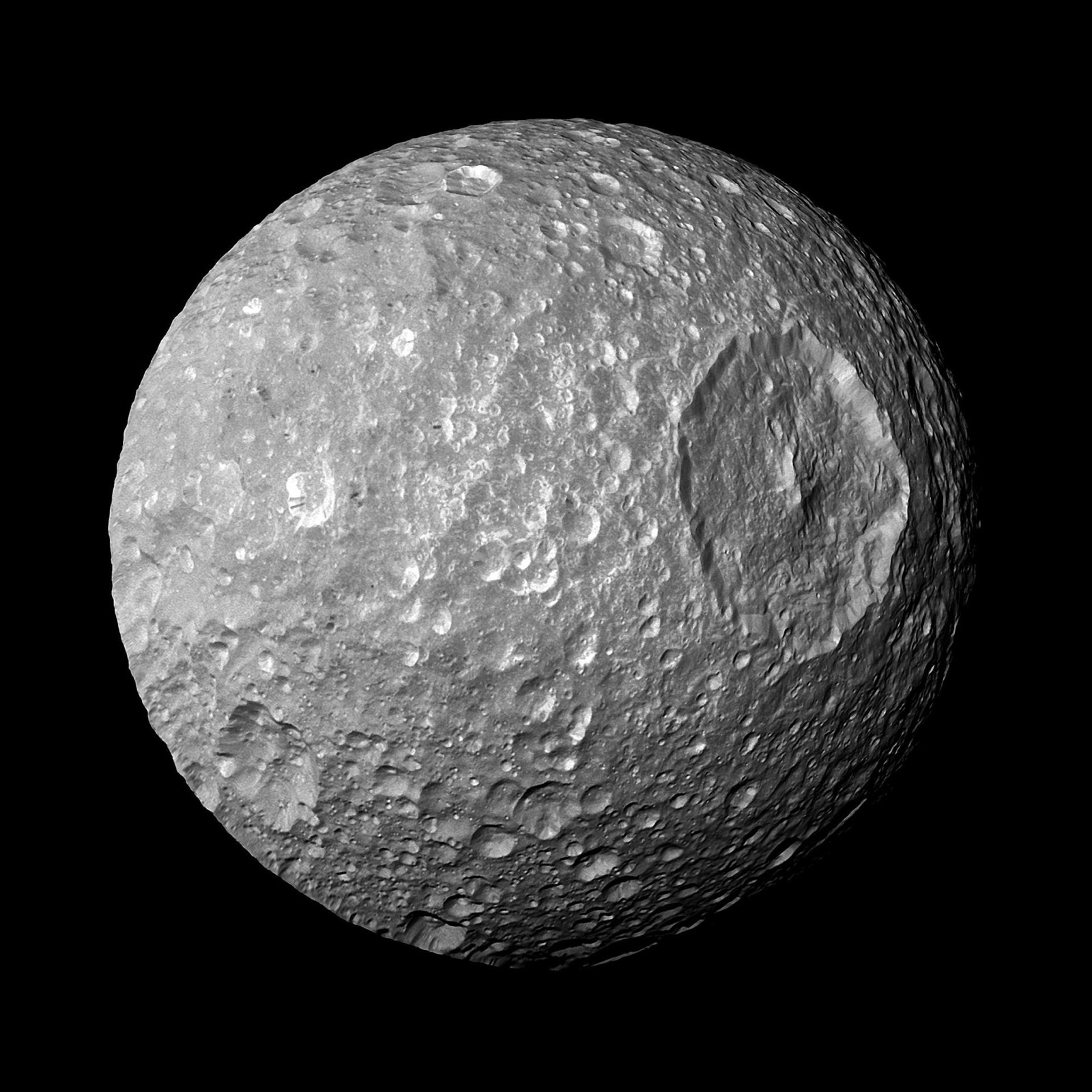 MimasThe 'Death Star' moon is hiding a shockingly young ocean.
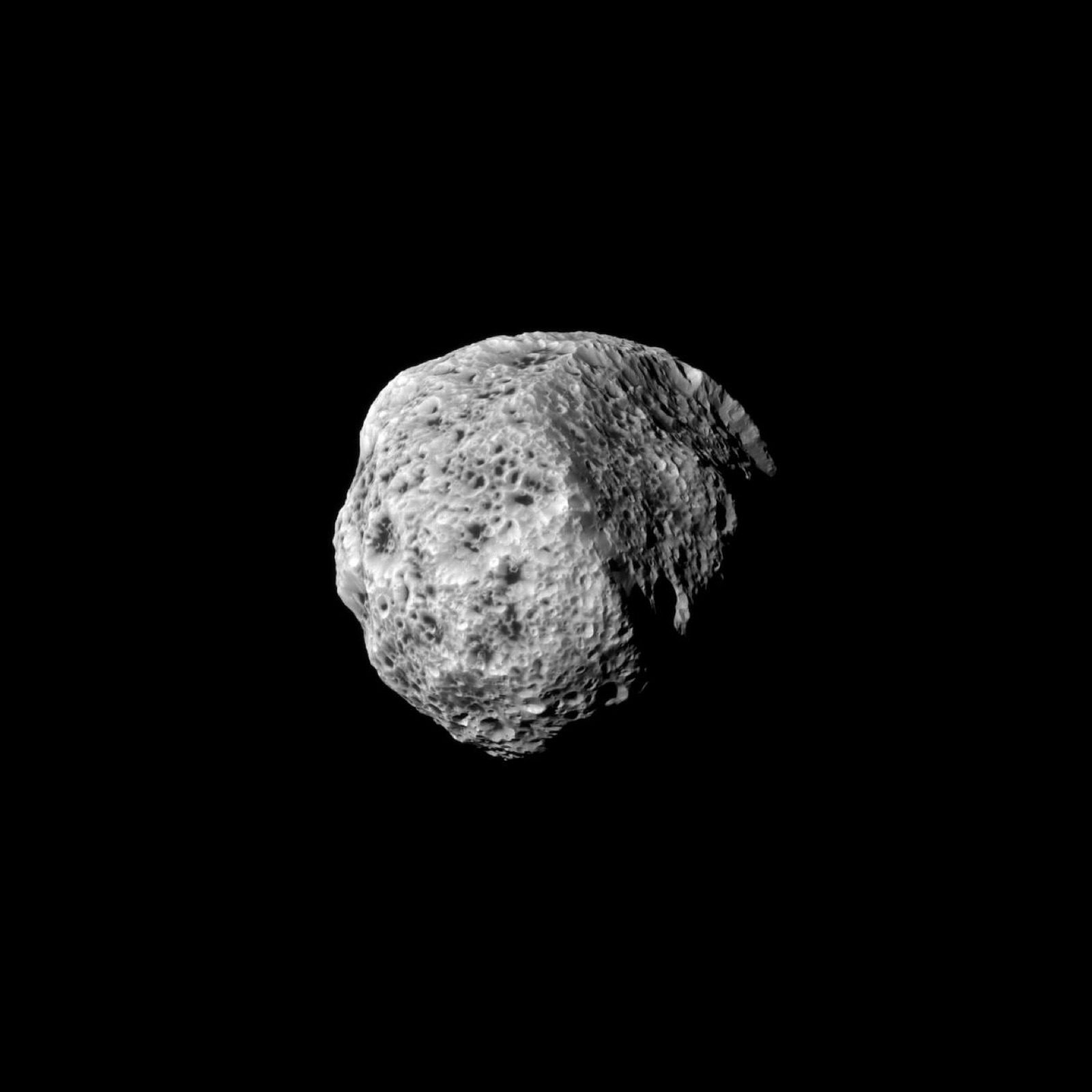 HyperionThe Solar System's most chaotic moon is a tumbling sponge of ice.
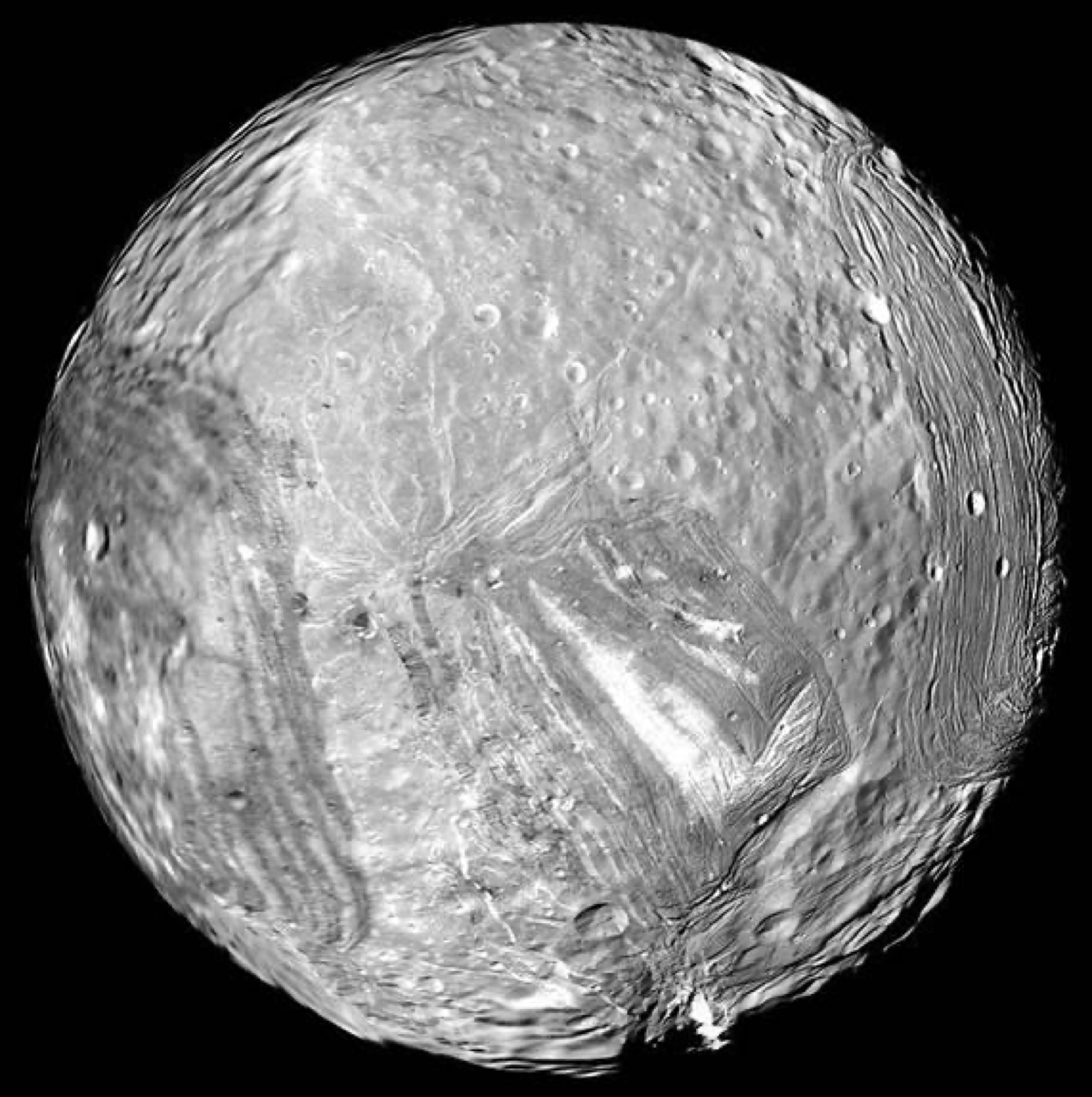 MirandaHome to the tallest cliff known, Miranda is Uranus's patchwork moon.
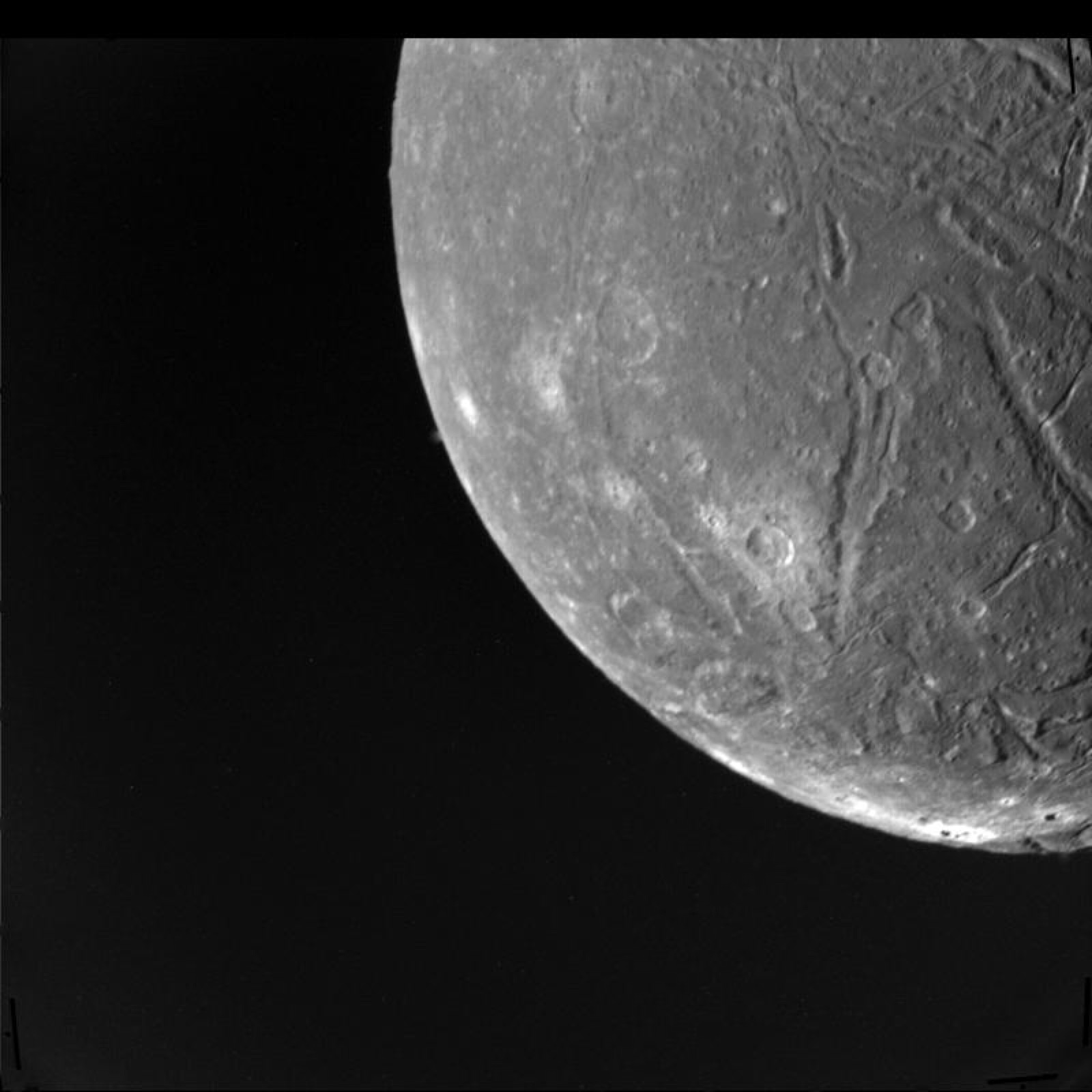 ArielThe brightest and youngest face among Uranus's moons.
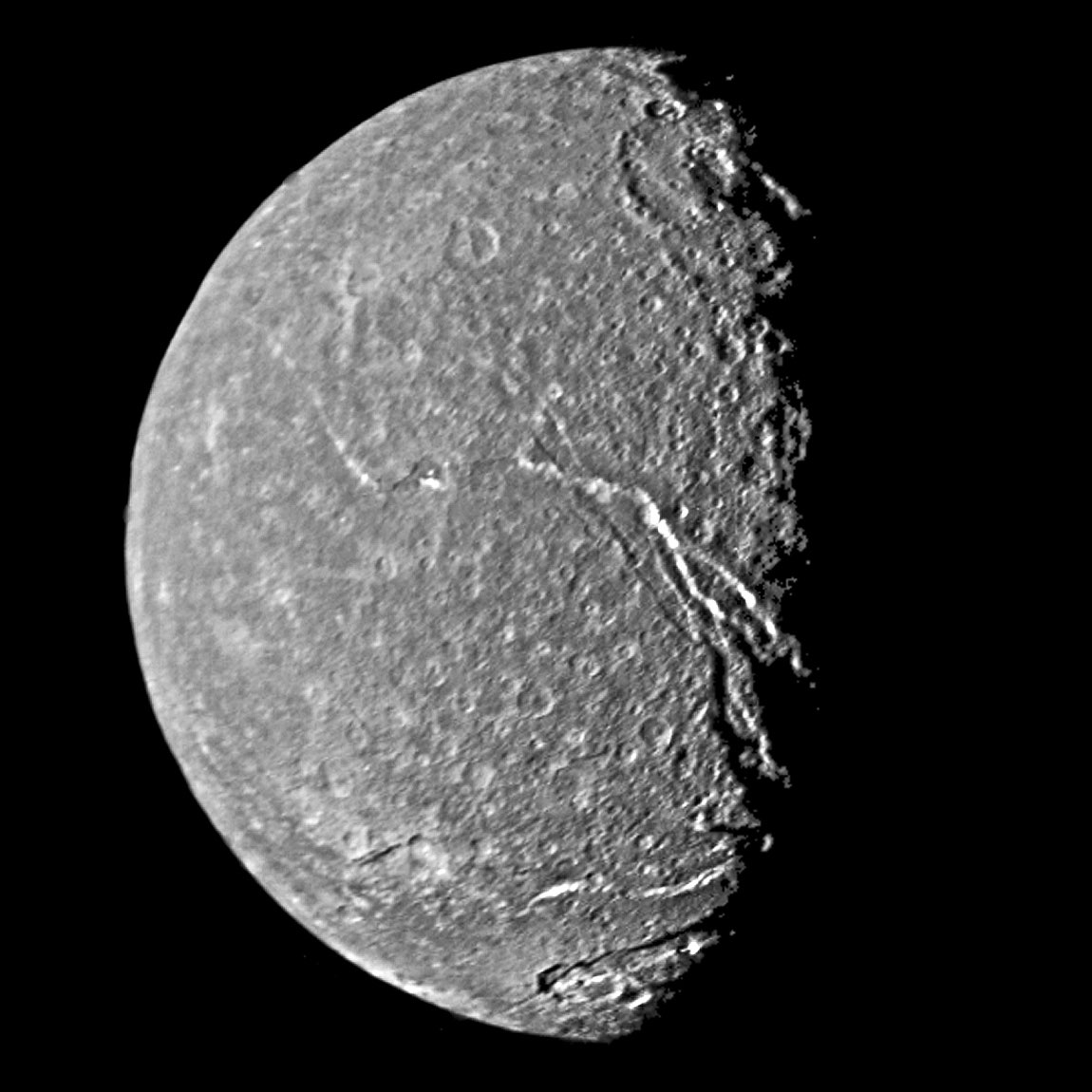 TitaniaUranus's largest moon has canyons, frost, and a possible hidden sea.
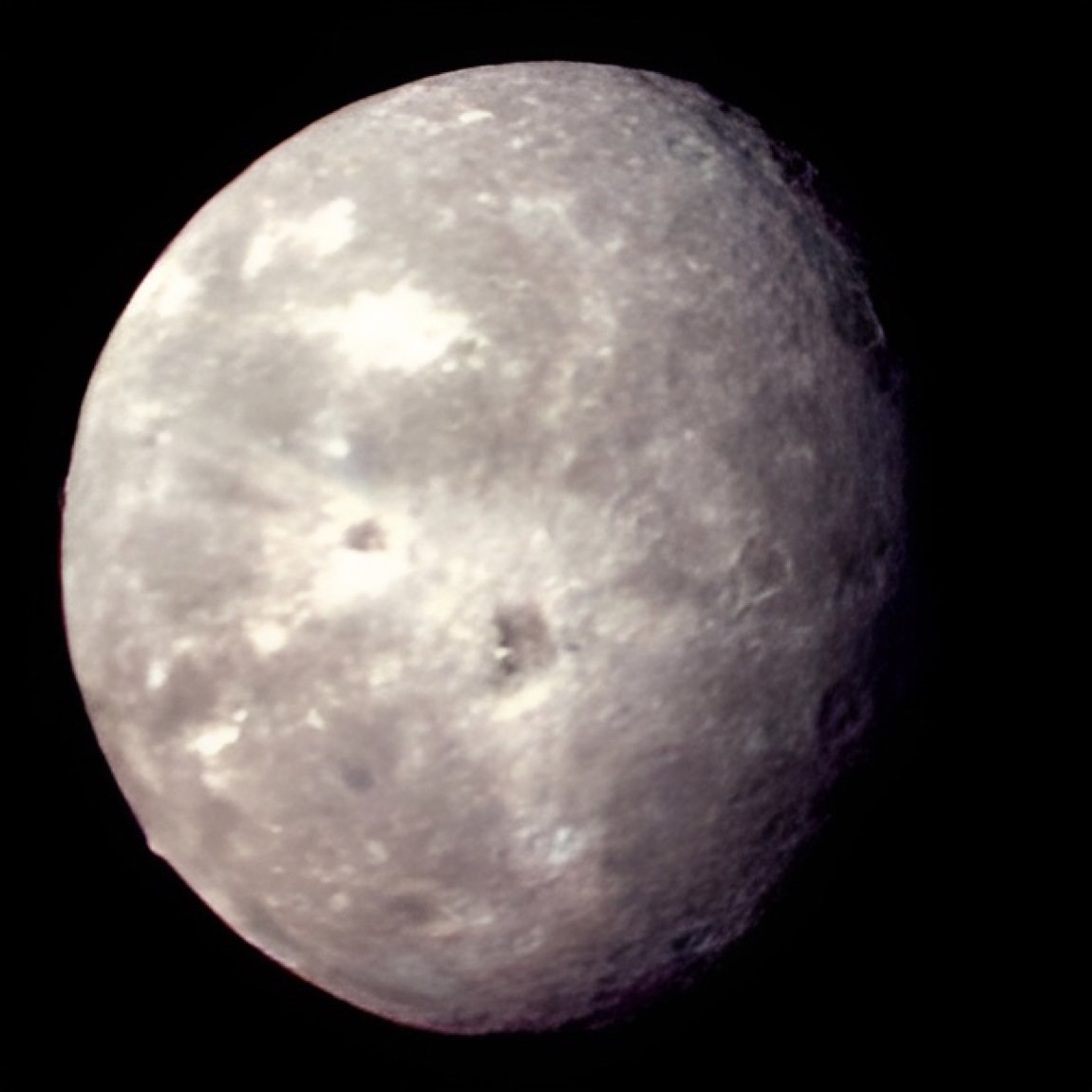 OberonOld, dark, and barely explored, Oberon is the outermost of Uranus's great moons.
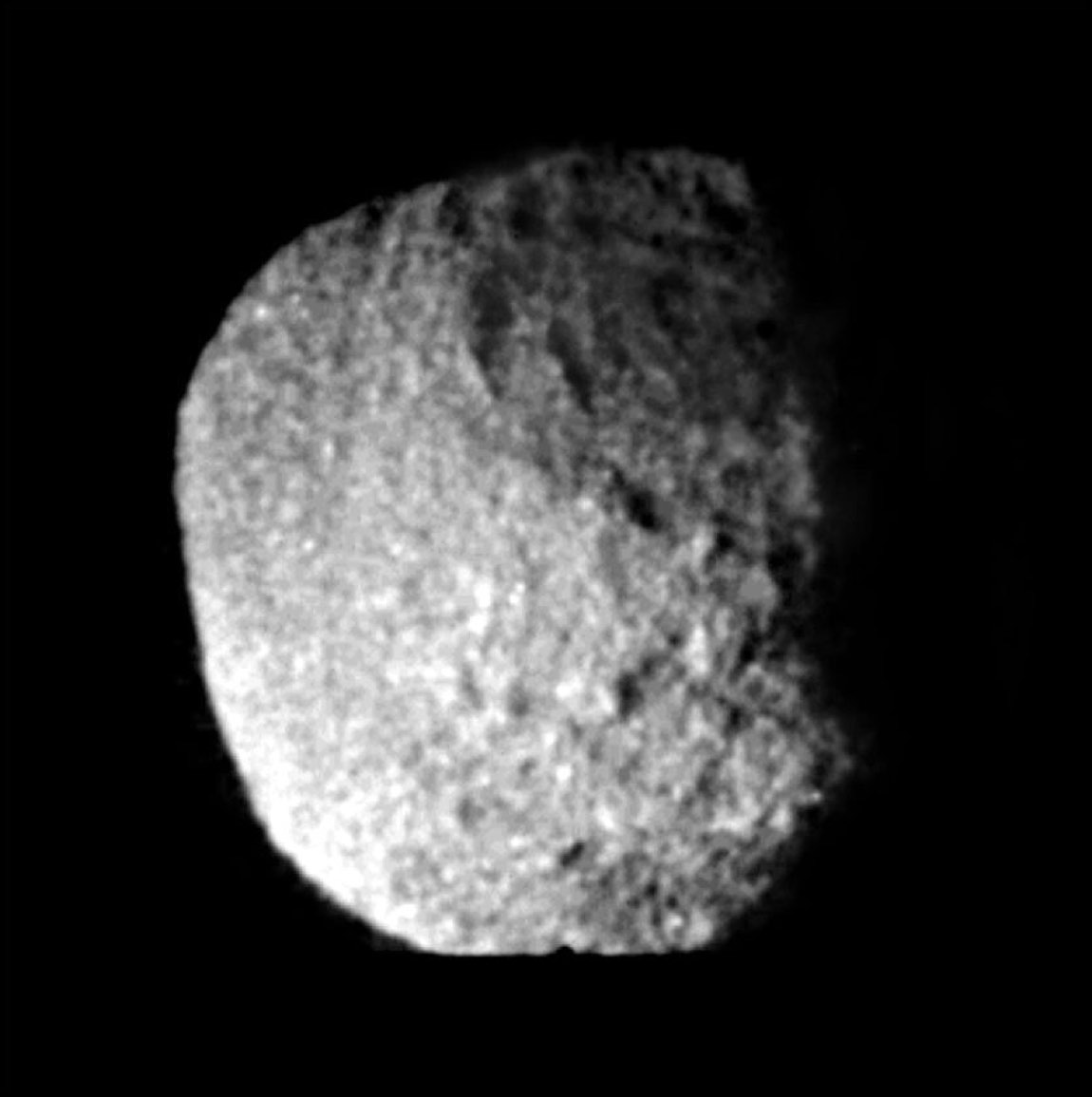 ProteusNeptune's lumpy dark moon, as big as a world can be without turning round.
Dwarf Planets5
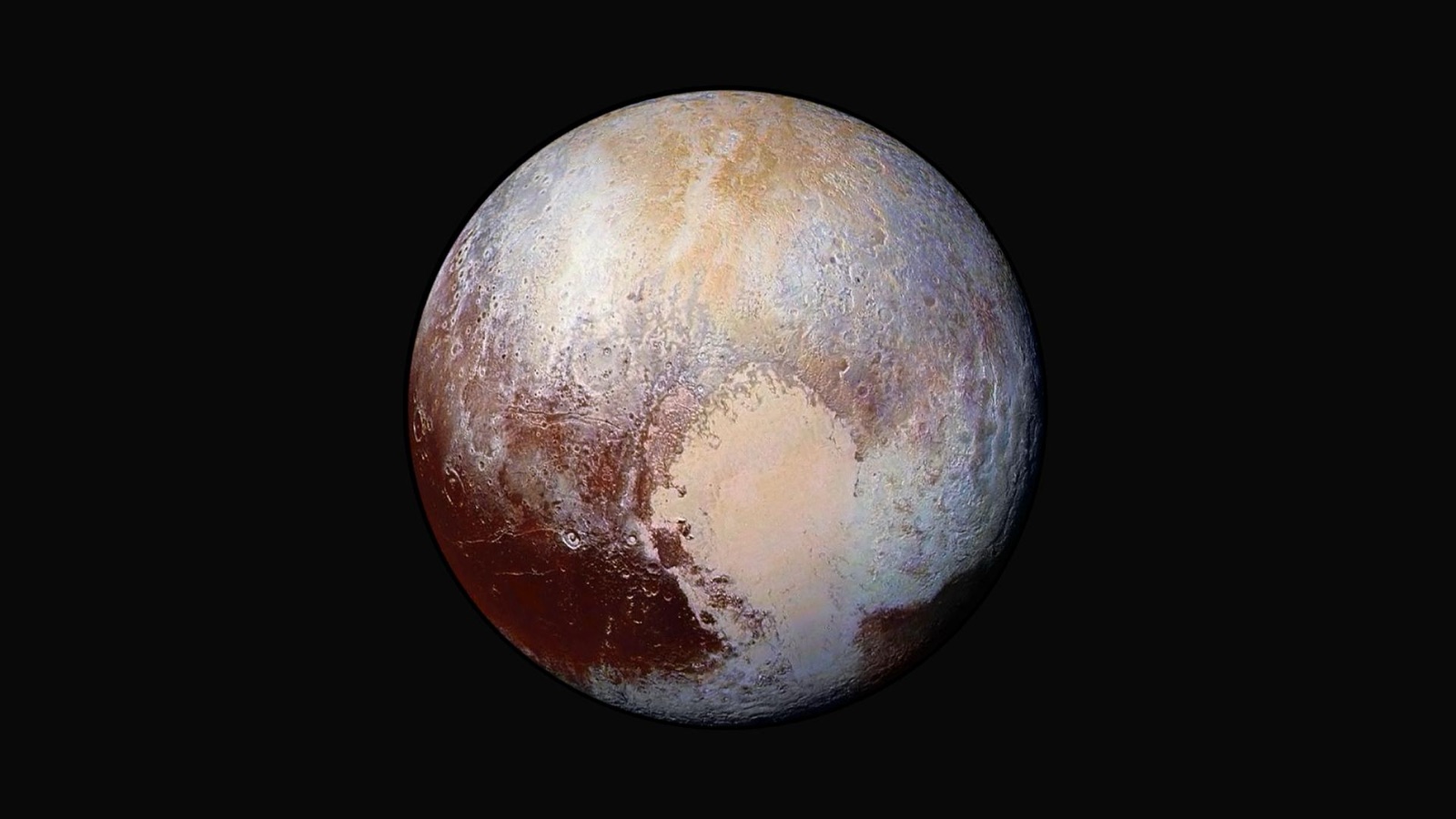 PlutoThe beloved dwarf planet, a tiny frozen world with a giant heart.
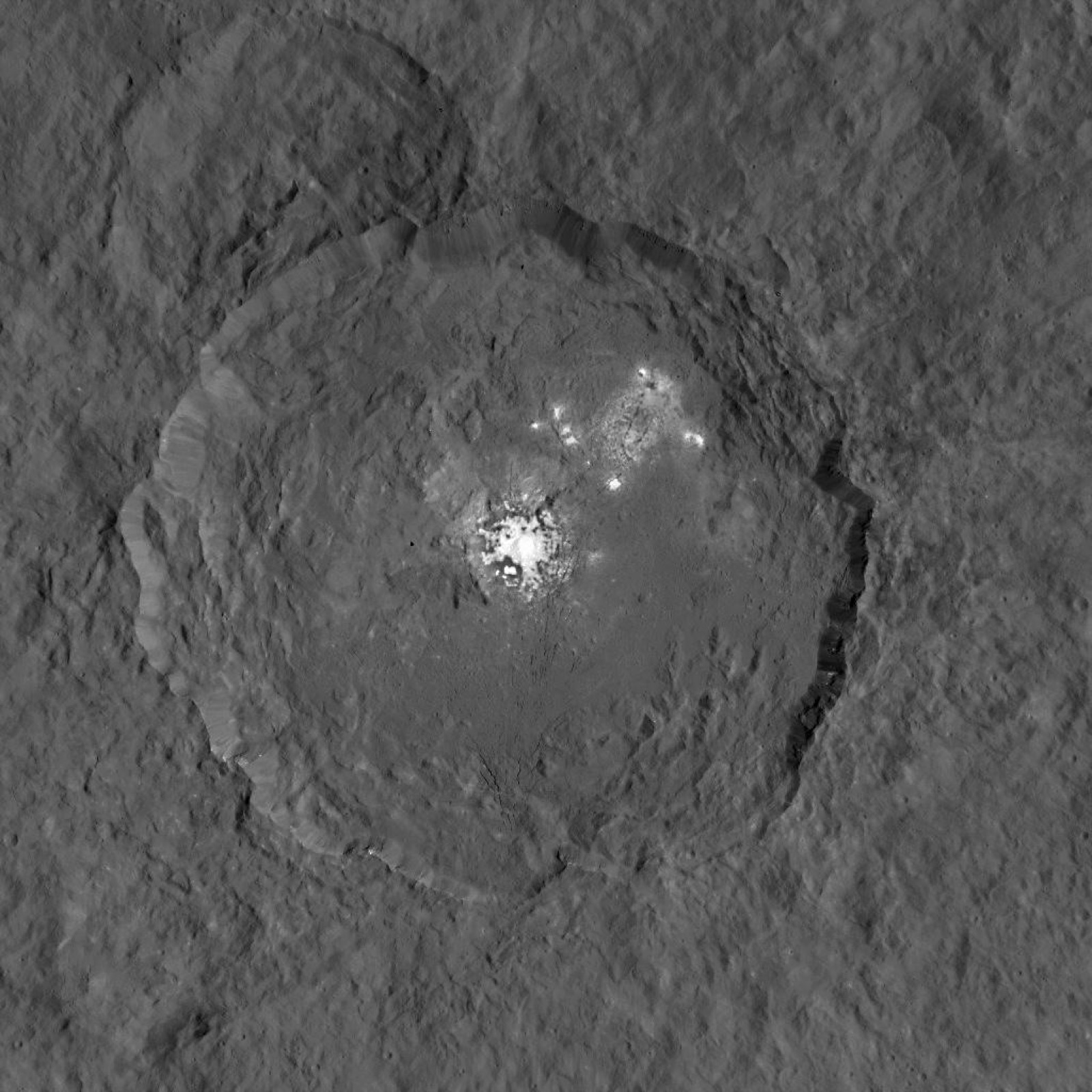 CeresThe largest object in the asteroid belt is a dwarf planet with salty bright spots and…
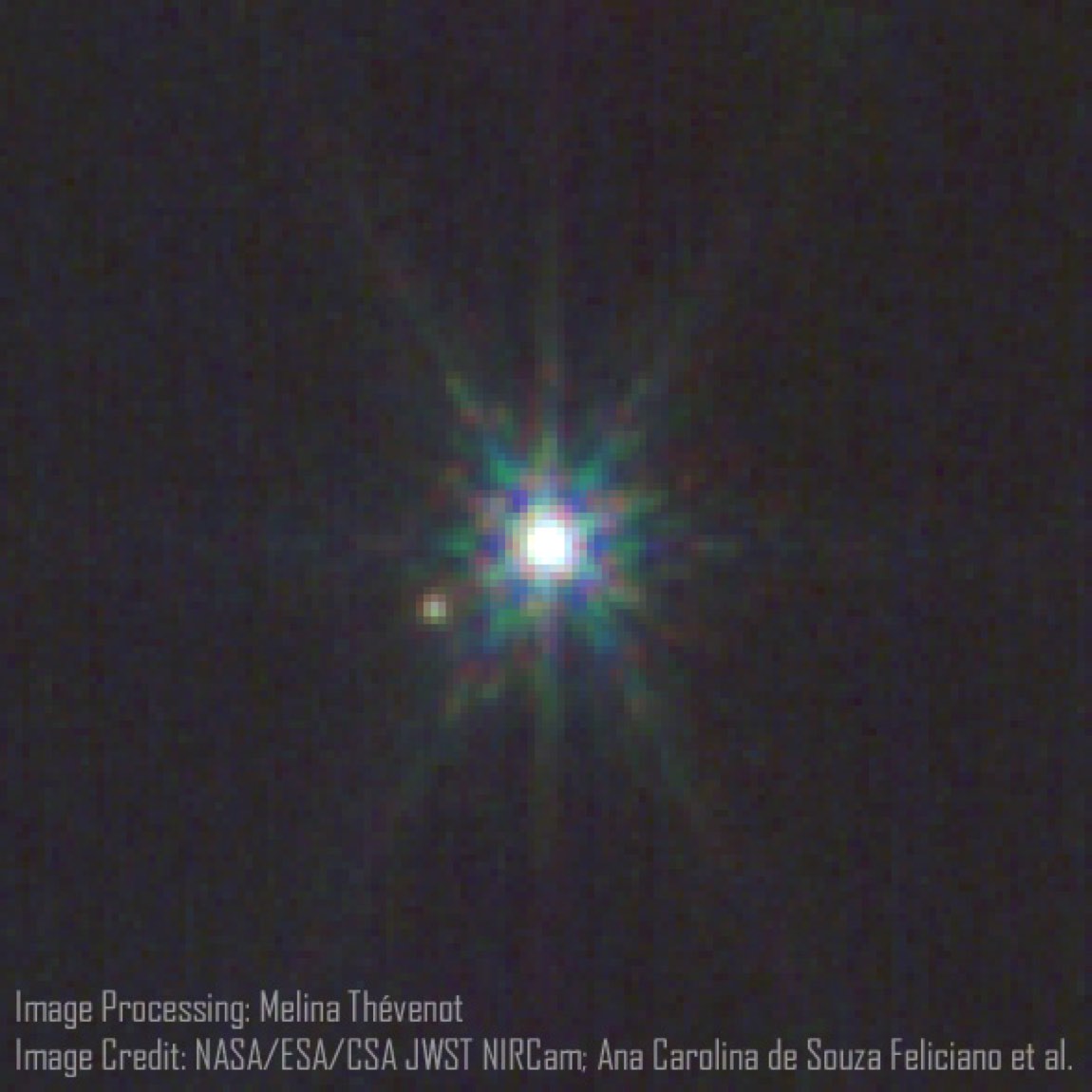 ErisPluto's distant, denser twin, and the world that ended the nine-planet era.
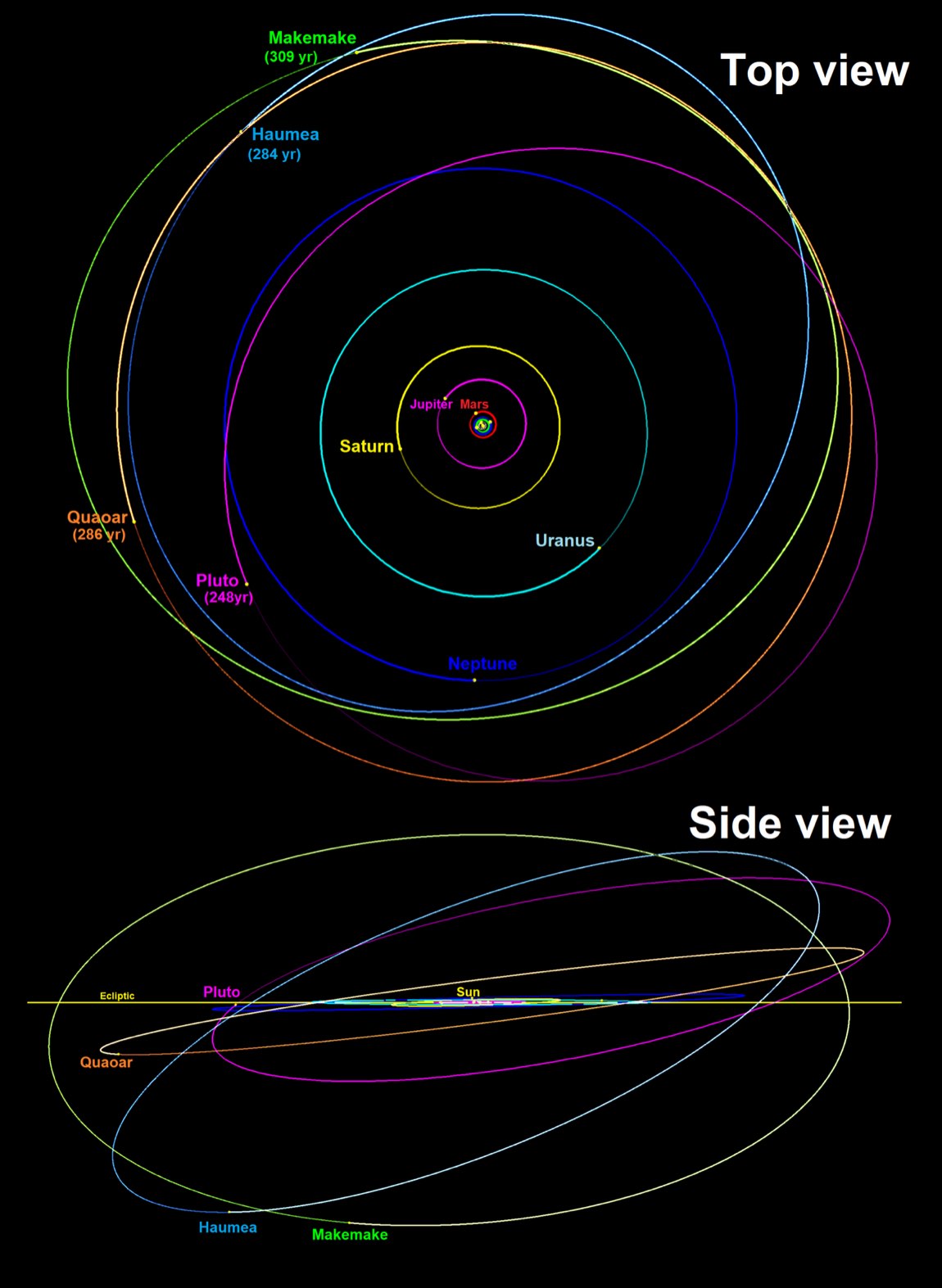 HaumeaThe spinning egg of the Kuiper Belt, complete with its own ring.
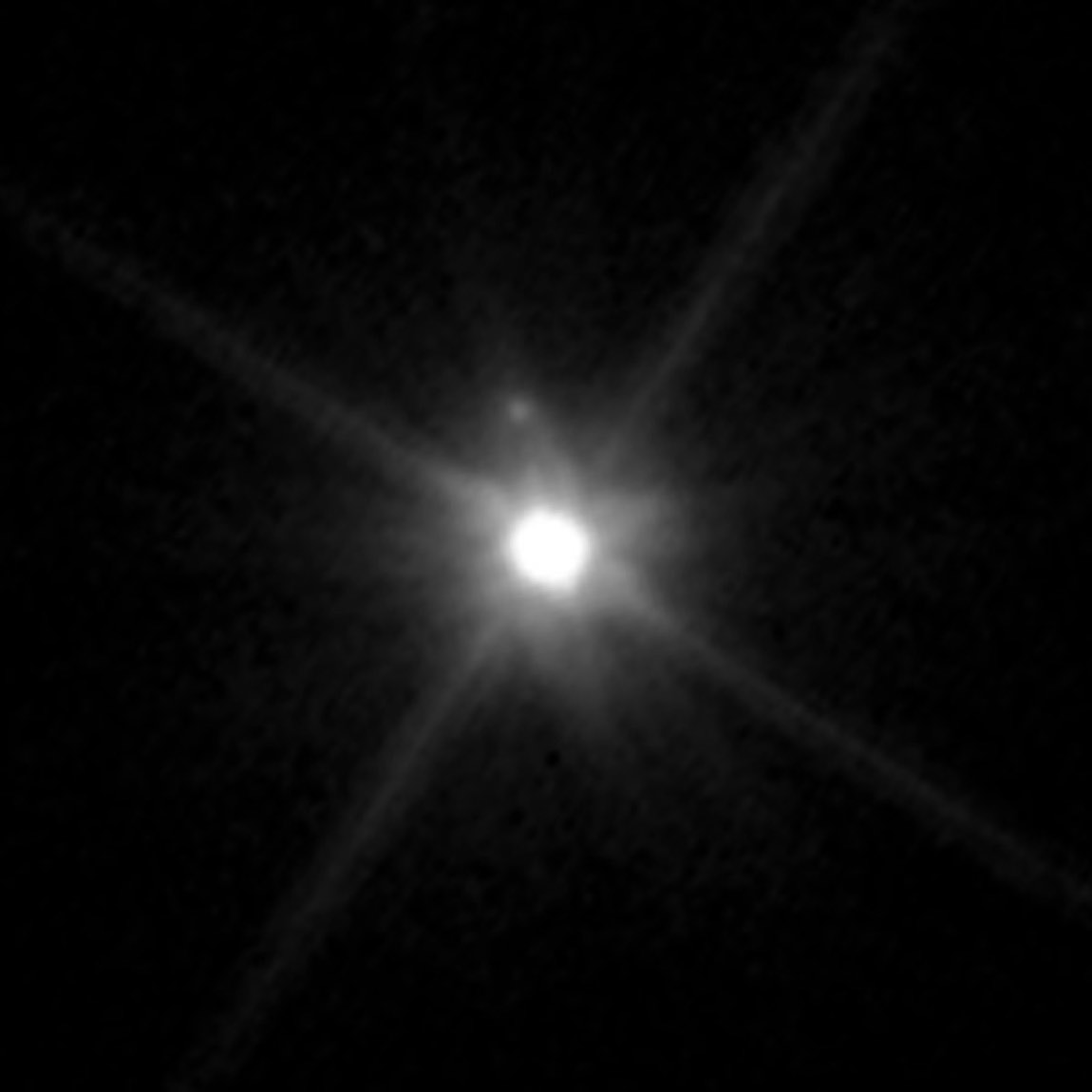 MakemakeThe bright Easter dwarf is a frozen world that refused to have air.
Galaxies15
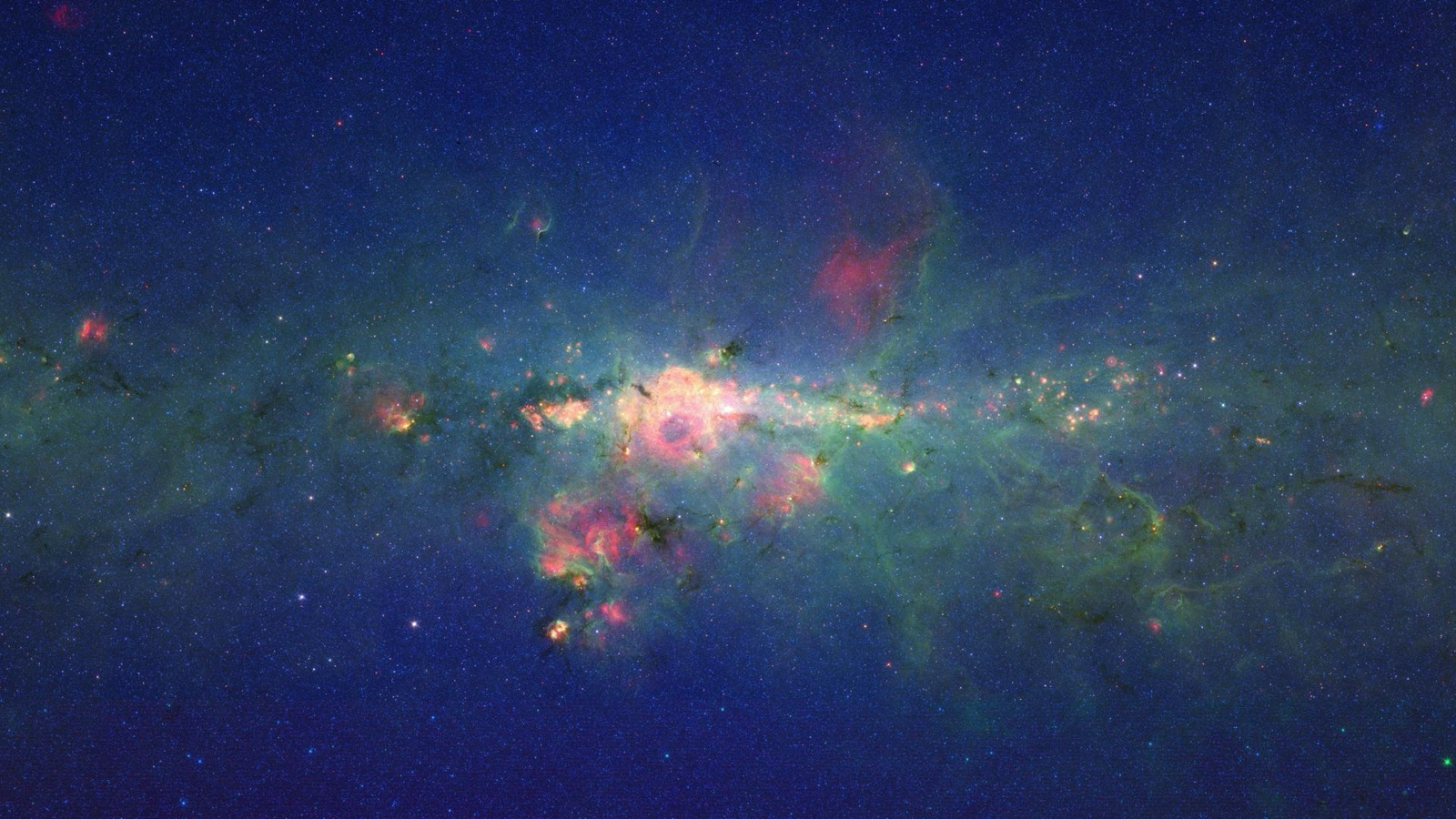 The Milky WayA hundred billion stars, and every human who ever lived, in one spiral: our home galaxy.
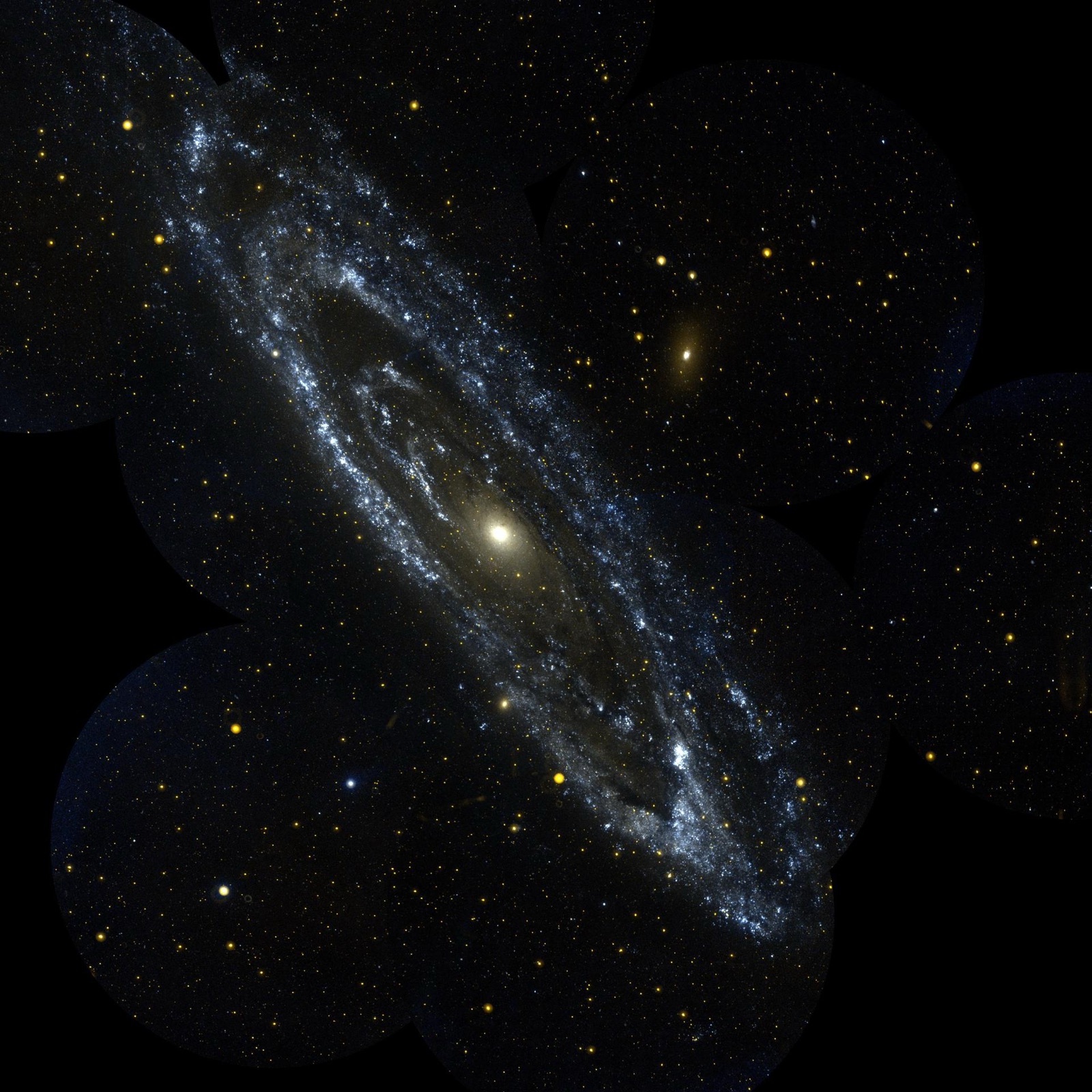 The Andromeda GalaxyThe most distant thing you can see with your naked eye is our giant neighbor.
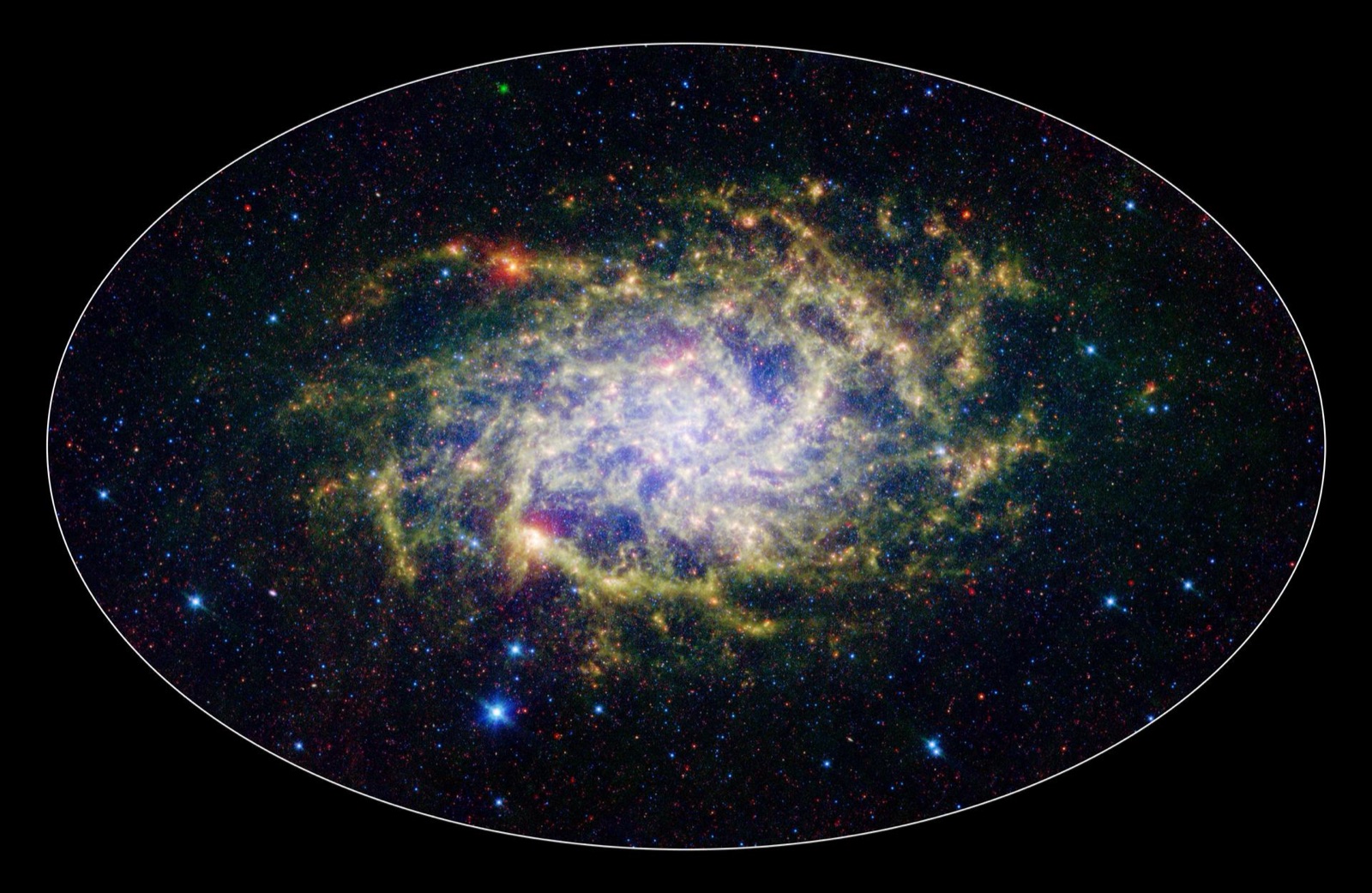 The Triangulum GalaxyThe Local Group's third spiral. Seen face-on, it is a pinwheel bursting with newborn…
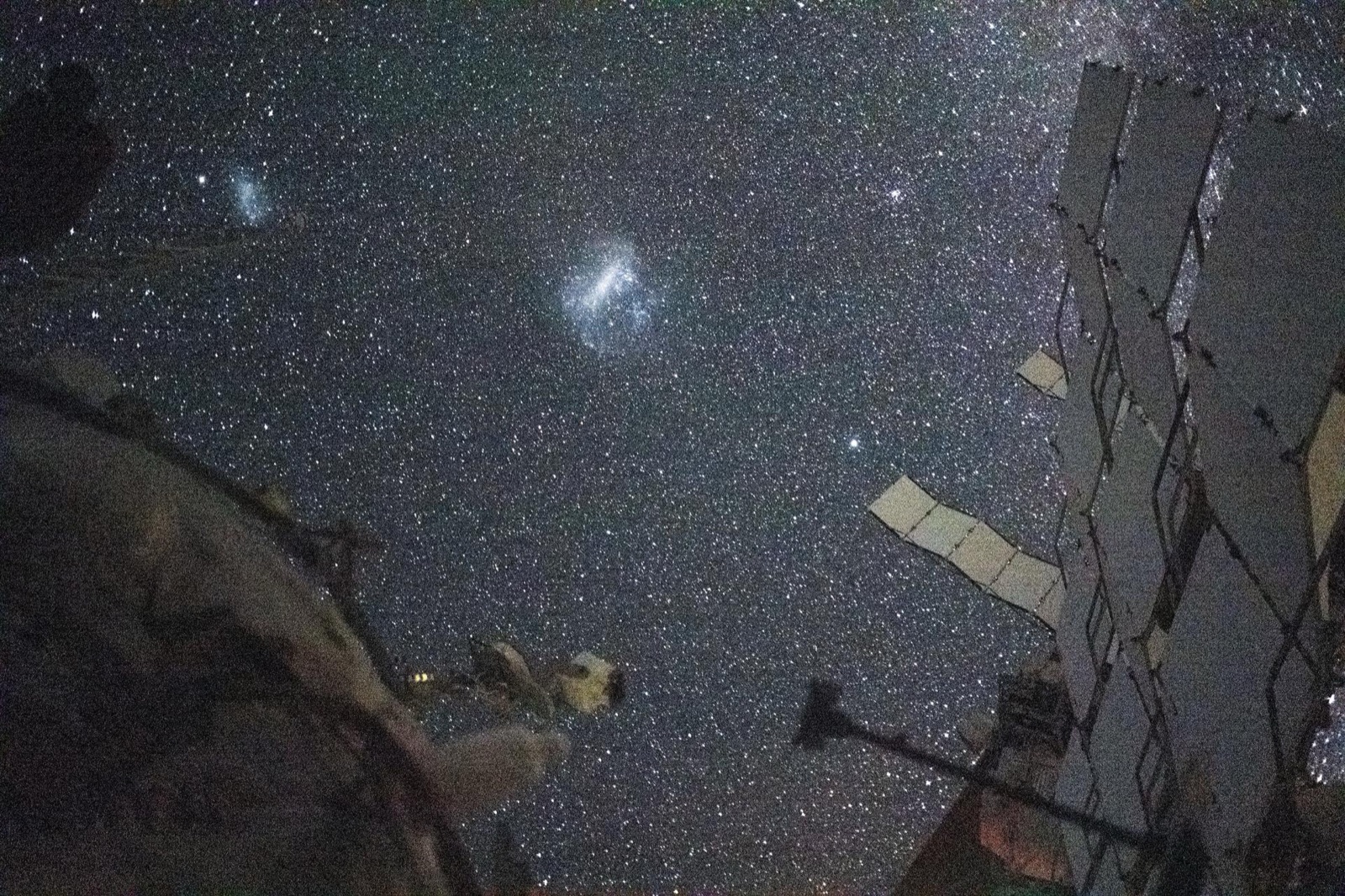 Large Magellanic CloudThe Milky Way's brightest companion is a southern-sky galaxy you can see like a detached…
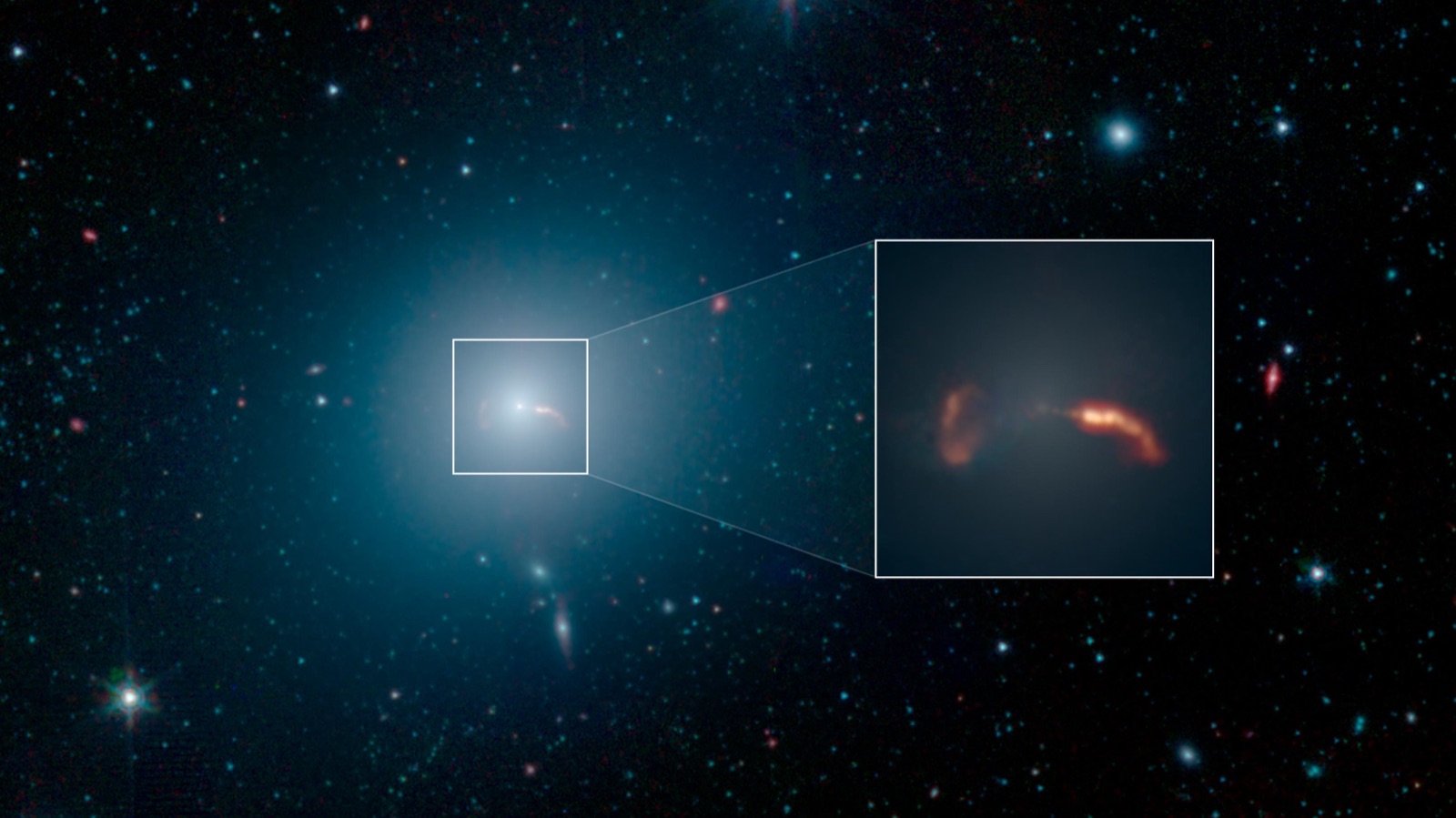 Messier 87A giant elliptical galaxy with the first black hole humanity ever photographed.
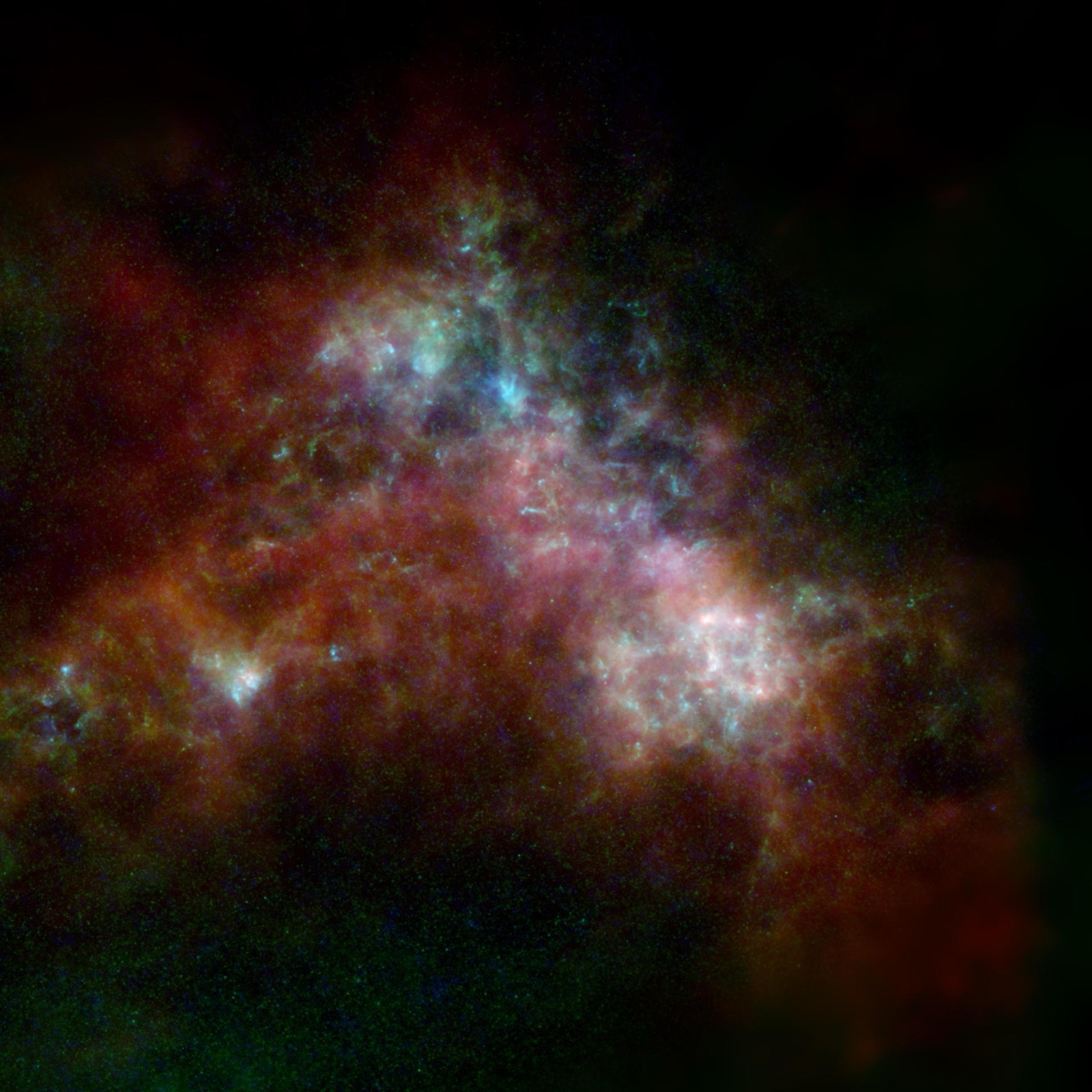 Small Magellanic CloudThe Milky Way's second cloud. This galaxy is being pulled apart before our eyes.
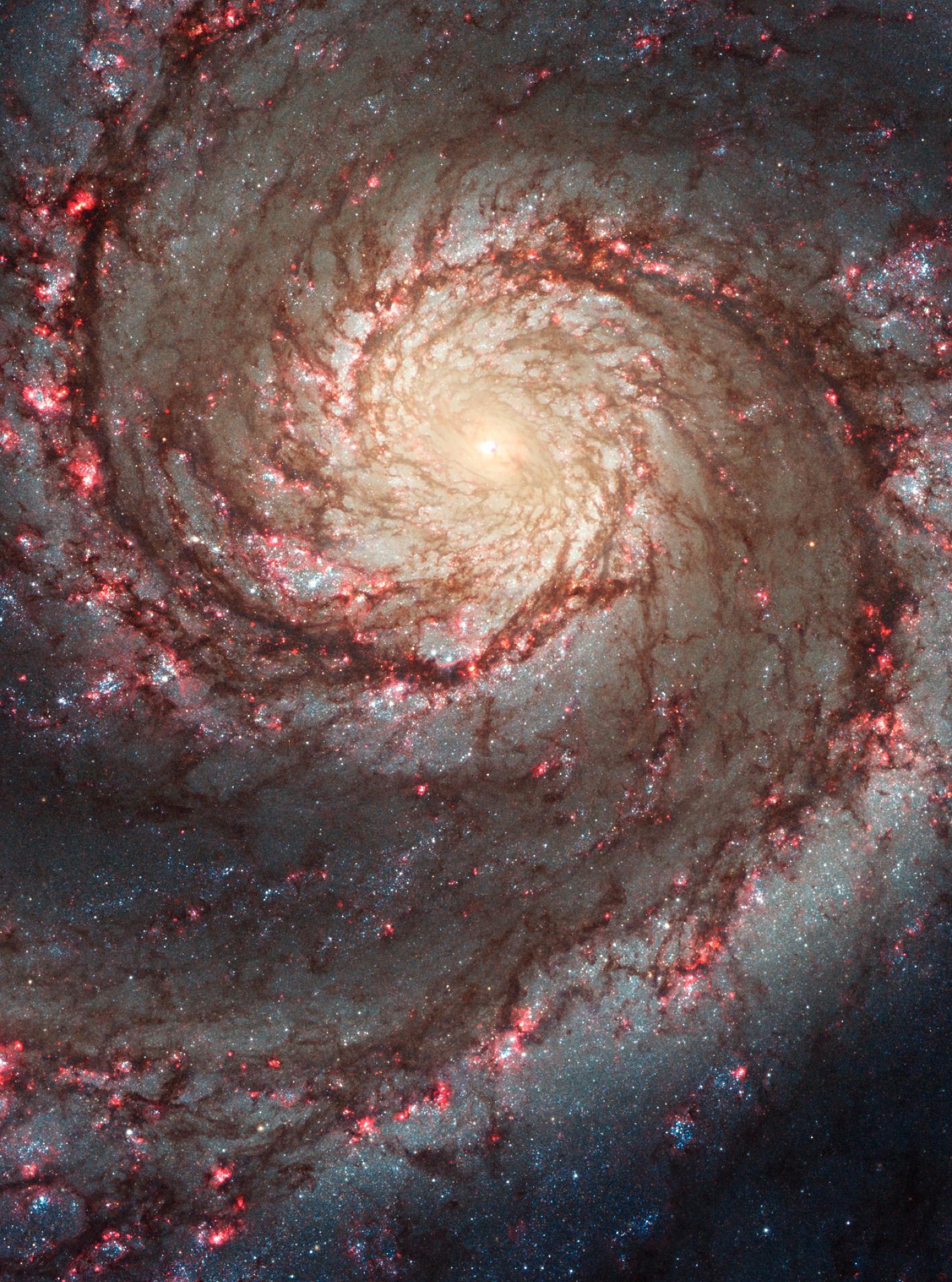 The Whirlpool GalaxyThe first spiral humanity ever saw, caught mid-embrace with a smaller galaxy.
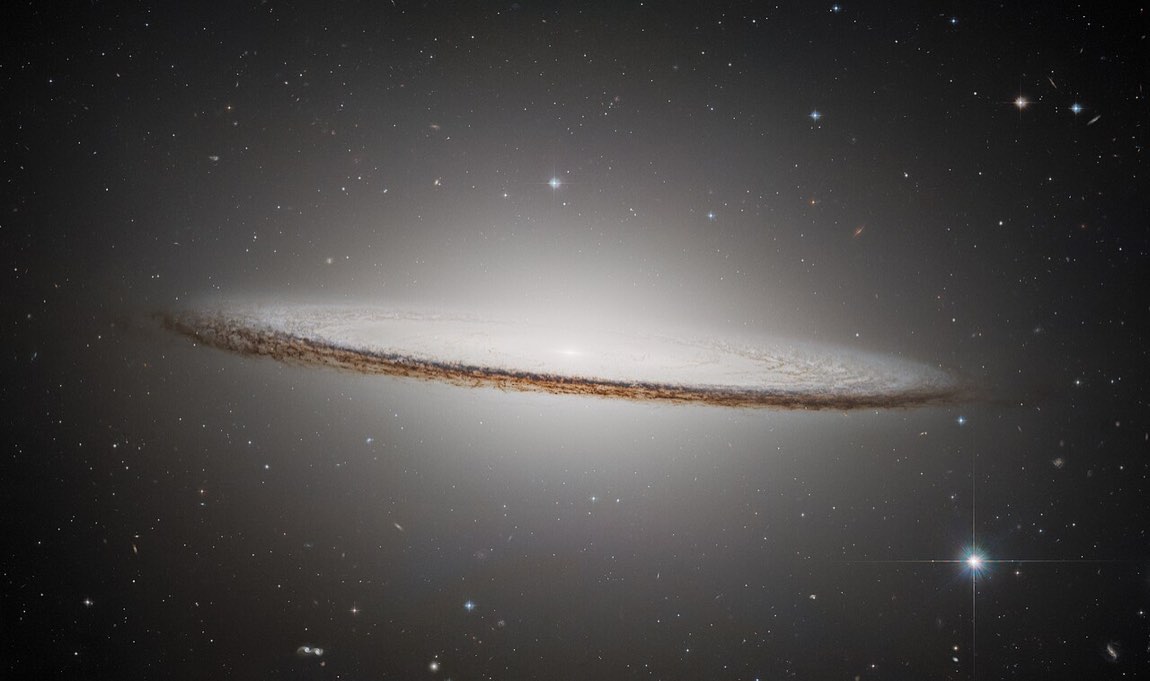 The Sombrero GalaxyA luminous hat brim in Virgo: bulge, dust lane, and a billion-sun black hole.
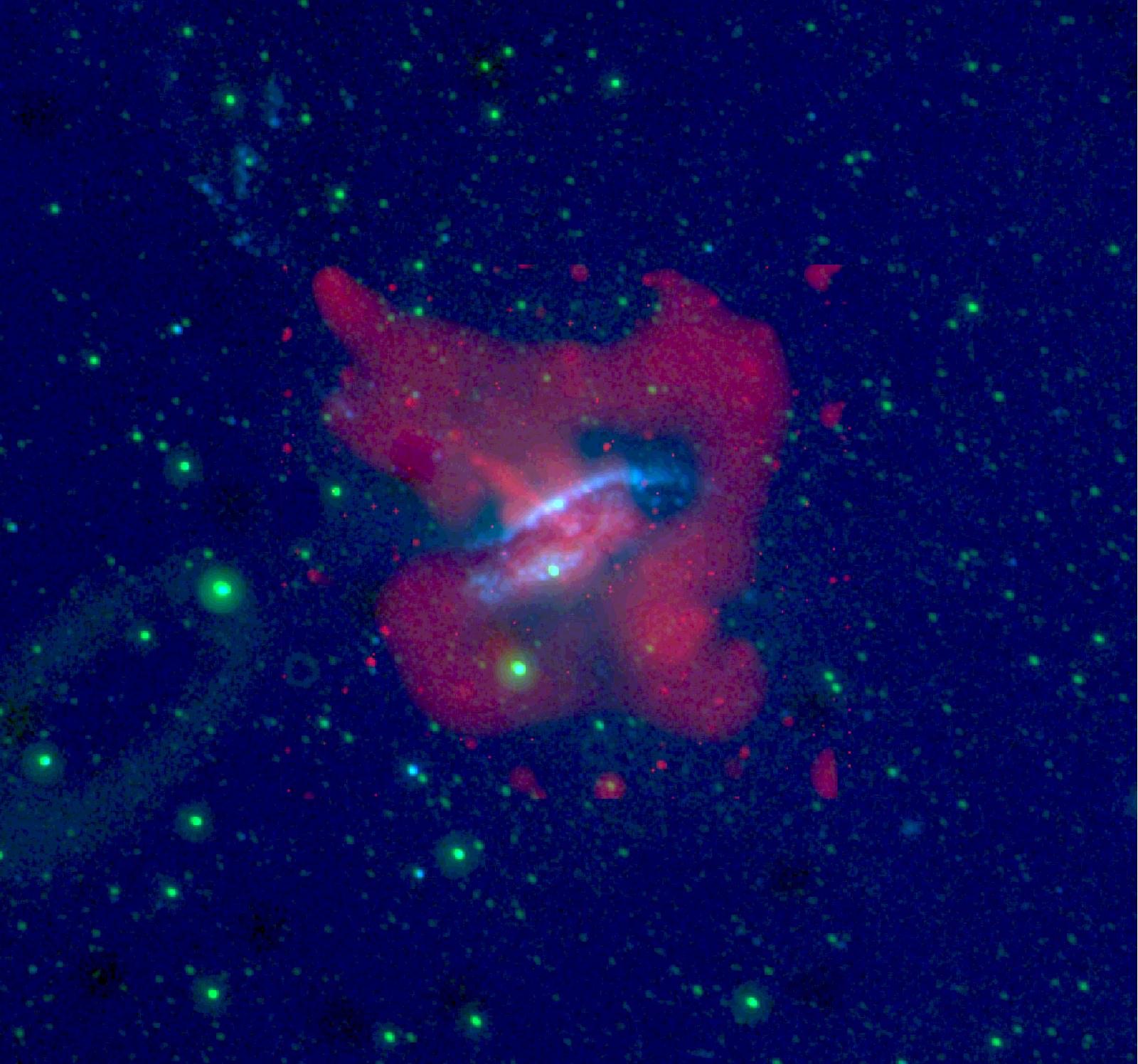 Centaurus AThe nearest feeding giant is a galaxy wearing its last meal.
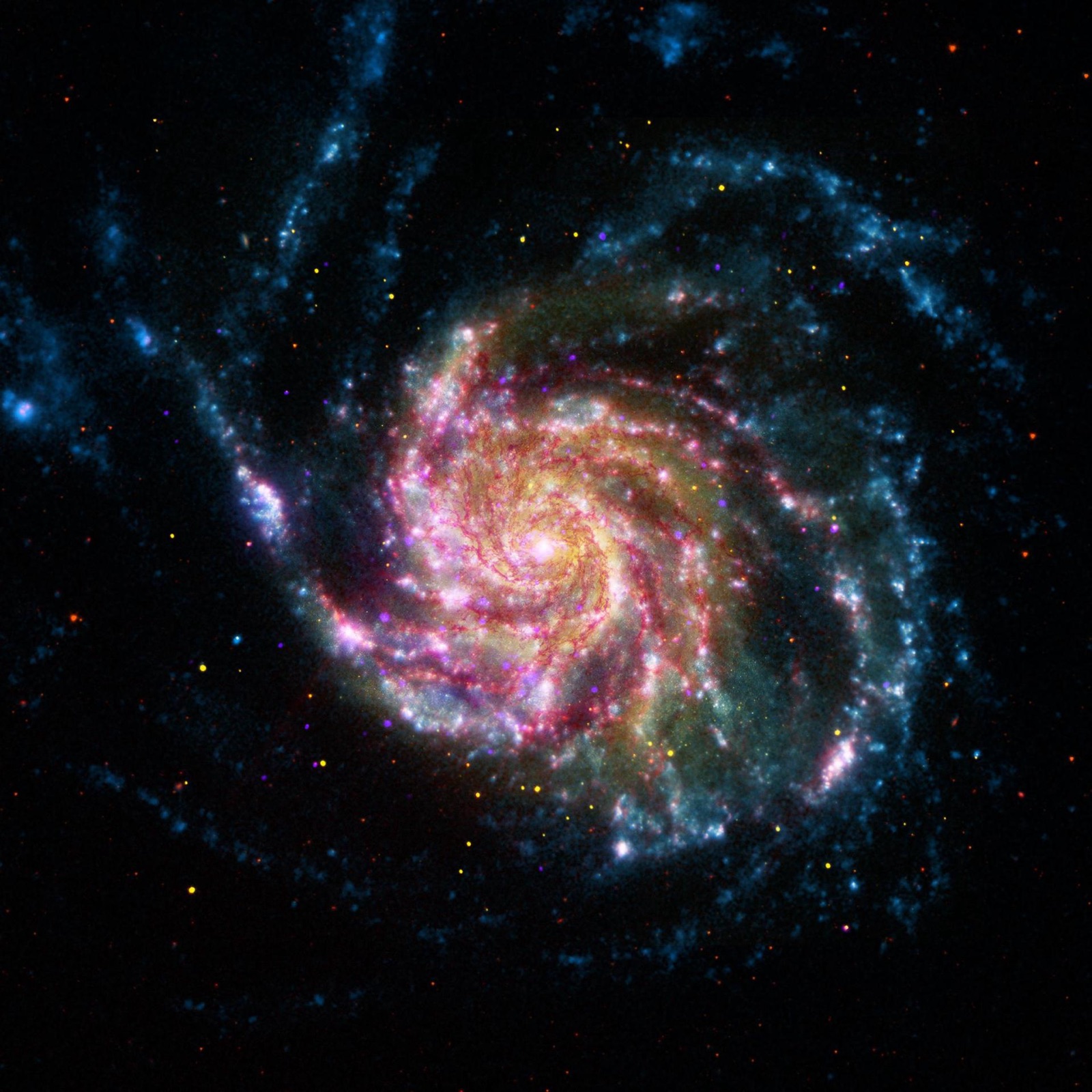 The Pinwheel GalaxyBigger than the Milky Way and lit by stellar nurseries, this giant spiral is seen face-on.
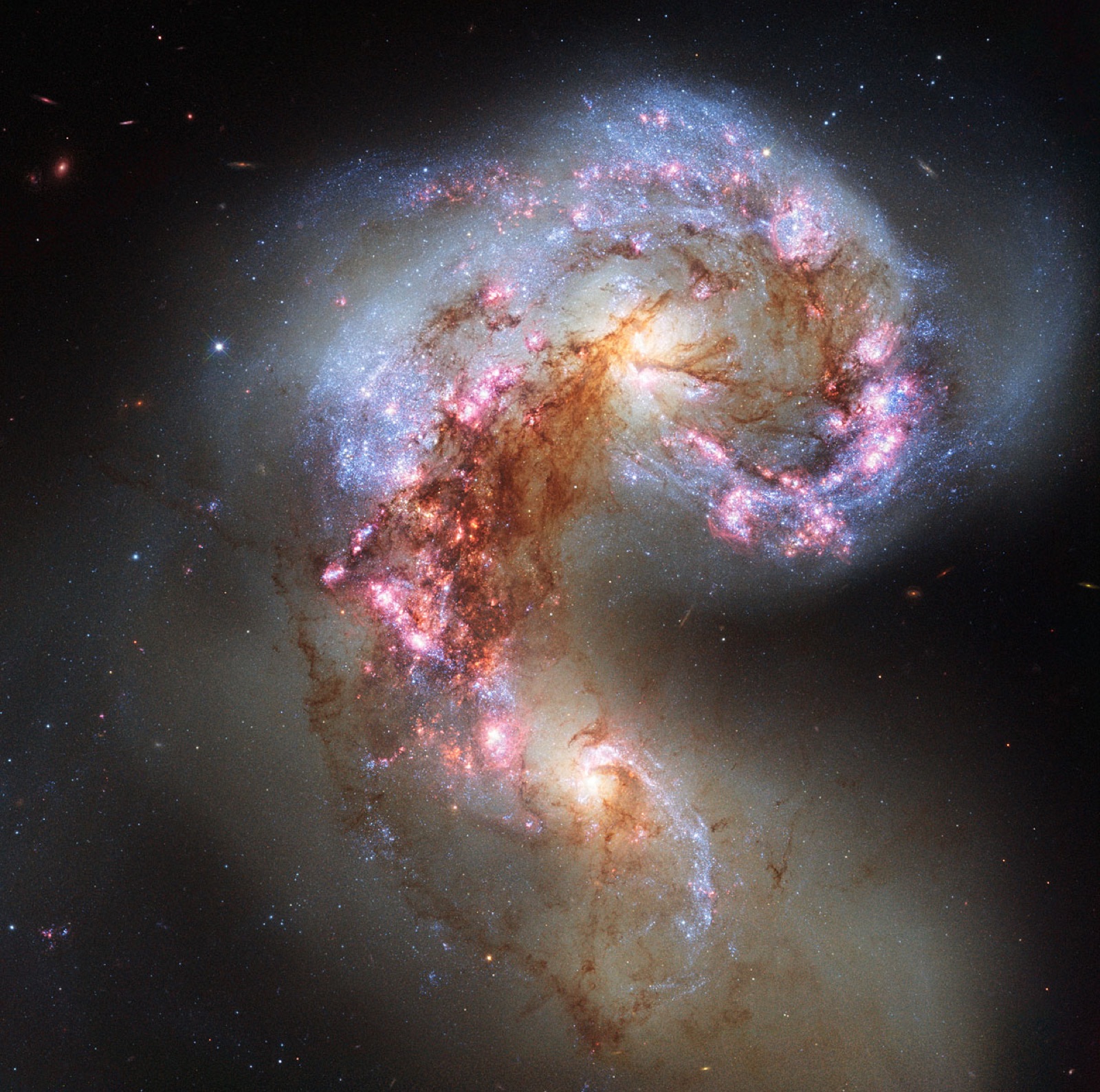 The Antennae GalaxiesTwo galaxies mid-collision. The Milky Way's own future looks like this.
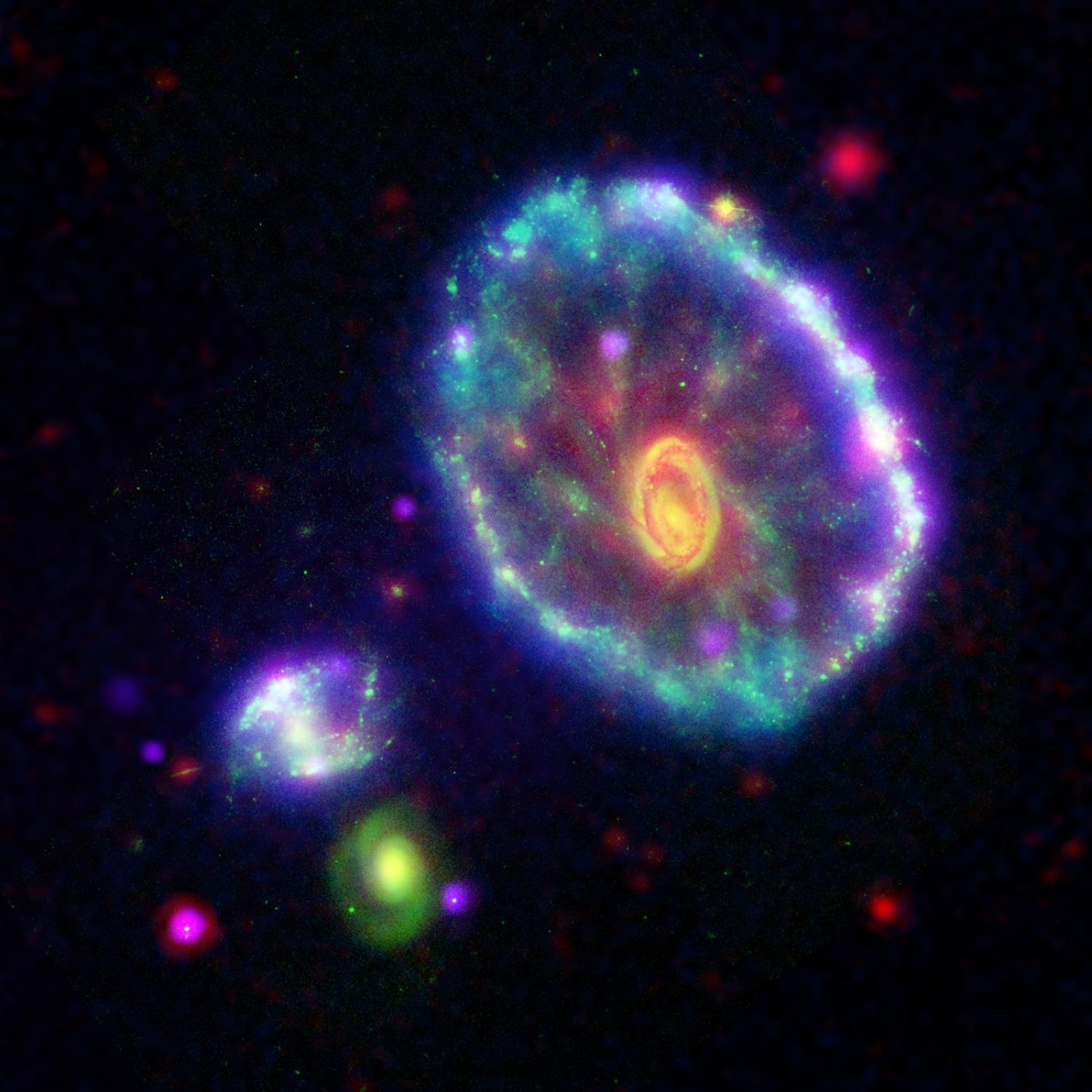 The Cartwheel GalaxyThis cosmic bullseye is the wreckage of a galaxy shot through the heart.
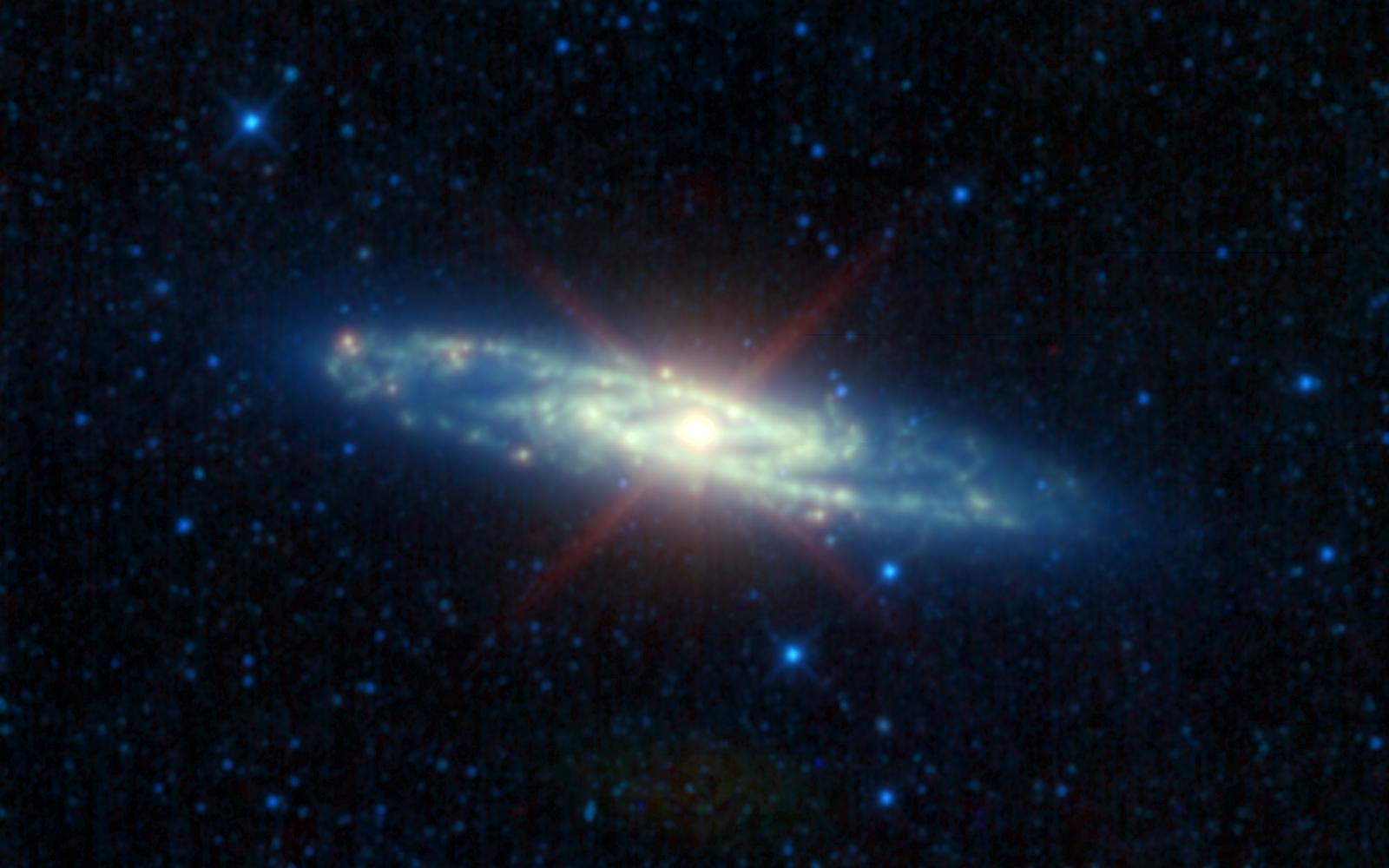 The Sculptor GalaxyThe nearest galaxy caught in a furious burst of star birth, known as the Silver Coin.
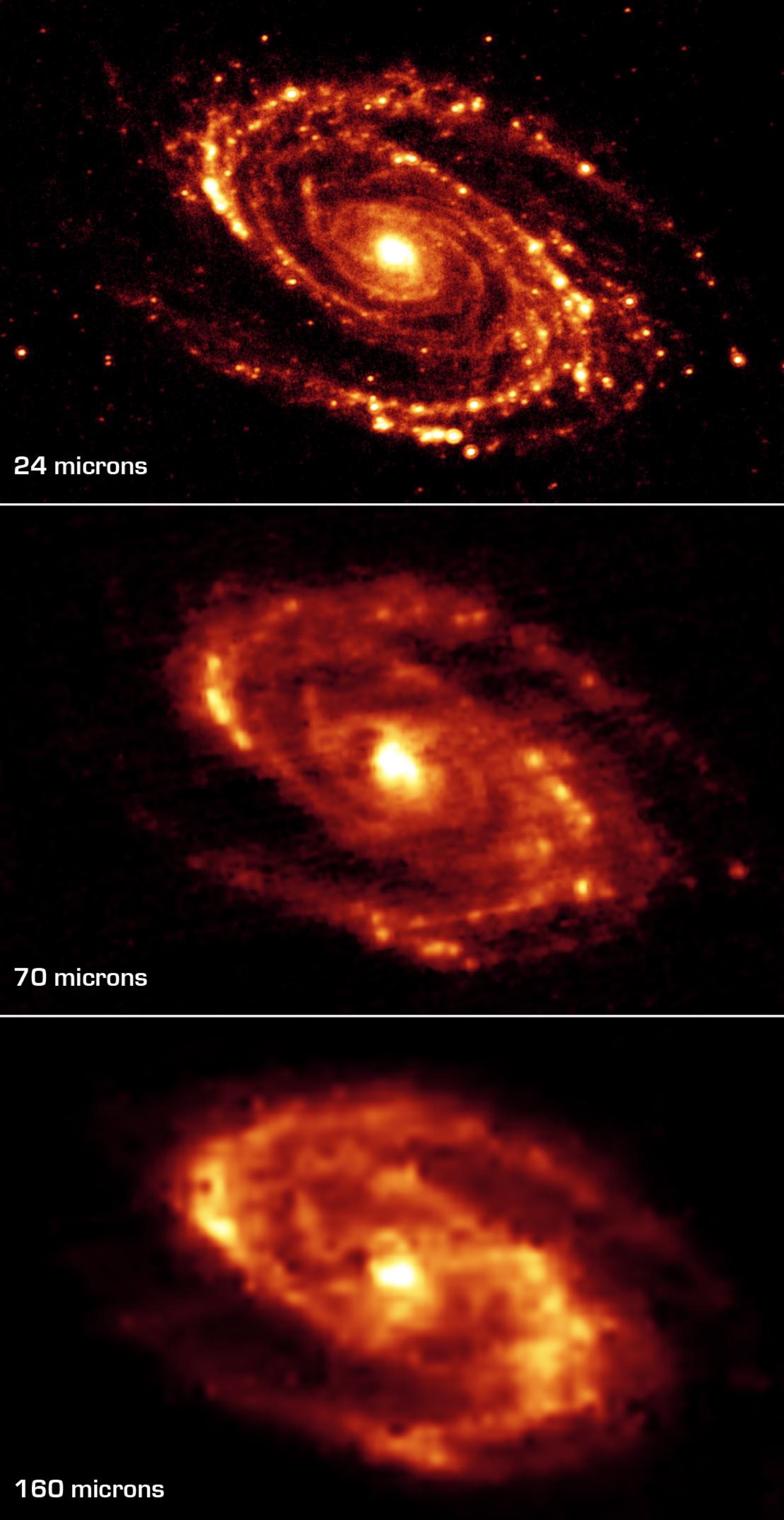 Bode's GalaxyA textbook spiral locked in a gravitational duel with its cigar-shaped neighbor.
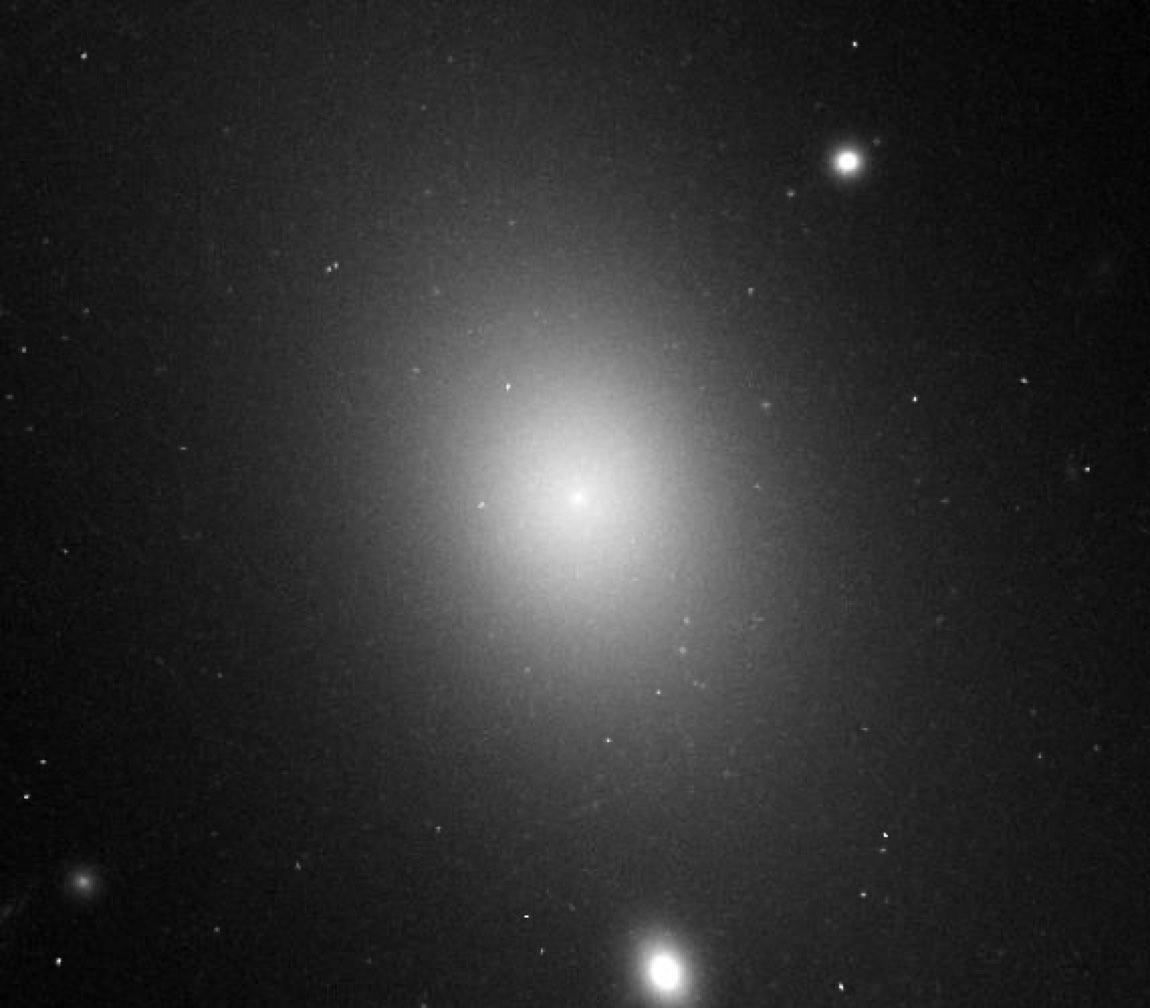 IC 1101One of the largest galaxies known, this giant grew fat on a billion years of mergers.
Black Holes8
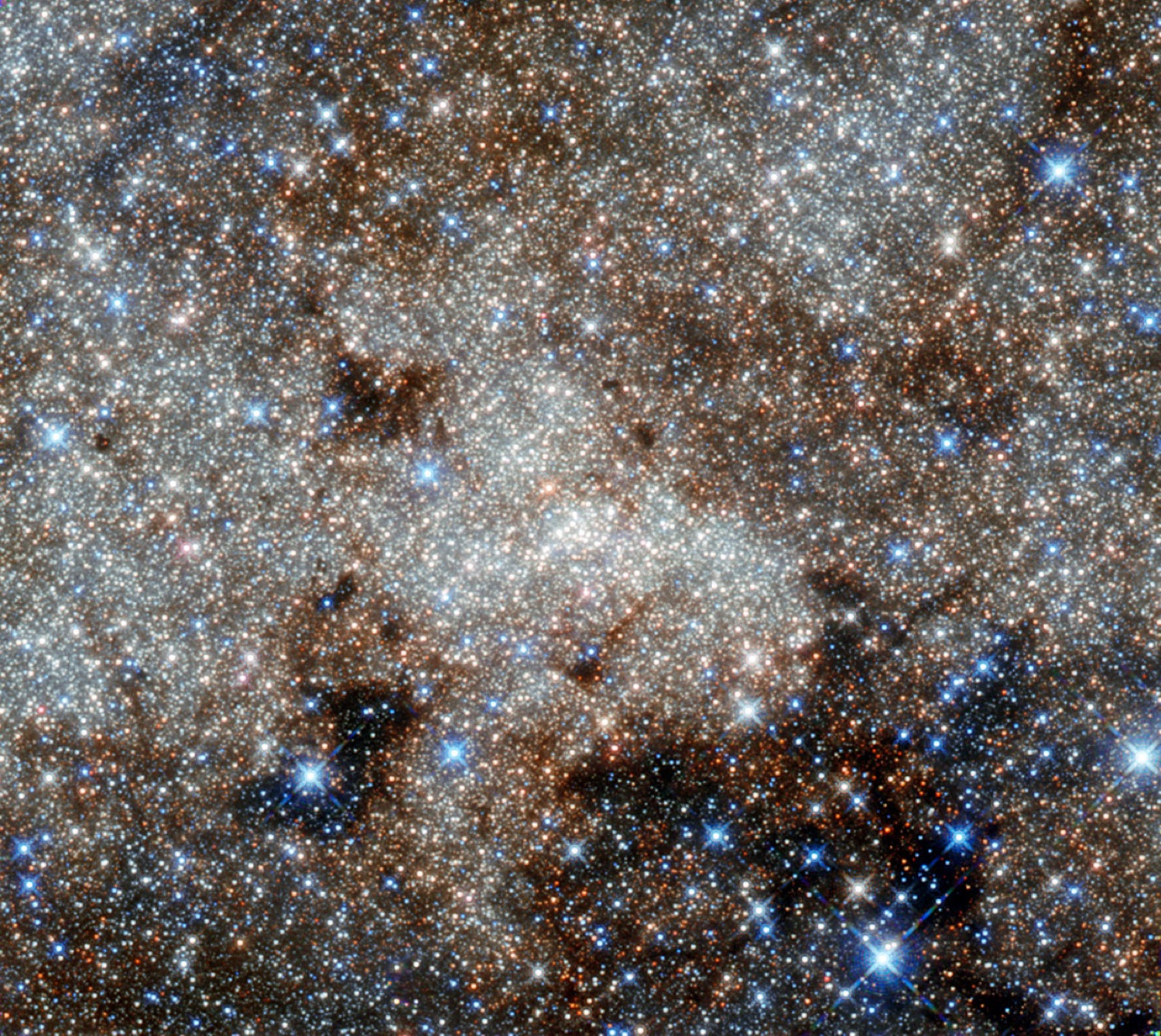 Sagittarius A*At the center of our galaxy sits a supermassive black hole: 4.3 million Suns in silence.
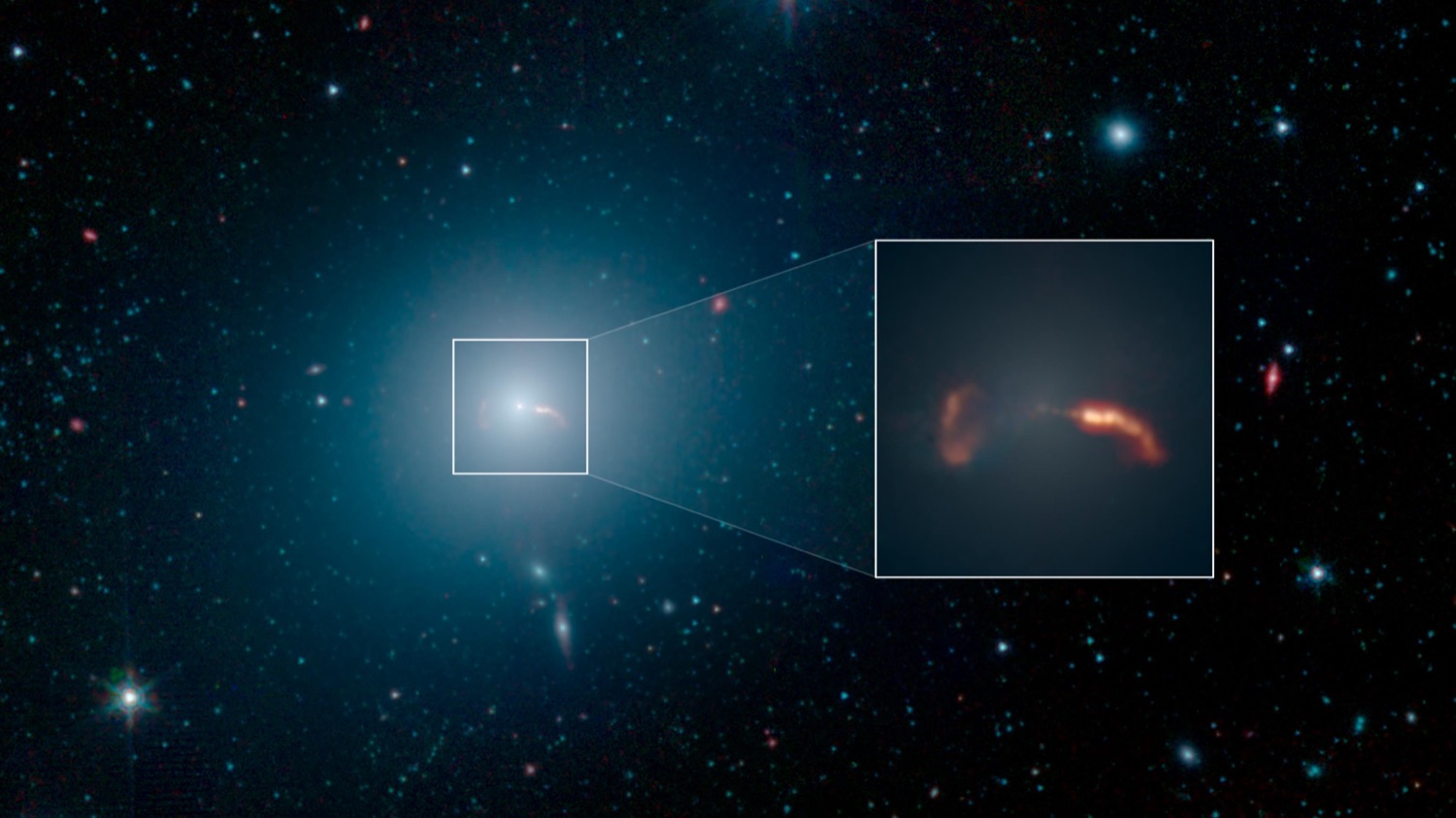 M87*The first black hole ever photographed is 6.5 billion Suns wearing a ring of fire.
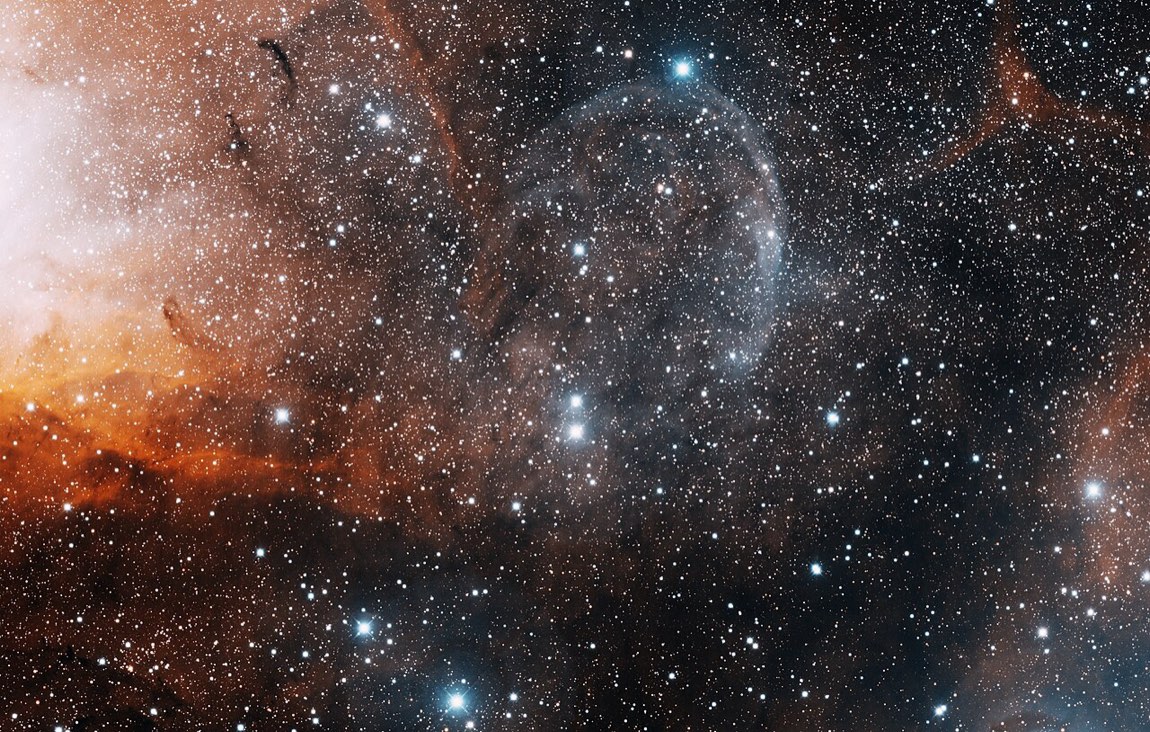 Cygnus X-1A dying star's corpse stealing gas from its companion was the first black hole ever found.
 TON 618A quasar powered by one of the heaviest black holes ever weighed.
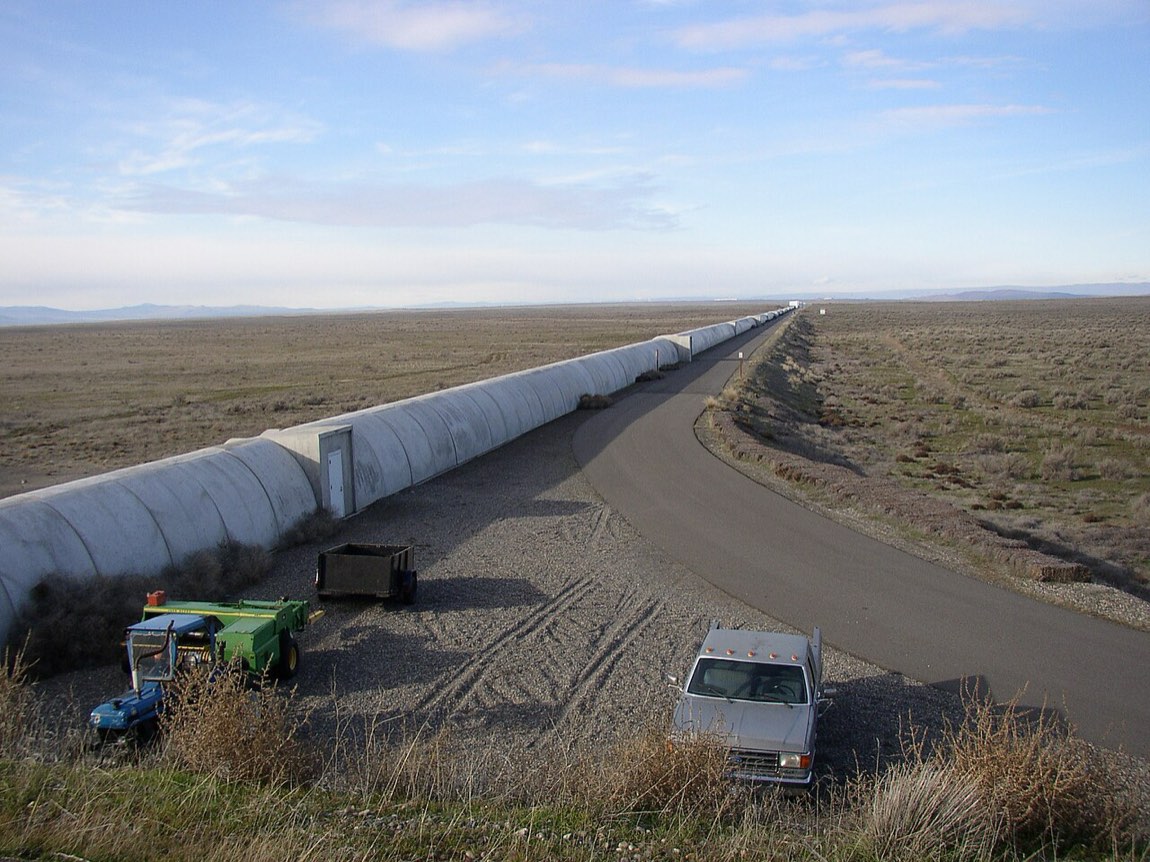 GW150914The first gravitational-wave detection: two black holes heard colliding.
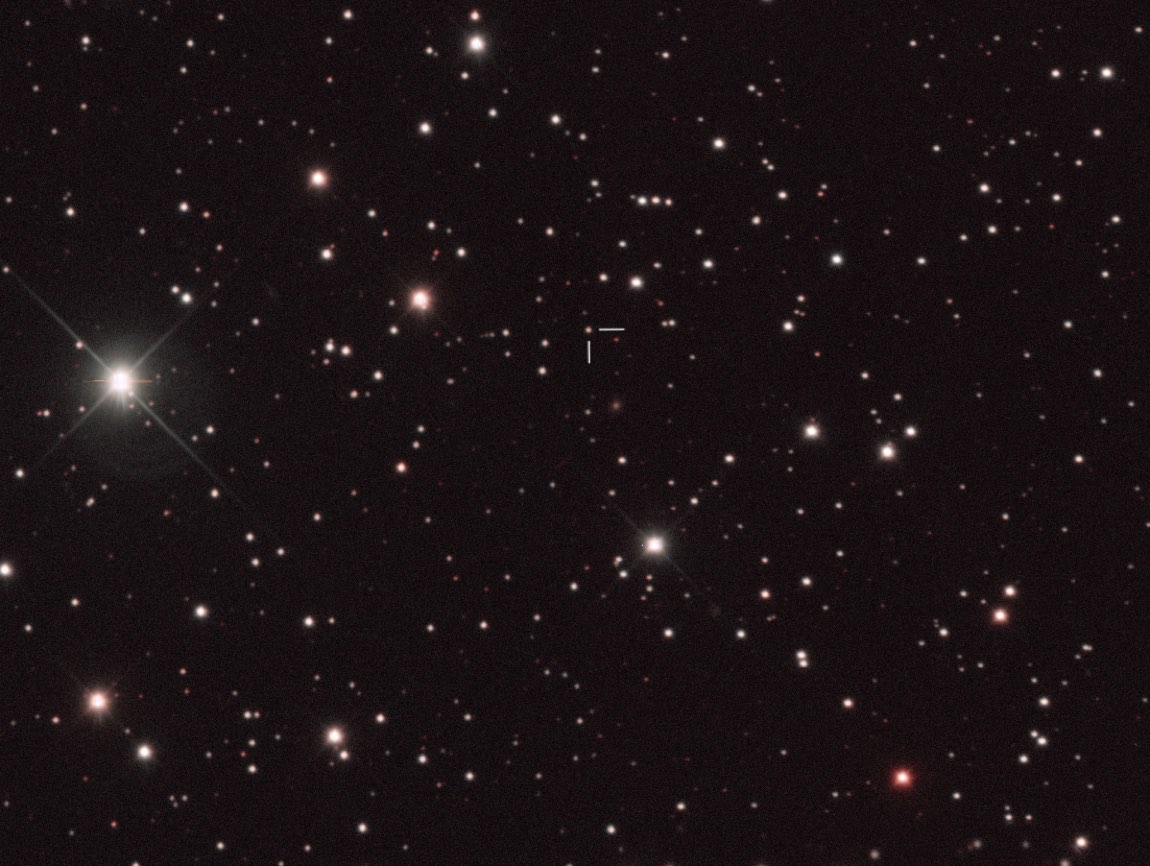 A0620-00 (V616 Mon)A quiet monster with a captive star, and for decades the nearest known black hole.
Gaia BH1The nearest known black hole was found not by light, but by a wobbling star.
A0620-00 (V616 Mon)A quiet monster with a captive star, and for decades the nearest known black hole.
Gaia BH1The nearest known black hole was found not by light, but by a wobbling star.
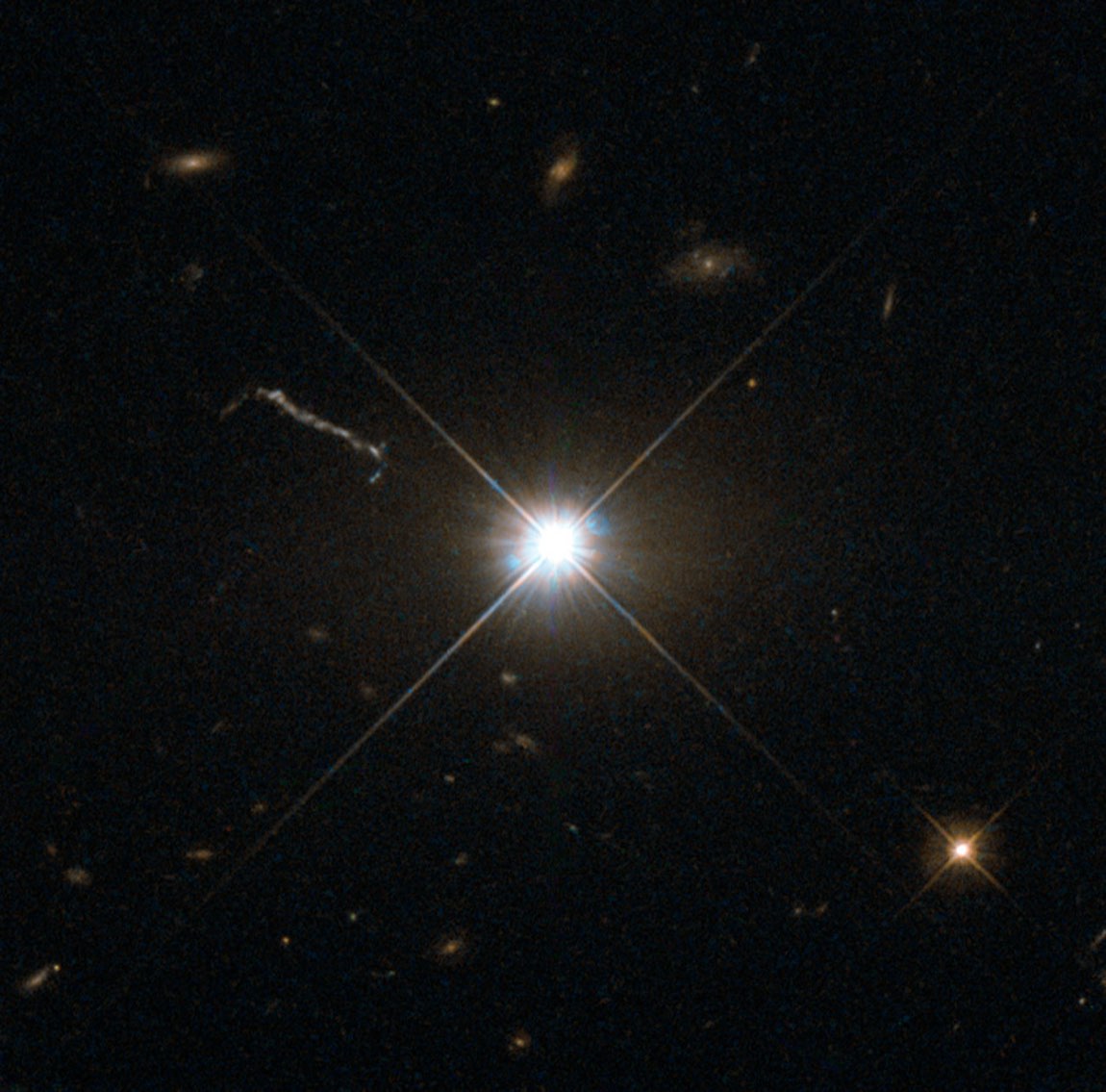 3C 273The first quasar. Its discovery revealed feeding black holes across the universe.
Nebulae13
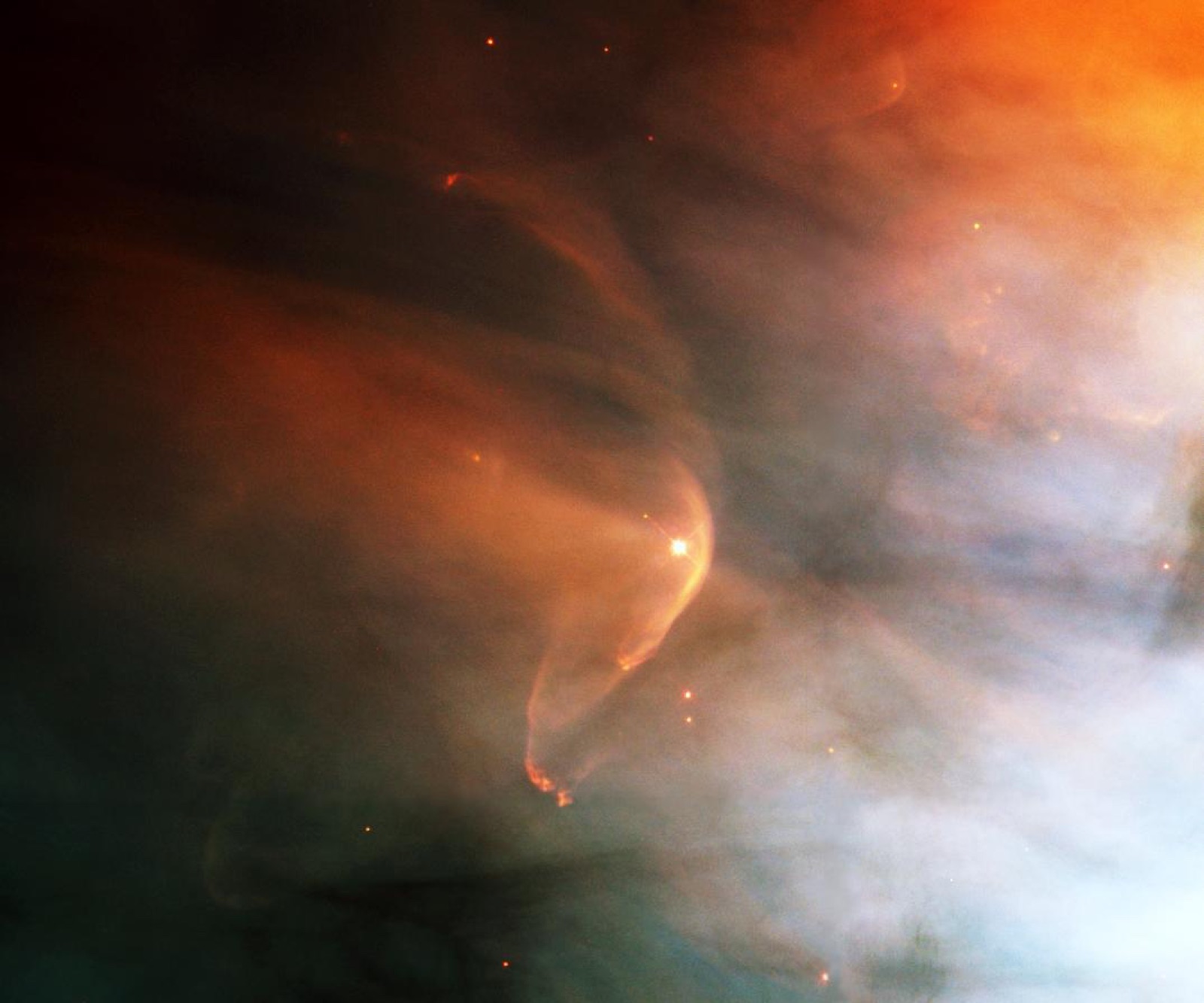 The Orion NebulaThe sky's brightest star nursery. Suns are being born in this glowing cloud right now.
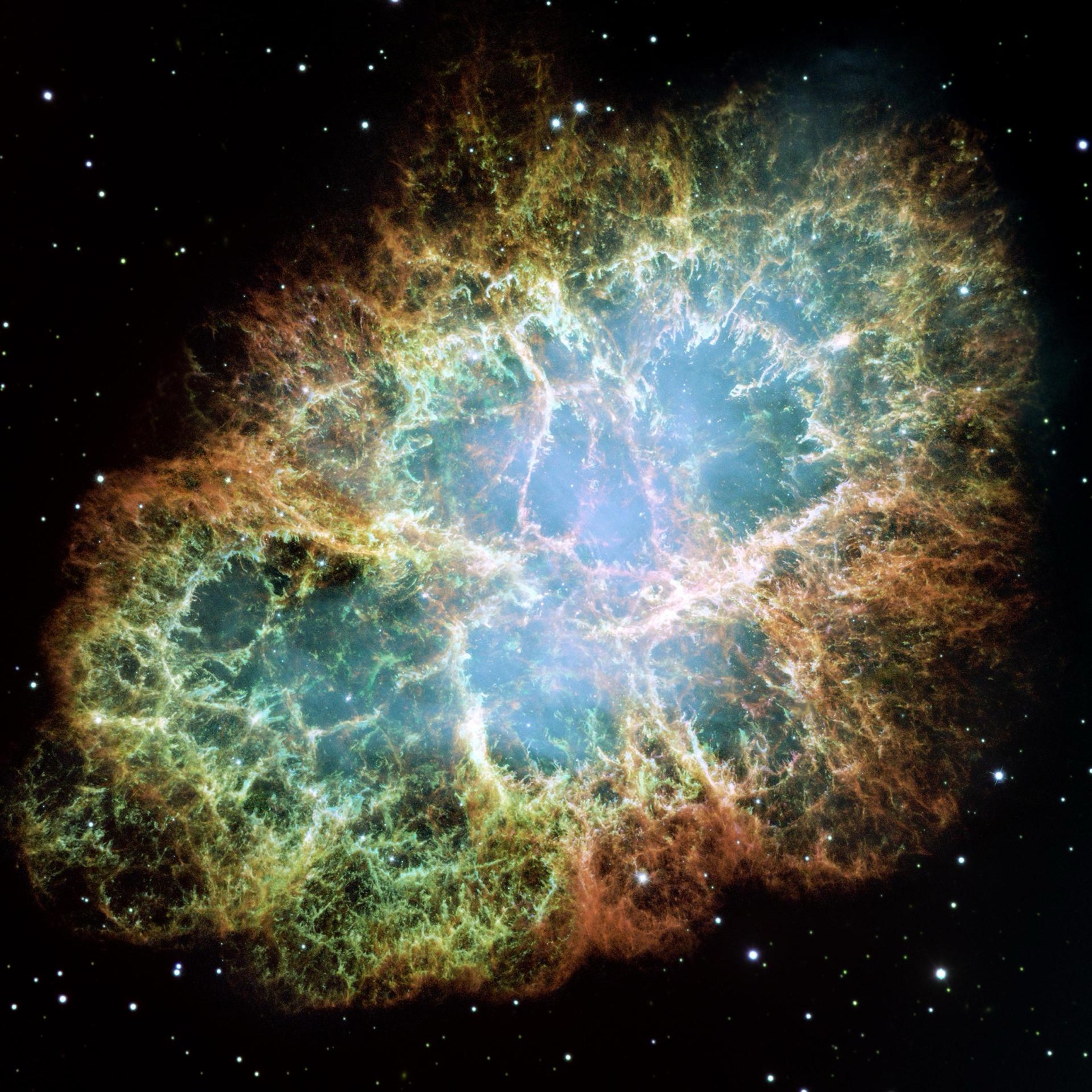 The Crab NebulaThe shredded corpse of a star seen exploding in 1054, with a lighthouse heart spinning 30…
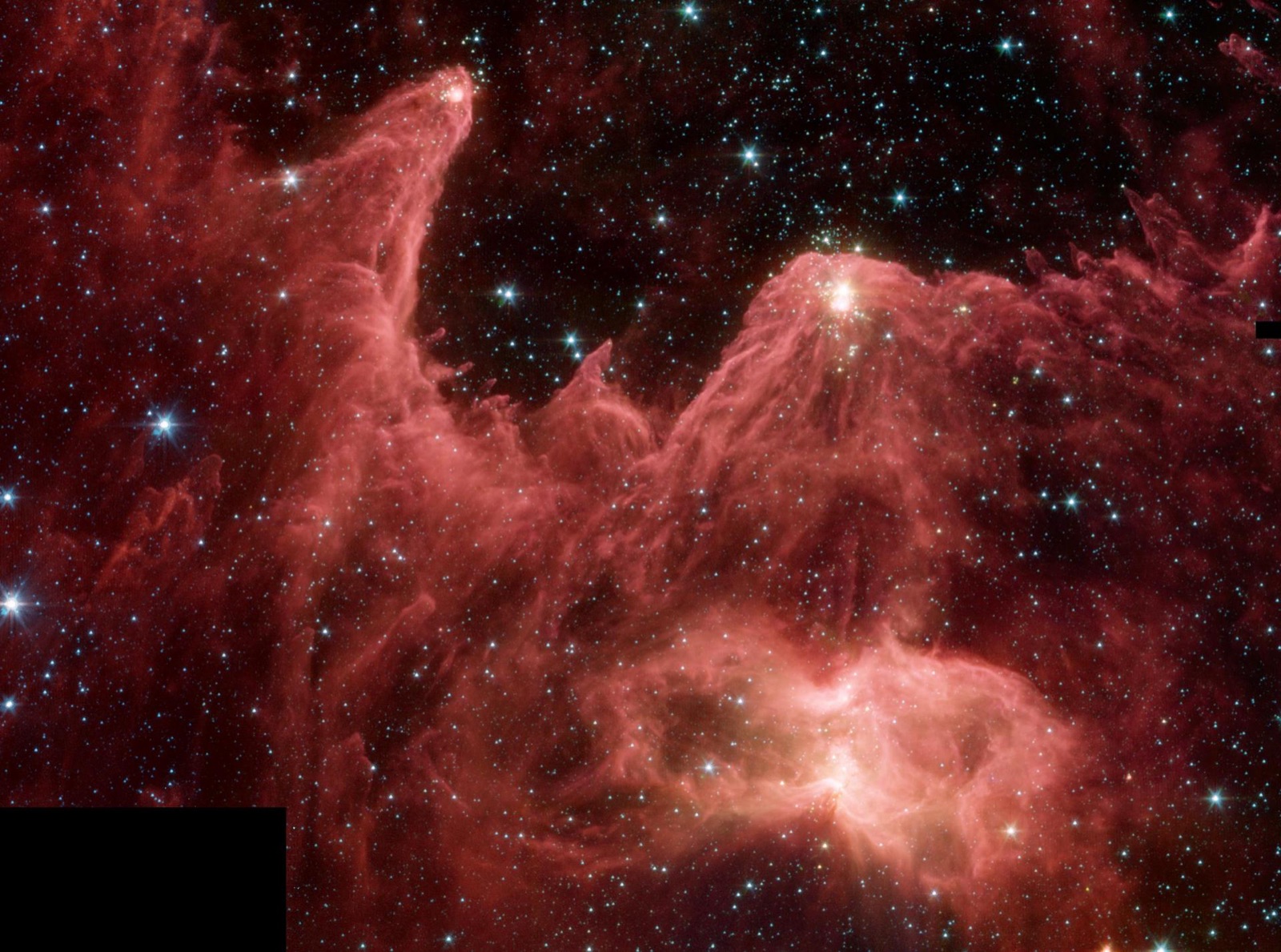 The Eagle NebulaThe Pillars of Creation, the most famous photograph in astronomy, live here.
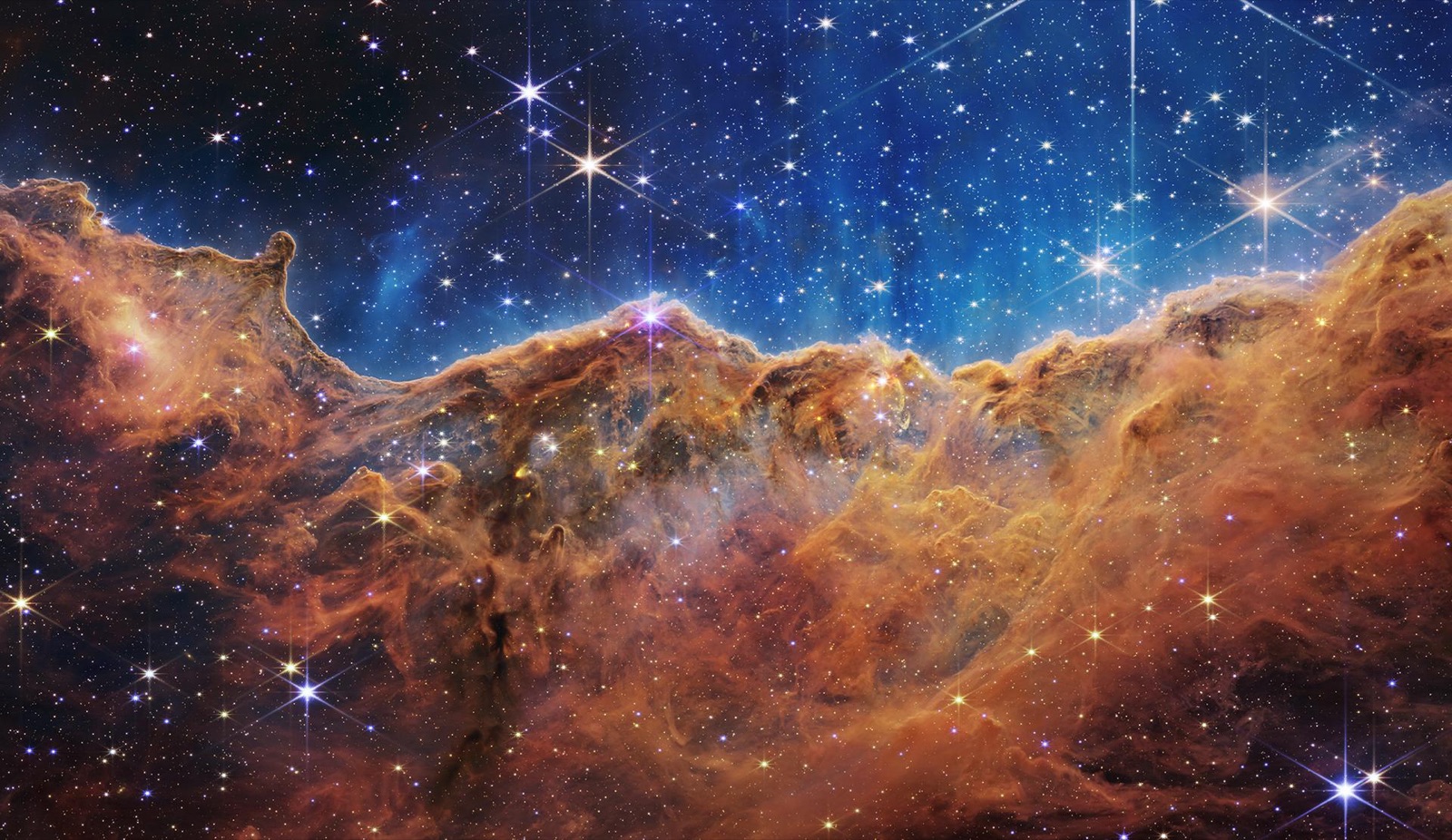 The Carina NebulaA southern-sky colossus, home to JWST's 'Cosmic Cliffs' and a star primed to explode.
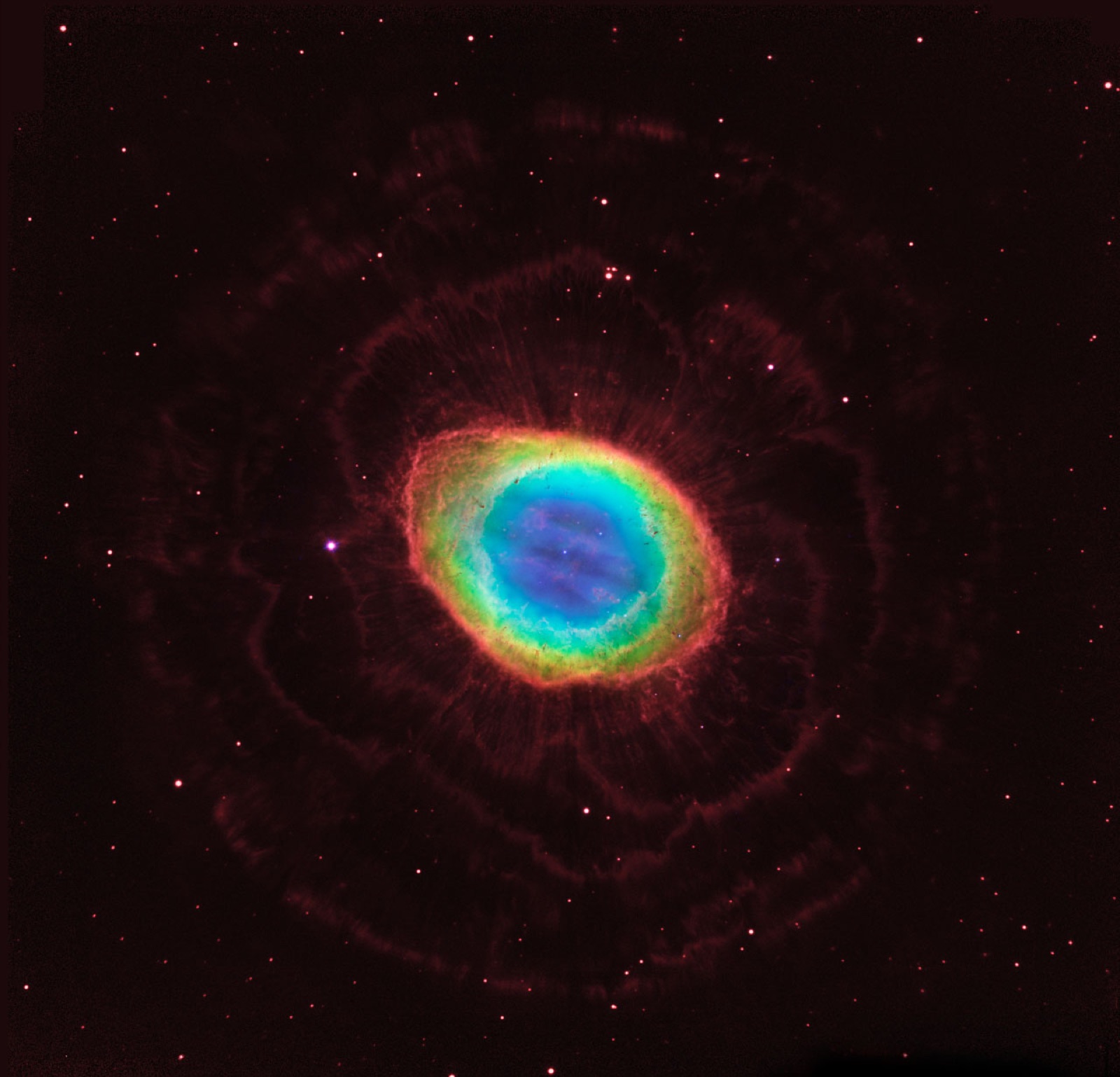 The Ring NebulaA dying star's smoke ring, and a preview of our Sun's own farewell.
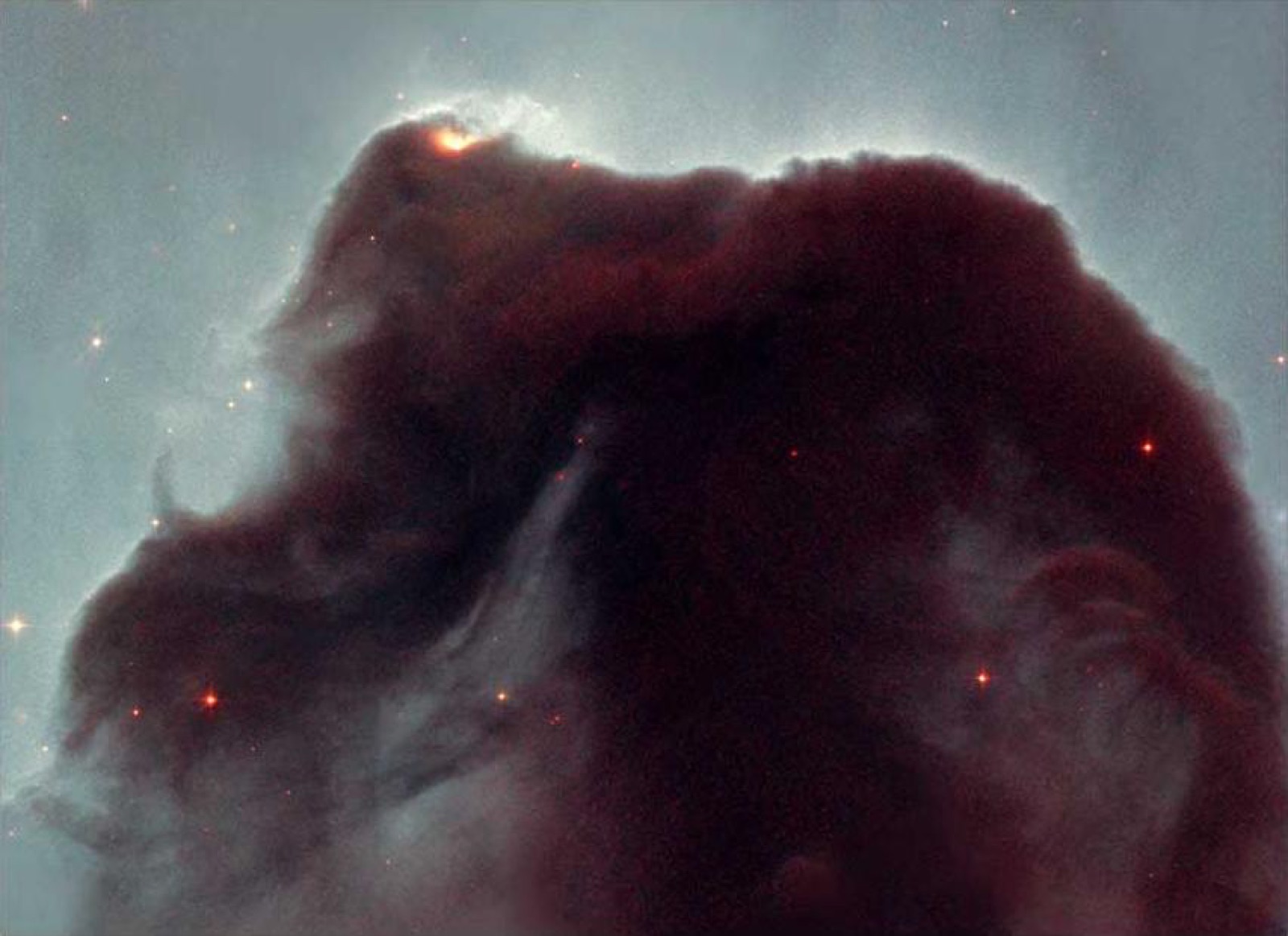 The Horsehead NebulaA chess knight of cold dark dust makes the sky's most famous silhouette.
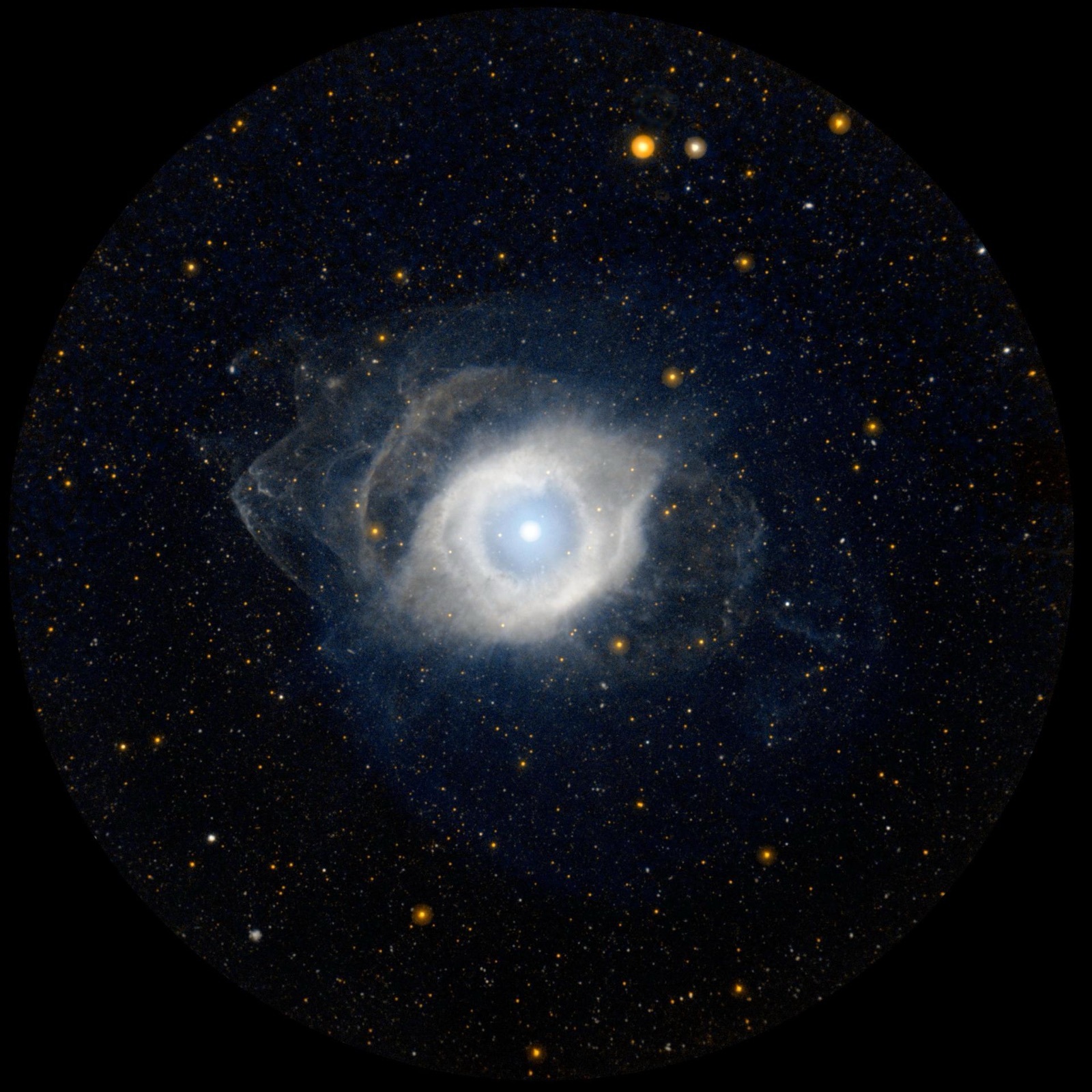 The Helix NebulaThe Eye of God offers the nearest glimpse of the Sun's own future.
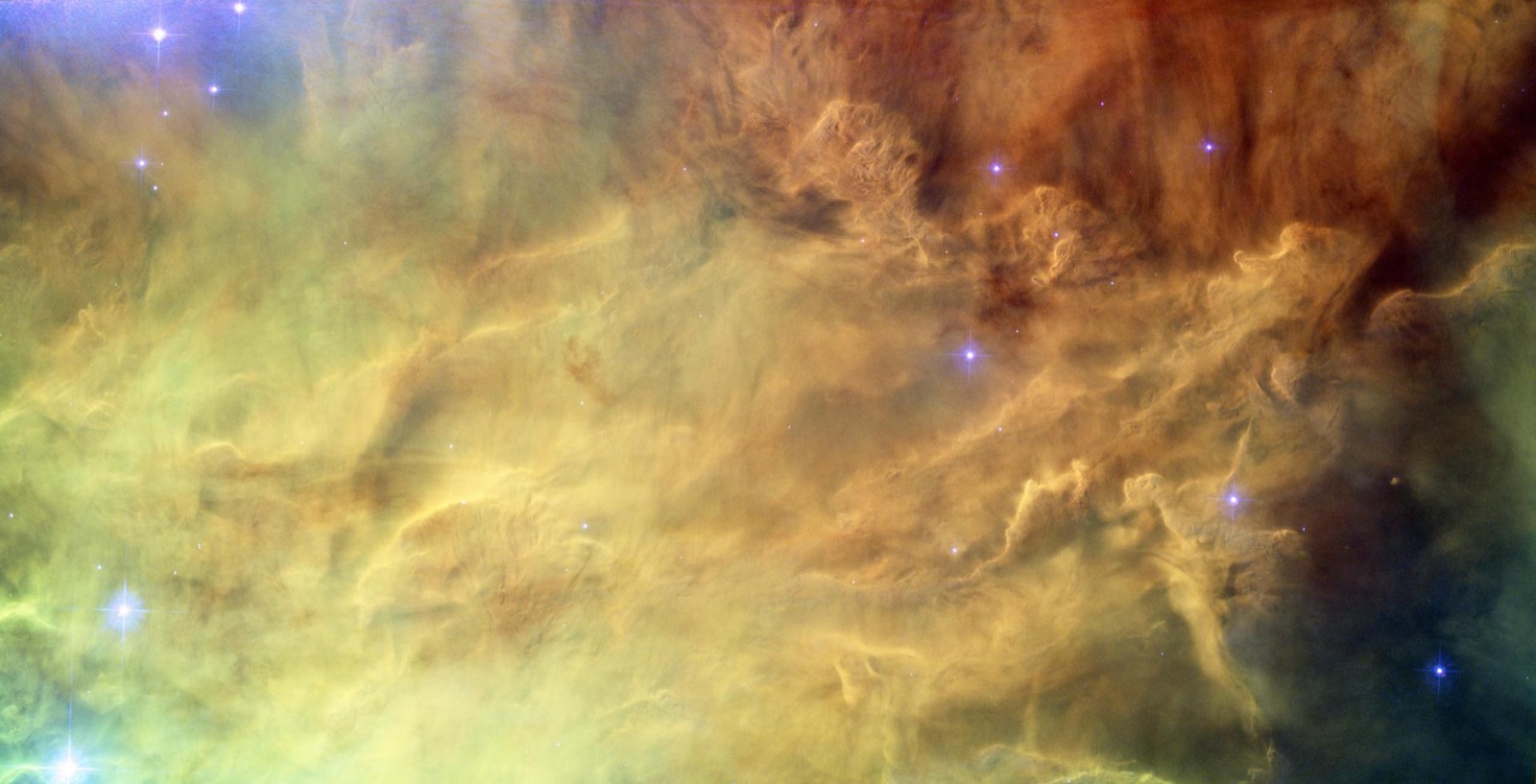 The Lagoon NebulaA naked-eye star factory in the heart of the Milky Way's summer band.
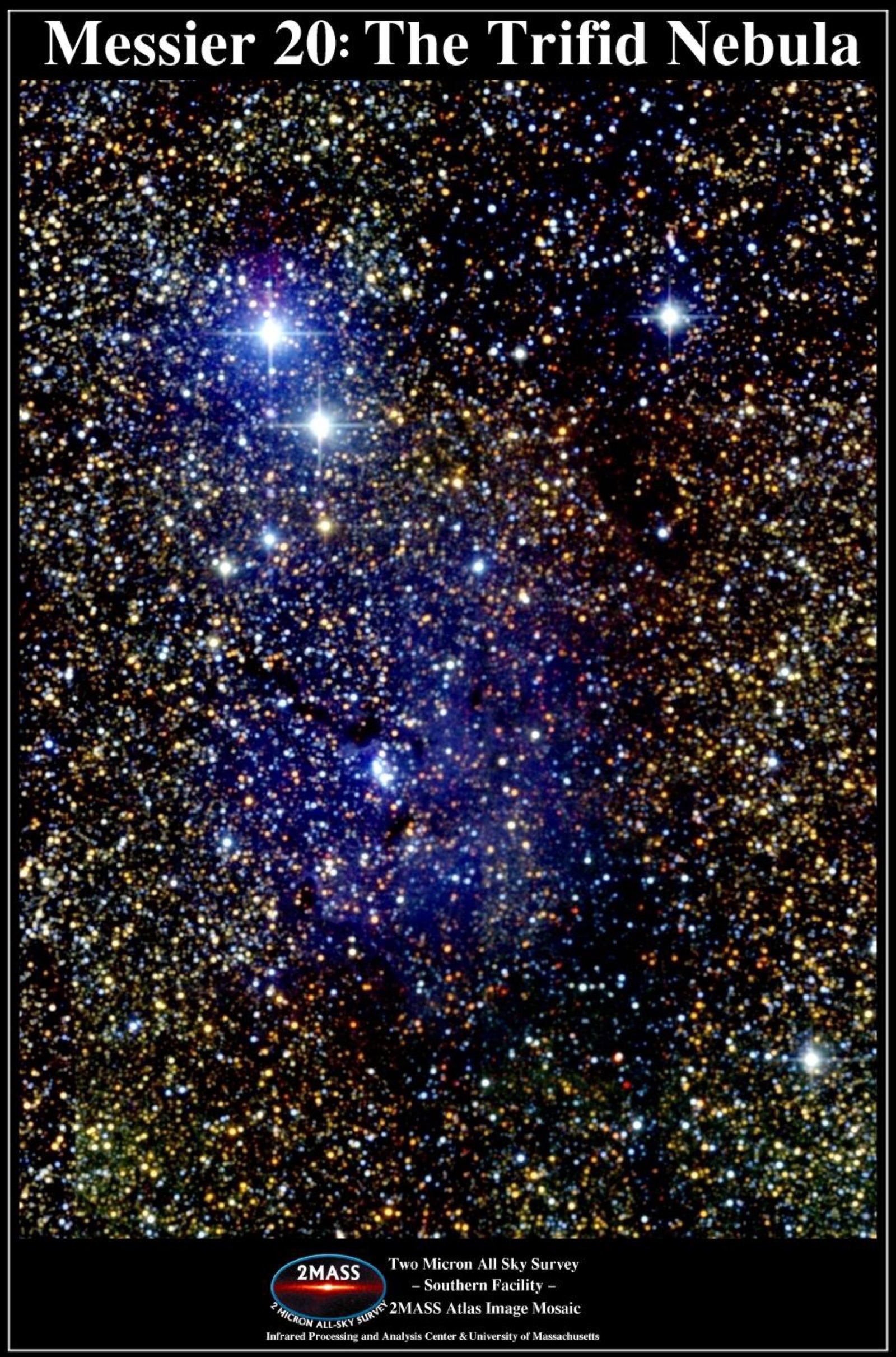 The Trifid NebulaThree nebulae in one: glowing red, shining blue, and split by darkness.
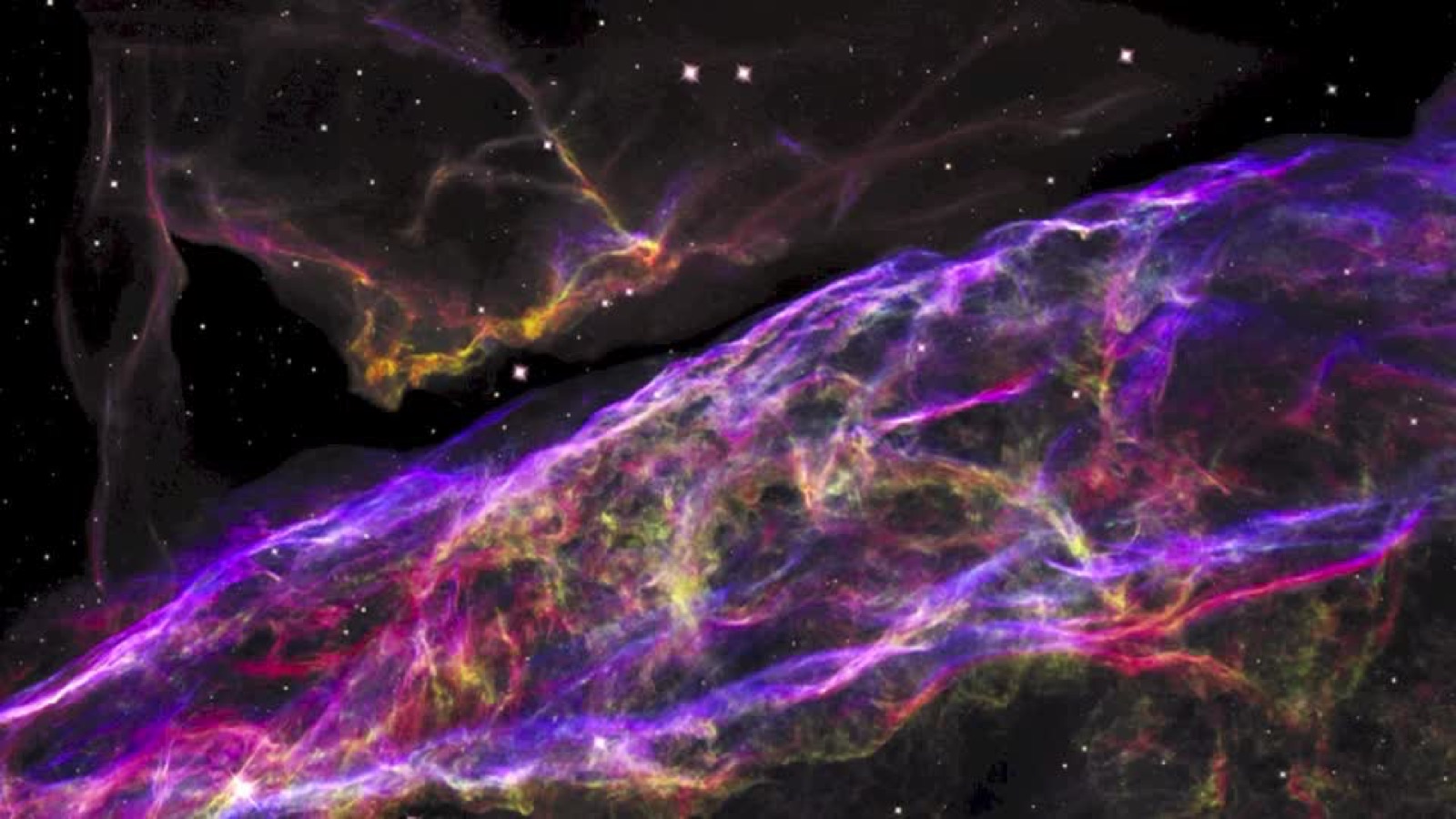 The Veil NebulaThe shredded ghost of a supernova, still glowing after 10,000 years.
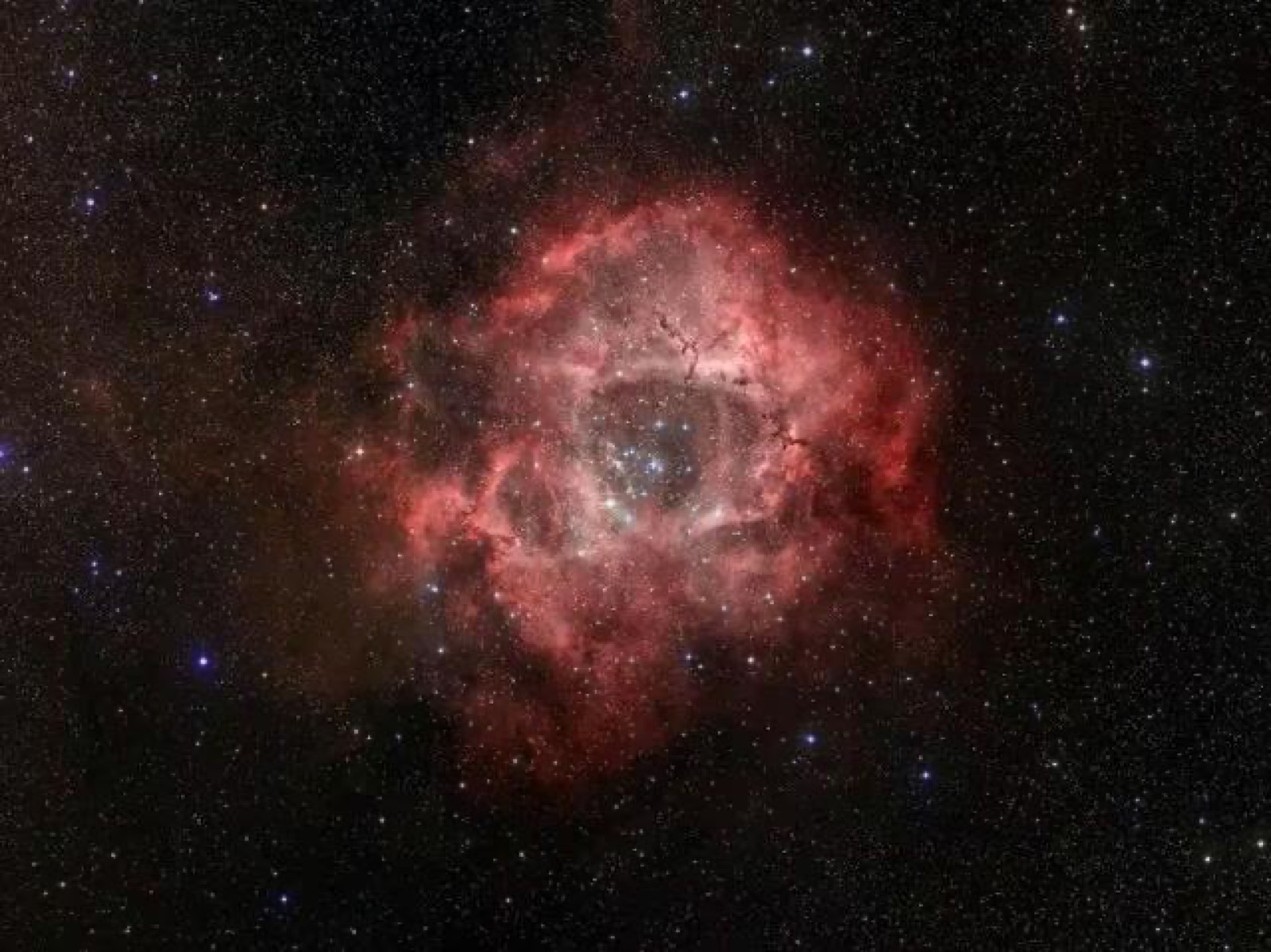 The Rosette NebulaA cosmic rose with a cluster of newborn stars for its heart.
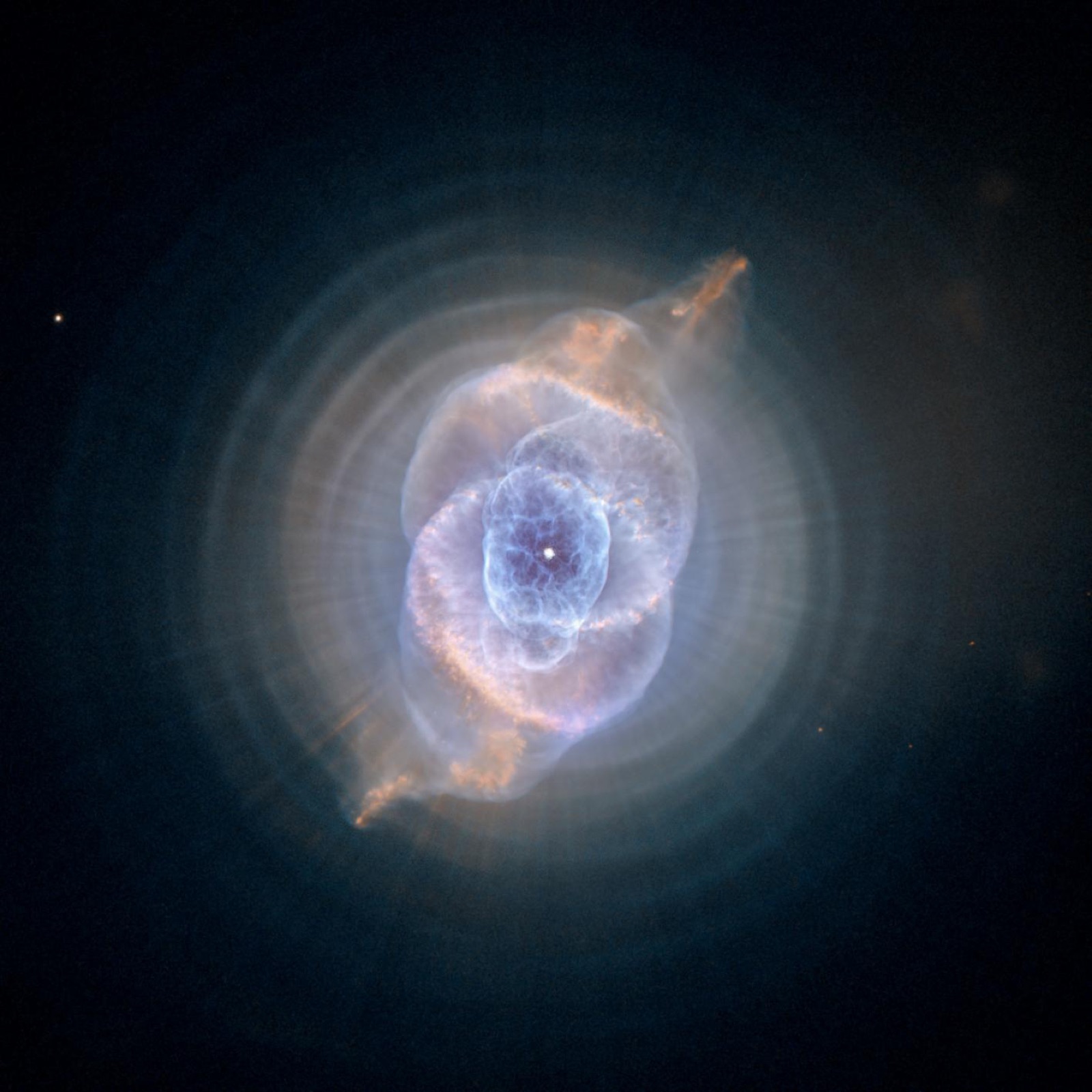 The Cat's Eye NebulaShells within shells of impossible symmetry make this a dying star's masterpiece.
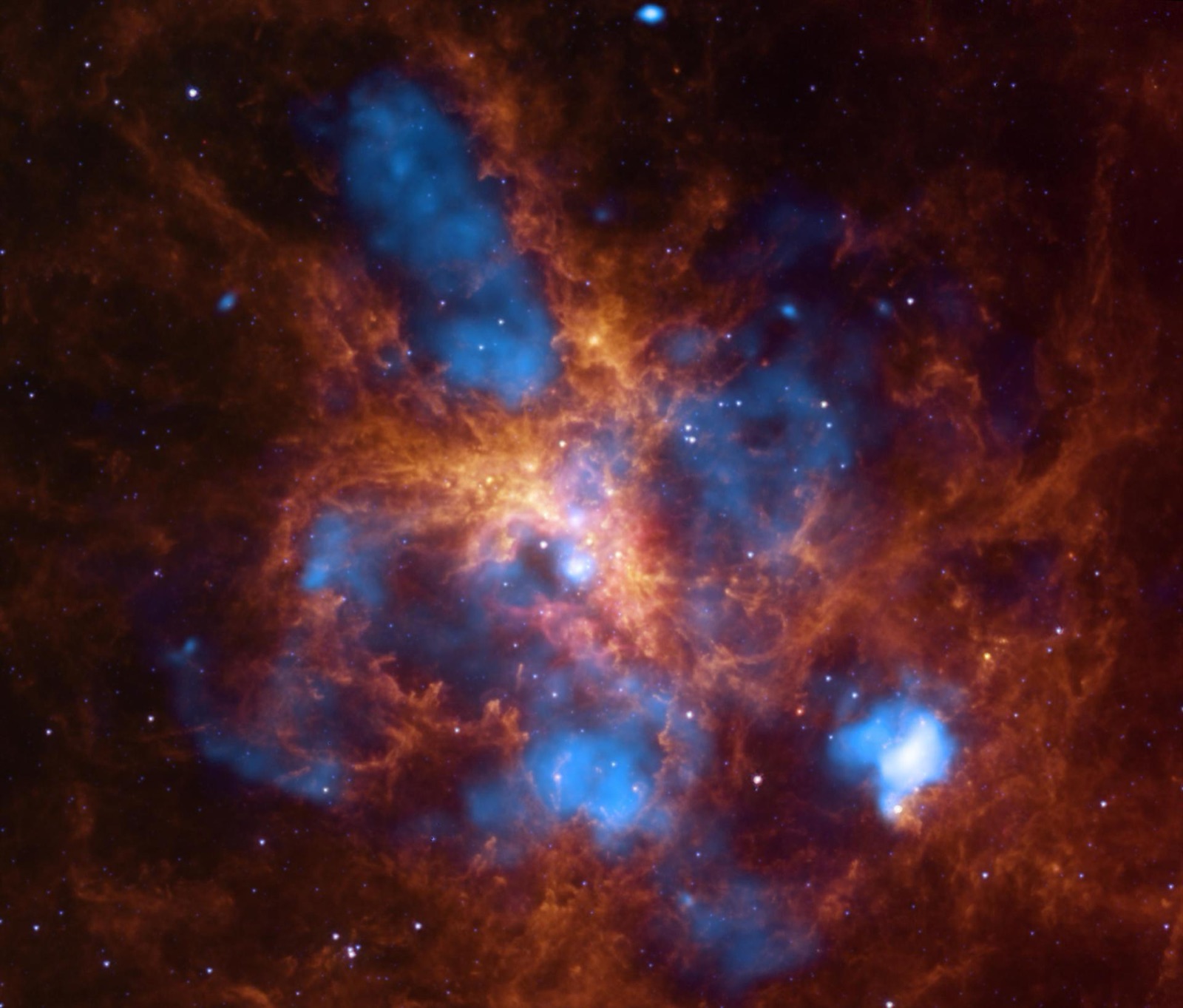 The Tarantula NebulaThe Local Group's monster nursery is home to the most massive stars known.
Asteroids5
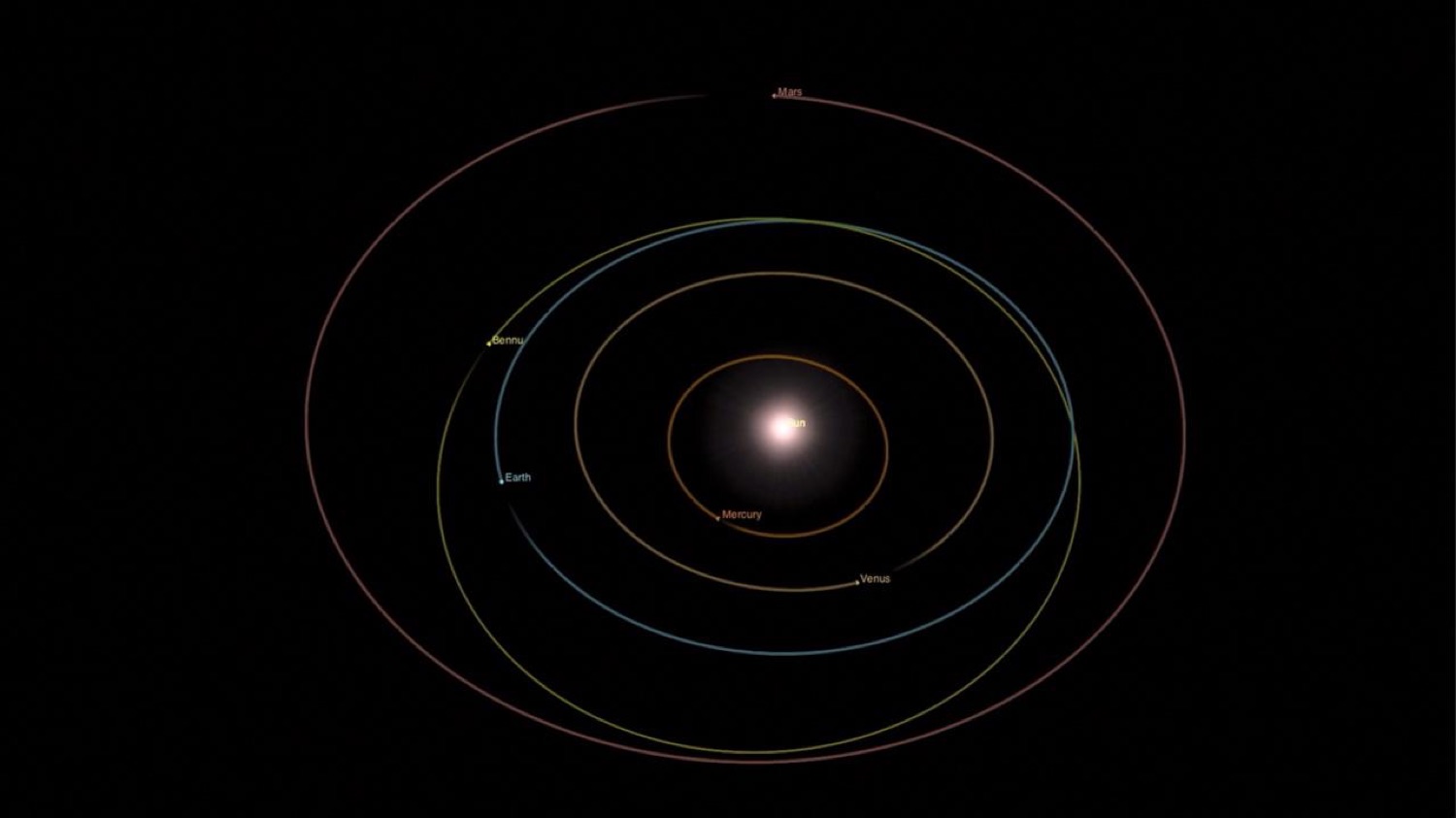 BennuThe asteroid we brought home is a rubble pile carrying the Solar System's original…
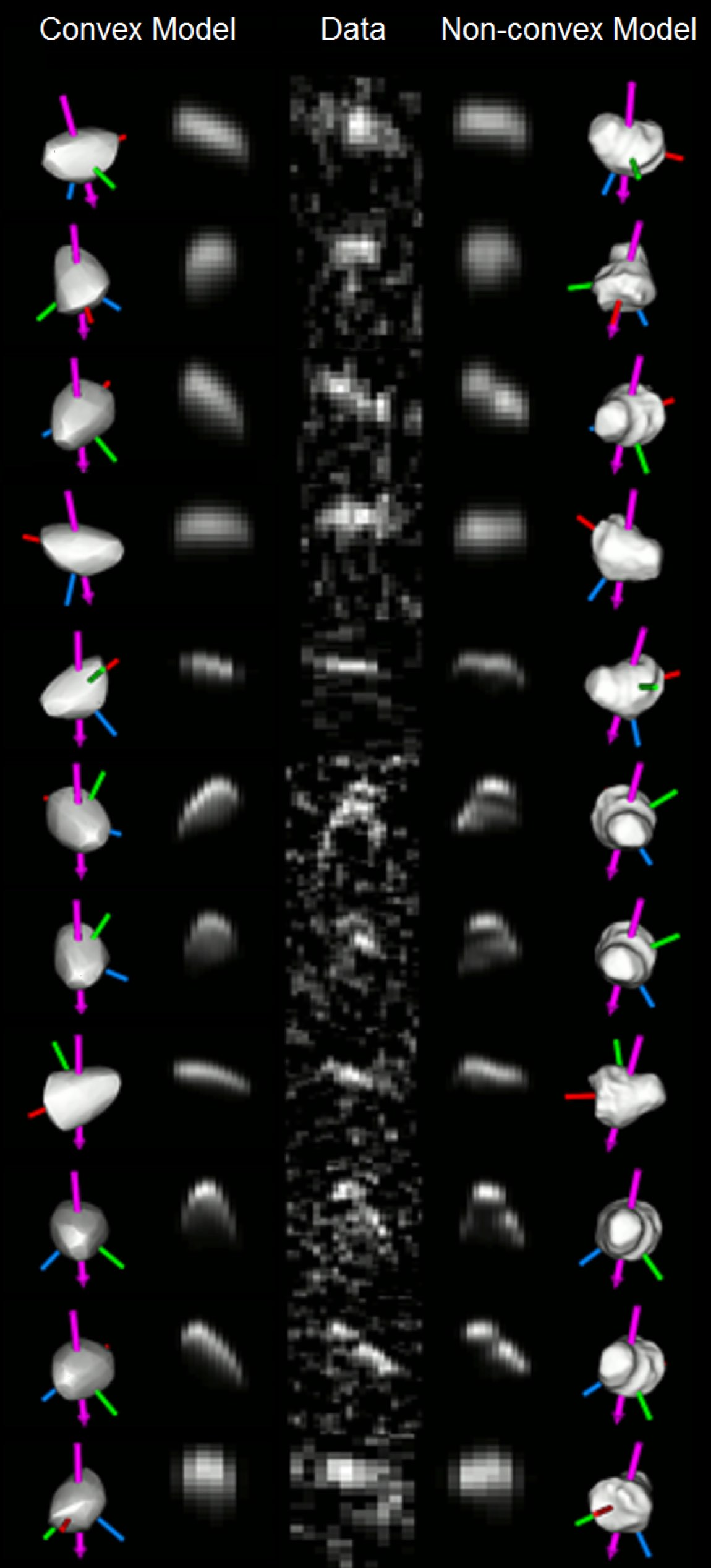 ApophisIn 2029 this asteroid will shave past Earth, closer than our TV satellites.
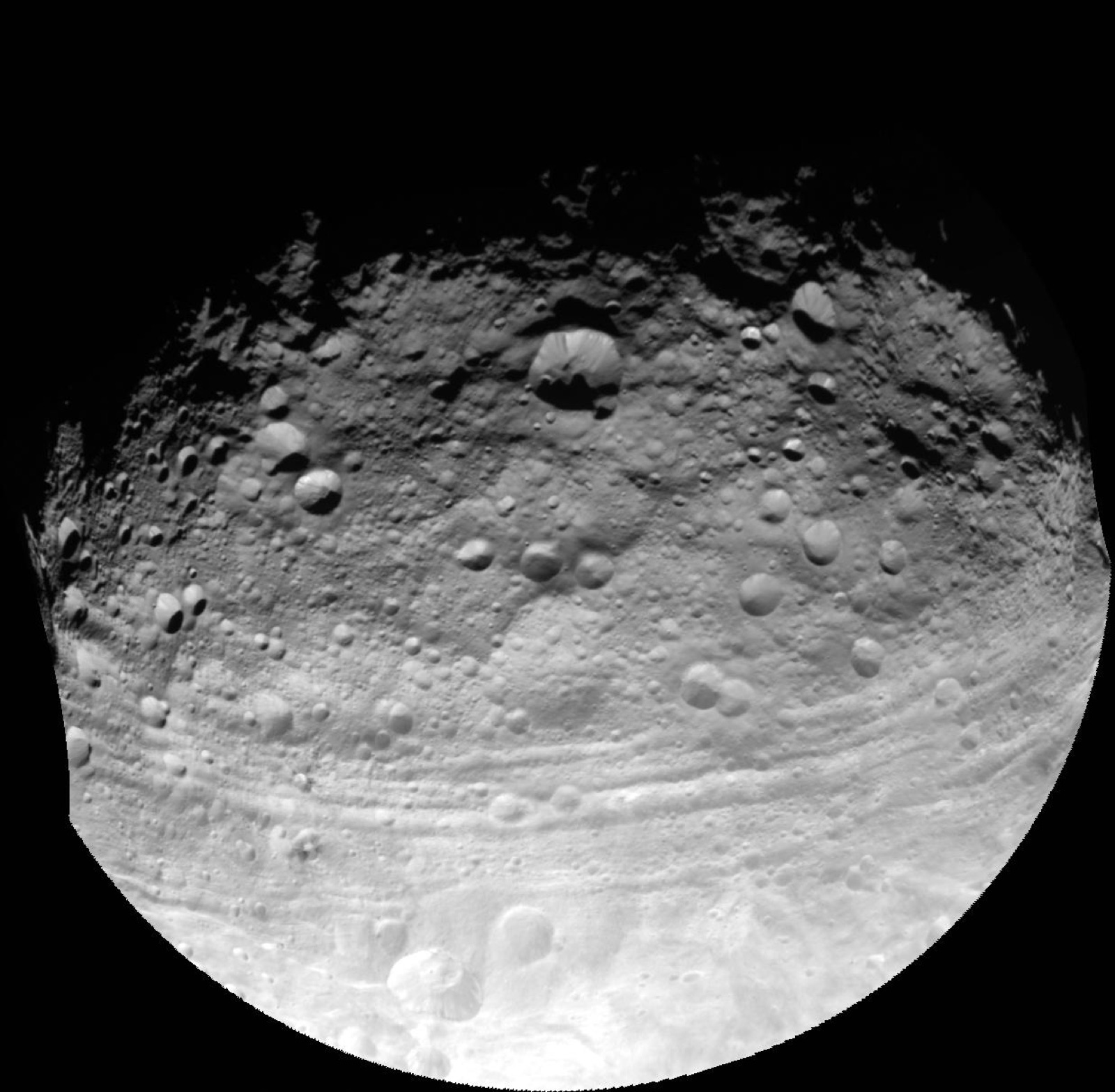 VestaThe brightest asteroid. This battered protoplanet has a mountain twice Everest's height.
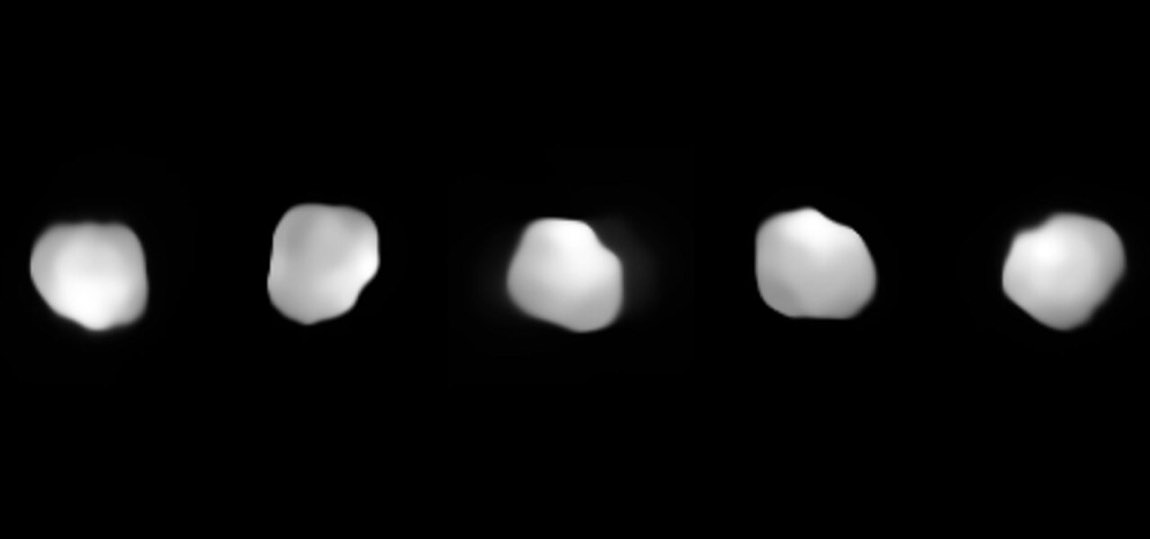 PsycheA metal world that may be the exposed core of a shattered baby planet.
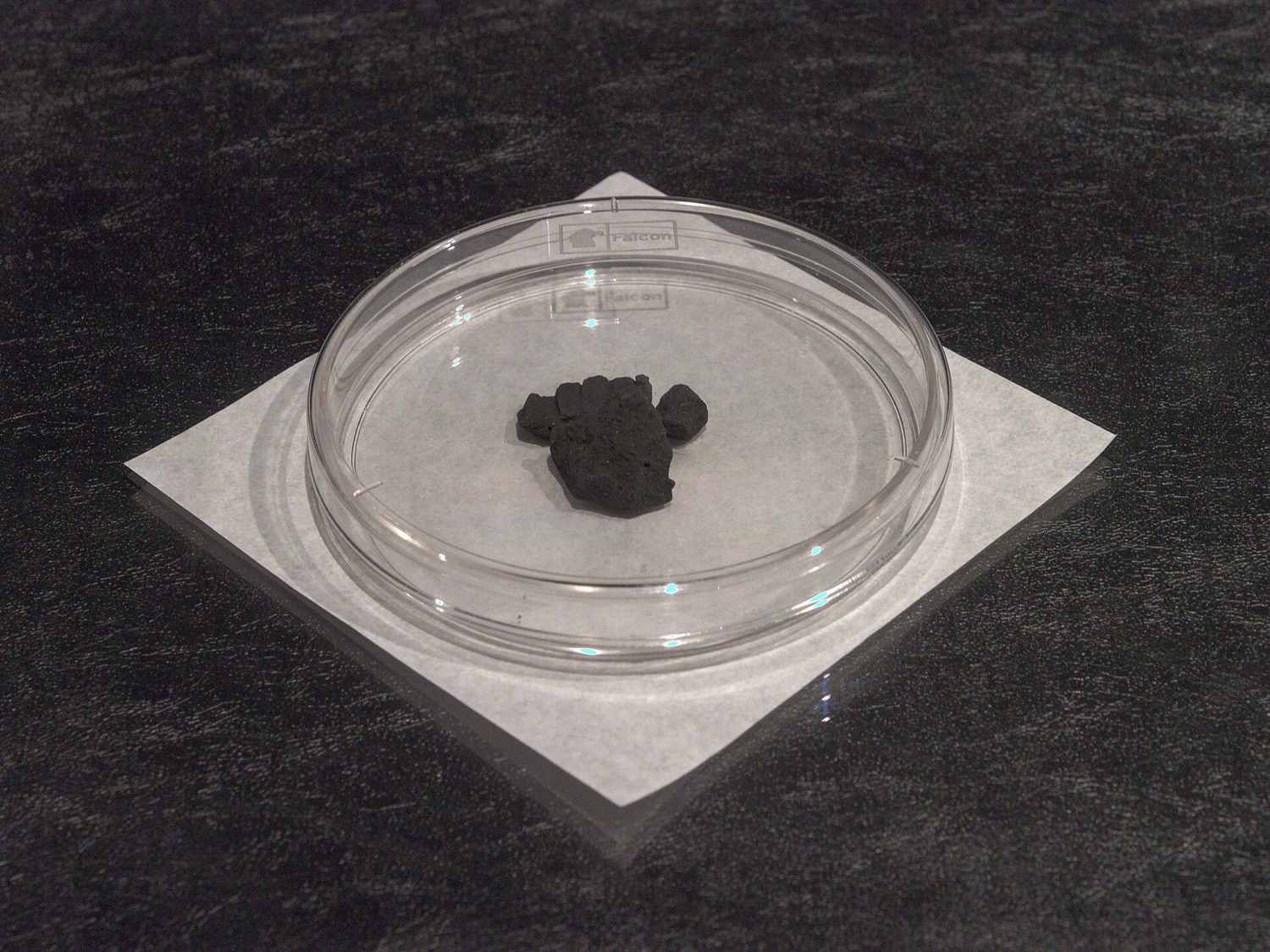 RyuguSampled twice and bombed once, Japan's asteroid carries the ingredients of life.
Comets5
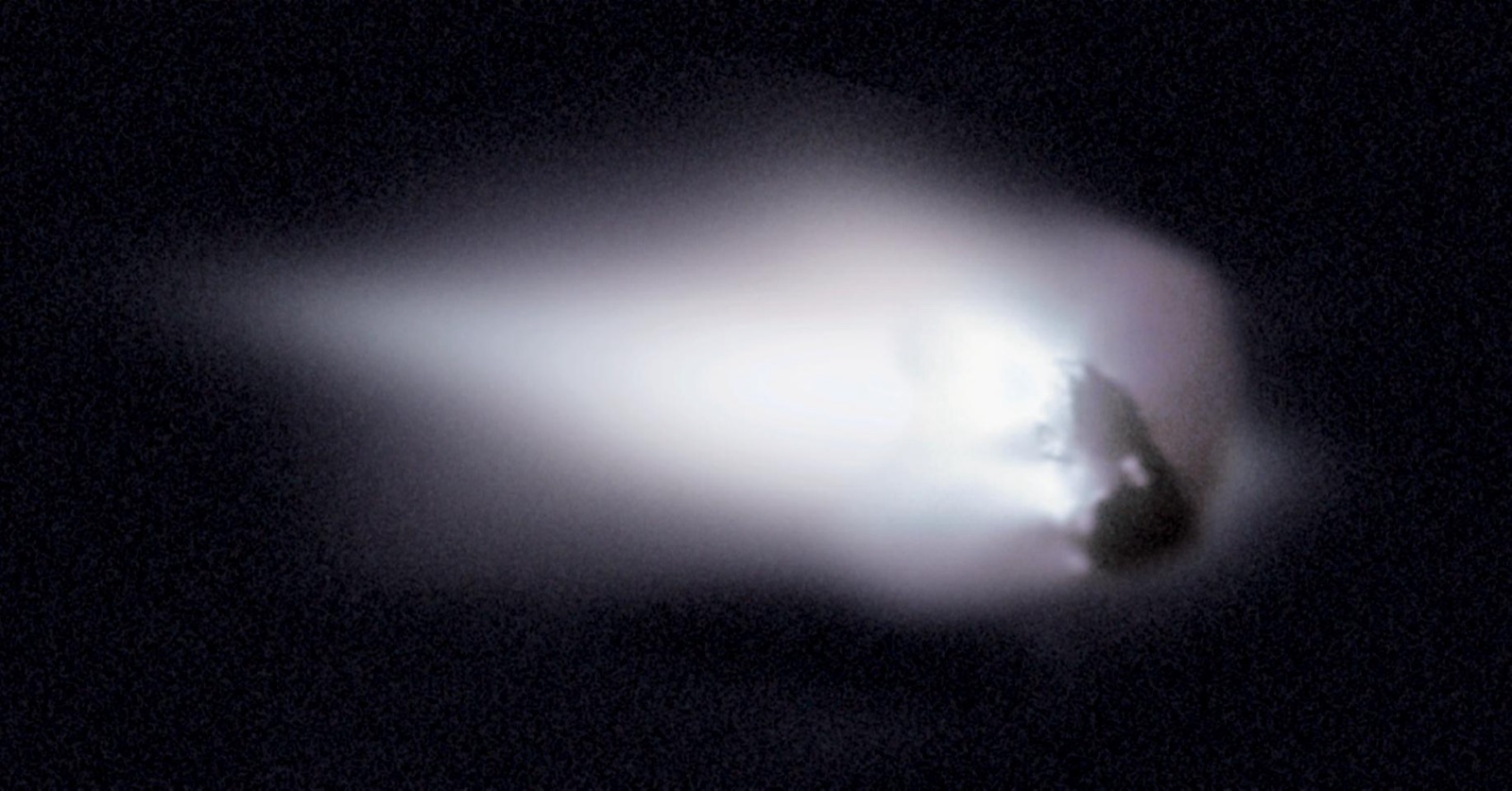 Halley's CometThe most famous comet: humanity's 76-year appointment with a piece of the ancient Solar…
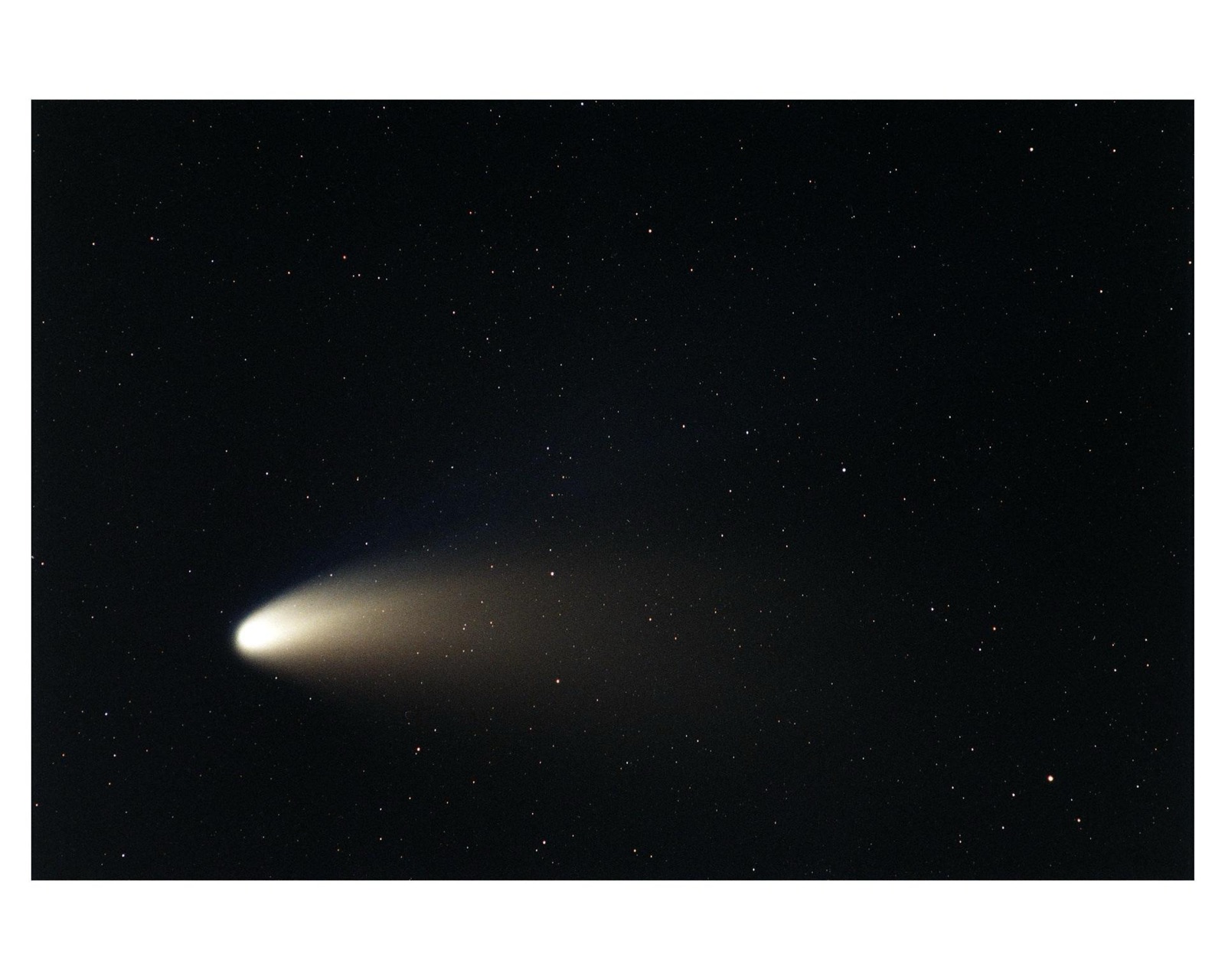 Comet Hale–BoppThe Great Comet of 1997 stayed visible to the naked eye for a record 18 months.
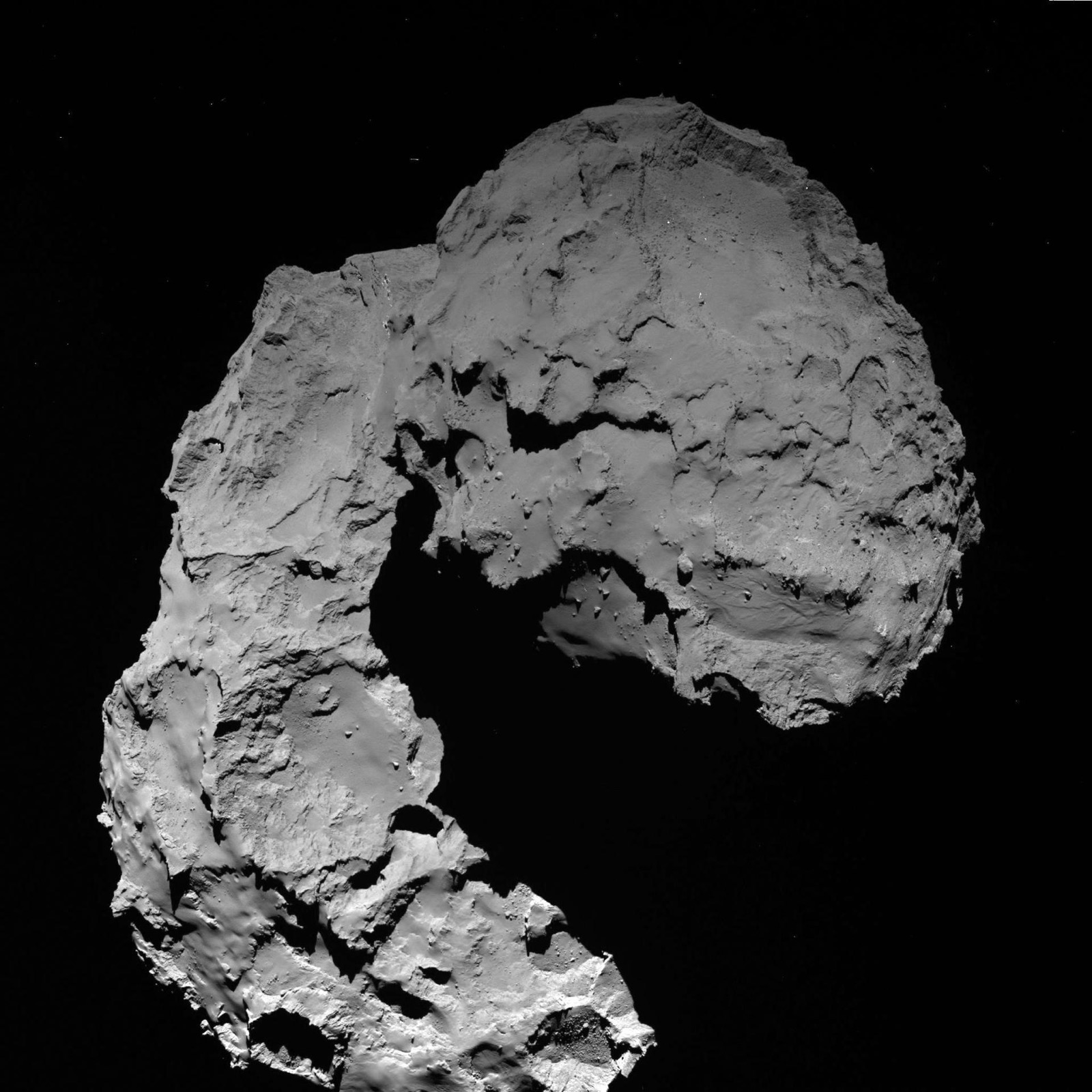 Comet 67P/Churyumov–GerasimenkoHumanity's robots orbited this rubber-duck comet for two years and landed on it.
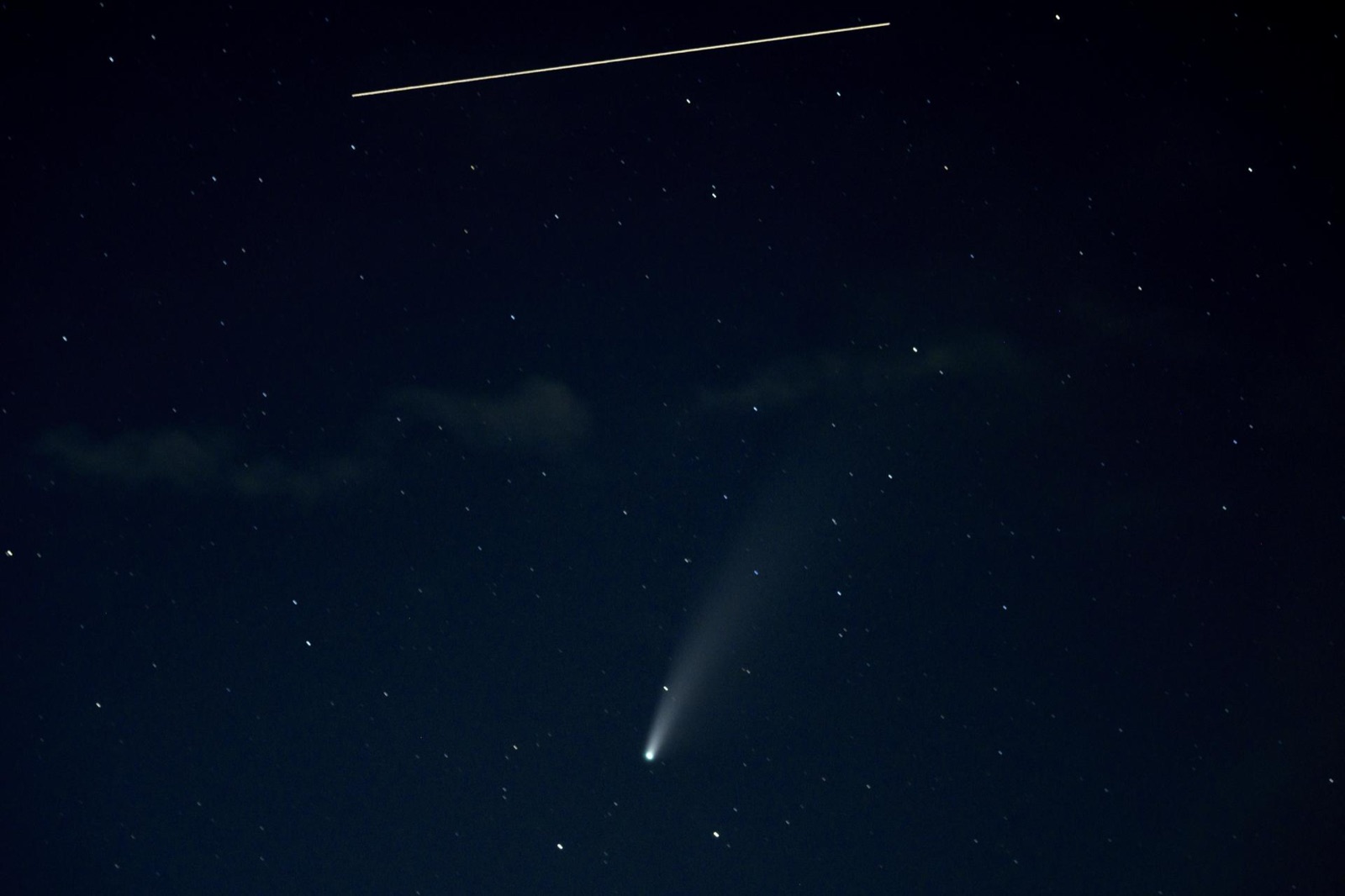 Comet NEOWISEThe lockdown comet was 2020's gift to a locked-down planet's evening skies.
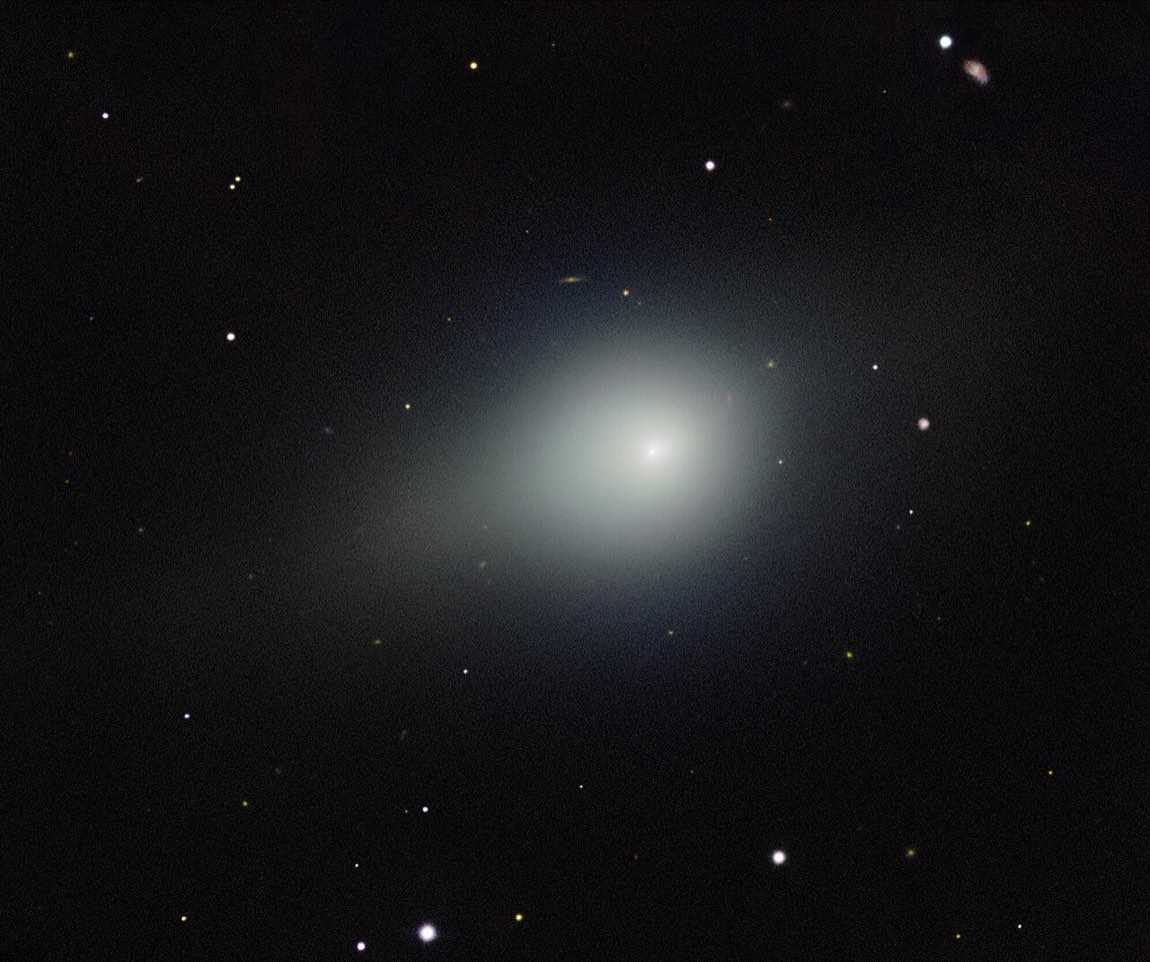 3I/ATLASA visitor from another star, and the third interstellar object ever caught crossing our…
Spacecraft29
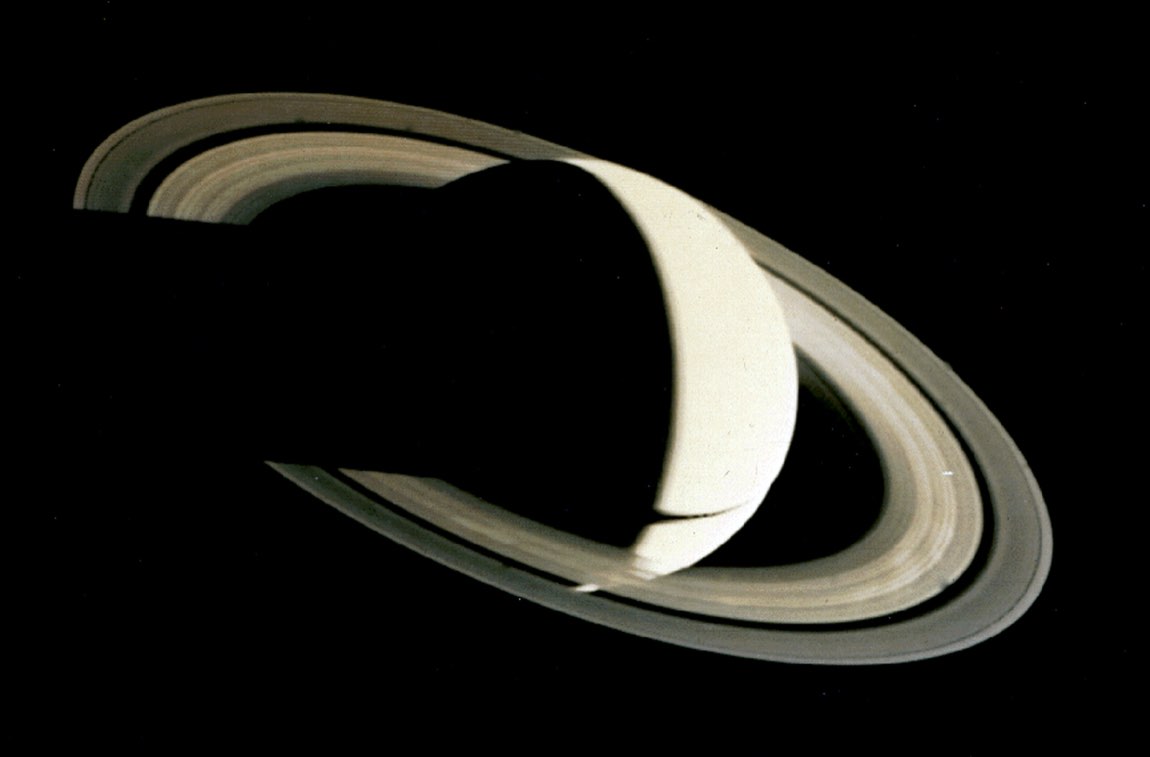 Voyager 1After 48 years, the farthest human-made object is still calling home from interstellar…
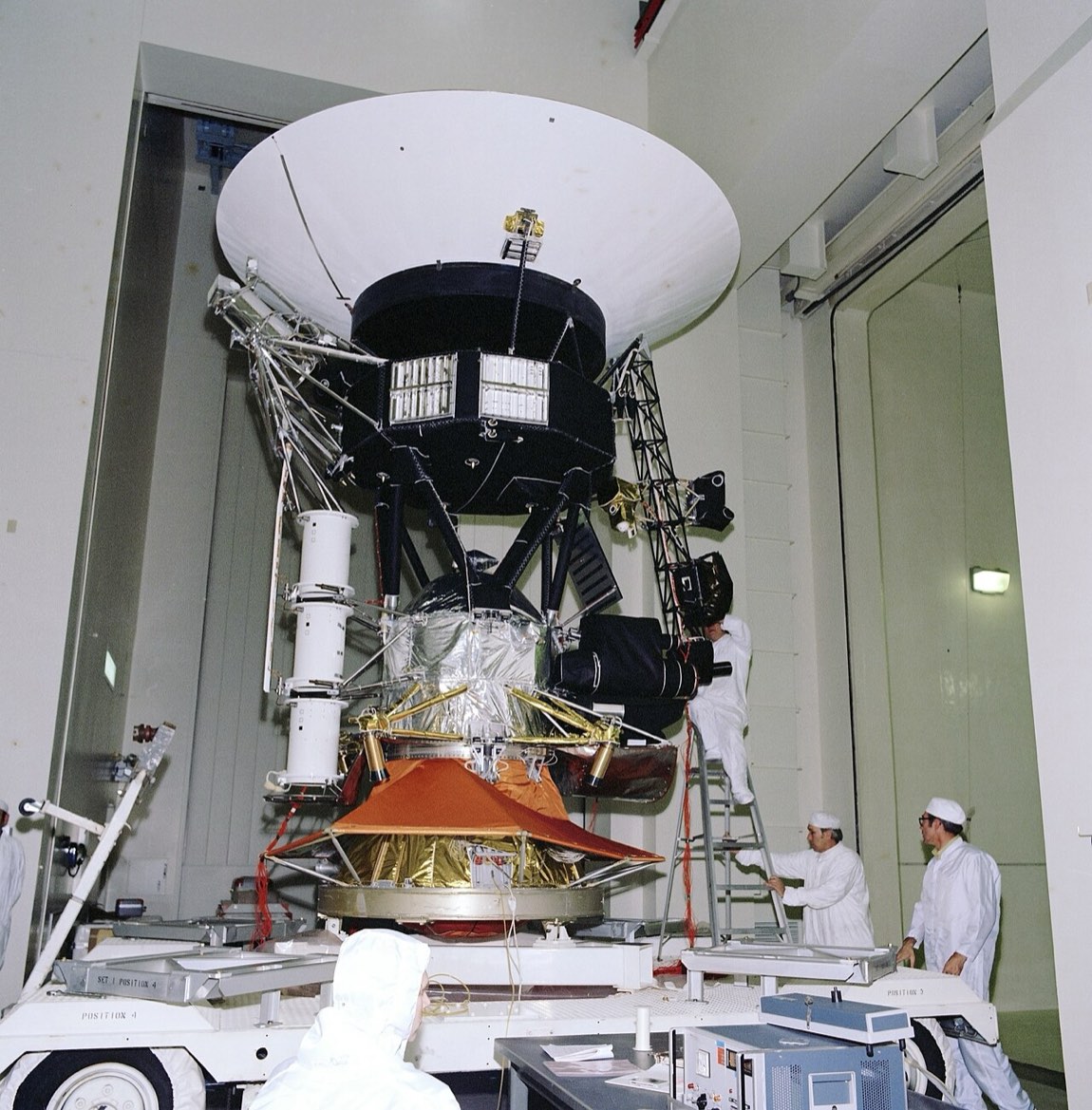 Voyager 2The only spacecraft to visit all four giant planets, on the grandest tour ever flown.
 Hubble Space TelescopeThe telescope that rewrote astronomy has kept the universe in focus for 35 years.
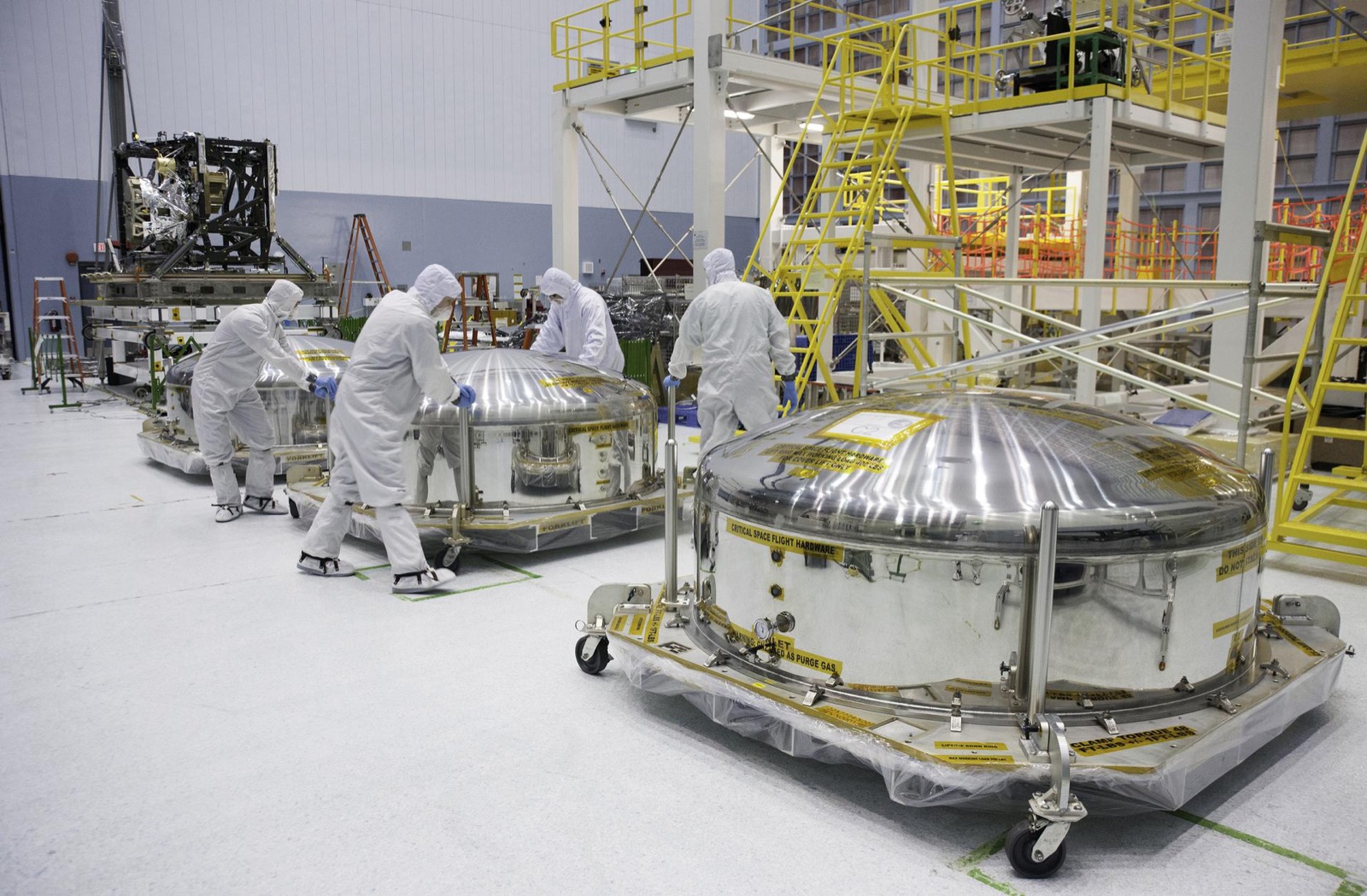 James Webb Space TelescopeA million miles from home, the infrared giant is seeing the universe's first galaxies.
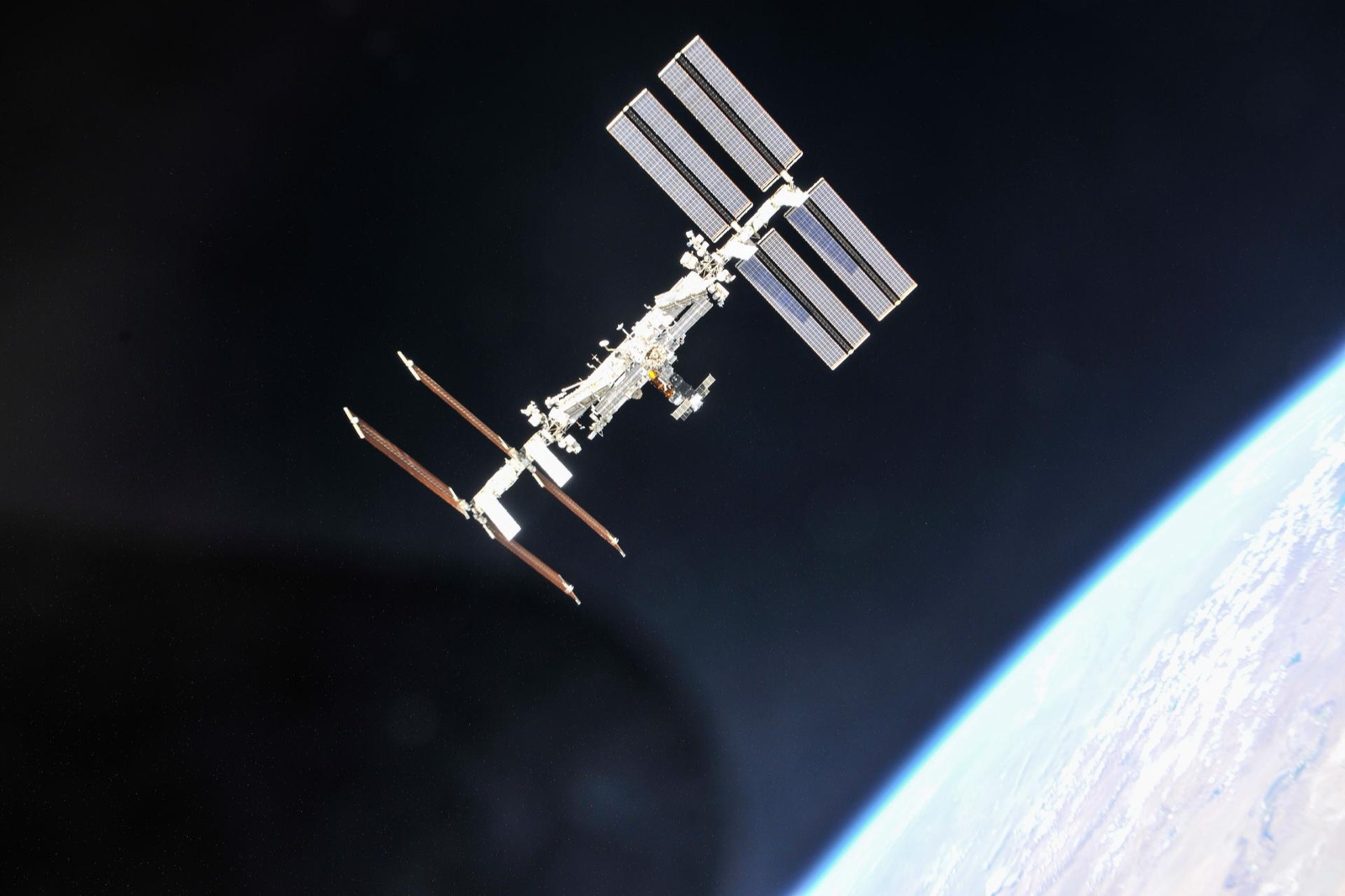 International Space StationHumanity's outpost in orbit has been continuously inhabited for a quarter of a century.
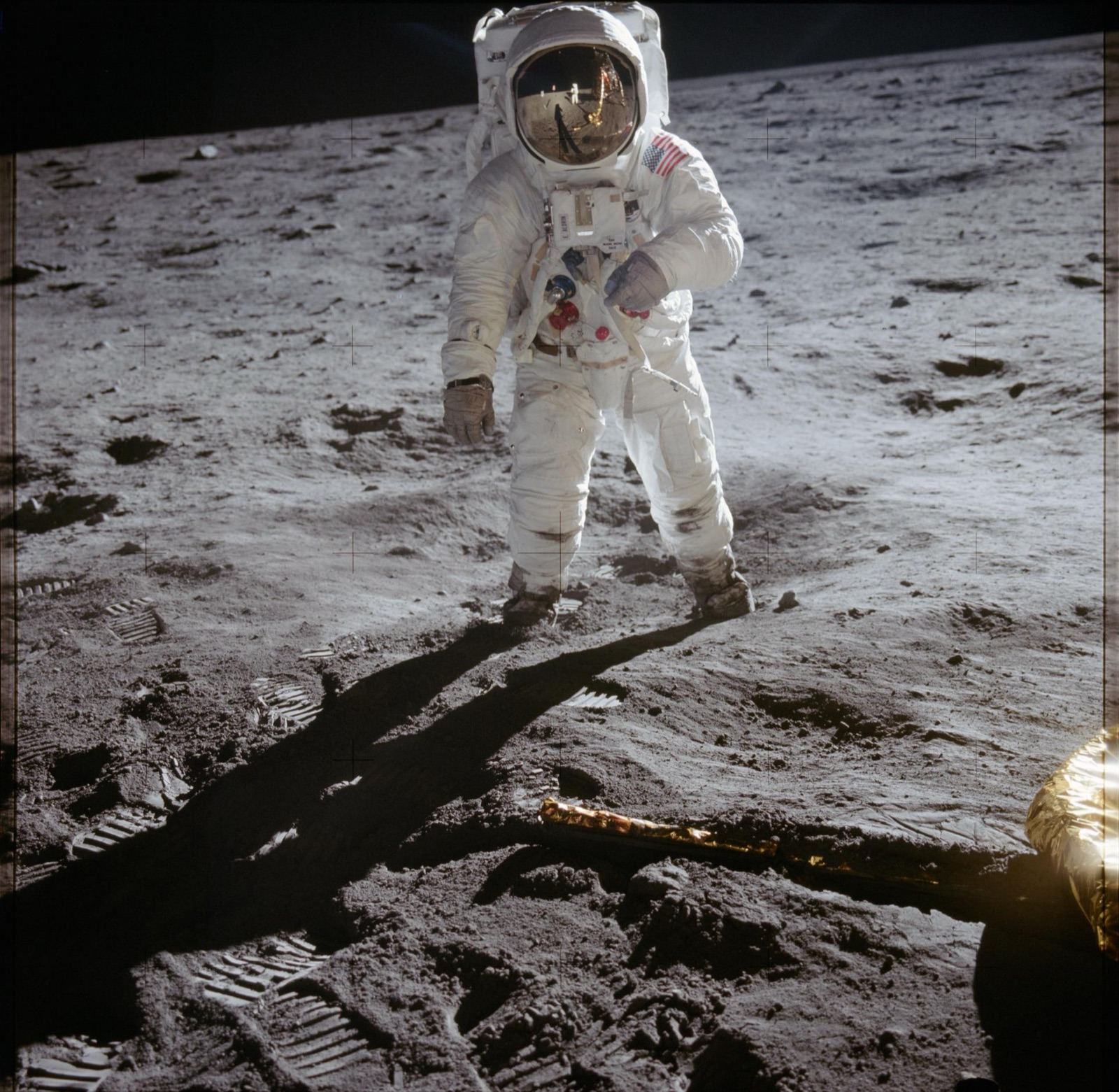 Apollo 11The first crewed Moon landing: the day the species left home.
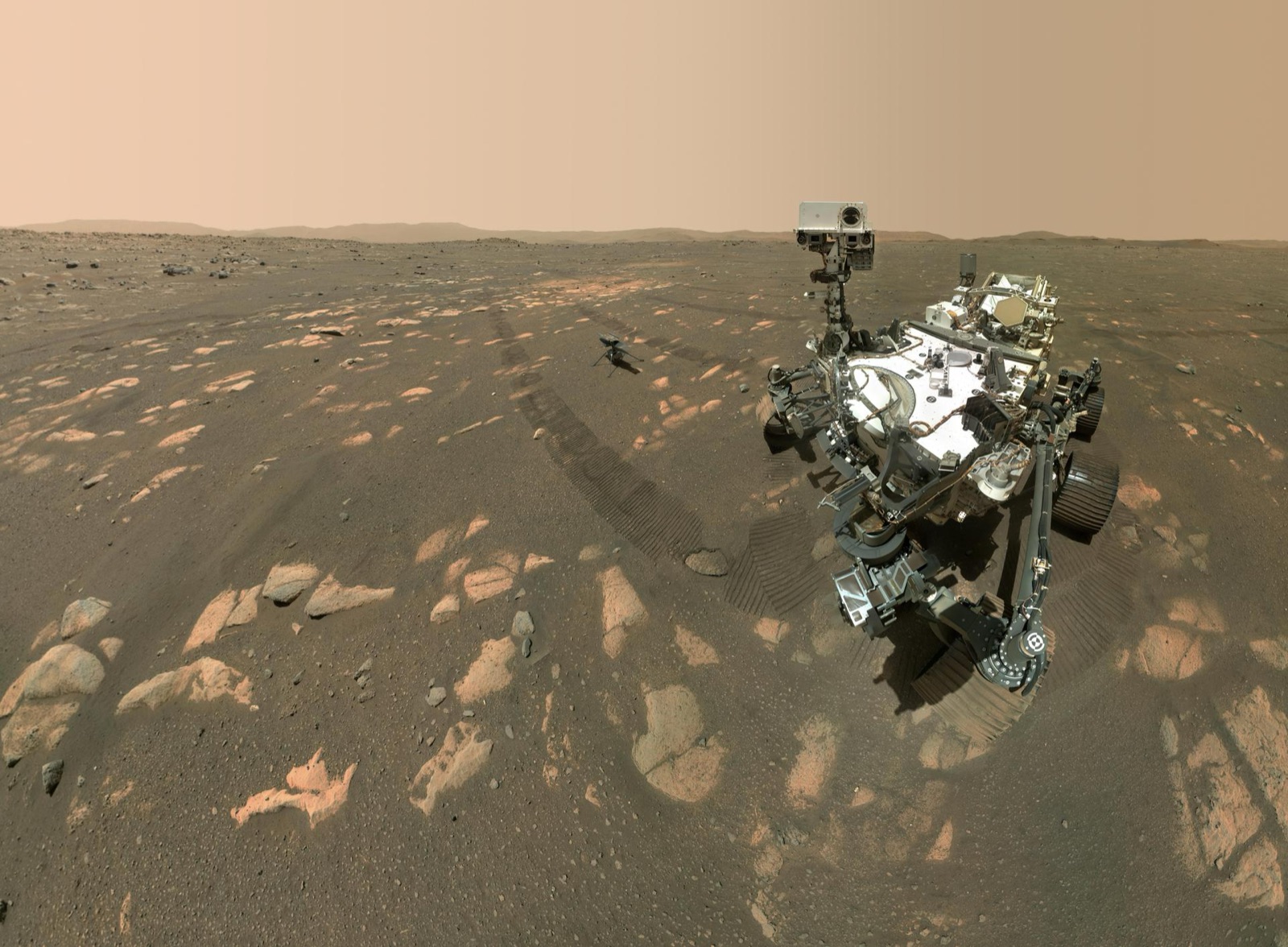 PerseveranceNASA's newest Mars rover is caching the samples that may answer the life question.
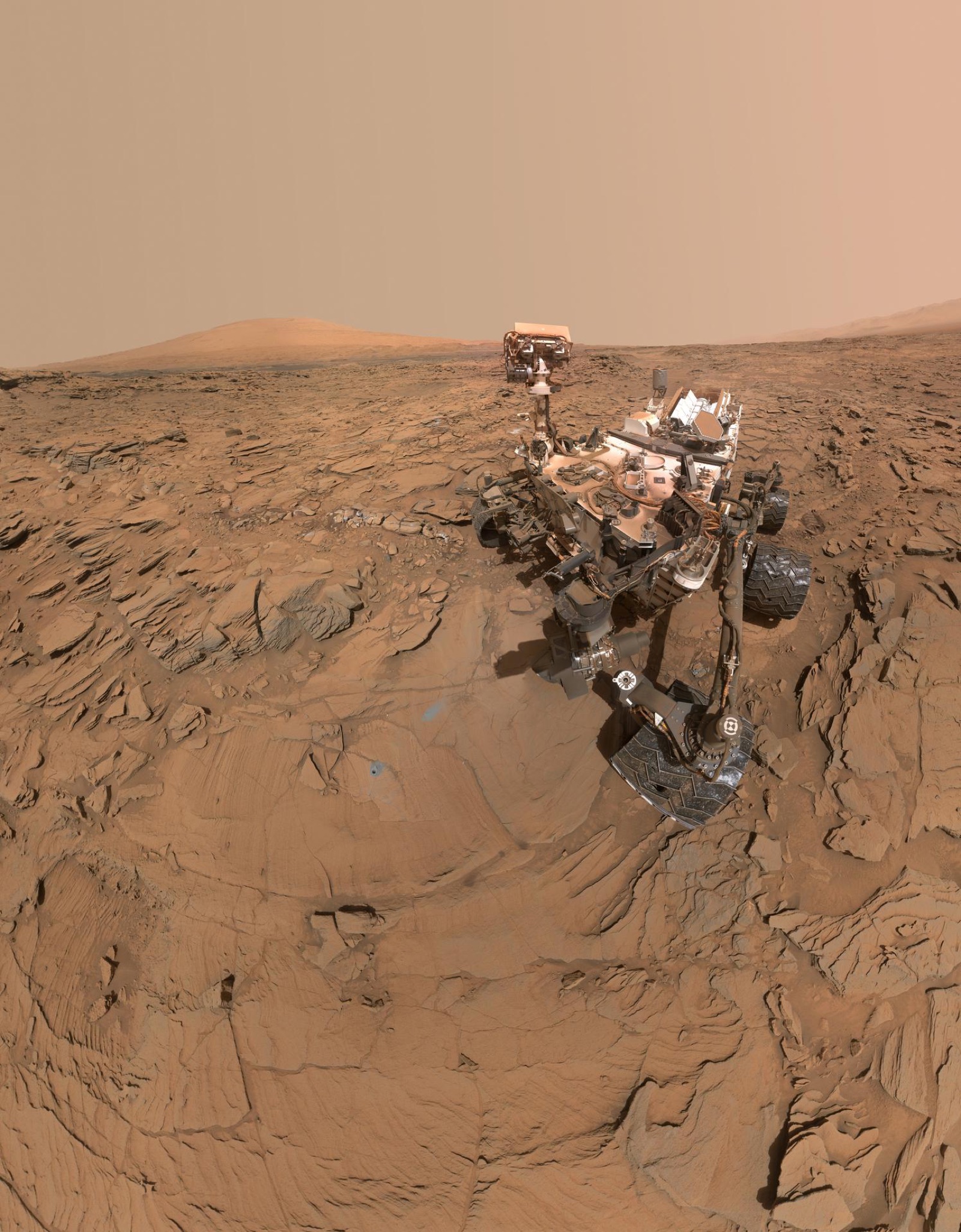 CuriosityThe rover that proved Mars was habitable. After a decade+, it is still climbing its…
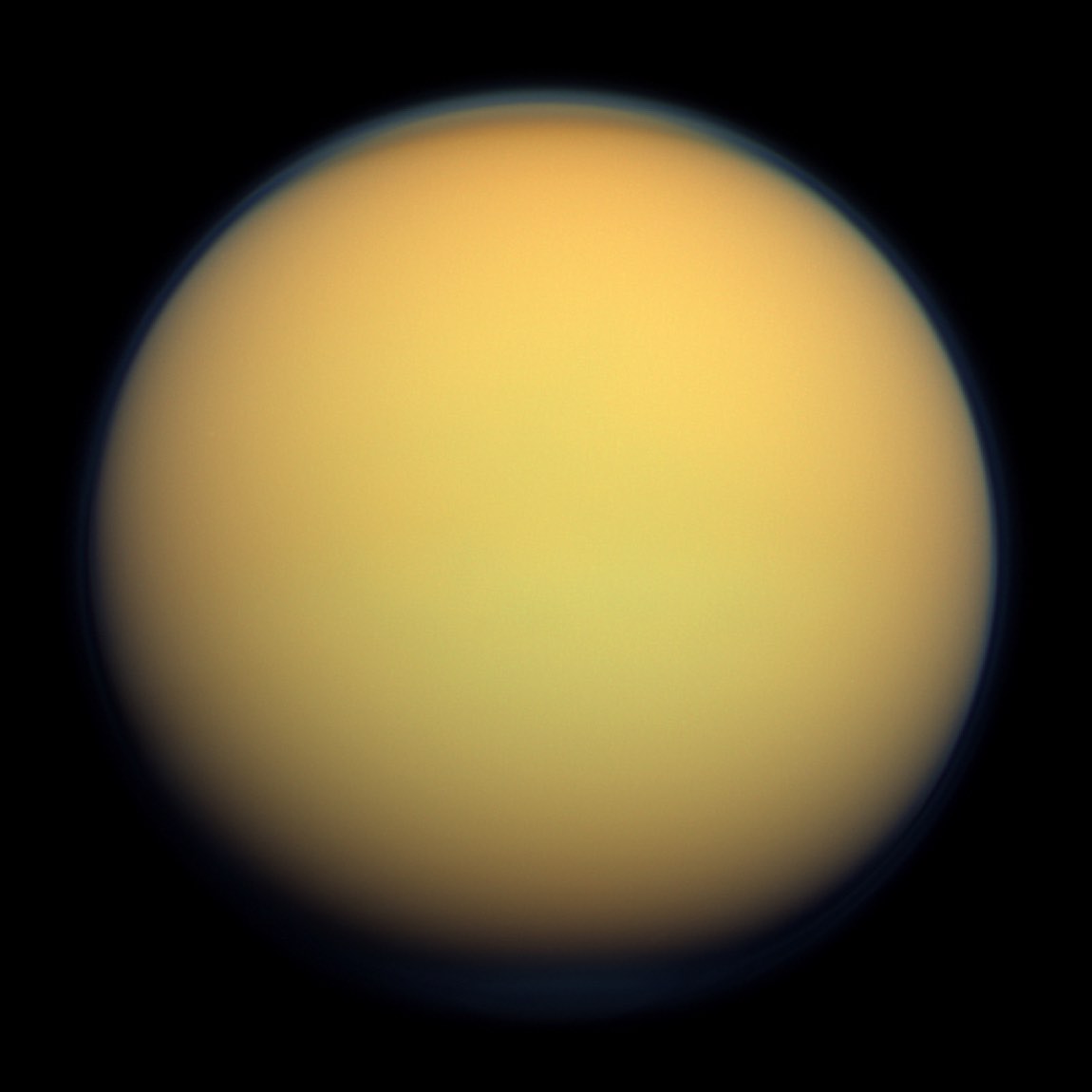 Cassini–HuygensIn thirteen years at Saturn, this mission found oceans where none should be.
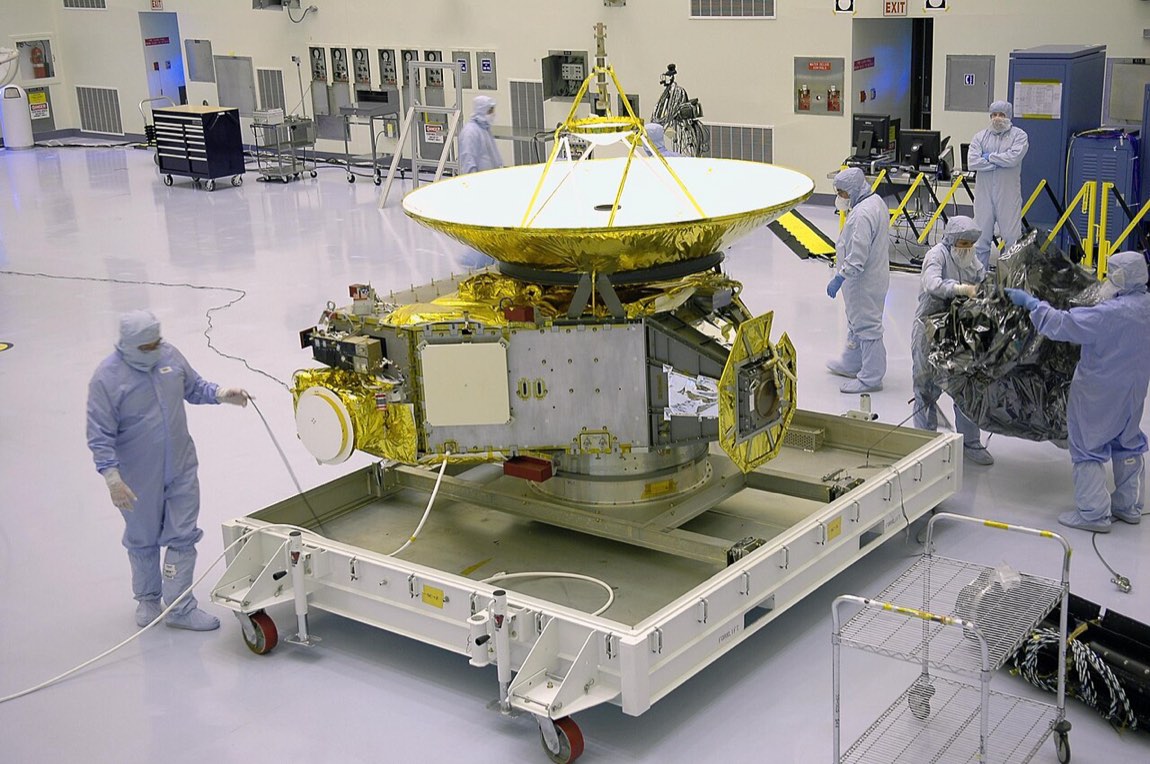 New HorizonsNine years to Pluto for nine days of revelation, after the fastest launch in history.
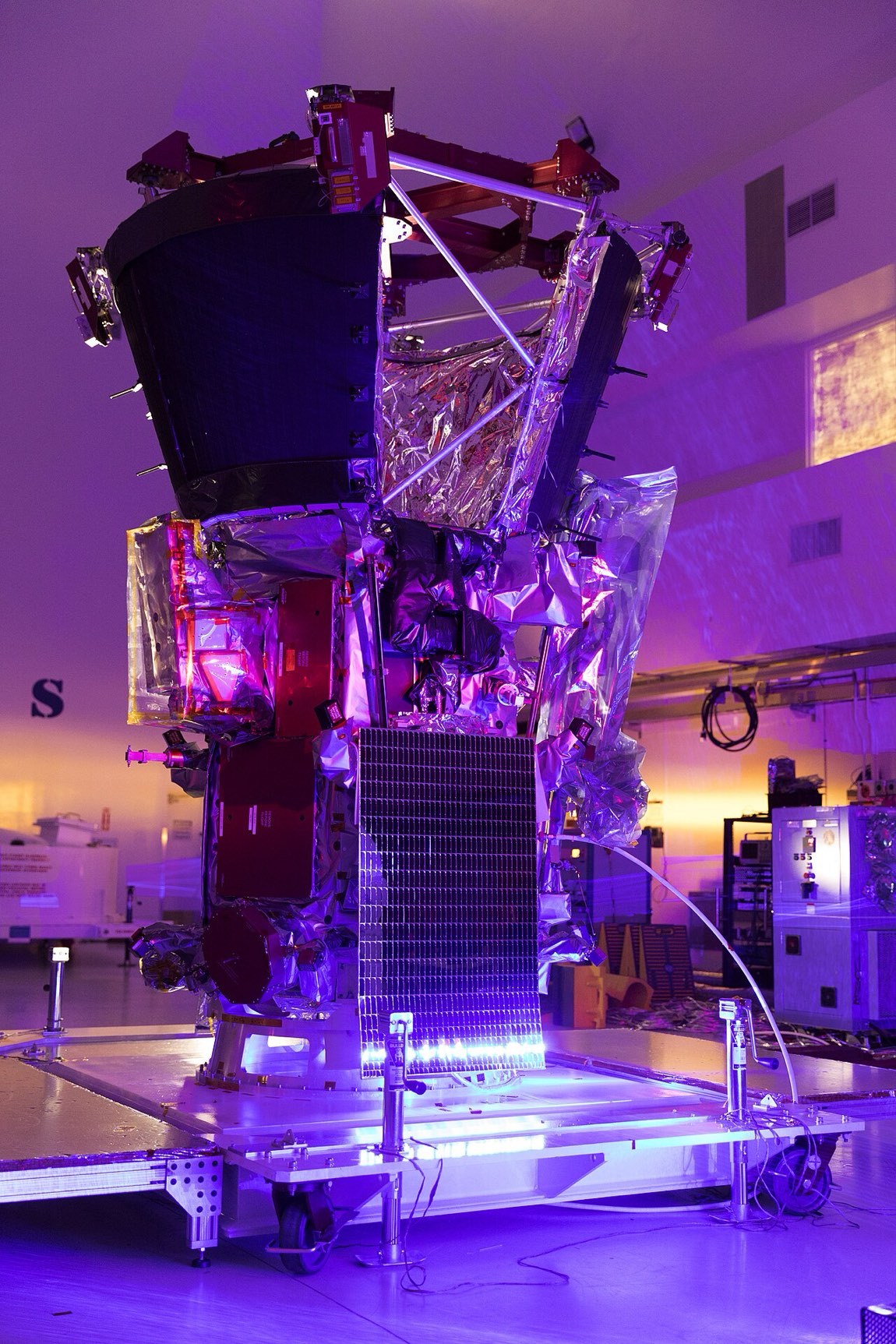 Parker Solar ProbeThe spacecraft that touched the Sun is also the fastest human-made object.
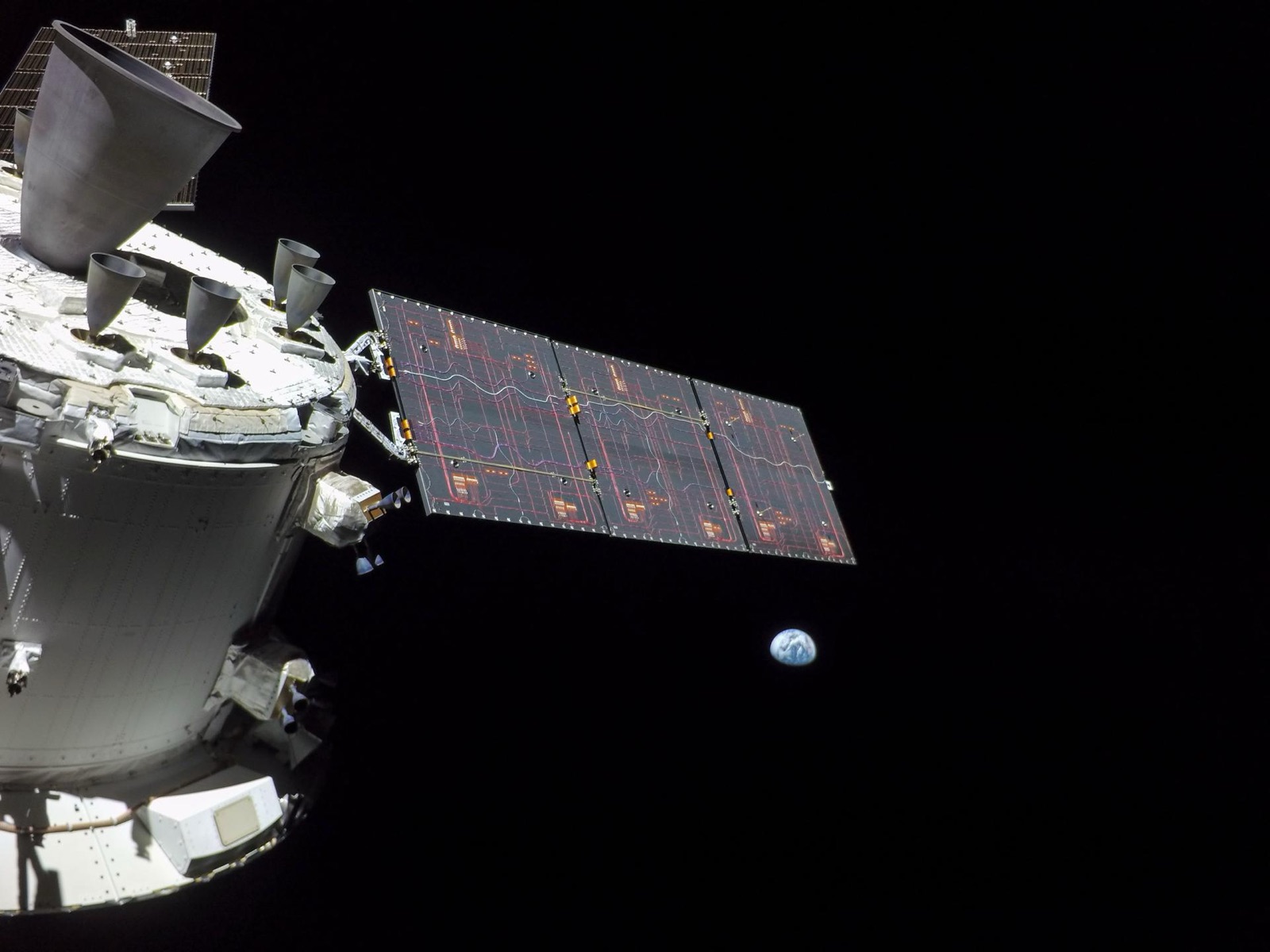 Artemis ProgramThe return to the Moon. This time, to stay.
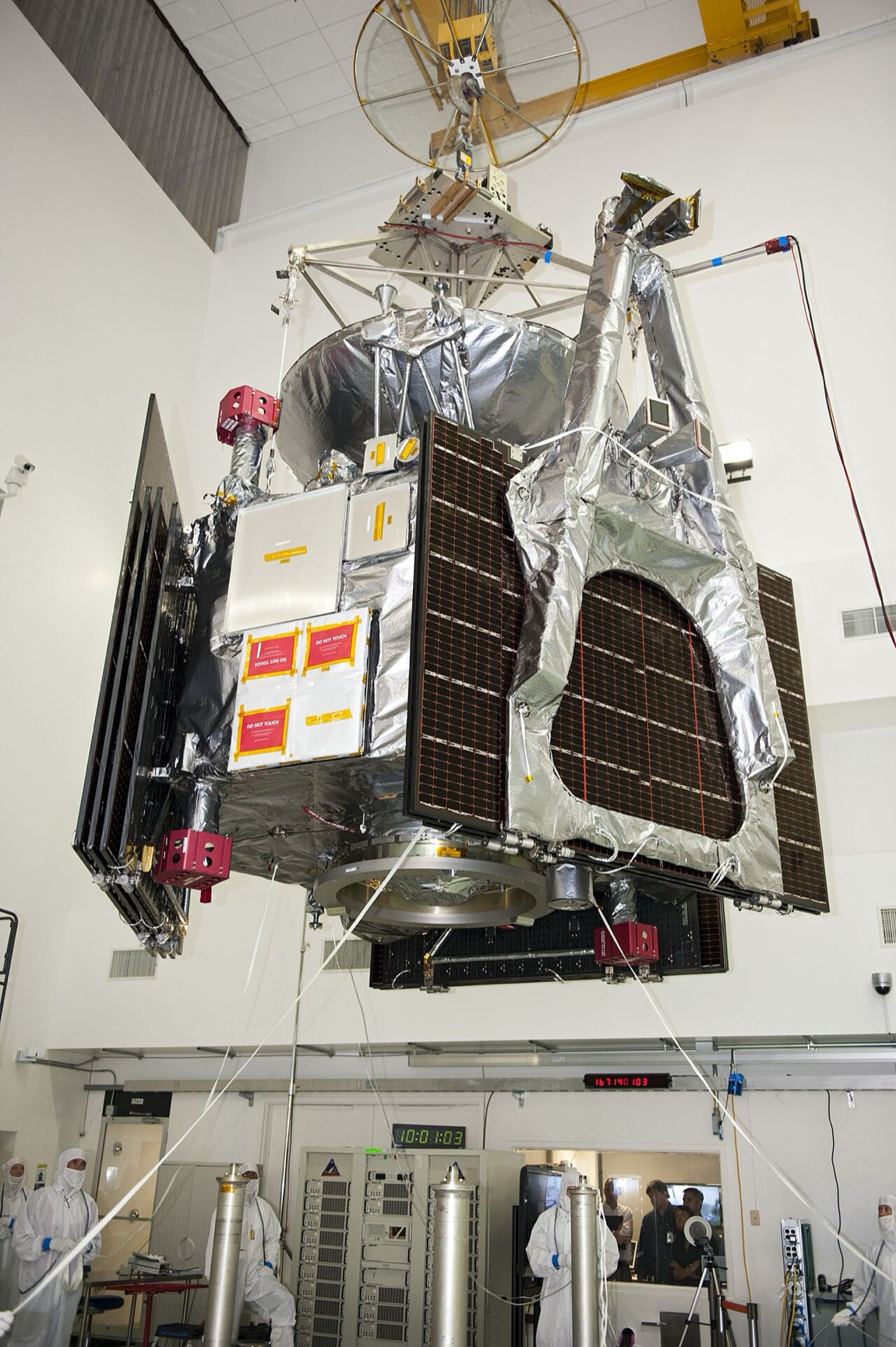 JunoA solar-powered orbiter that saw beneath the clouds, Juno is Jupiter's storm-chaser.
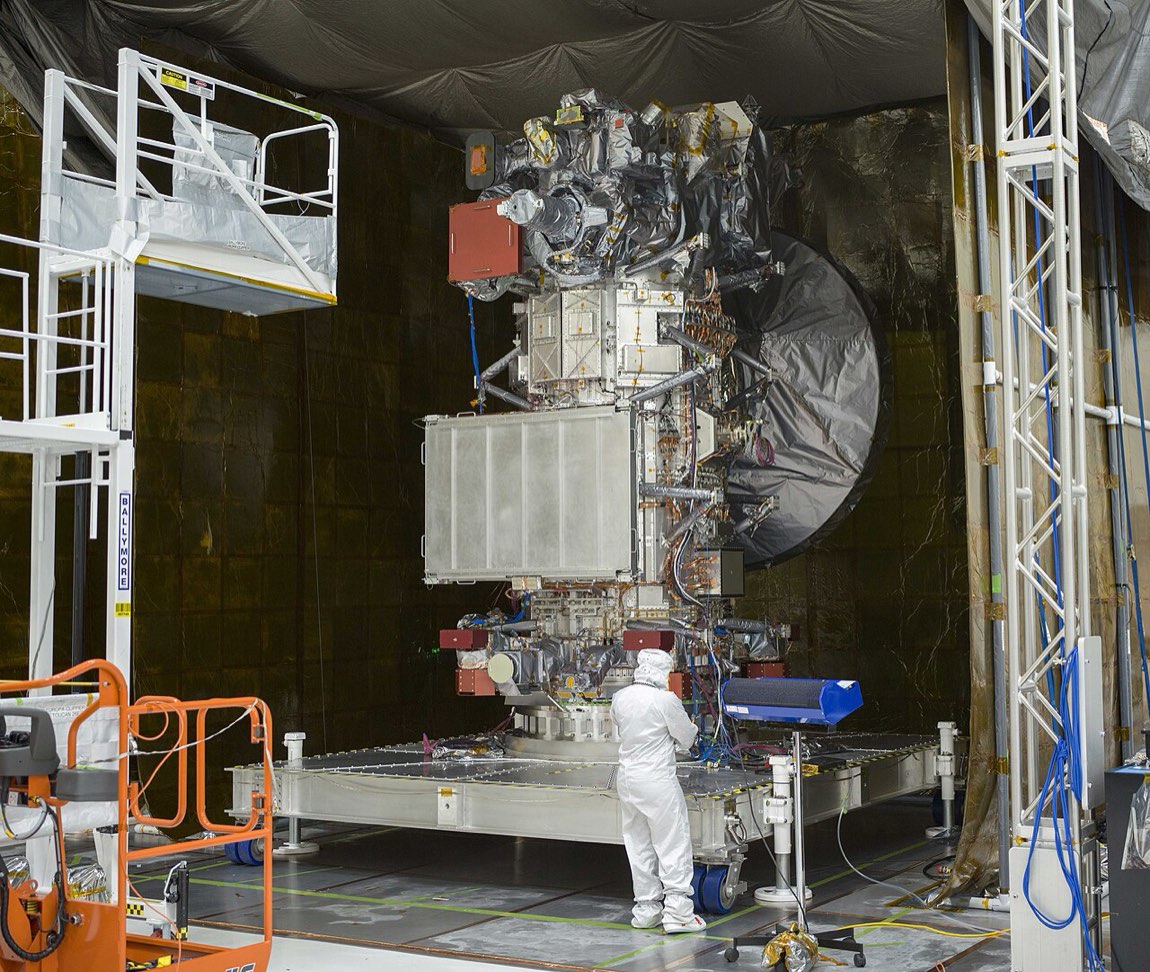 Europa ClipperThe biggest planetary spacecraft NASA has ever launched, now en route to the ocean moon.
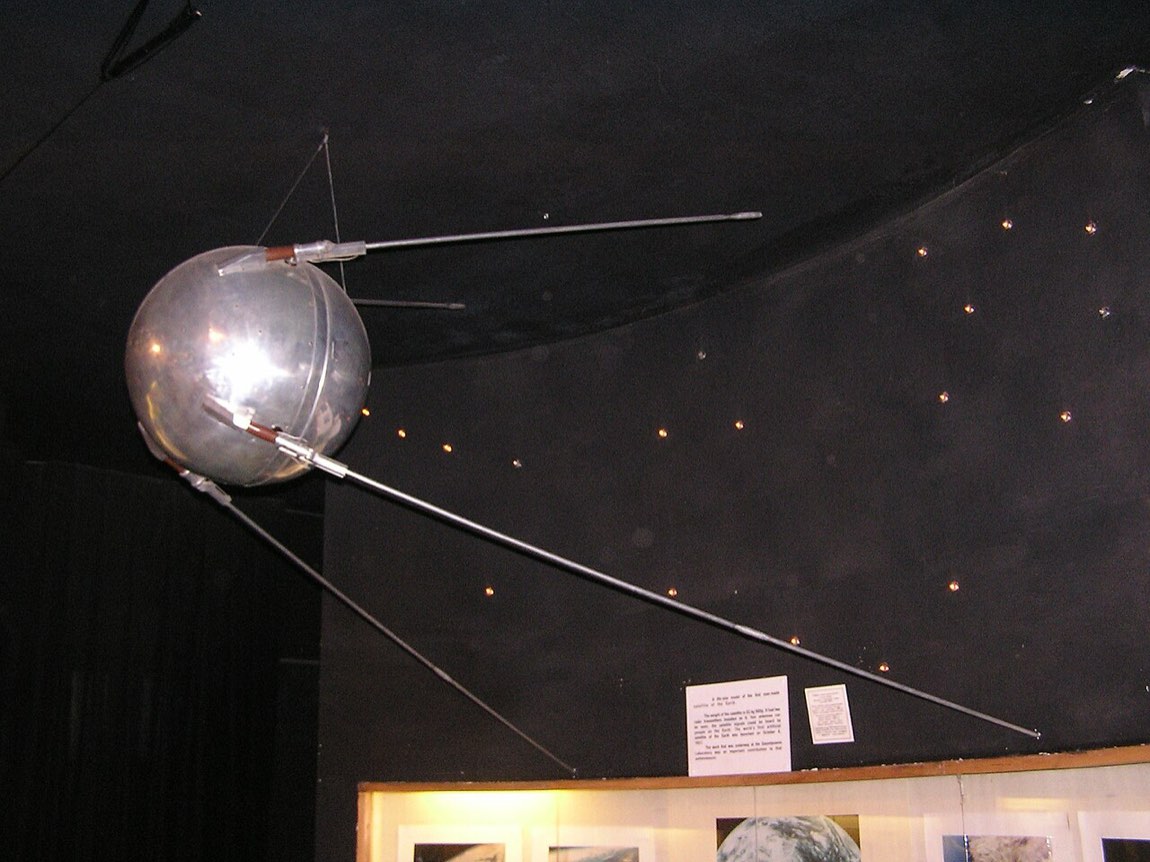 Sputnik 1The beep that started the Space Age.
 Vostok 1108 minutes that made Yuri Gagarin the first human in space.
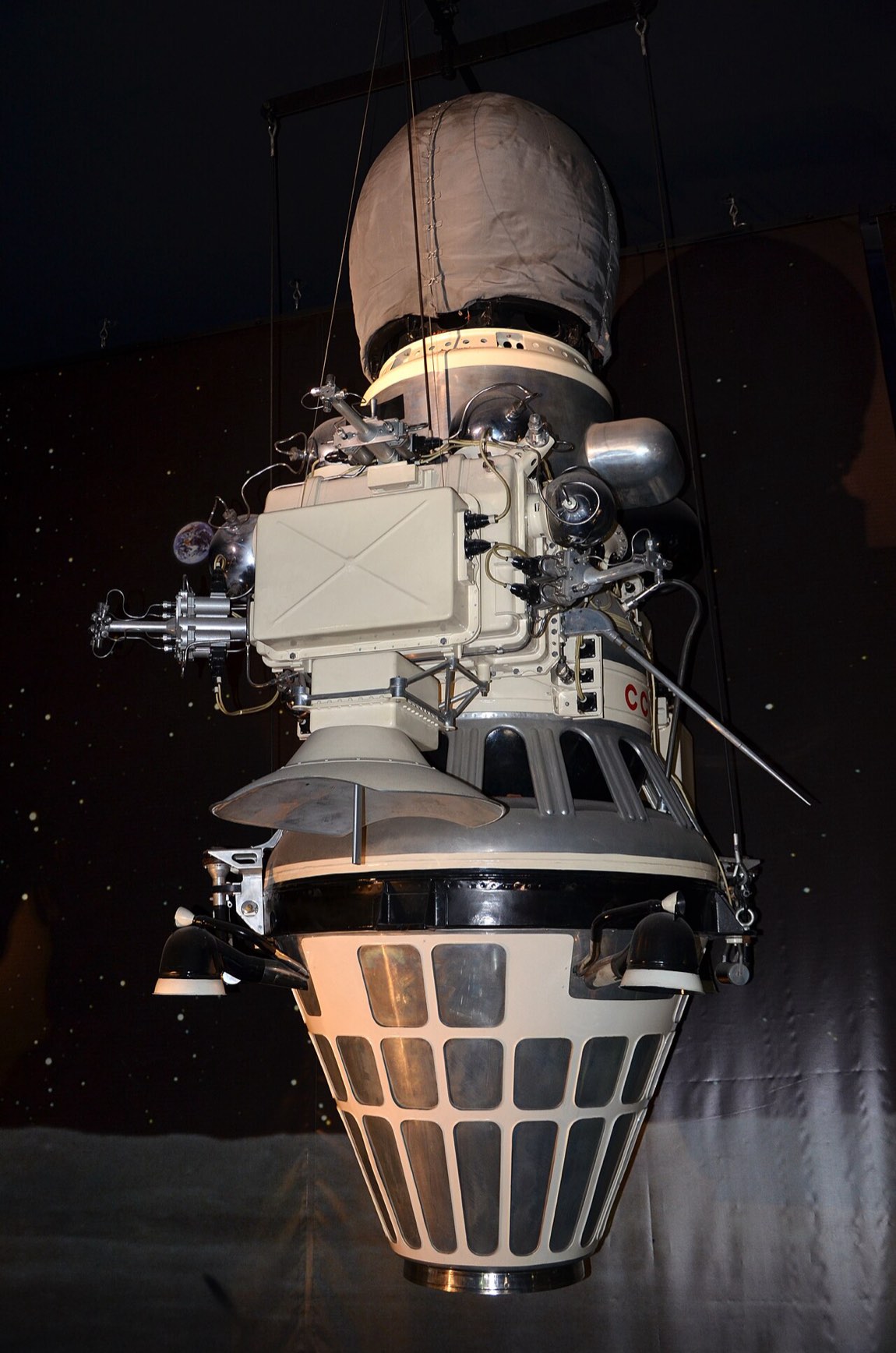 Luna 9The first soft landing on another world, and the first photos from its surface.
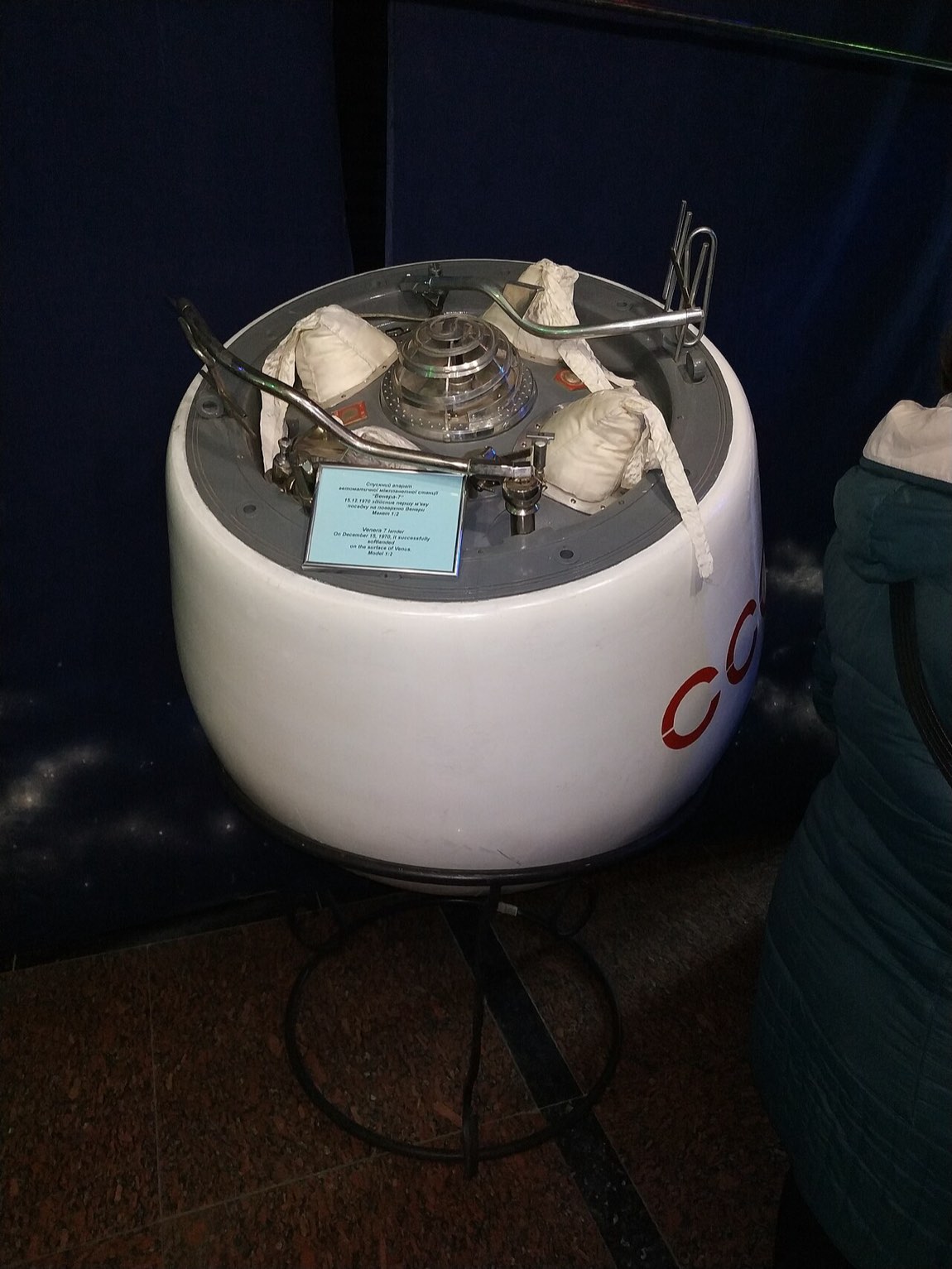 Venera 7The first landing on another planet sent back 23 minutes of data from Venus's furnace.
 Viking 1 & 2The first successful Mars landings, which also ran the first search for life there.
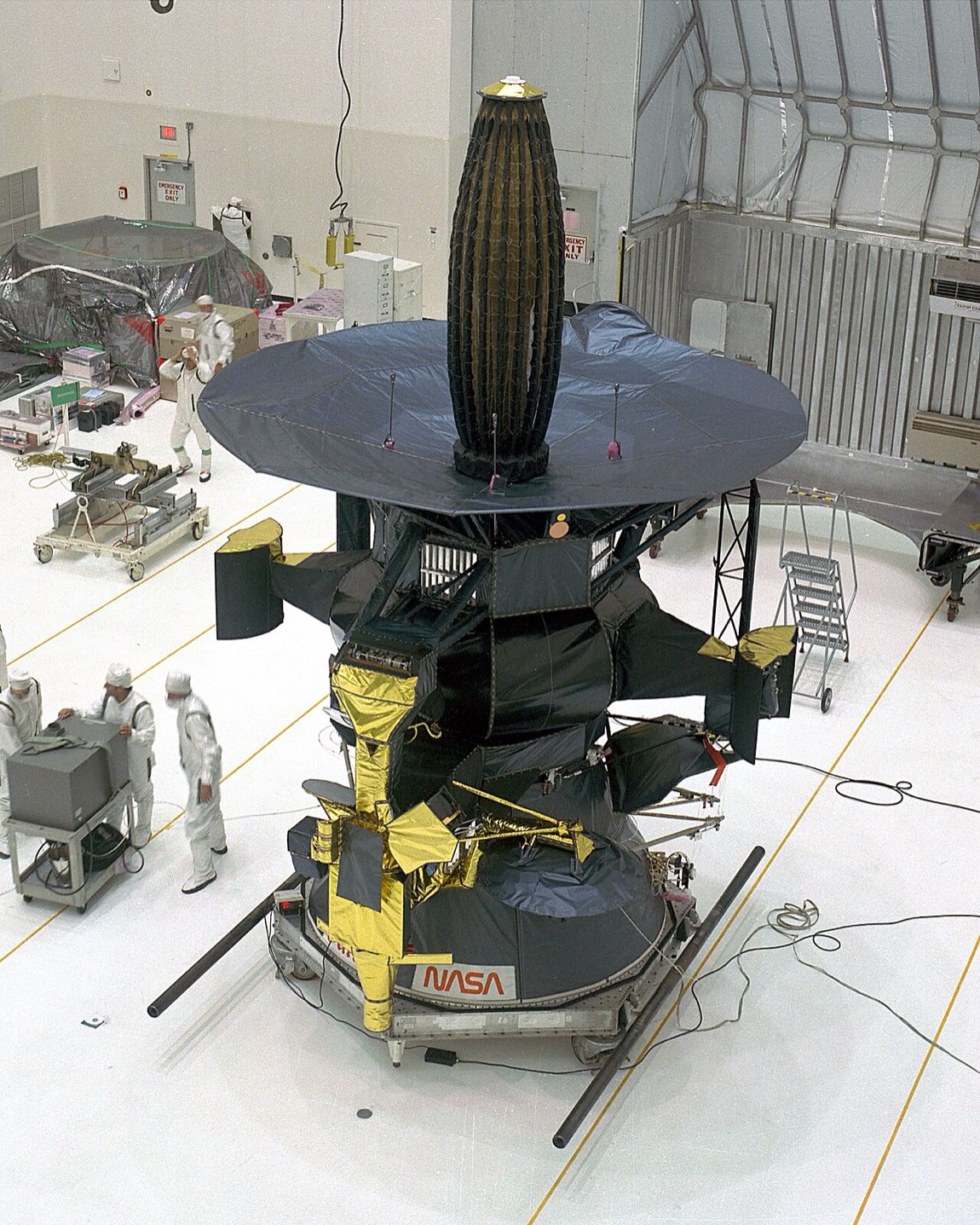 Galileo (Jupiter orbiter)Eight years inside Jupiter's system built the case for Europa's ocean.
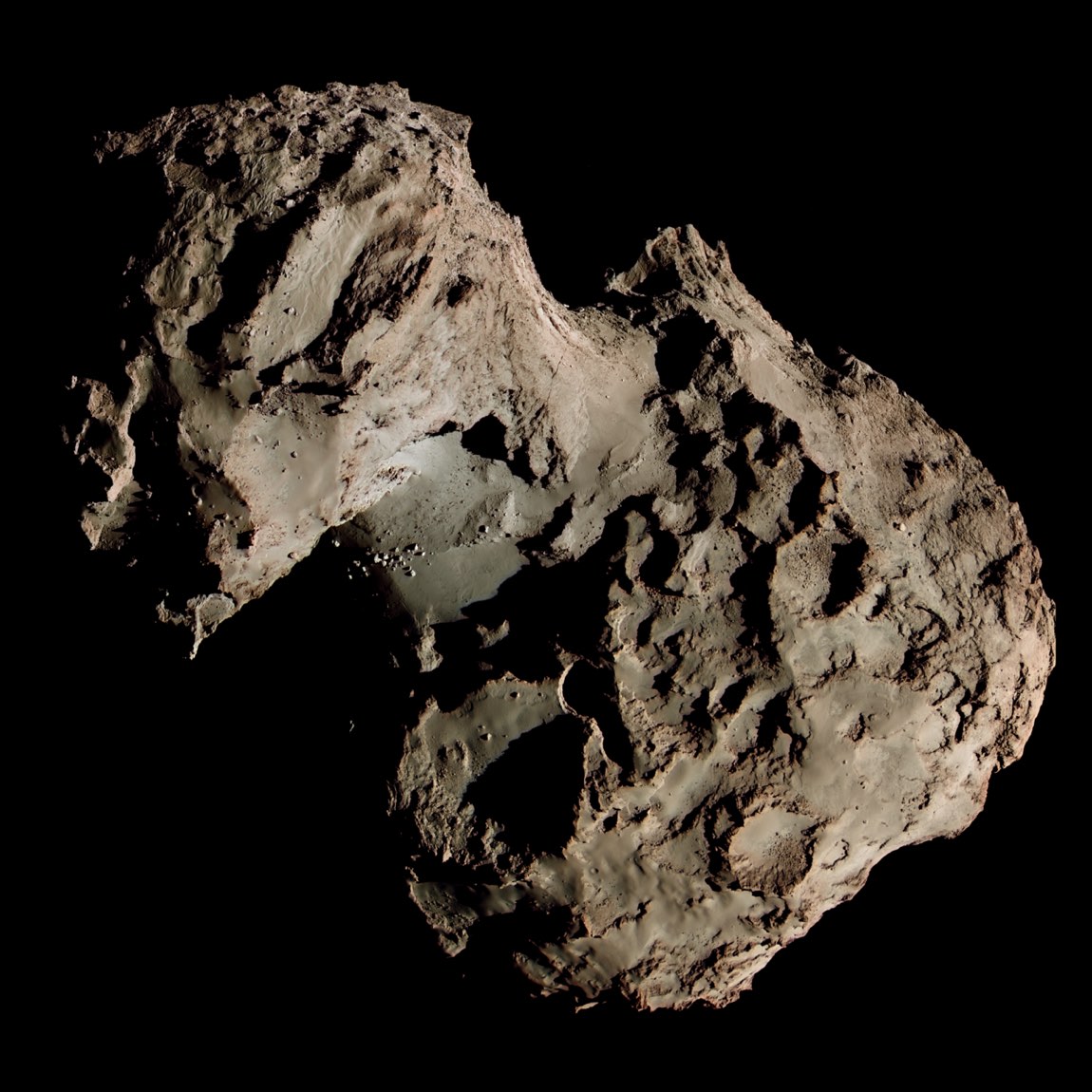 Rosetta & PhilaeEurope's comet chaser, and the first to orbit a comet and land on one.
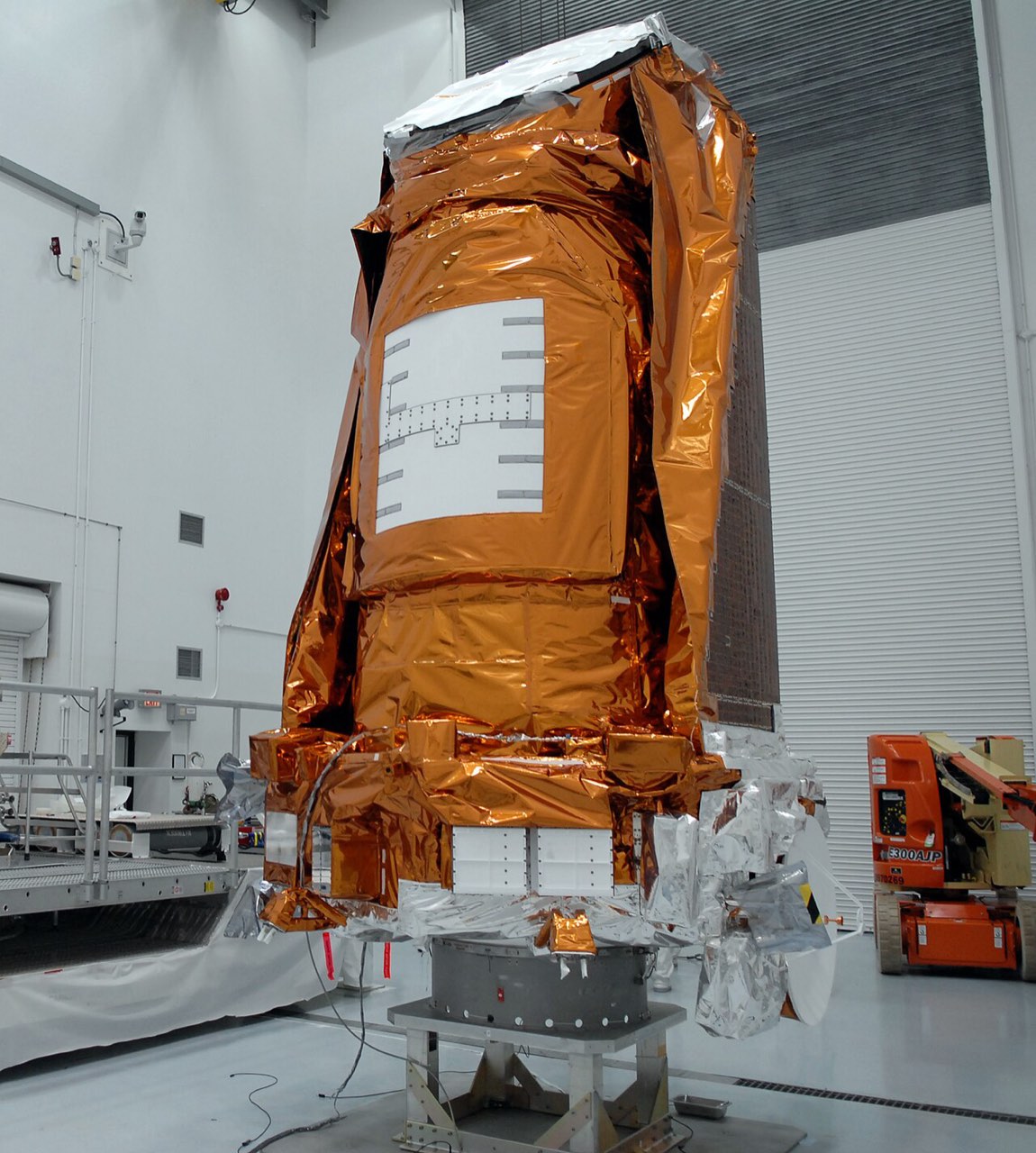 Kepler Space TelescopeThe census-taker of worlds, whose count proved that planets outnumber stars.
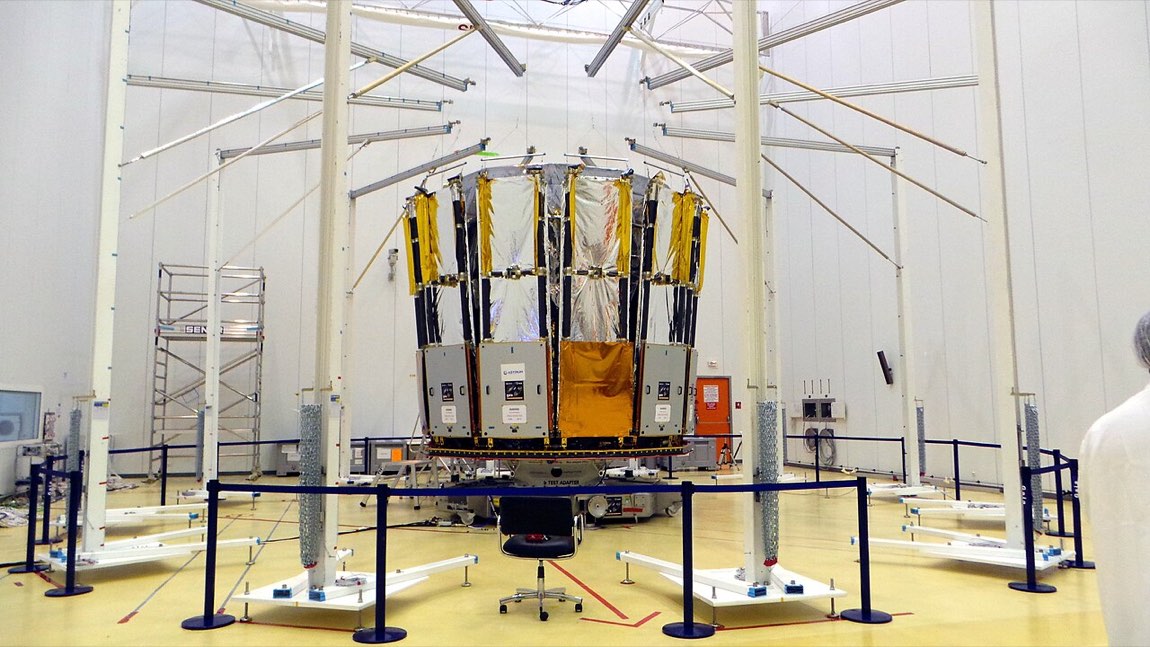 GaiaThe mission that mapped the Milky Way in 3D: the billion-star surveyor.
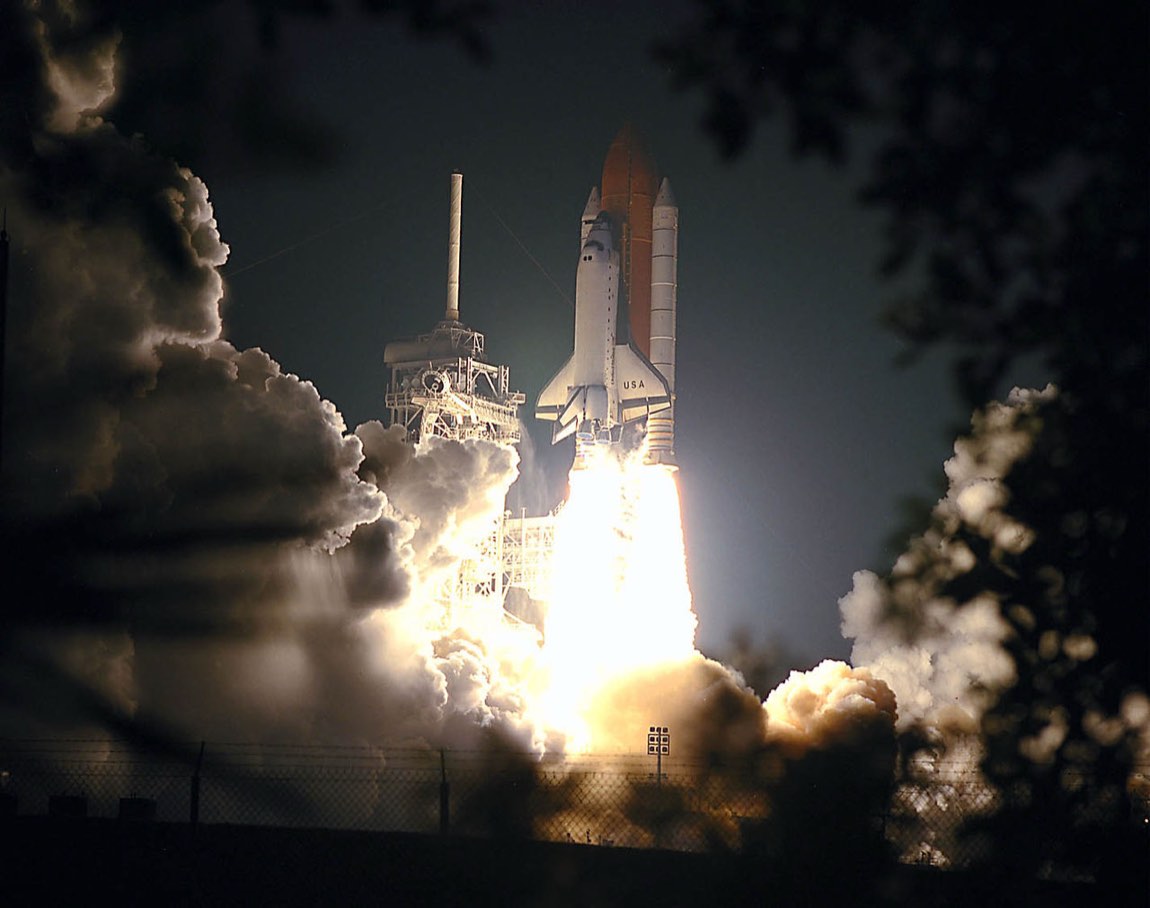 Chandra X-ray ObservatoryFor 25 years, NASA's X-ray flagship has been seeing the violent universe.
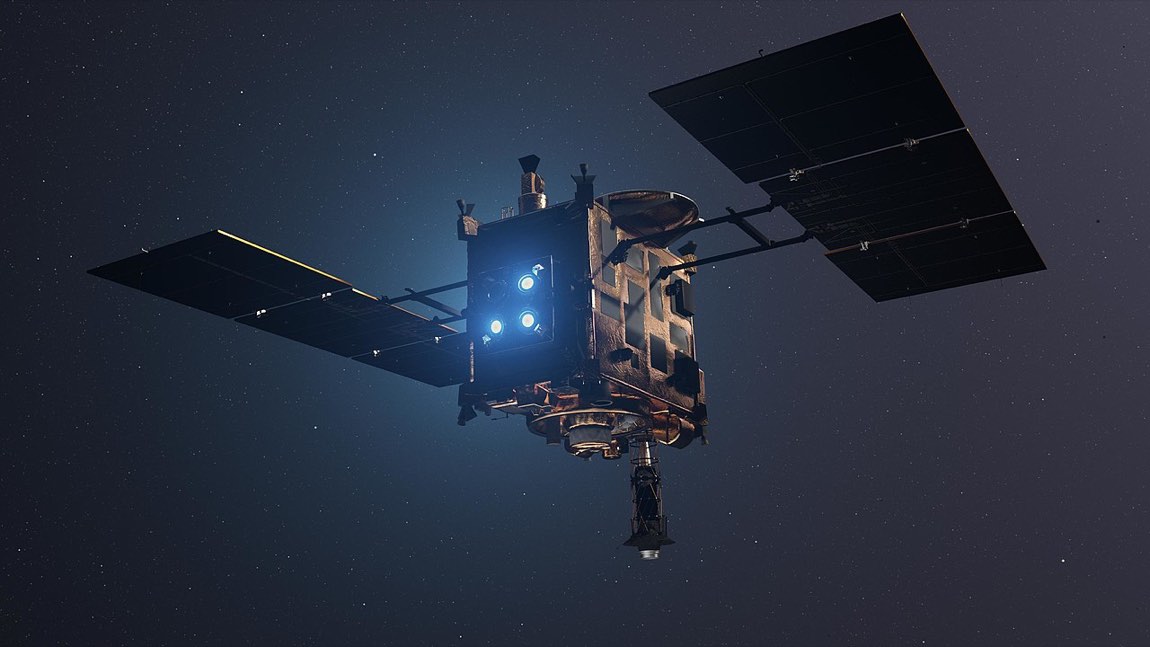 Hayabusa2Japan's asteroid raider: two landings, one crater, and samples on Earth.
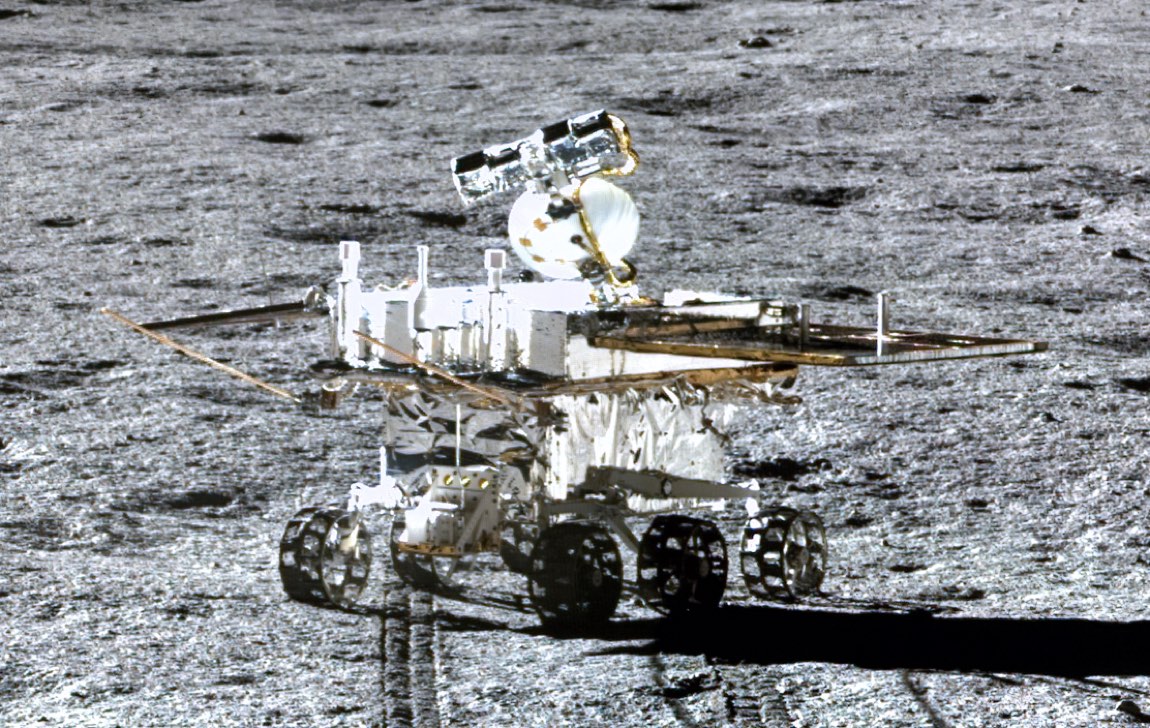 Chang'e ProgramChina's Moon program went first to the far side and came home with samples twice.
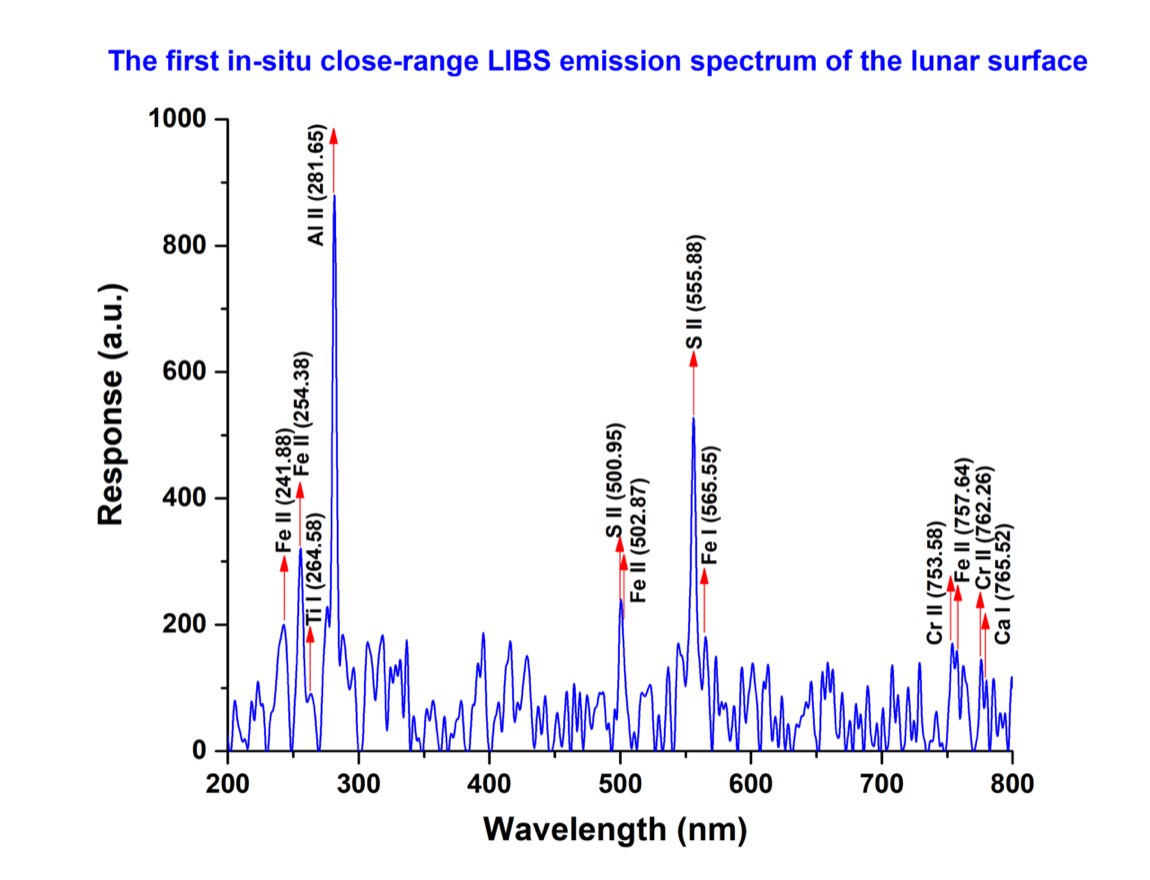 Chandrayaan-3The first landing in the Moon's south polar region, and India's triumph.
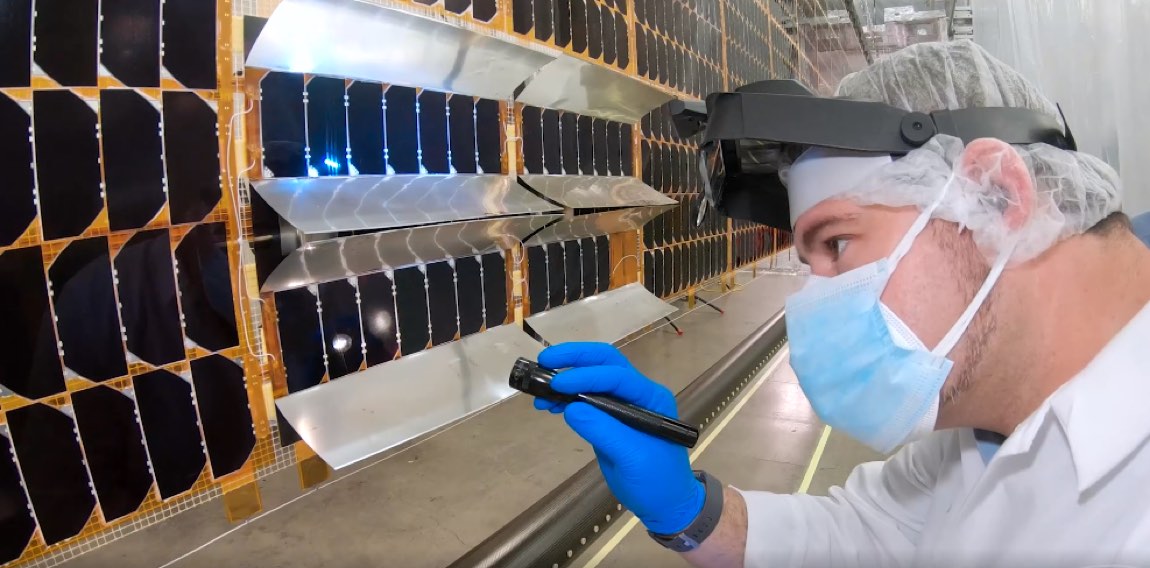 DARTThe day humanity moved an asteroid. Planetary defense, demonstrated.
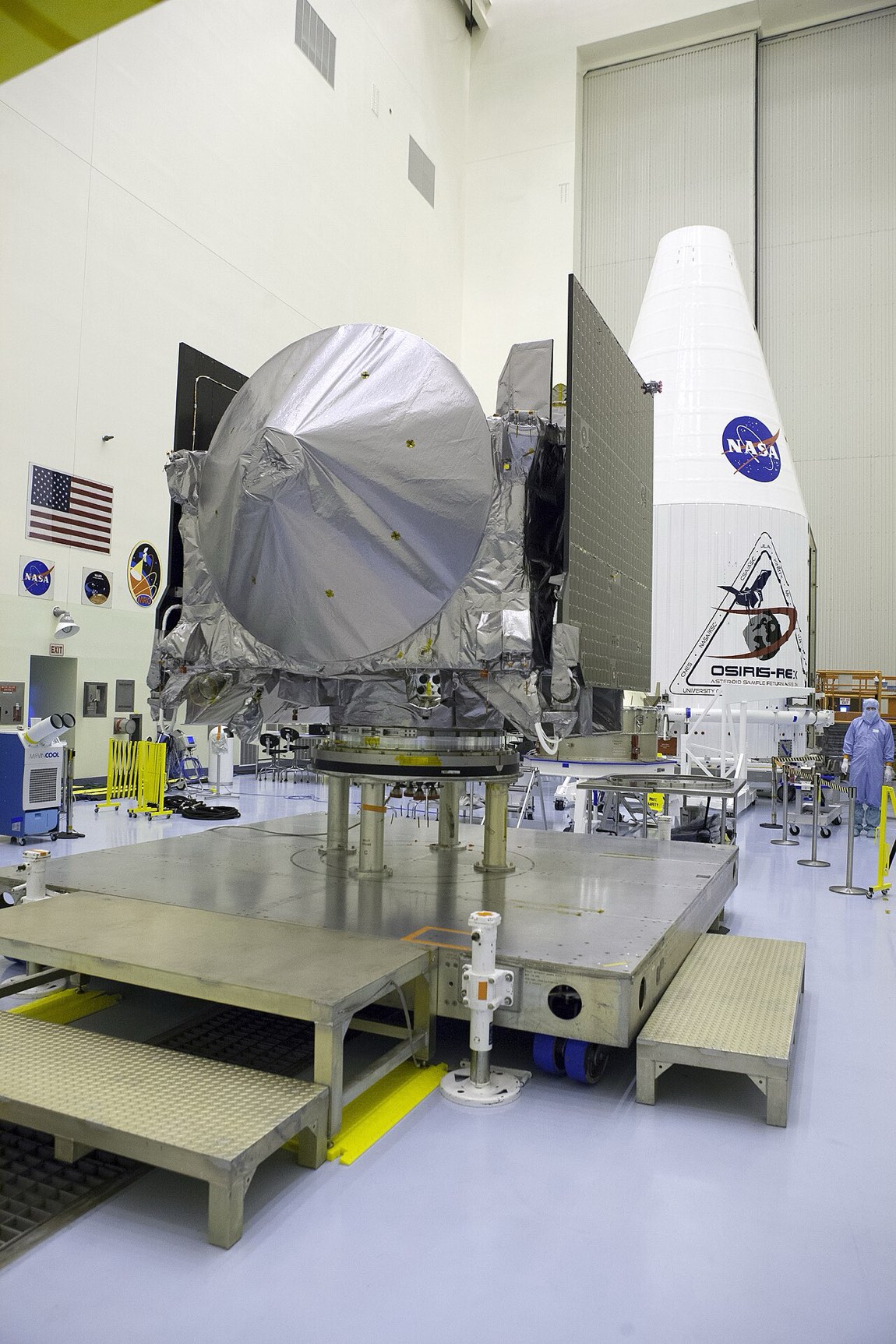 OSIRIS-RExAmerica's asteroid courier delivered 121 grams of Bennu by parachute.
Exoplanets4
Proxima Centauri bCircling the star next door, this Earth-mass world is the closest possible exoplanet.
TRAPPIST-1eAstronomy's favorite habitable-zone world: rocky, temperate, and testable.
Kepler-452bA possibly rocky world in a Sun-like star's habitable zone, nicknamed 'Earth's older…
51 Pegasi bThe planet that started it all was the first world found orbiting a normal star.