The Solar System
One star, eight planets, hundreds of moons, and trillions of leftovers. Travel outward from the Sun.
How big? How far?
If the Sun were a basketball in the goal circle, Earth would be a peppercorn 26 meters away, and Neptune a small bead almost 800 meters down the street. The planets below are shown at true RELATIVE sizes (the Sun would not fit on your screen).
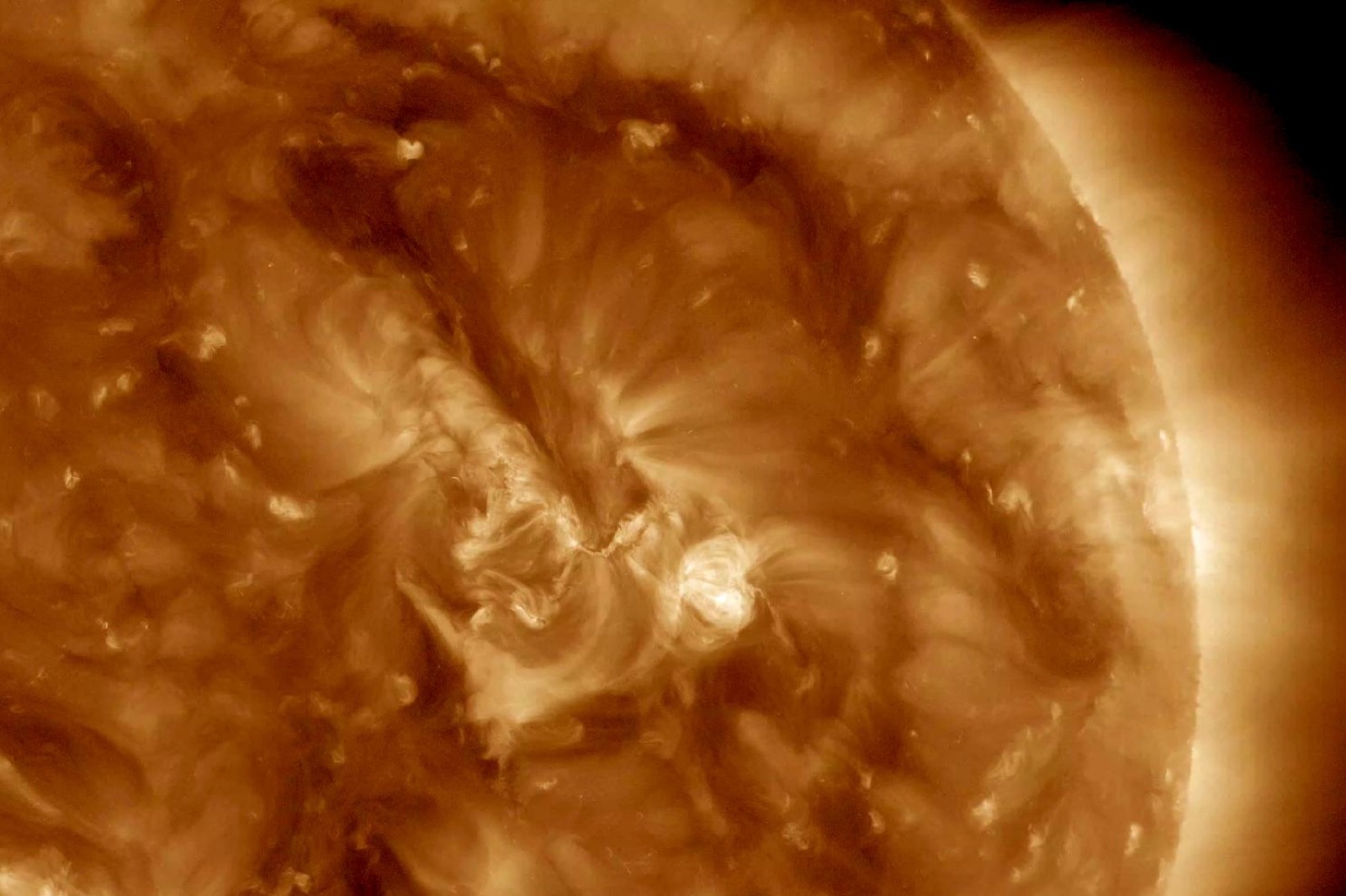
Star
The Sun The star at the center of our Solar System, and the engine that powers almost everything on Earth. About 149.6 million km from Earth (1 astronomical unit) — sunlight takes 8.3 minutes to reach us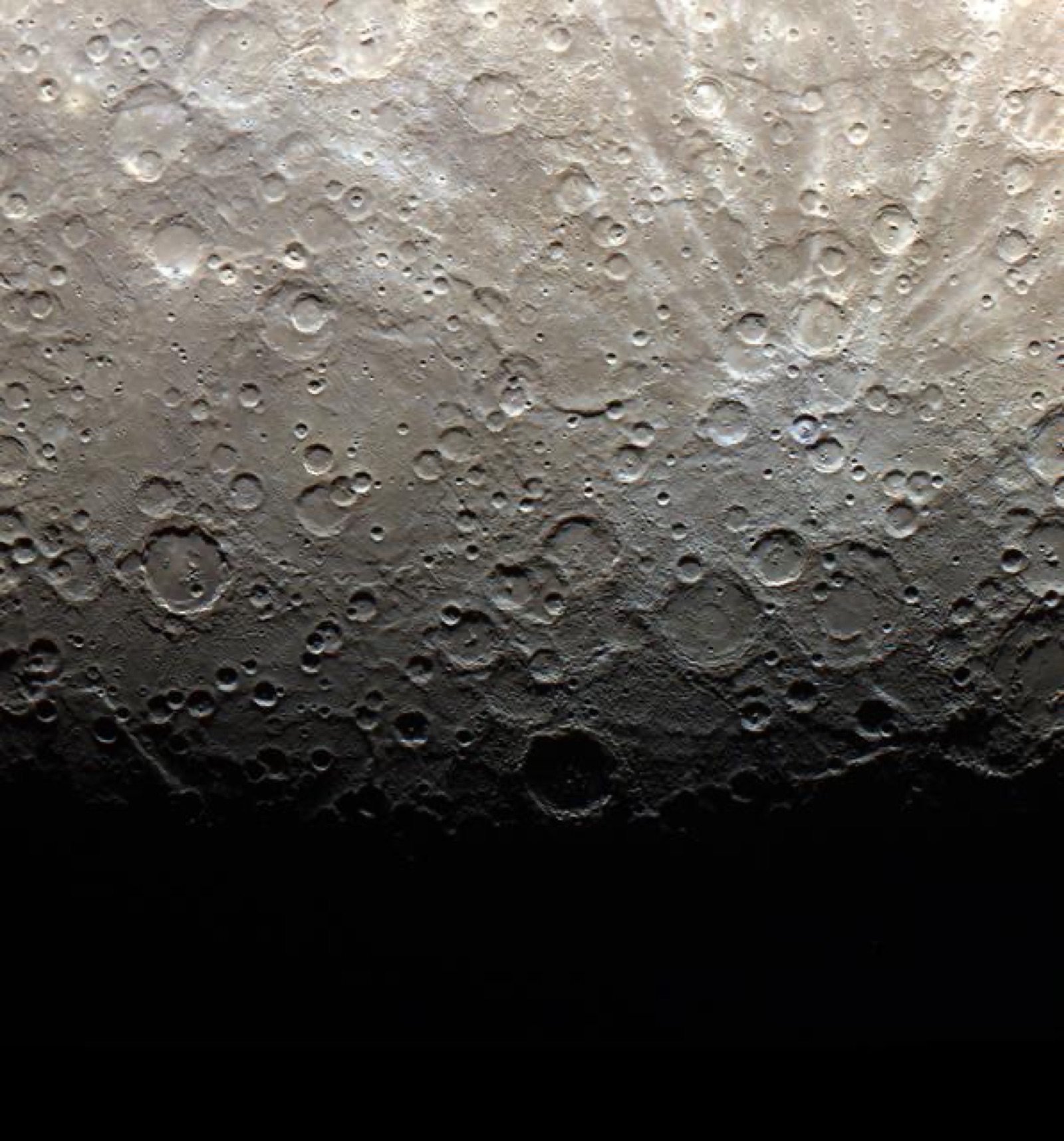
Planet
Mercury Smallest of the planets and closest to the Sun, Mercury is a cratered world of brutal extremes. From 77 million to 222 million km from Earth depending on orbits; on average about 155 million km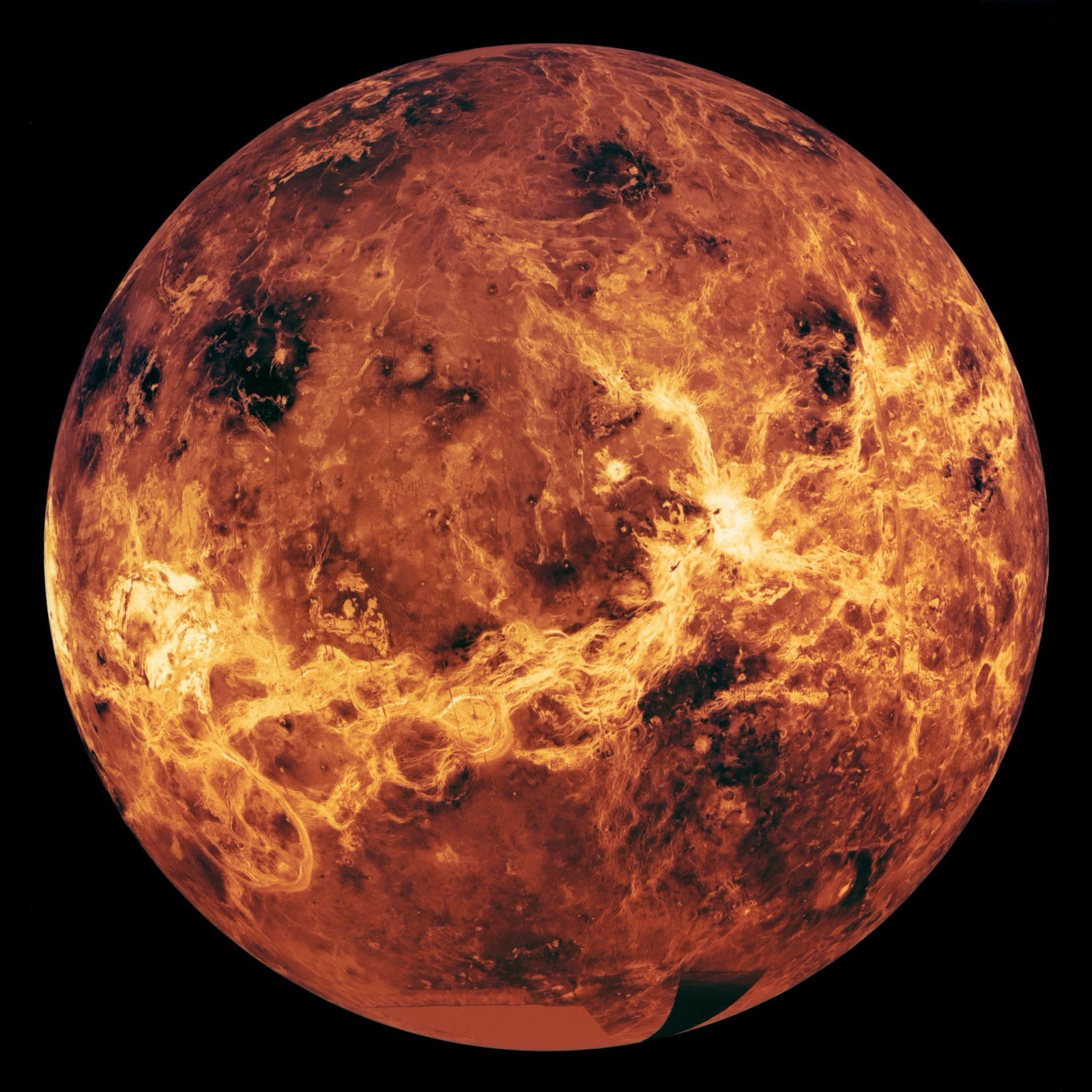
Planet
Venus Earth's overheated twin is a runaway greenhouse world hidden under acid clouds. From 38 million to 261 million km from Earth; it comes closer to us than any other planet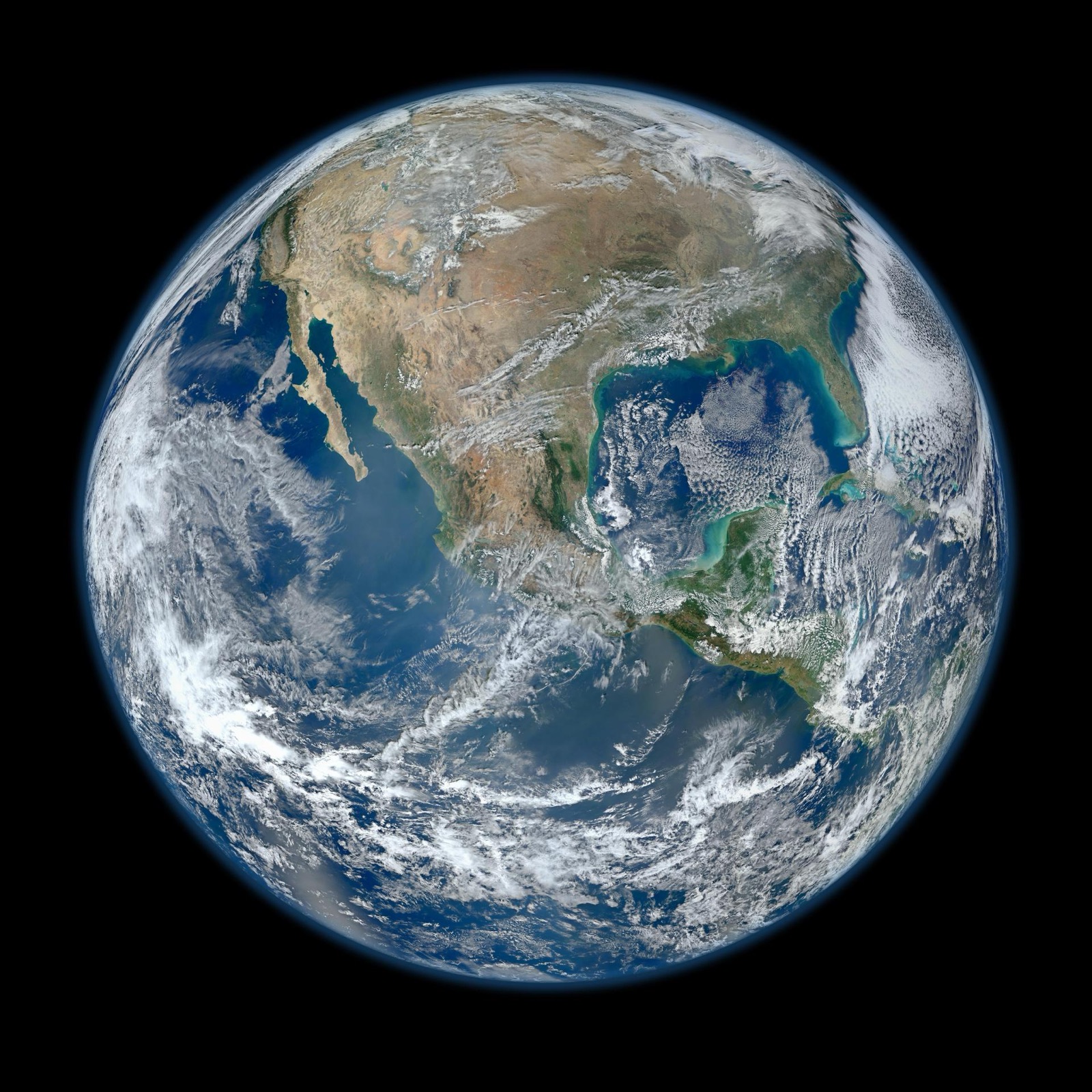
Planet
Earth The only place in the universe where life is confirmed to exist. We call it home. You are here — 149.6 million km from the Sun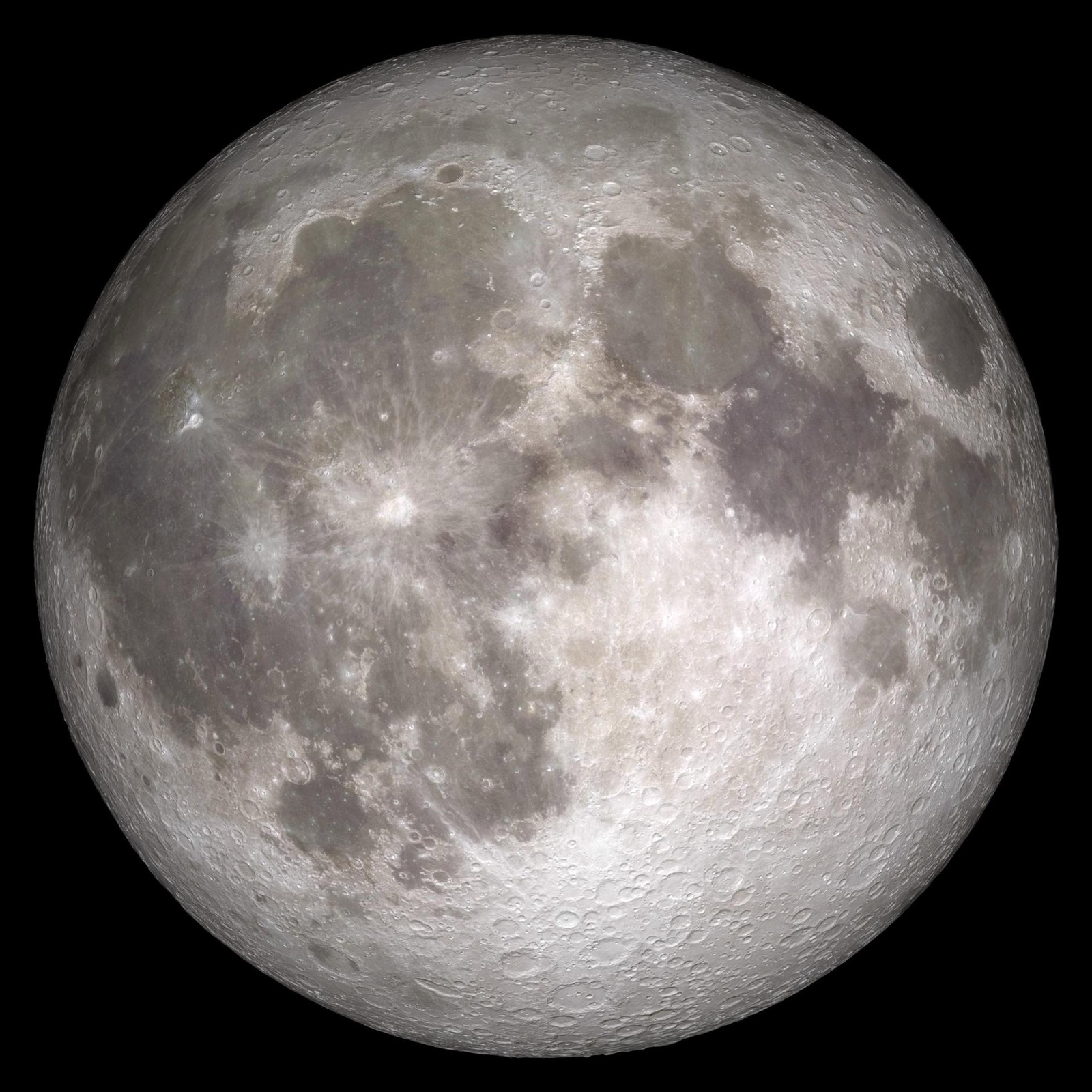
Moon
The Moon Humans have walked on only one other world: Earth's constant companion. 384,400 km on average — light makes the trip in 1.3 seconds; Apollo took about 3 days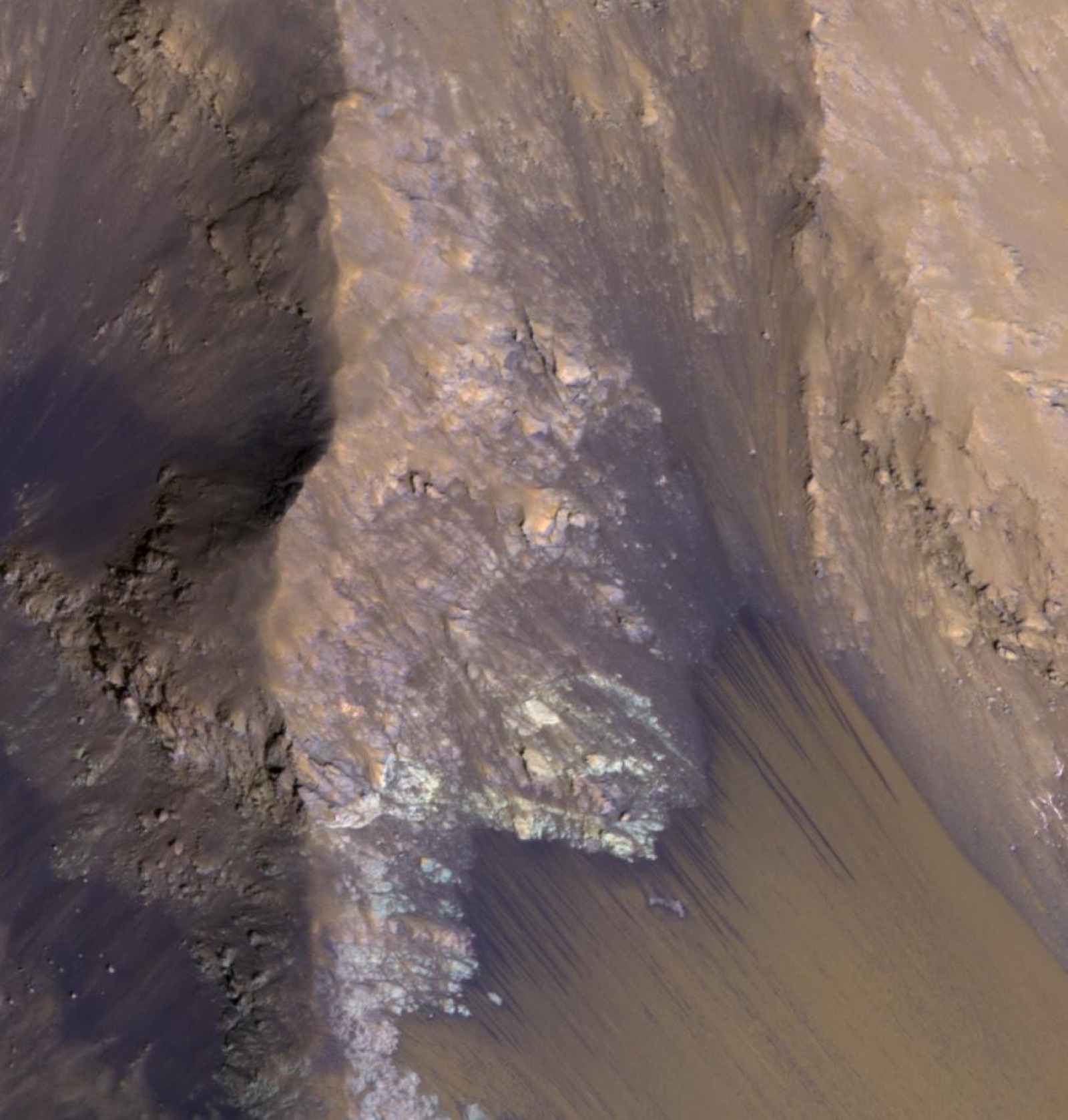
Planet
Mars Once wet, now cold, the rusty desert world next door is the main target for human exploration. From 55 million to 400 million km from Earth; about 225 million km on average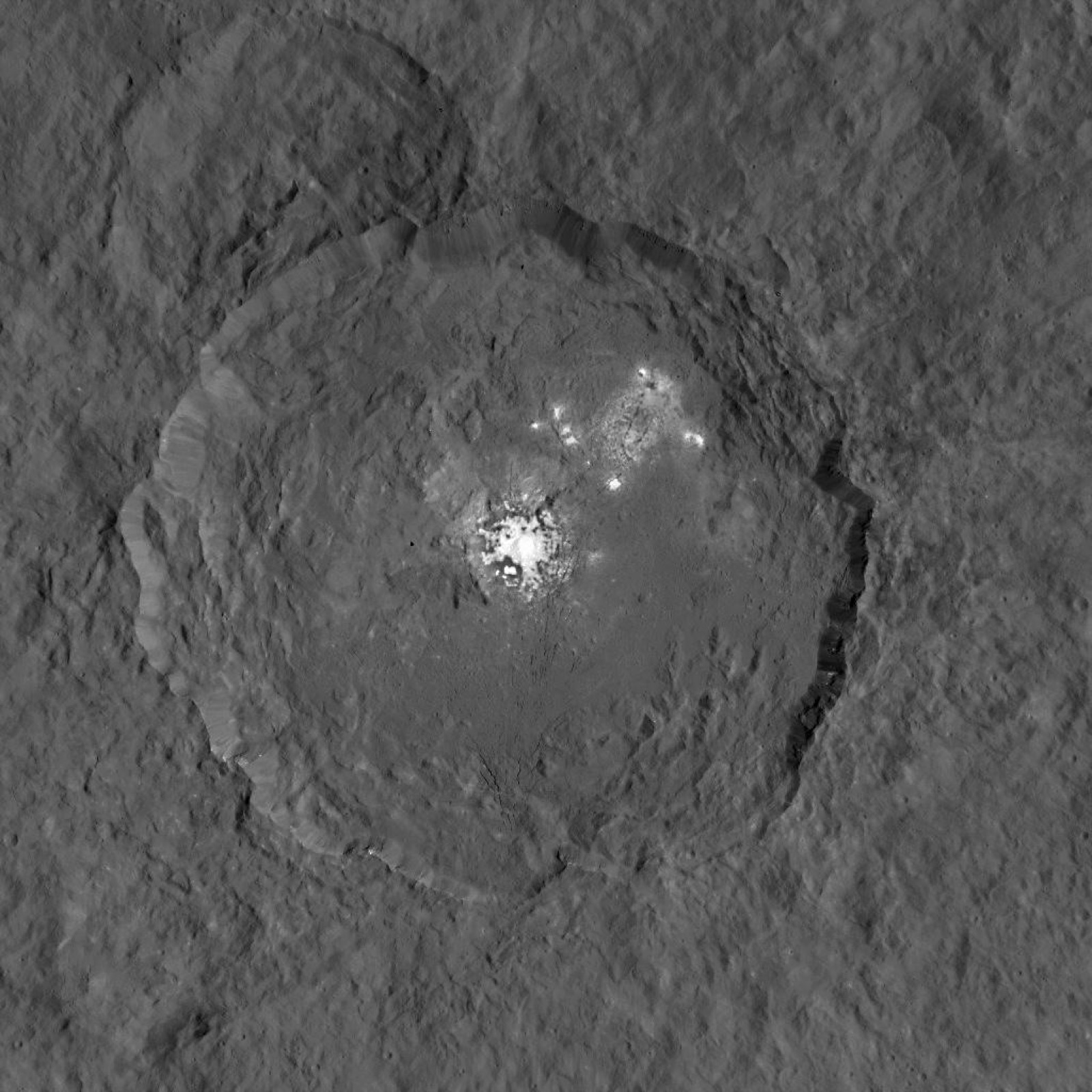
Dwarf Planet
Ceres The largest object in the asteroid belt is a dwarf planet with salty bright spots and buried brine. About 260 to 590 million km from Earth, in the main asteroid belt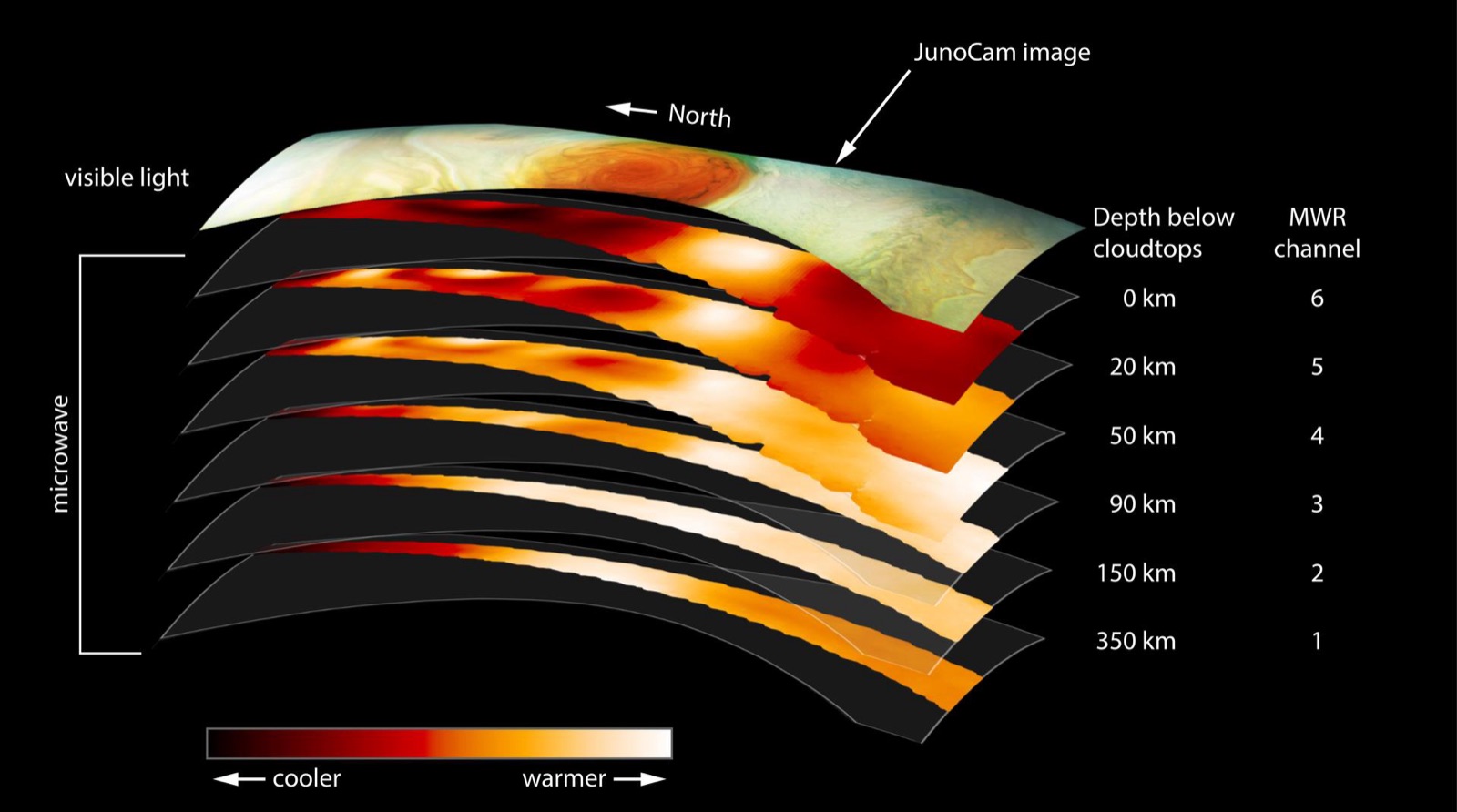
Planet
Jupiter The giant of the Solar System. This striped gas world could swallow 1,300 Earths. From 588 million to 968 million km from Earth; light takes 35–52 minutes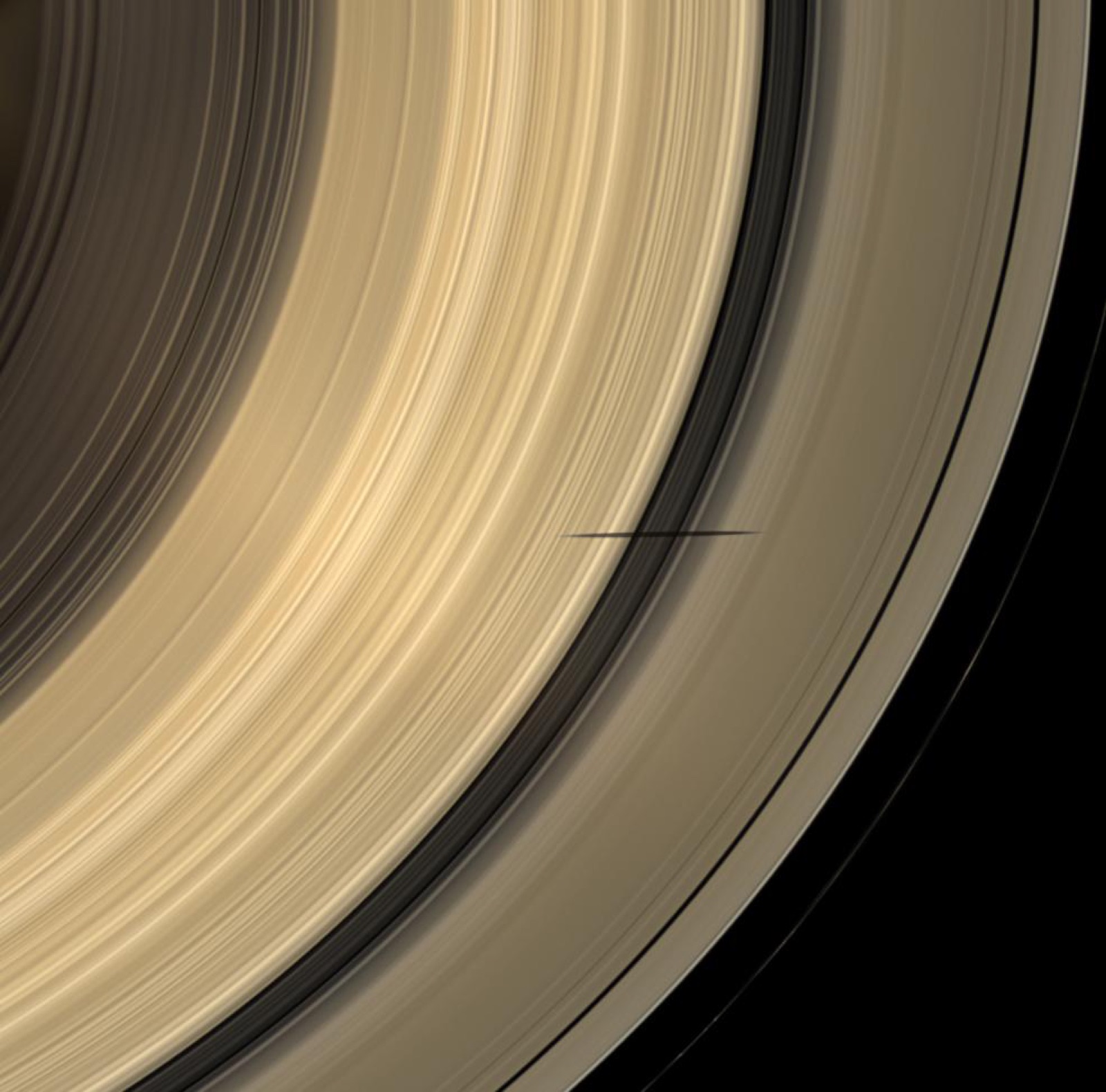
Planet
Saturn Wrapped in rings of ice, this golden gas giant is the jewel of the Solar System. About 1.2 to 1.7 billion km from Earth; light takes 66–94 minutes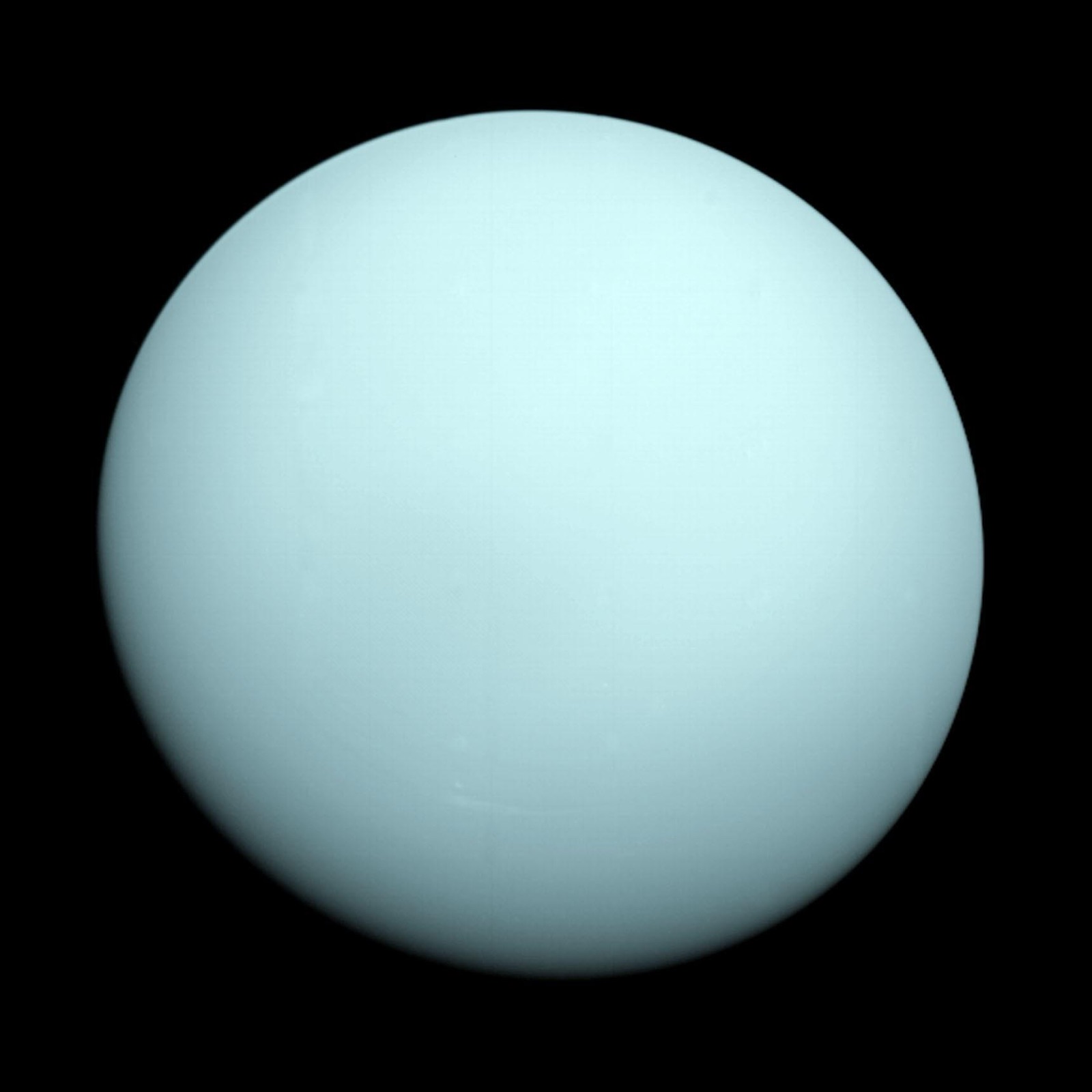
Planet
Uranus The sideways planet: an ice giant that rolls around the Sun on its side. About 2.6 to 3.2 billion km from Earth; light takes about 2.7 hours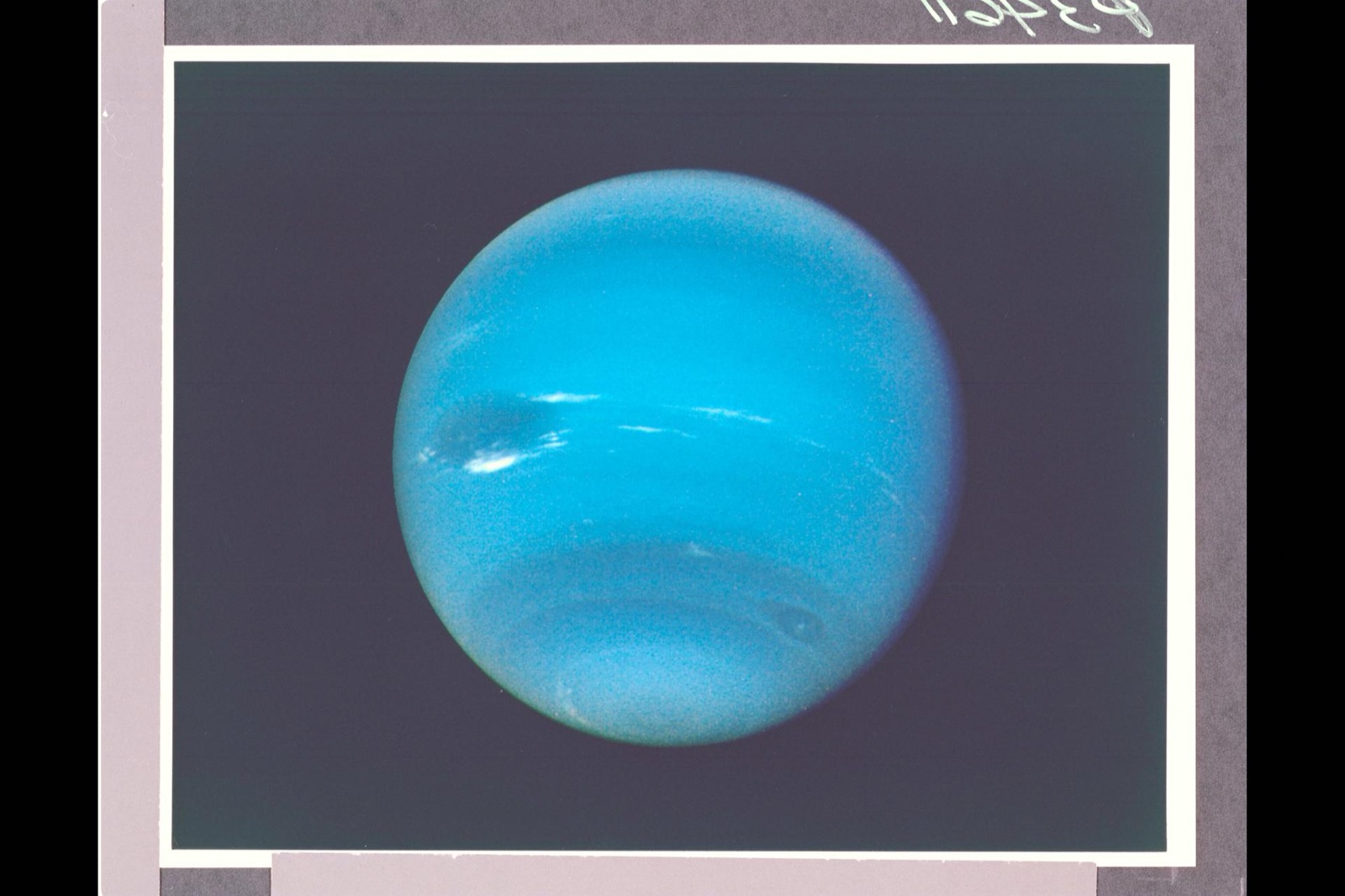
Planet
Neptune The wildest winds in the Solar System blow on the farthest planet, a deep-blue ice giant. About 4.3 to 4.7 billion km from Earth; light takes about 4 hours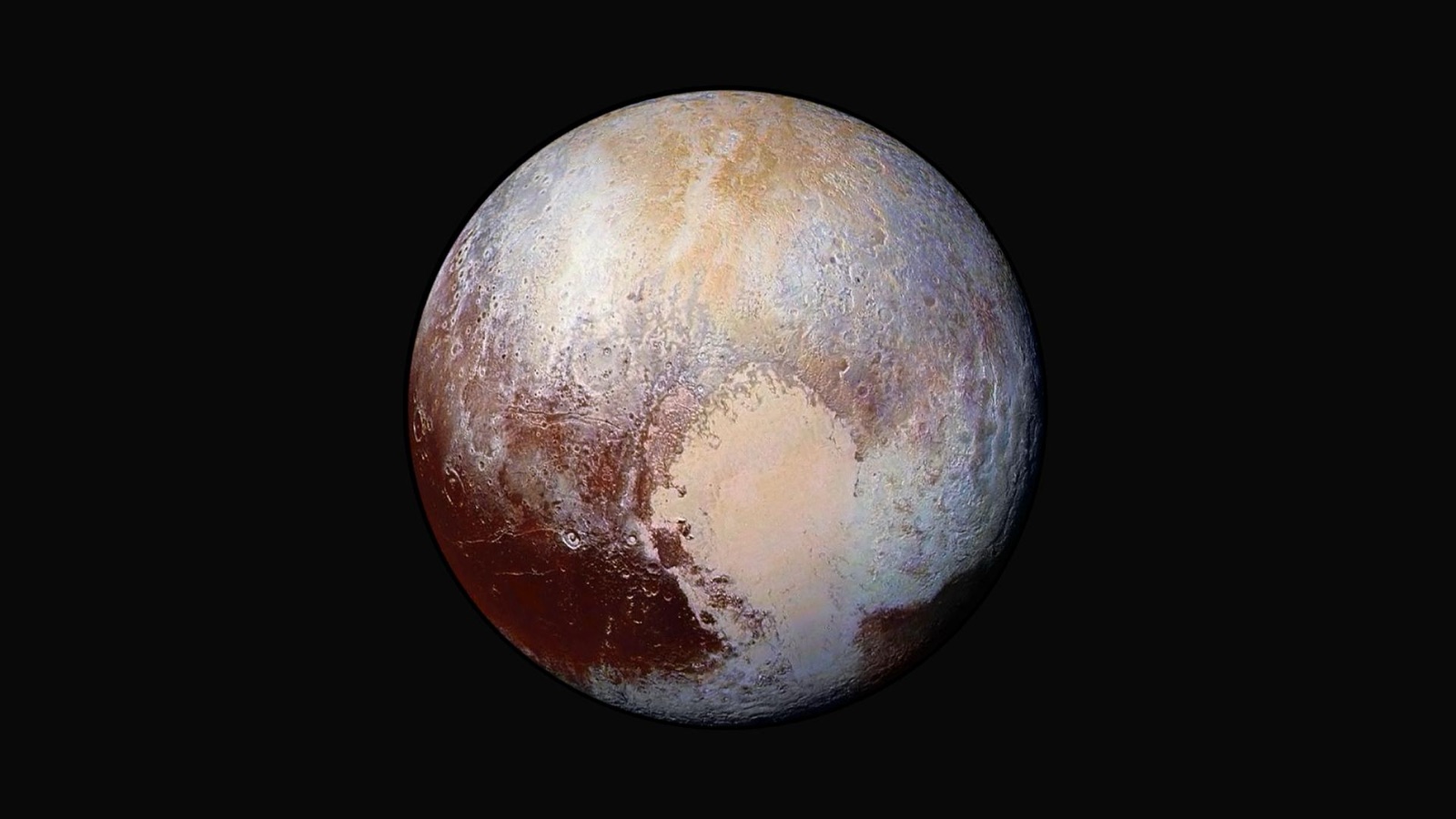
Dwarf Planet
Pluto The beloved dwarf planet, a tiny frozen world with a giant heart. From 4.3 to 7.5 billion km from Earth; light takes 4–7 hours
✦
The Kuiper Belt
Beyond Neptune: a ring of icy worlds including Pluto, Arrokoth and millions of frozen leftovers, from about 30 to 50 times the Earth–Sun distance.
✦
The heliopause: the Sun’s front door
Around 120 times the Earth–Sun distance, the solar wind gives way to interstellar space. Both Voyagers have crossed it, making them the only machines ever to leave the Sun’s bubble.
Voyager 1 →
✦
The Oort Cloud
A hypothesized shell of trillions of comets stretching perhaps a light-year out, halfway to the next star. Inferred from comet orbits; no spacecraft will reach it for centuries.
Hypothesis