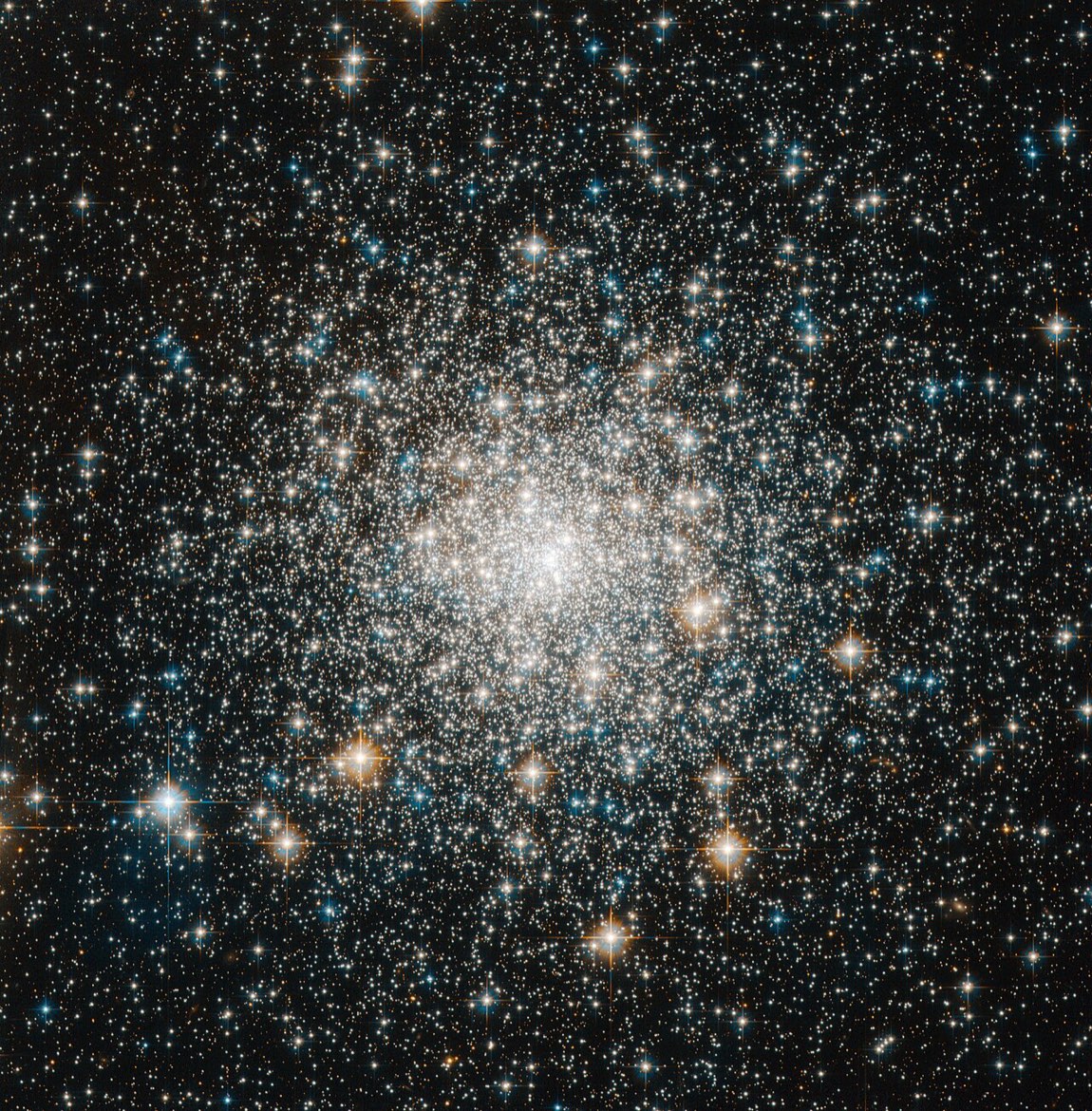
 Photograph · ESA/Hubble & NASA · CC BY 4.0
Star Cluster · Deep guide
Messier 70
Also called: M70 · NGC 6681
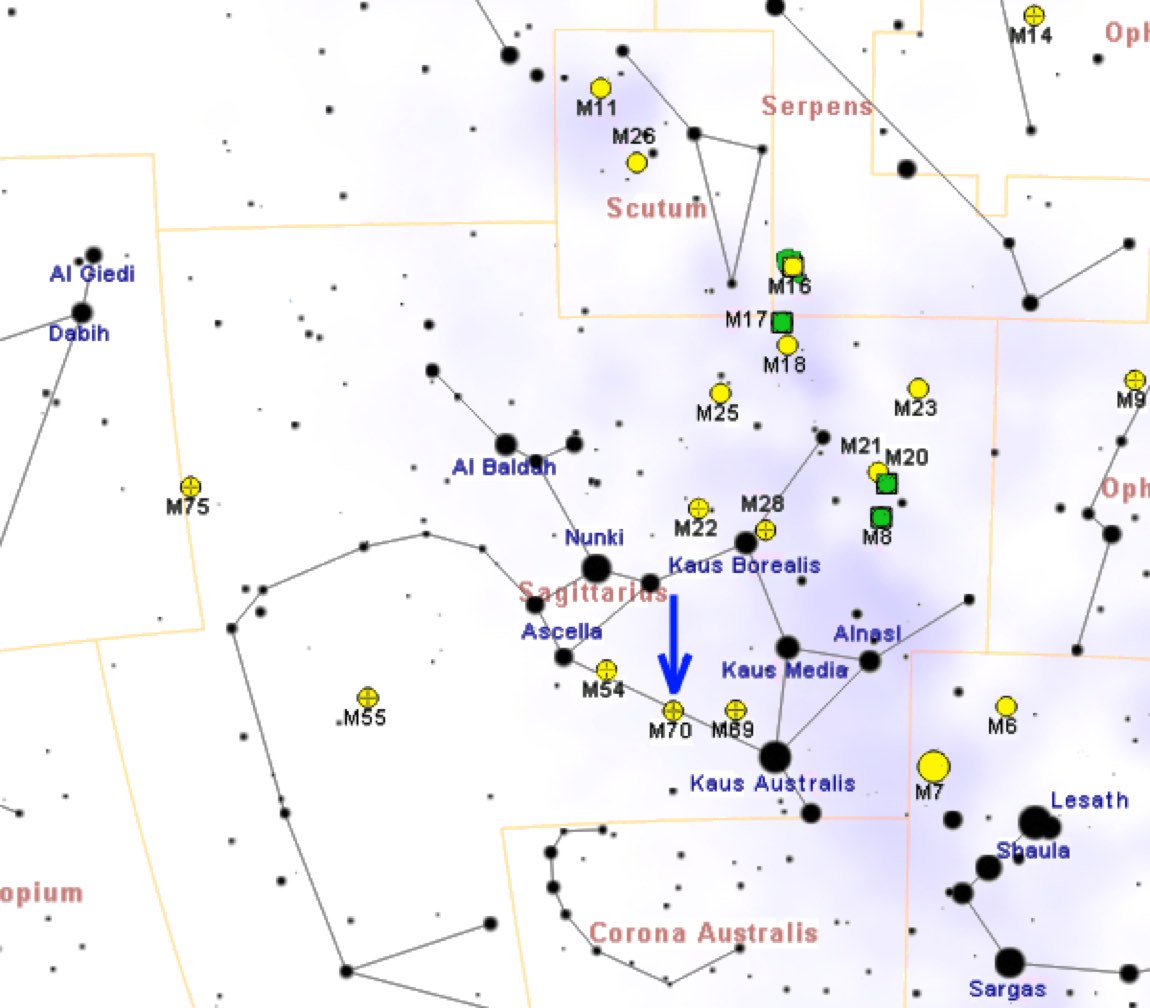
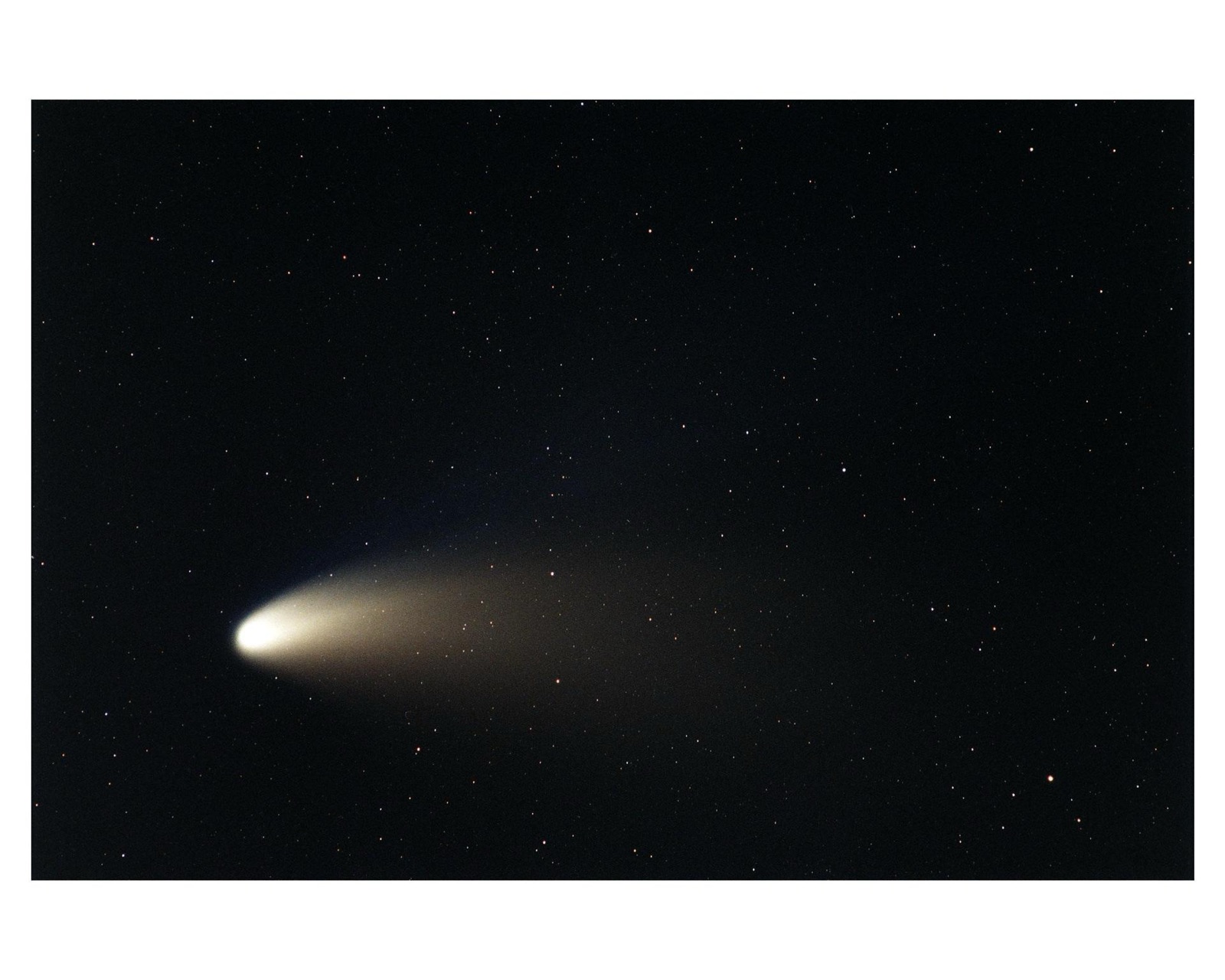
A collapsed-core globular in Sagittarius, next to the spot where Comet Hale–Bopp was found.
About 29,400 light-years away
Light makes the trip in 29,400 years
What is it?
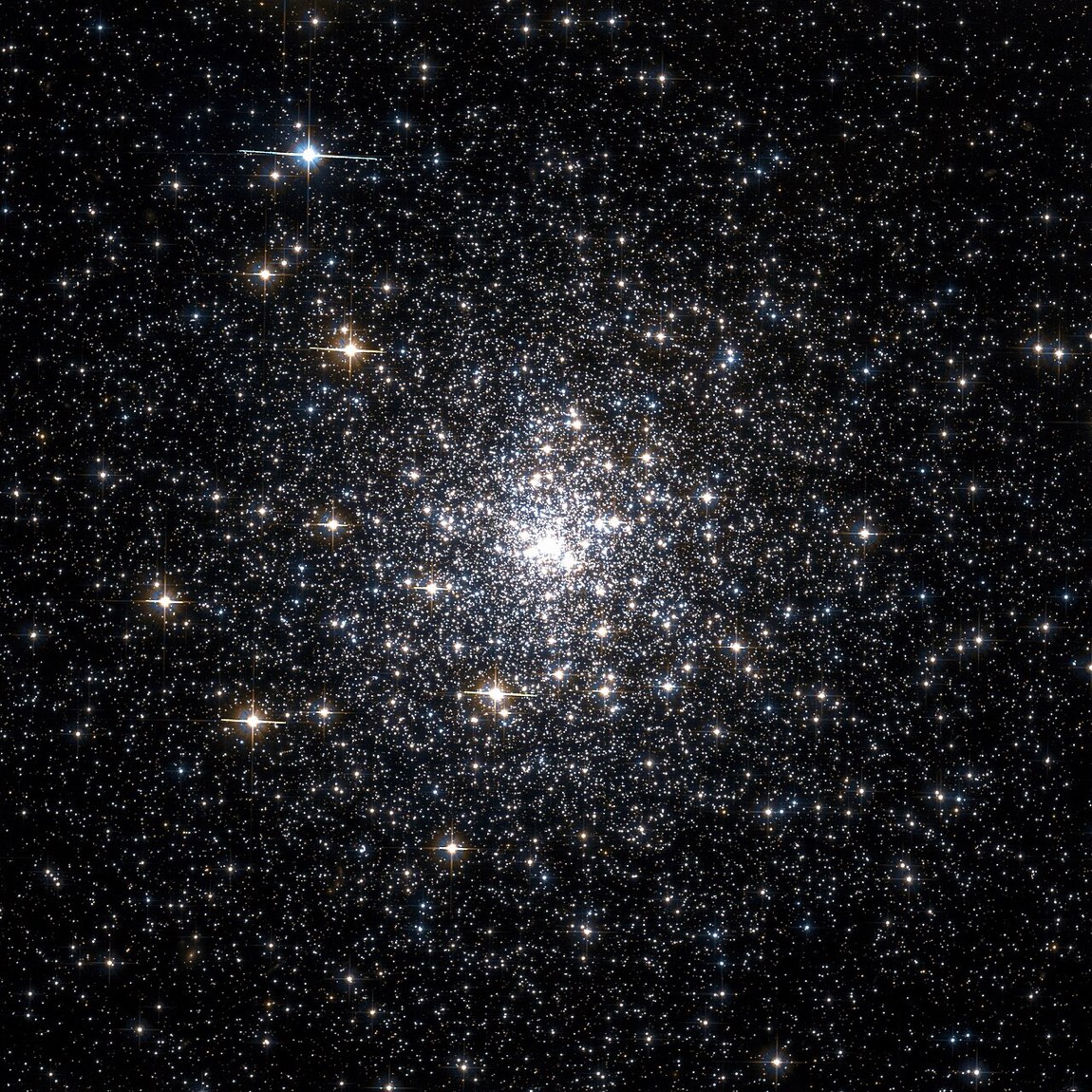
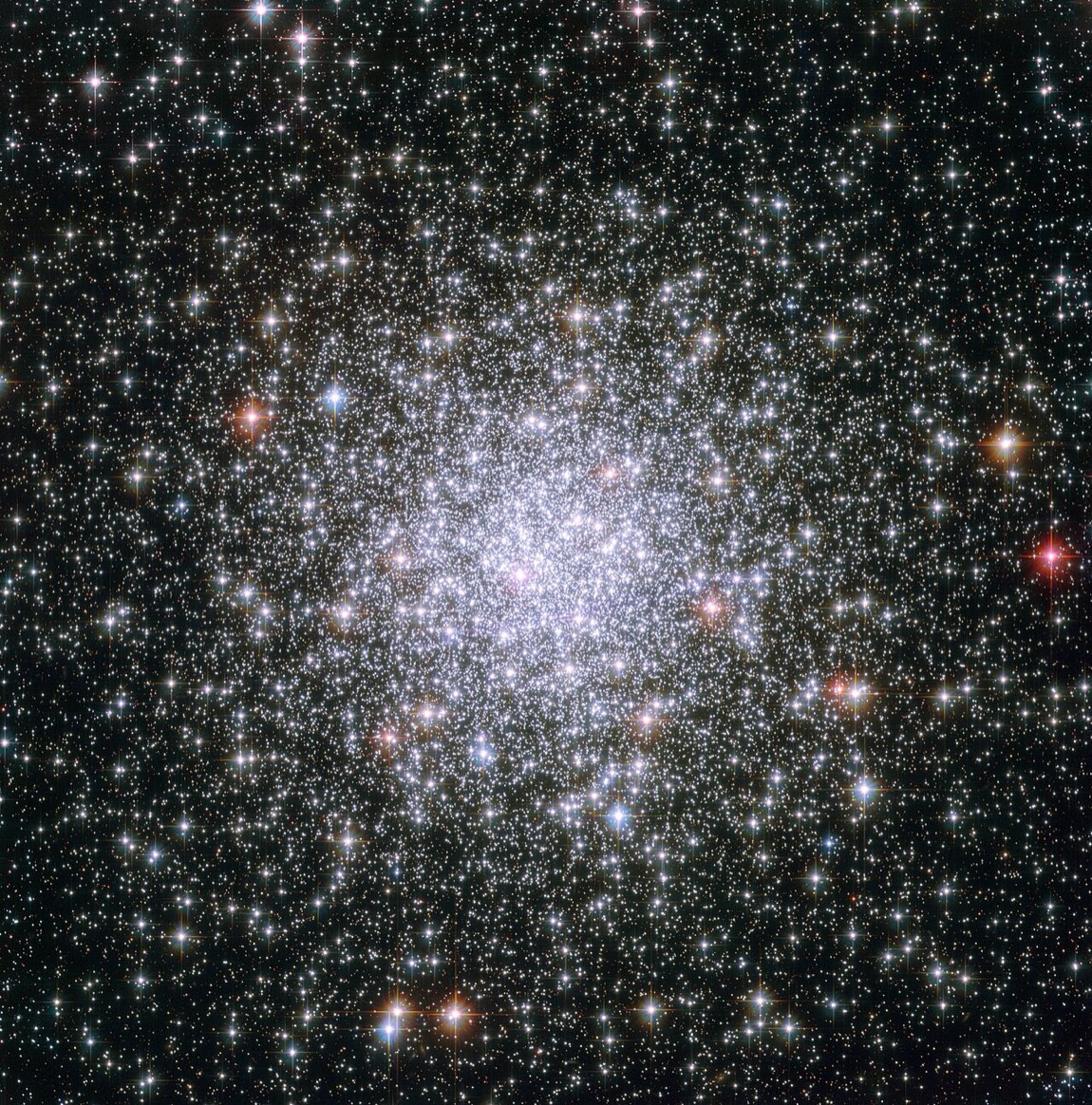
Messier 70 is a globular cluster in southern Sagittarius, discovered by Messier in 1780. It lies about 29,400 light-years away and is similar in size and brightness to its neighbour M69. Its core has collapsed, so its stars are crowded extremely tightly toward the centre. It holds two distinct generations of stars with different chemical make-ups. In 1995 Comet Hale–Bopp was discovered in the sky right next to this cluster.
More real images of Messier 70
Genuine spacecraft and telescope imagery, every frame credited and licensed. Tap any photo to enlarge.