The Timeline
Five thousand years of looking up, from stone circles to gravitational waves.
Ancient
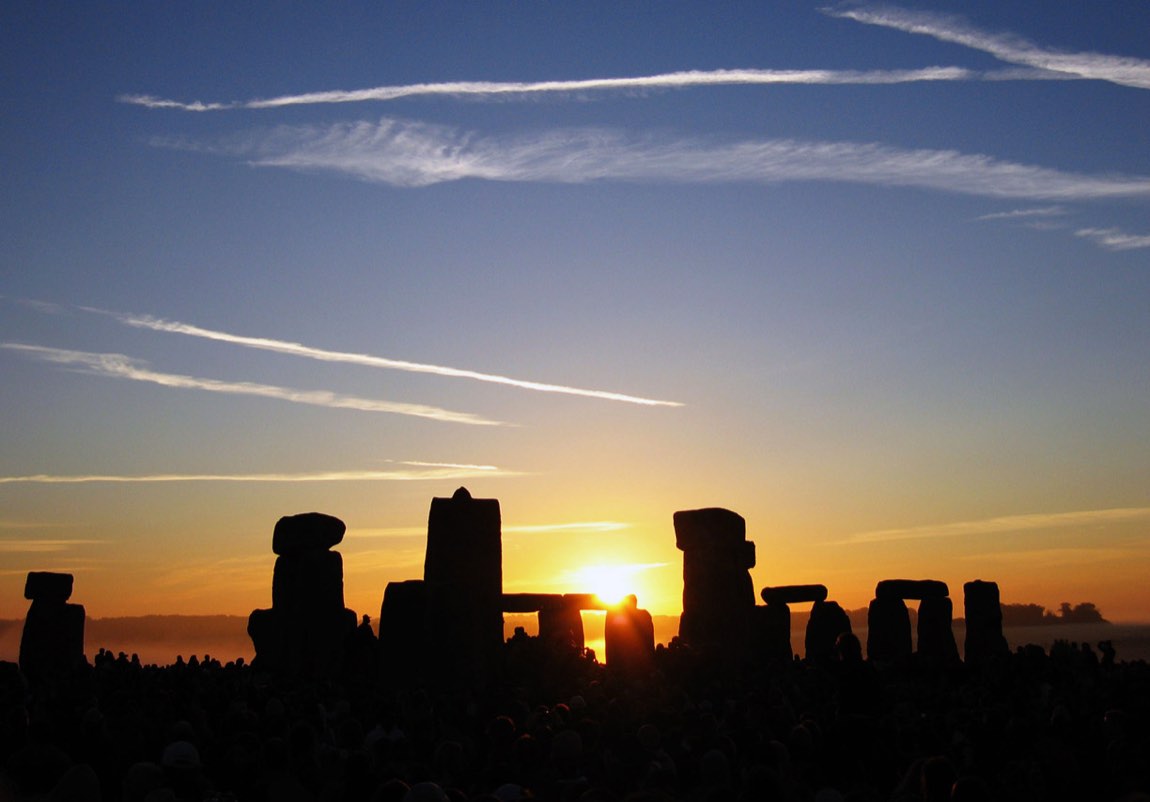
Monuments like Stonehenge align to solstice sunrises — astronomy as architecture, calendar and ritual.
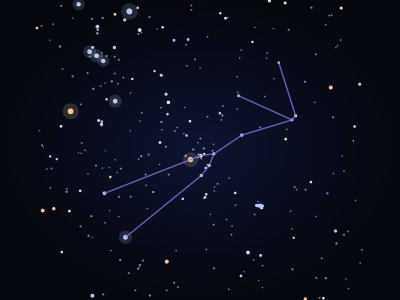
A bronze disk from Germany depicts the Sun, Moon and Pleiades — the oldest known concrete portrayal of the cosmos.
Systematic clay-tablet records of eclipses and planets — data so good modern astronomers still use it to track Earth's slowing spin.
Chinese chroniclers log the 'broom star' — the start of a 2,200-year observation streak.
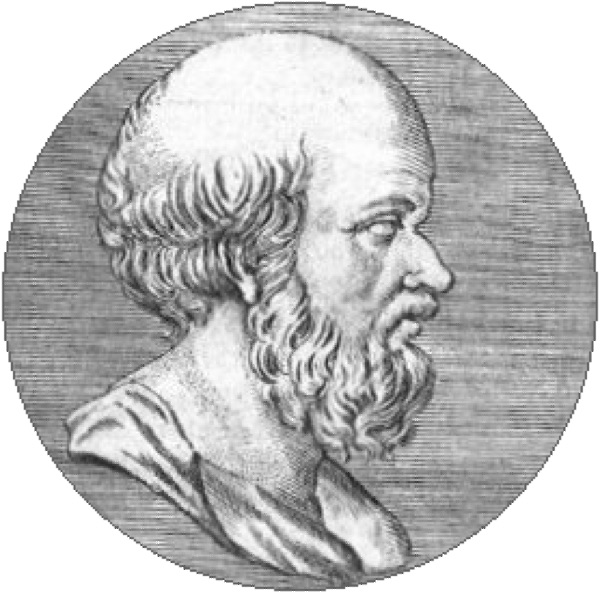
Using shadows in two Egyptian cities, he computes Earth's circumference to within a few percent — with sticks.
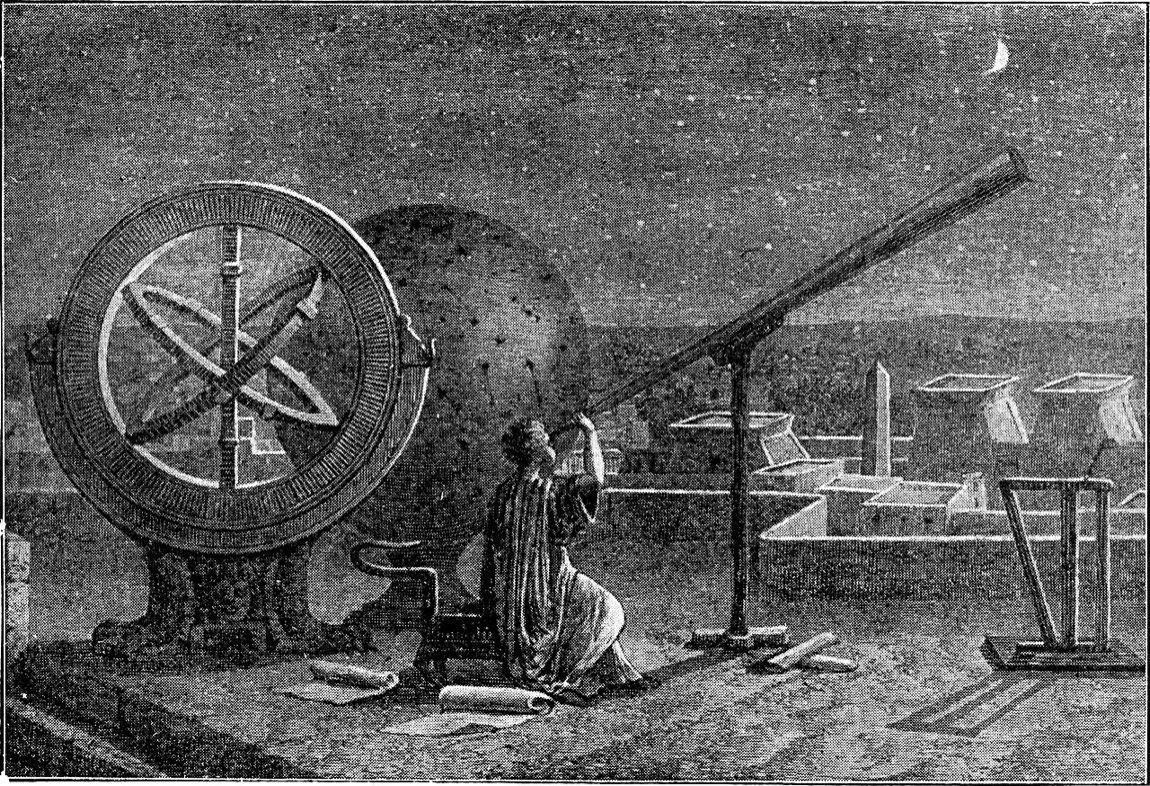
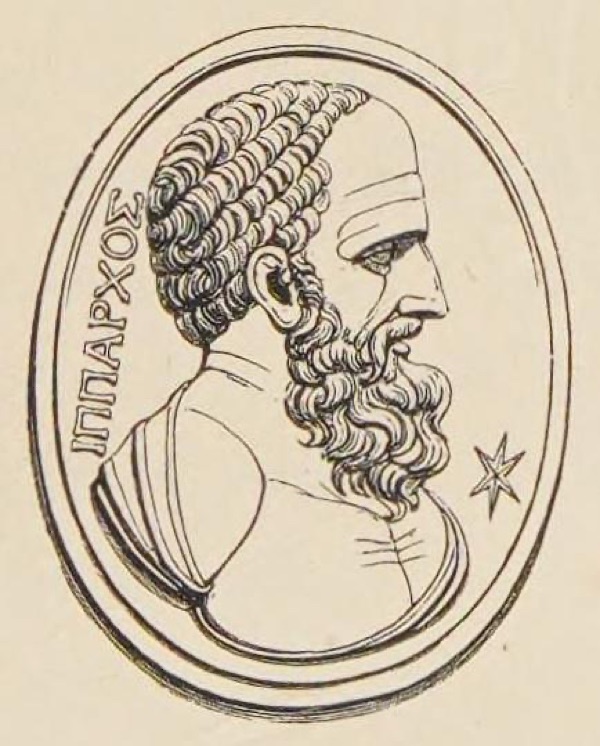
The greatest ancient observer maps ~850 stars, invents magnitude, and discovers Earth's slow wobble (precession).
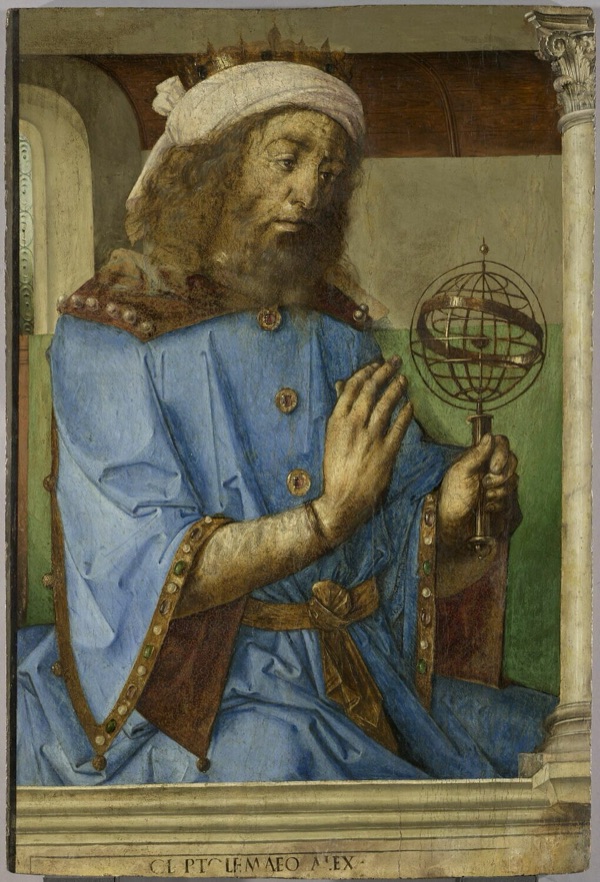
The Earth-centered mathematical model that would dominate for 1,400 years — wrong, but predictive enough to survive.
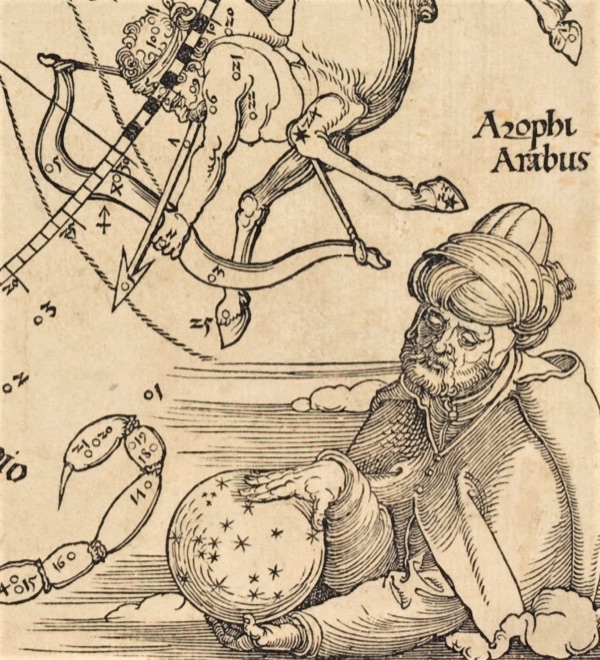
The Persian astronomer refines star catalogs and records a 'little cloud' — the first written mention of the Andromeda Galaxy.
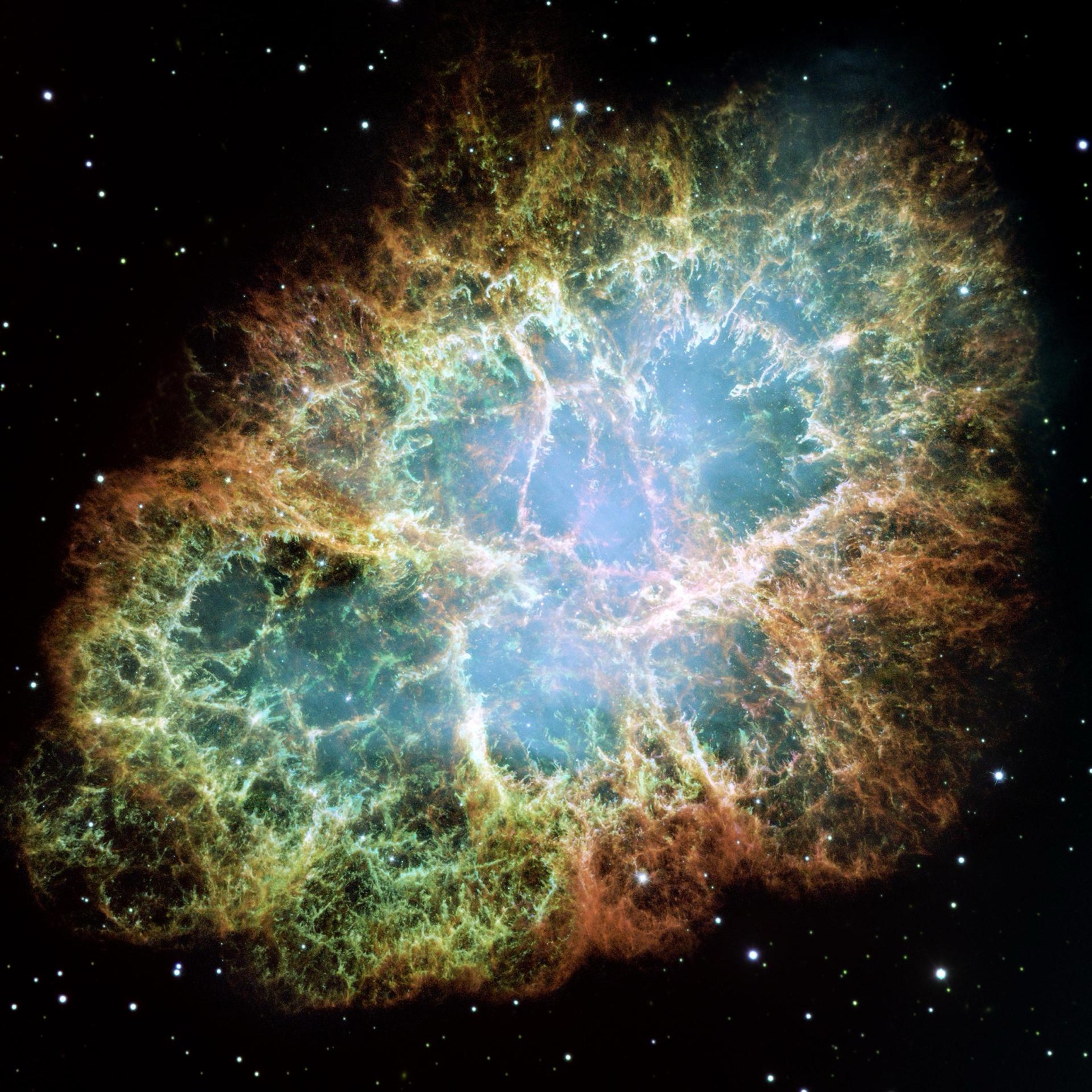
Chinese and Japanese astronomers record a 'guest star' visible in daylight — its wreckage is today's Crab Nebula.
Telescopes
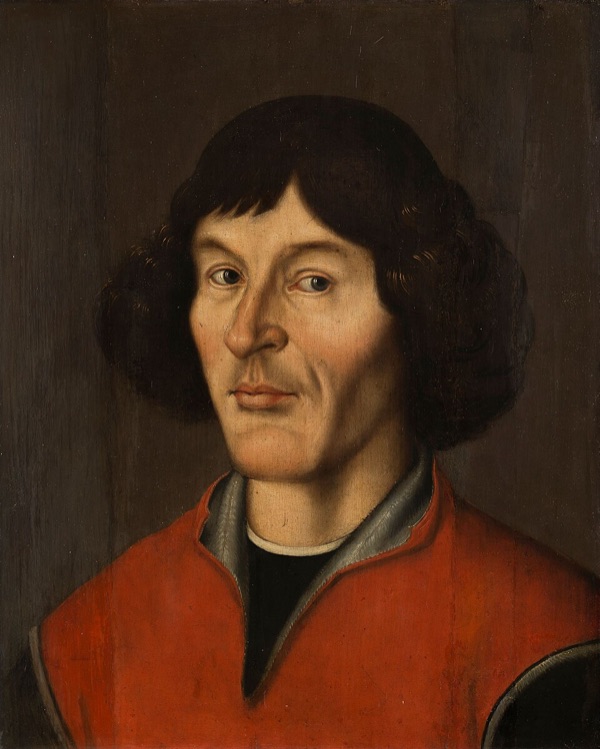
On the Revolutions of the Heavenly Spheres puts the Sun at the center — the Copernican Revolution begins on its author's deathbed.
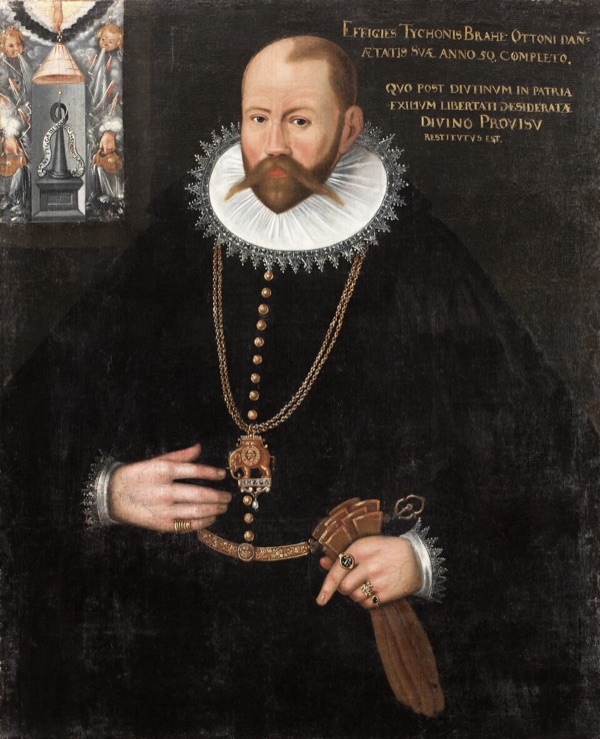
A supernova in Cassiopeia proves the 'unchanging' heavens change; Tycho's decades of precise measurements follow.
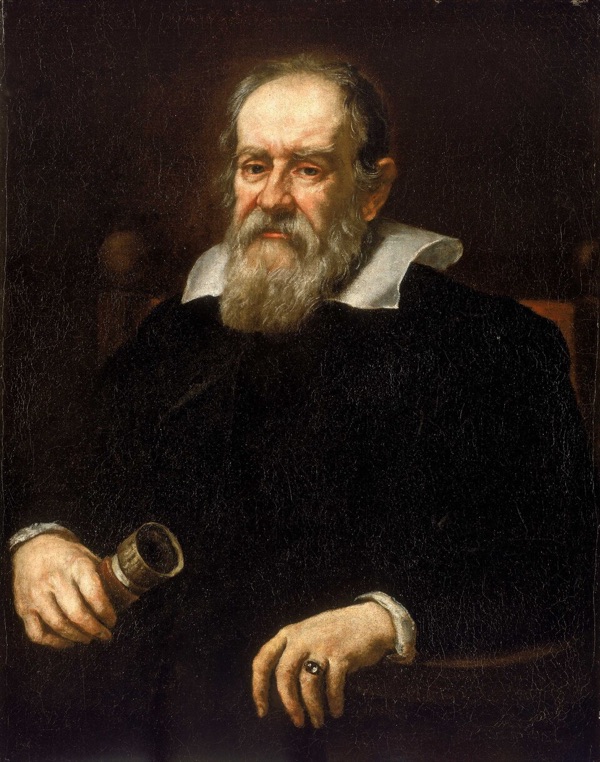
In one two-year burst: Jupiter's moons, lunar mountains, Venus's phases — and orbits become ellipses.
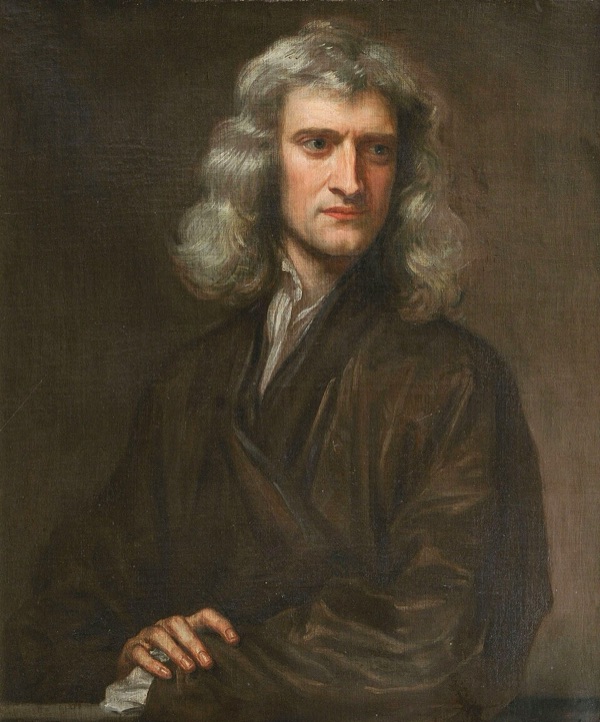
Universal gravitation: one law for apples and planets. The Solar System becomes calculable.
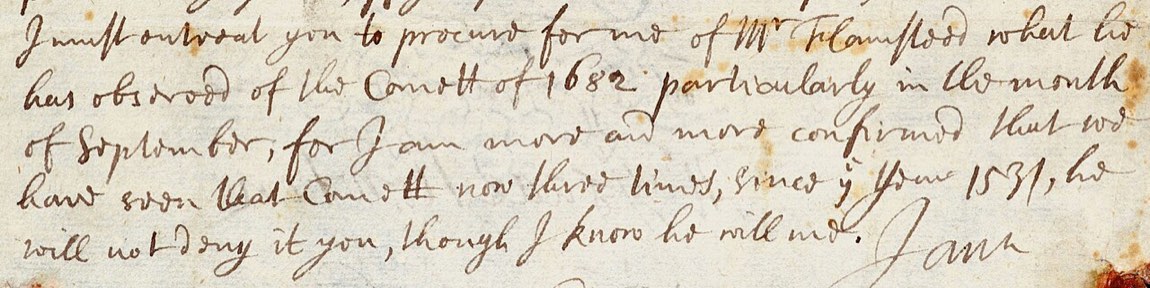
Comets become clockwork; the 1758 return, after his death, is a public triumph of Newtonian physics.
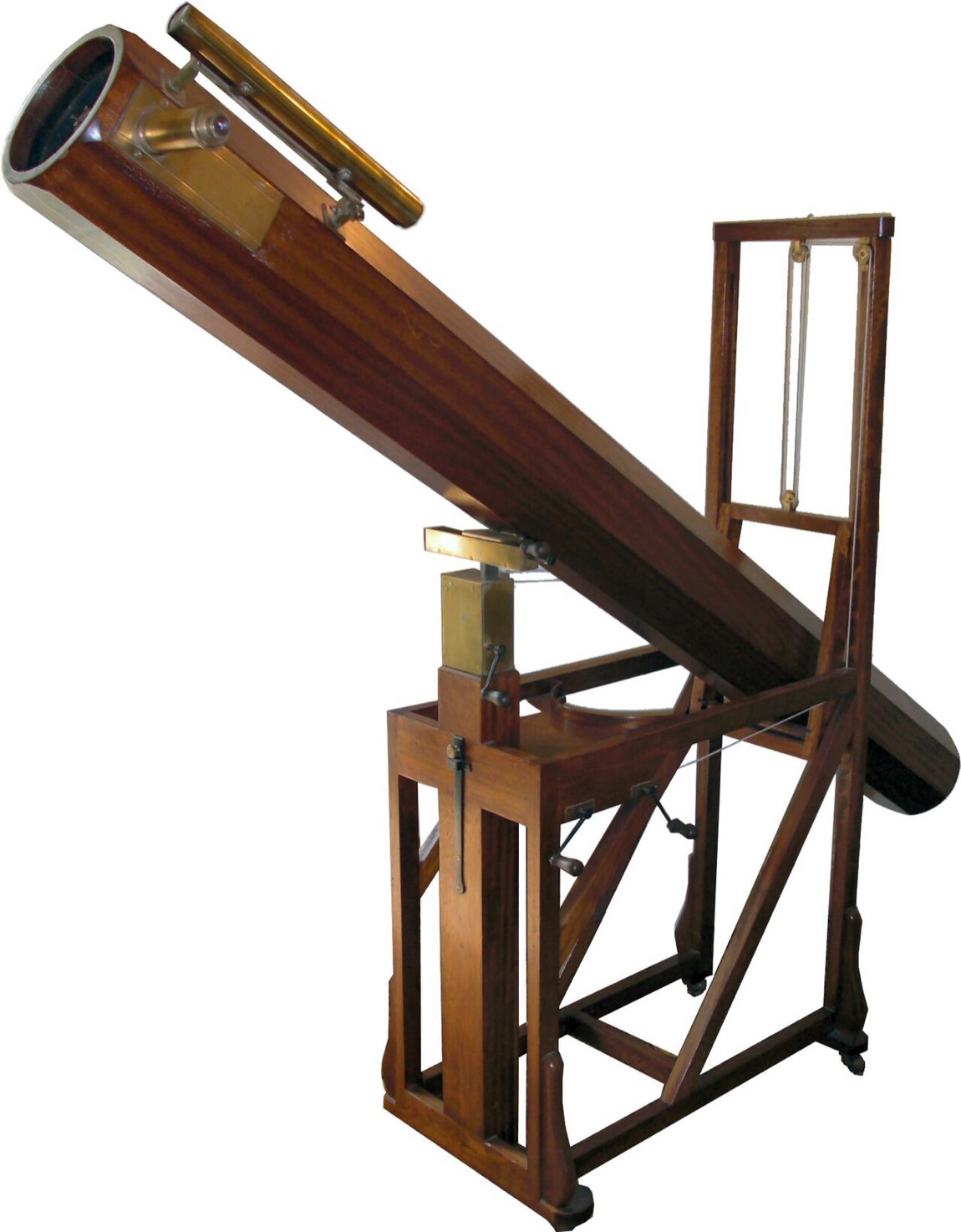
The first planet found in recorded history doubles the Solar System's size overnight.
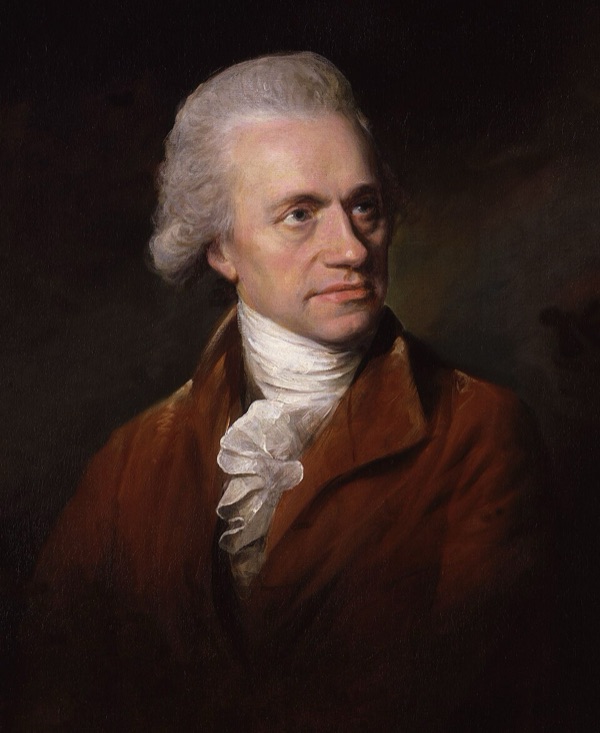
A thermometer past the red end of the rainbow reveals invisible light — astronomy's spectrum begins to widen.
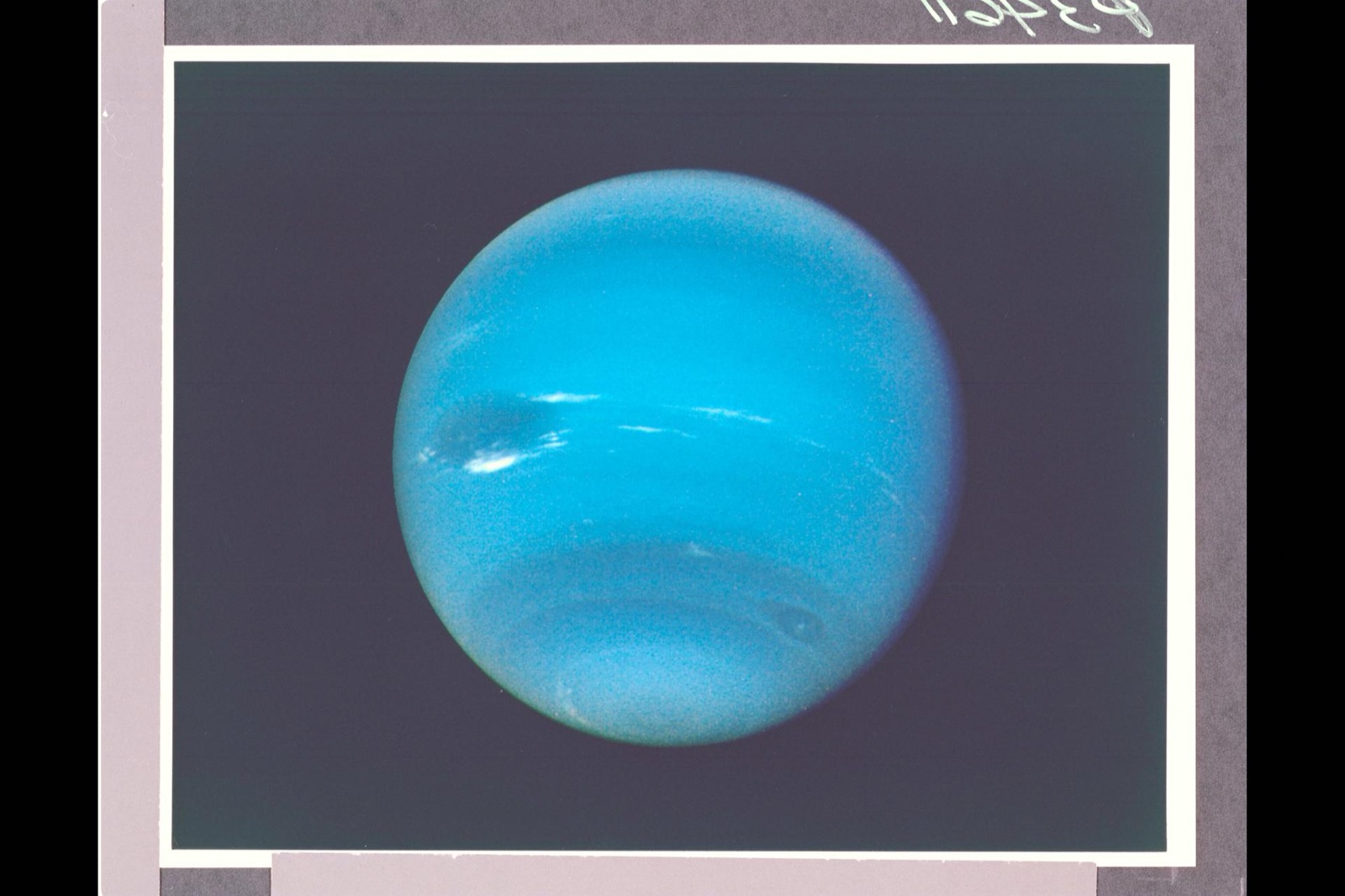
Le Verrier predicts an unseen planet from Uranus's wobbles; Berlin finds it within one degree, first night.
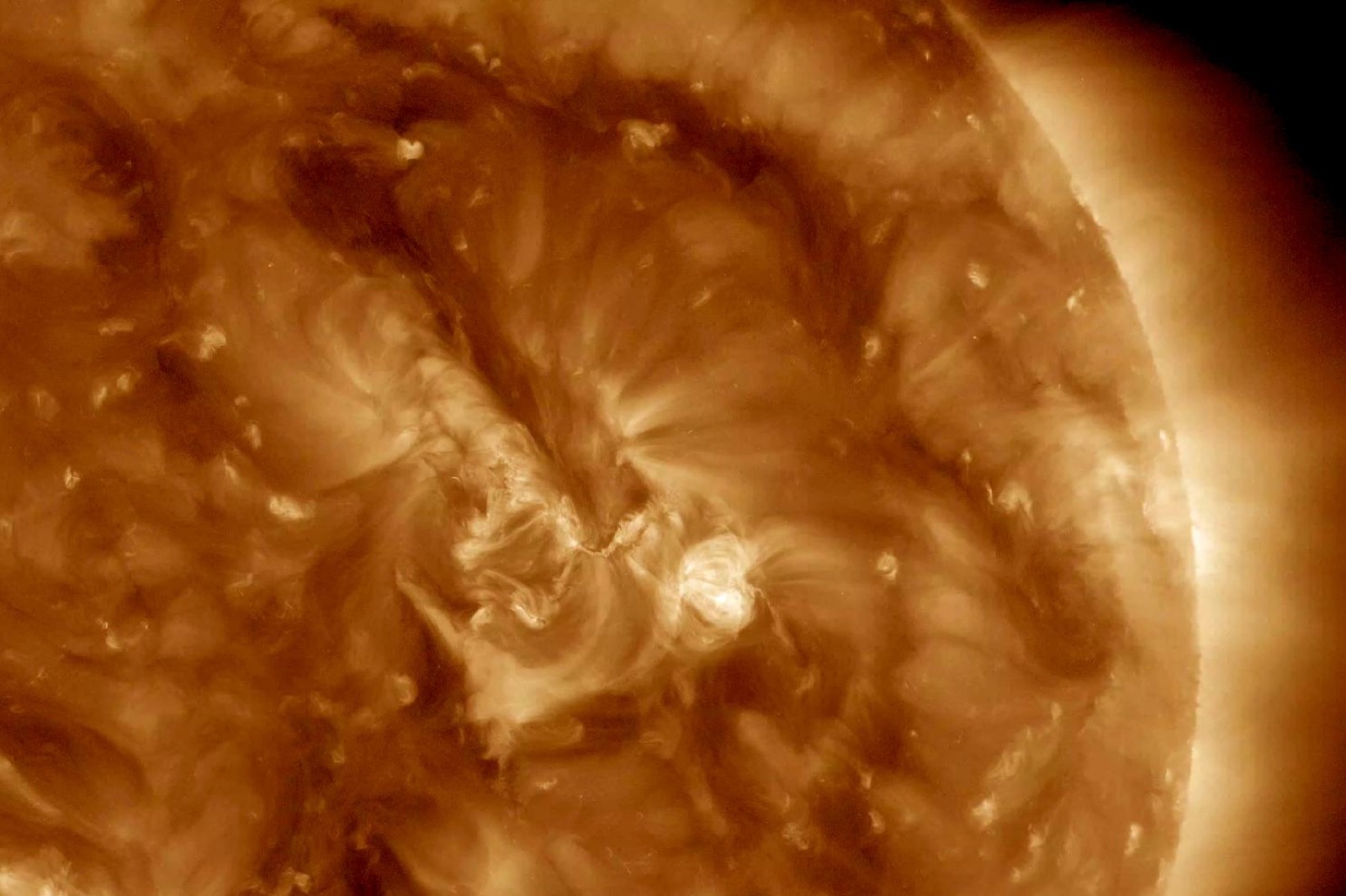
The strongest solar storm on record sets telegraph wires sparking — space weather introduces itself.
Modern Physics
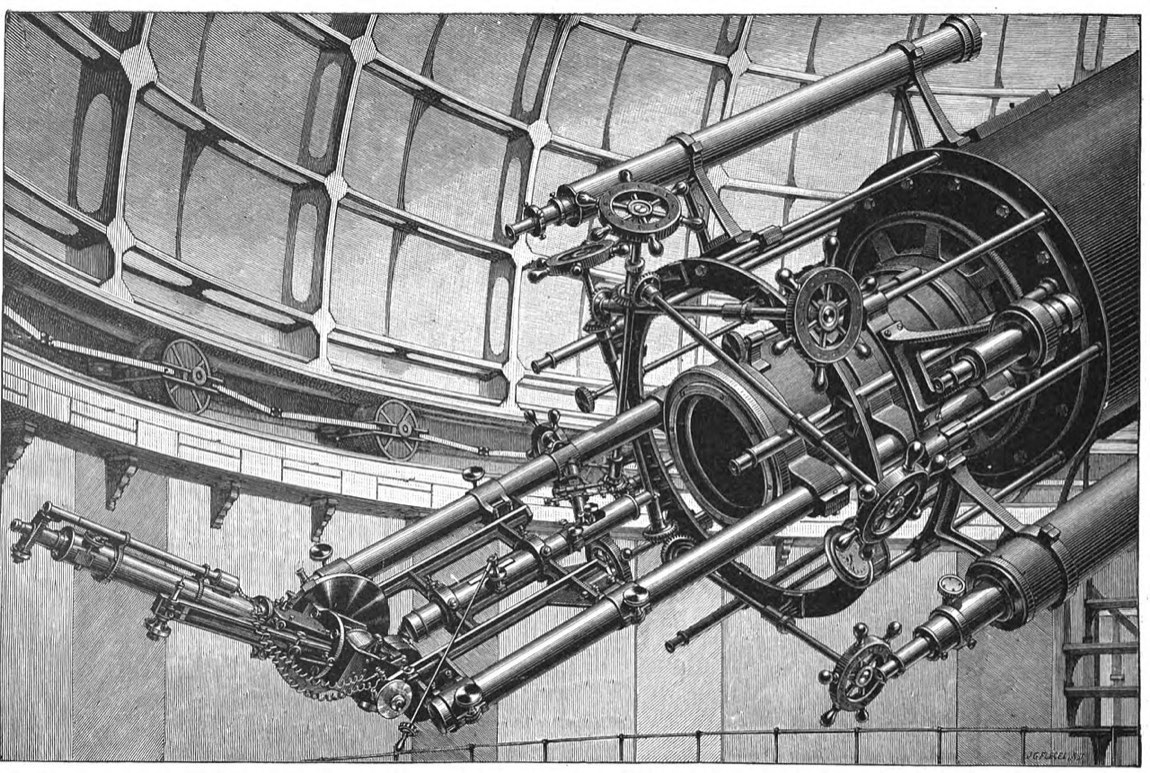
A yellow spectral line in eclipse light reveals an element unknown on Earth — spectroscopy's power made vivid.
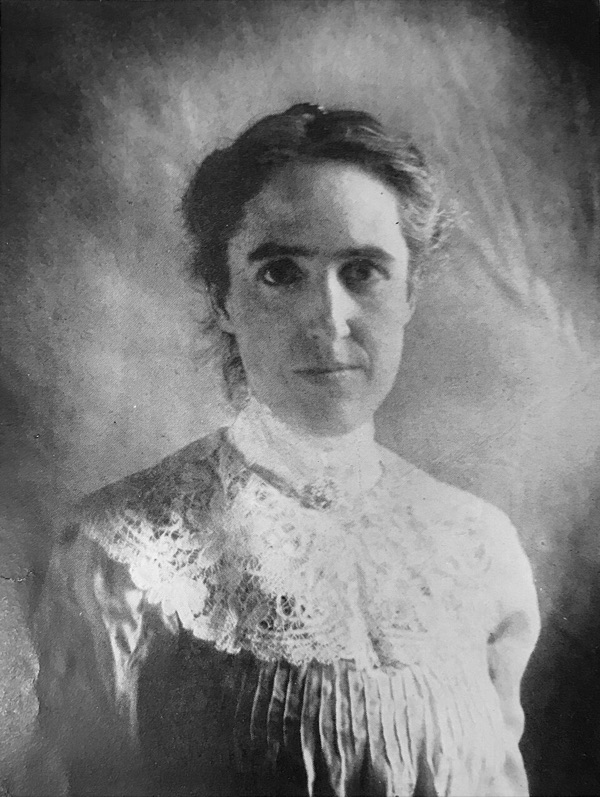
Cepheid stars' rhythm reveals their true brightness — the ruler that will measure the universe.
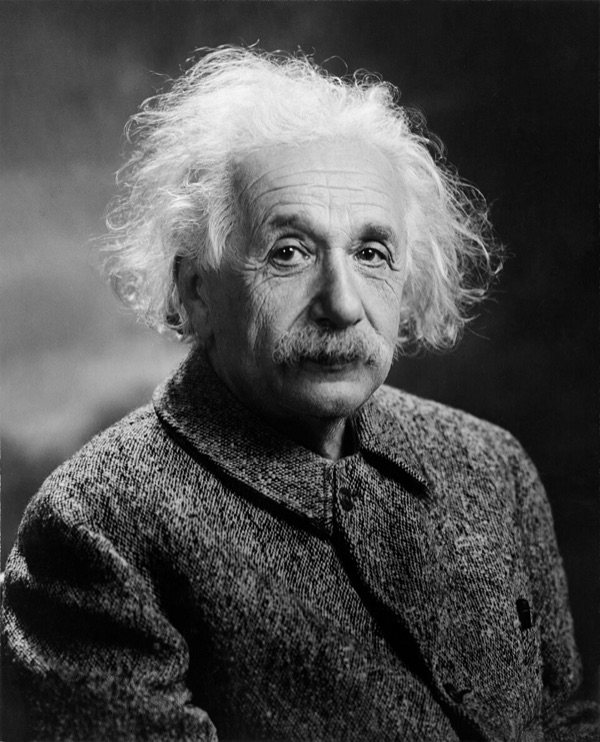
Einstein reframes gravity as curved space-time; the 1919 eclipse confirmation makes it world news.
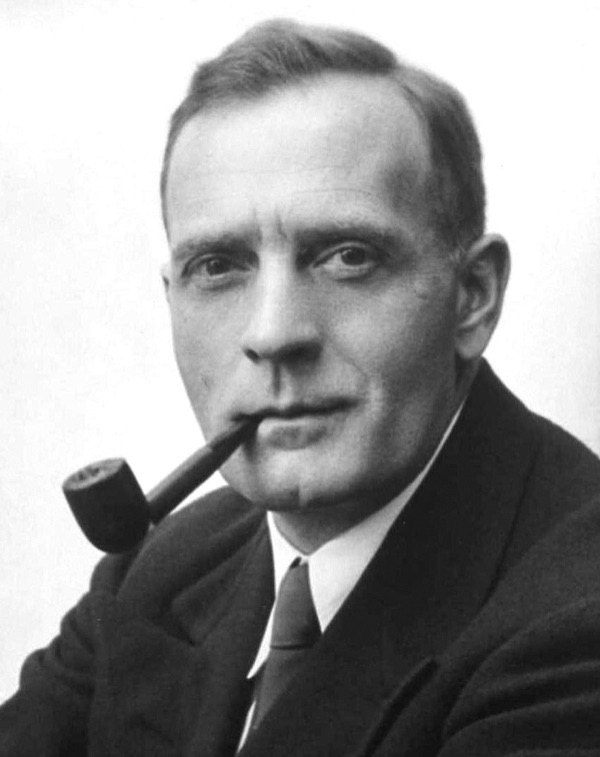
A Cepheid in Andromeda shows it lies far beyond the Milky Way — the universe becomes a universe of galaxies.
Hubble's redshift-distance law: the farther the galaxy, the faster it flees. Cosmology gets its central fact.
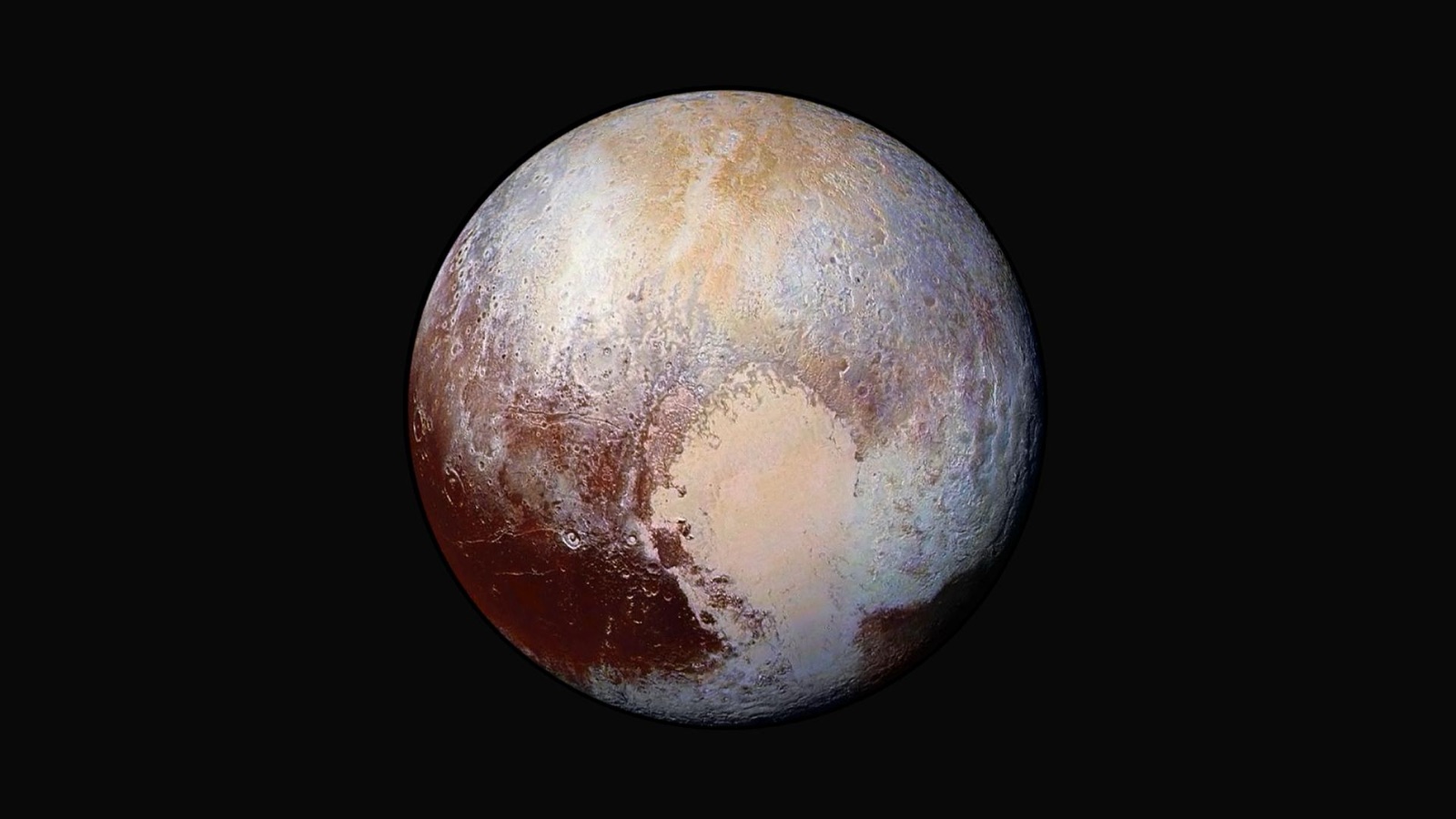
Clyde Tombaugh's patient blinking of photographic plates finds the ninth 'planet' — and, unknowingly, the first Kuiper Belt world.
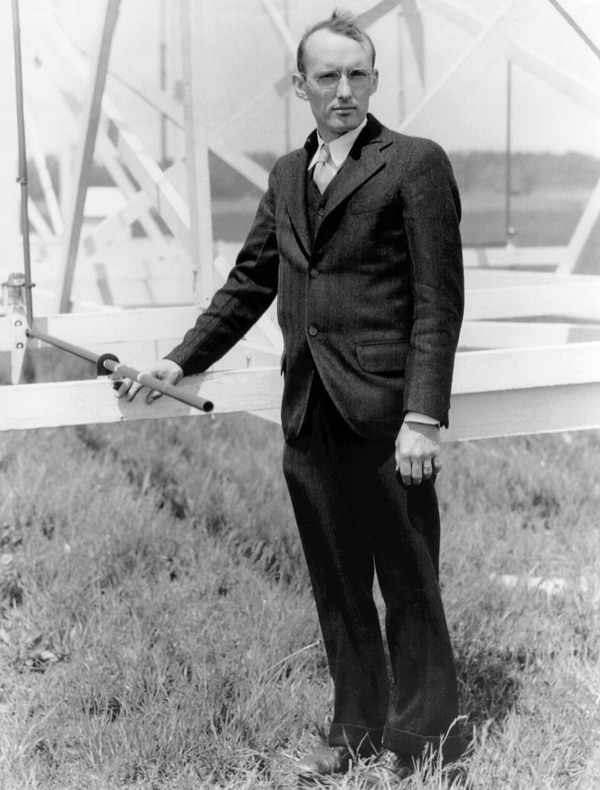
Jansky traces mystery static to the Milky Way's center — astronomy beyond light begins.
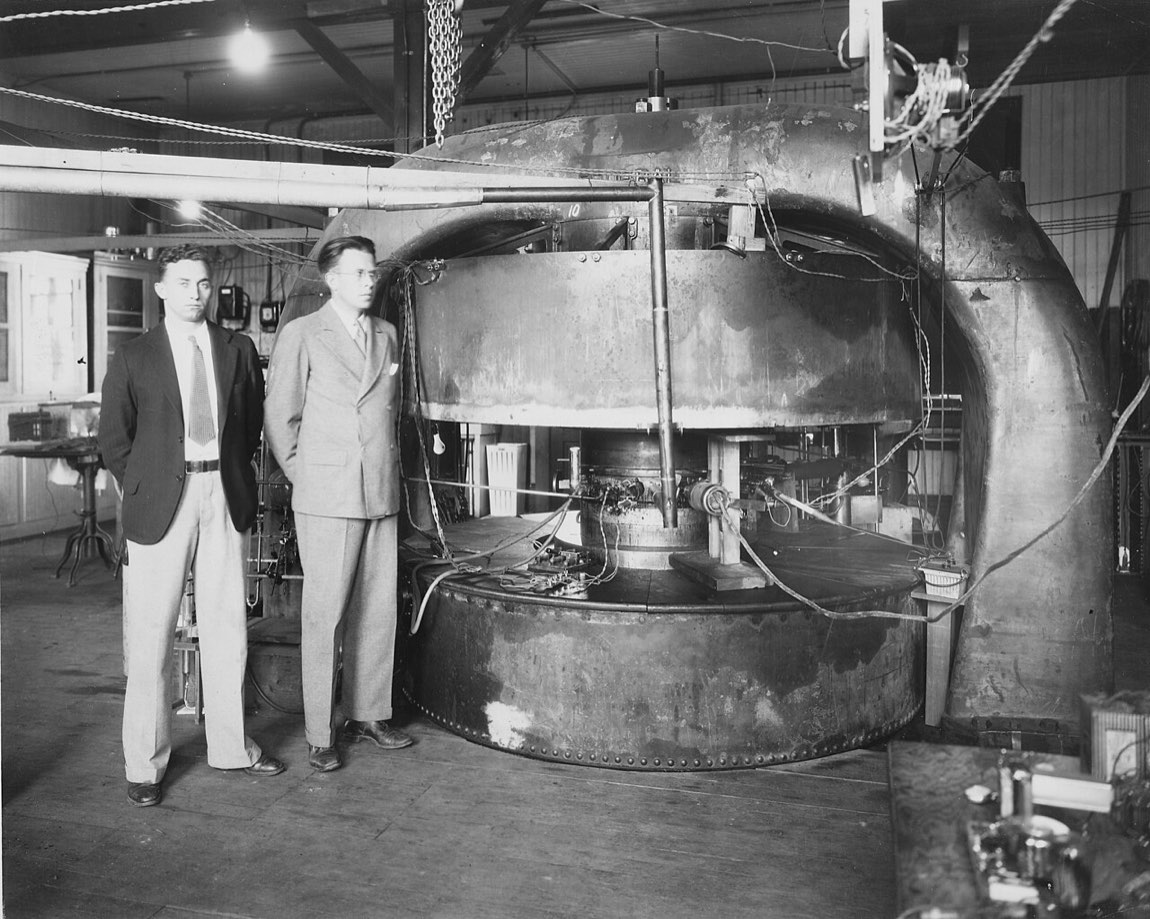
Bethe works out the fusion chains that make stars shine — Payne's hydrogen plus Einstein's E=mc².
Space Age
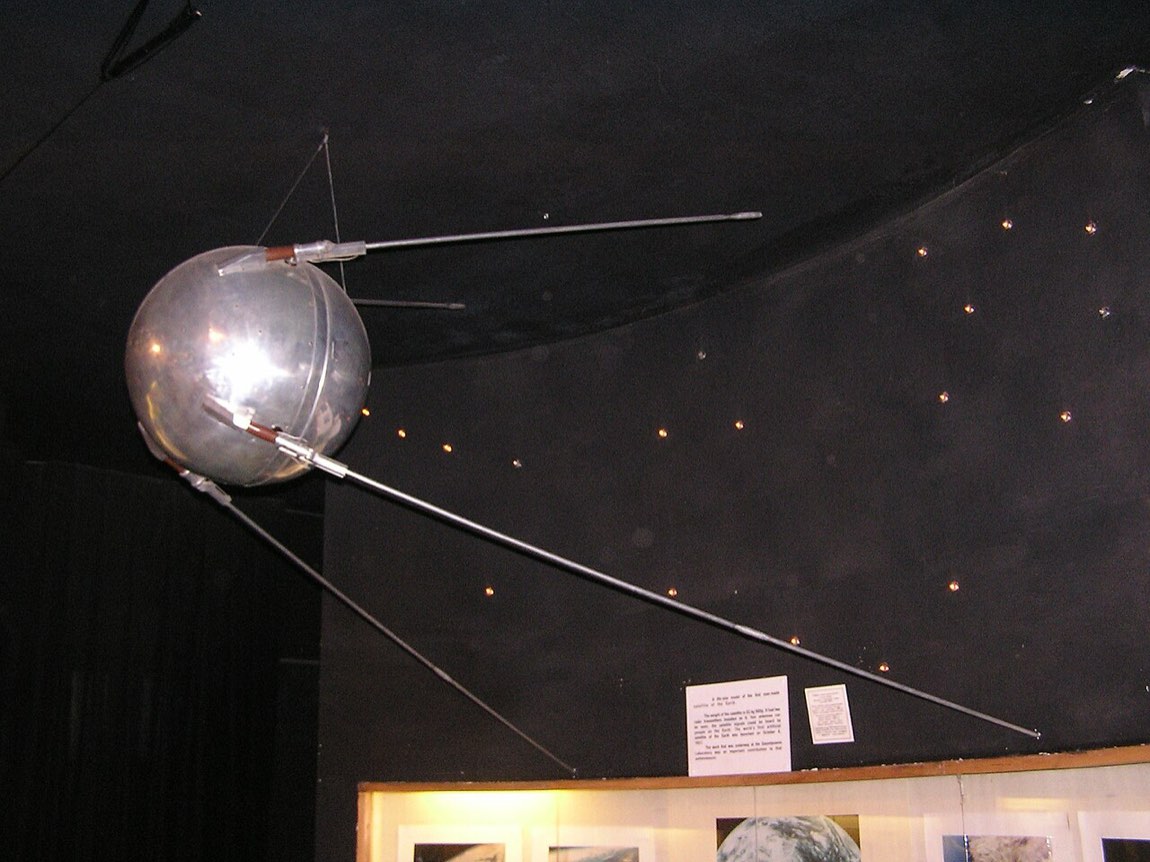
A beeping 58-cm sphere opens the Space Age — and triggers the creation of NASA within a year.
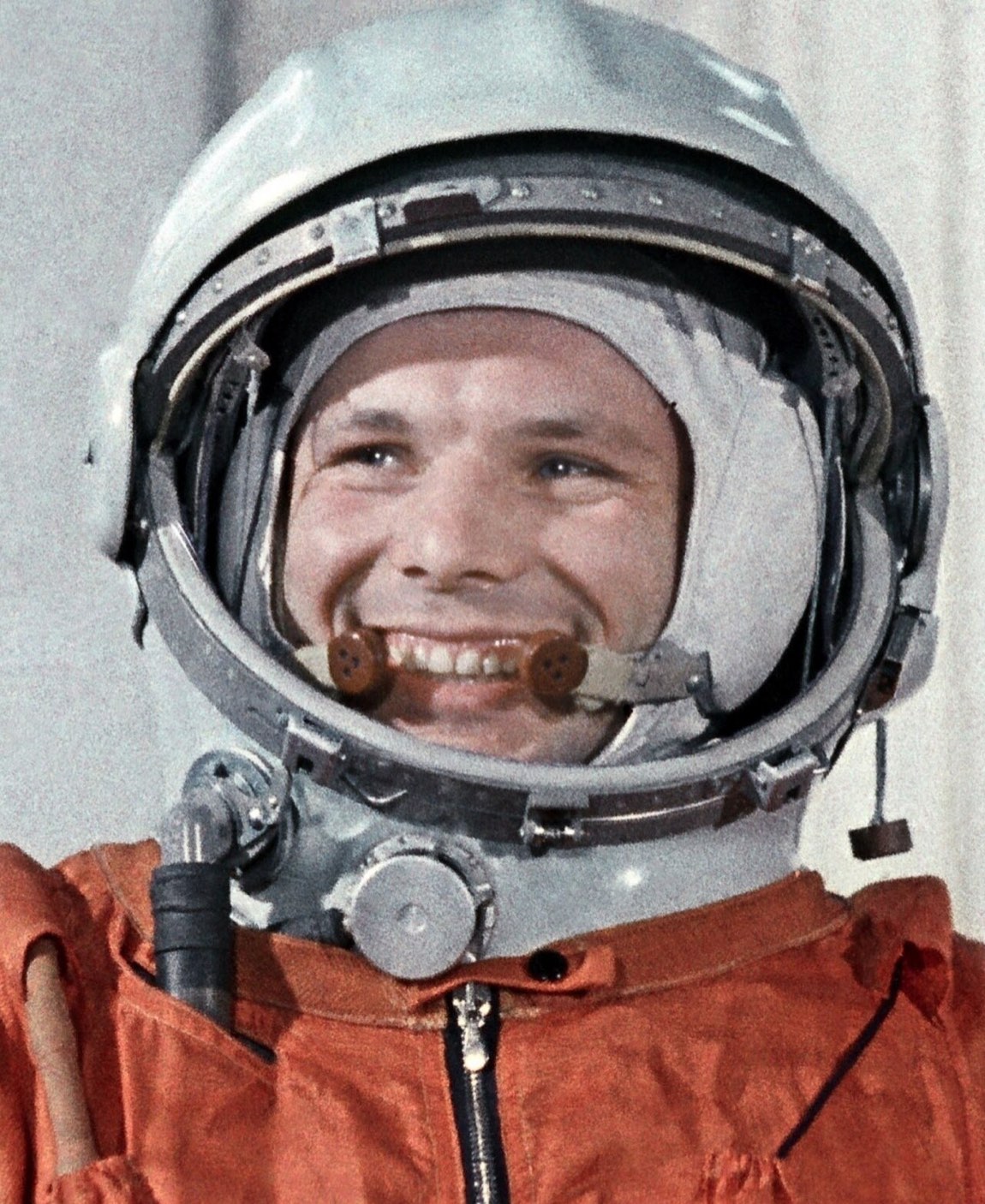
The first human in space circles the planet in 108 minutes.
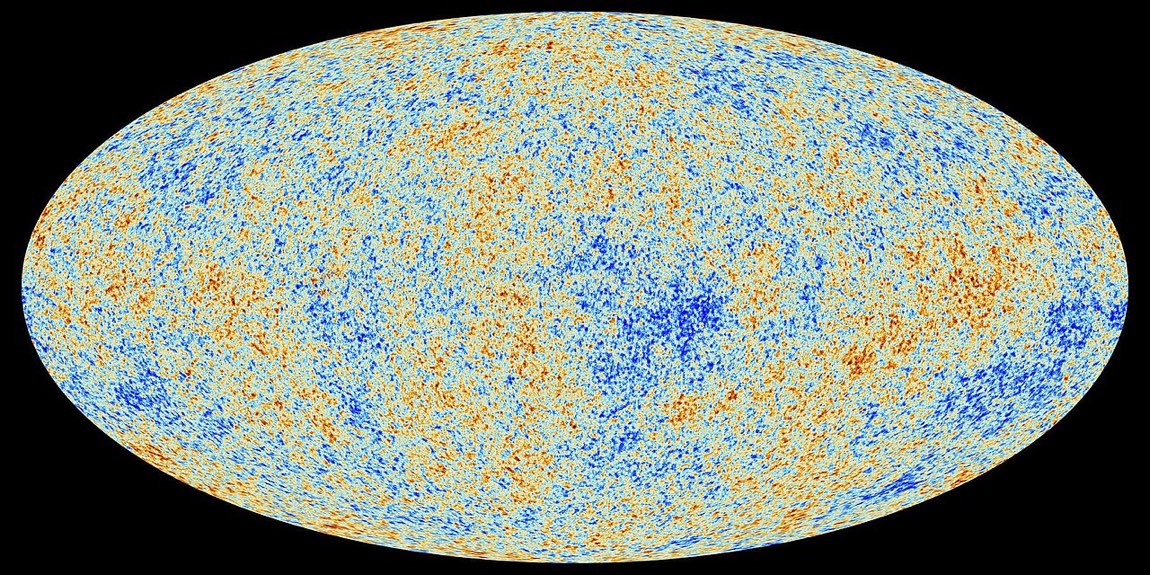
Penzias and Wilson's stubborn antenna hiss is the cosmic microwave background — the Big Bang becomes standard cosmology.

Jocelyn Bell's 'scruff' of regular pulses reveals neutron stars — dead suns as precise as clocks.
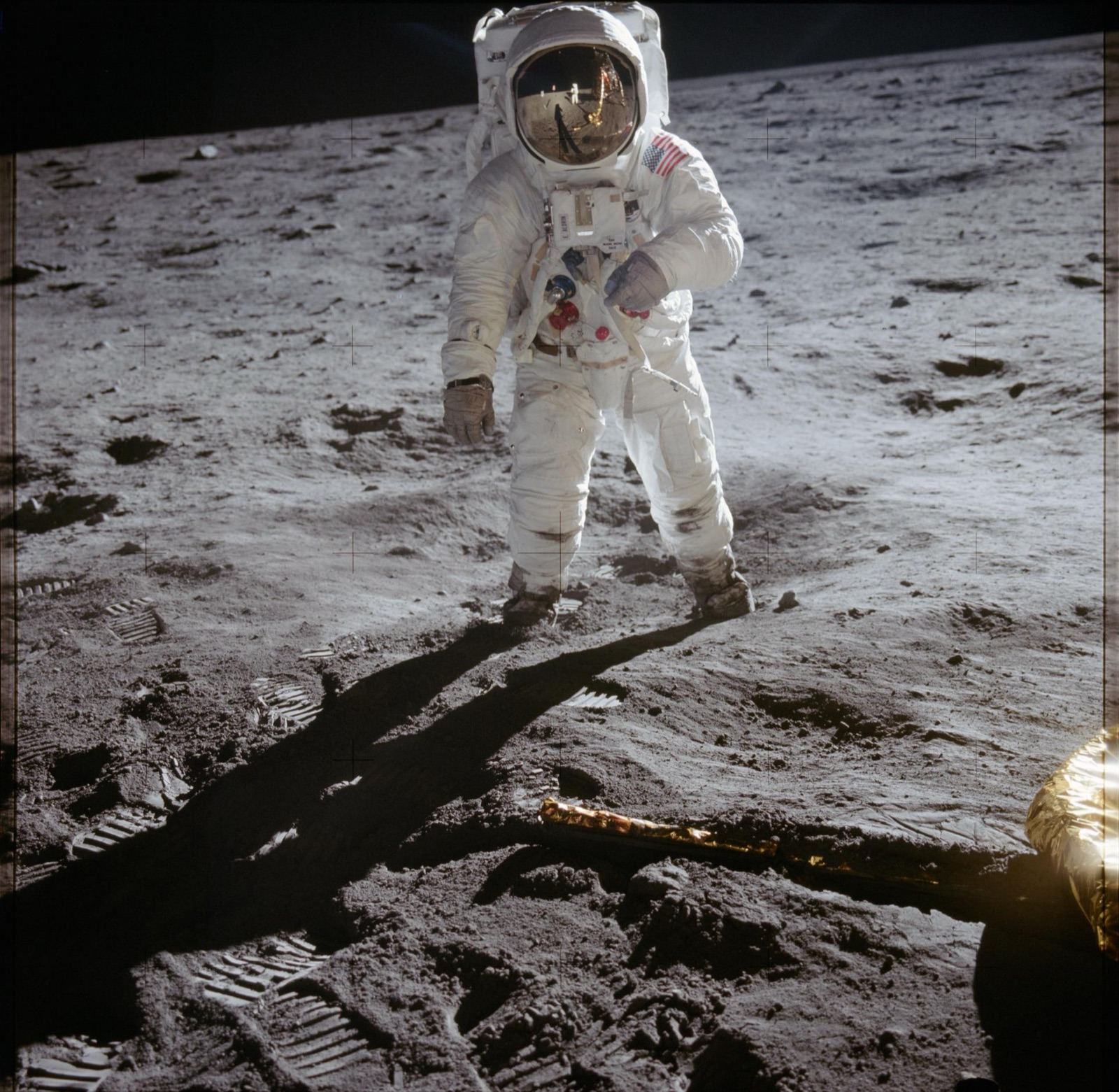
Six hundred million people watch two humans walk on the Moon.
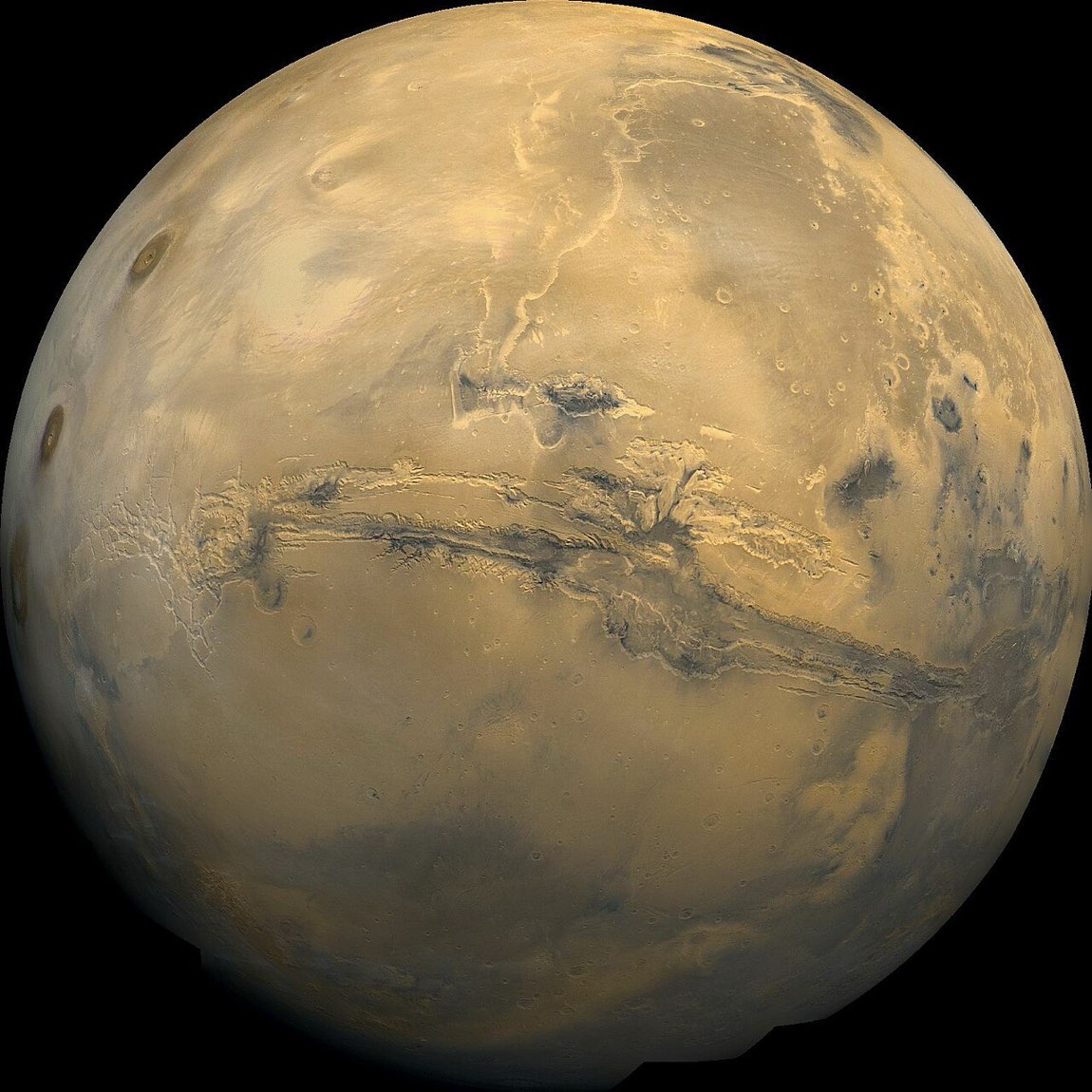
The first successful Mars landings photograph red deserts and run the first life-detection experiments (verdict: ambiguous, likely chemistry).
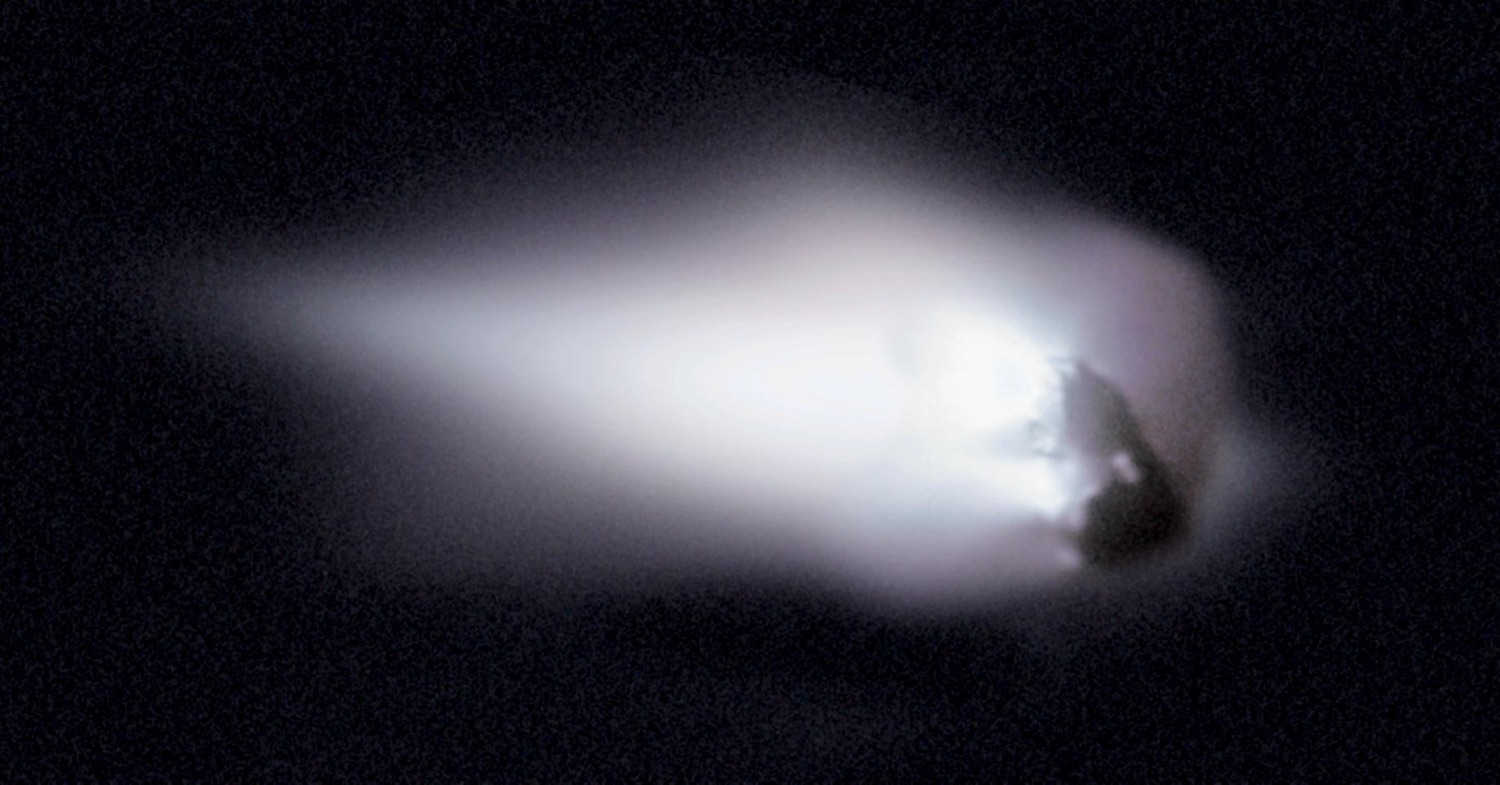
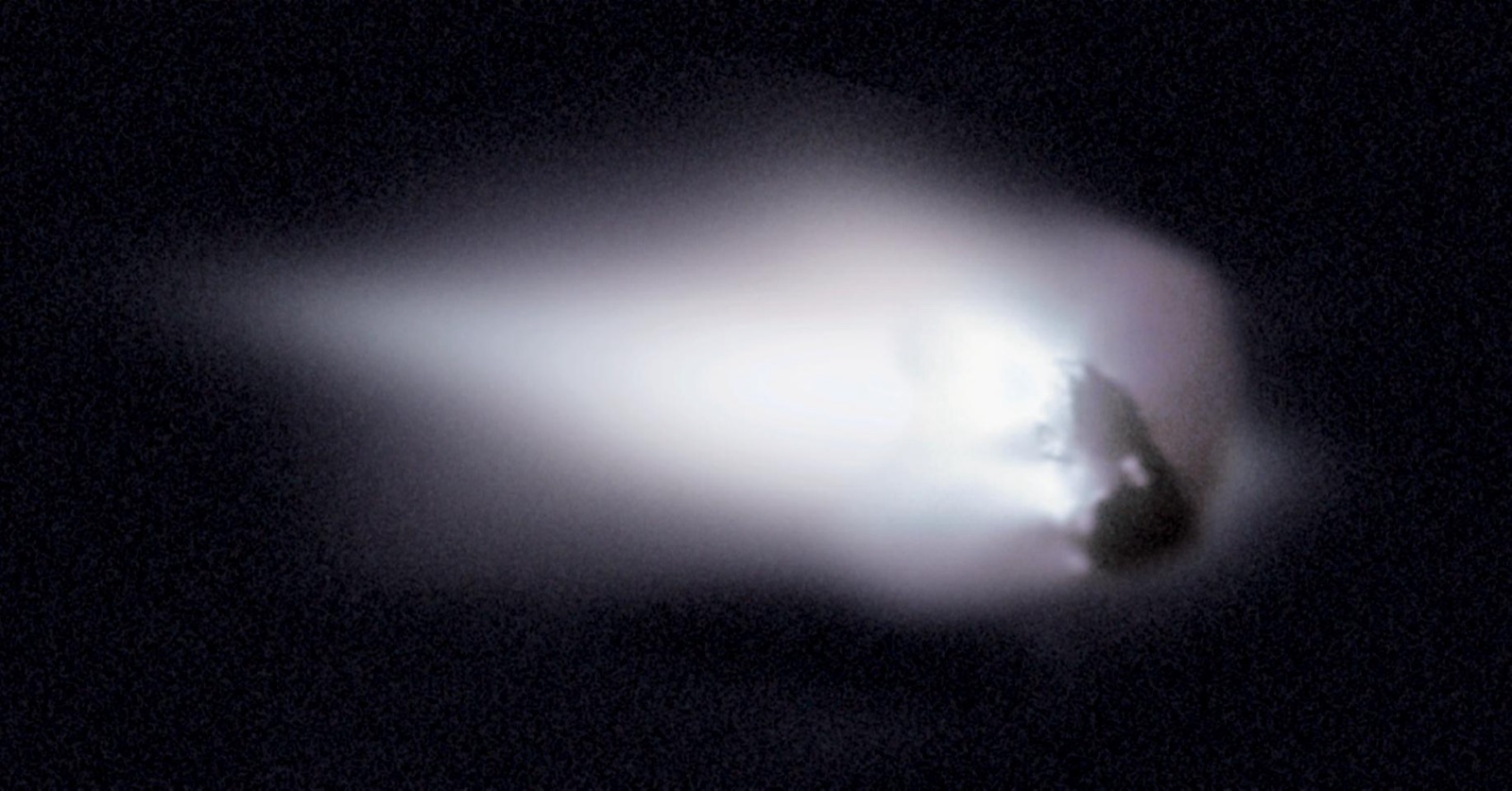
Five spacecraft meet Halley's Comet; Voyager 2 makes humanity's only Uranus flyby — an outer-planets annus mirabilis.
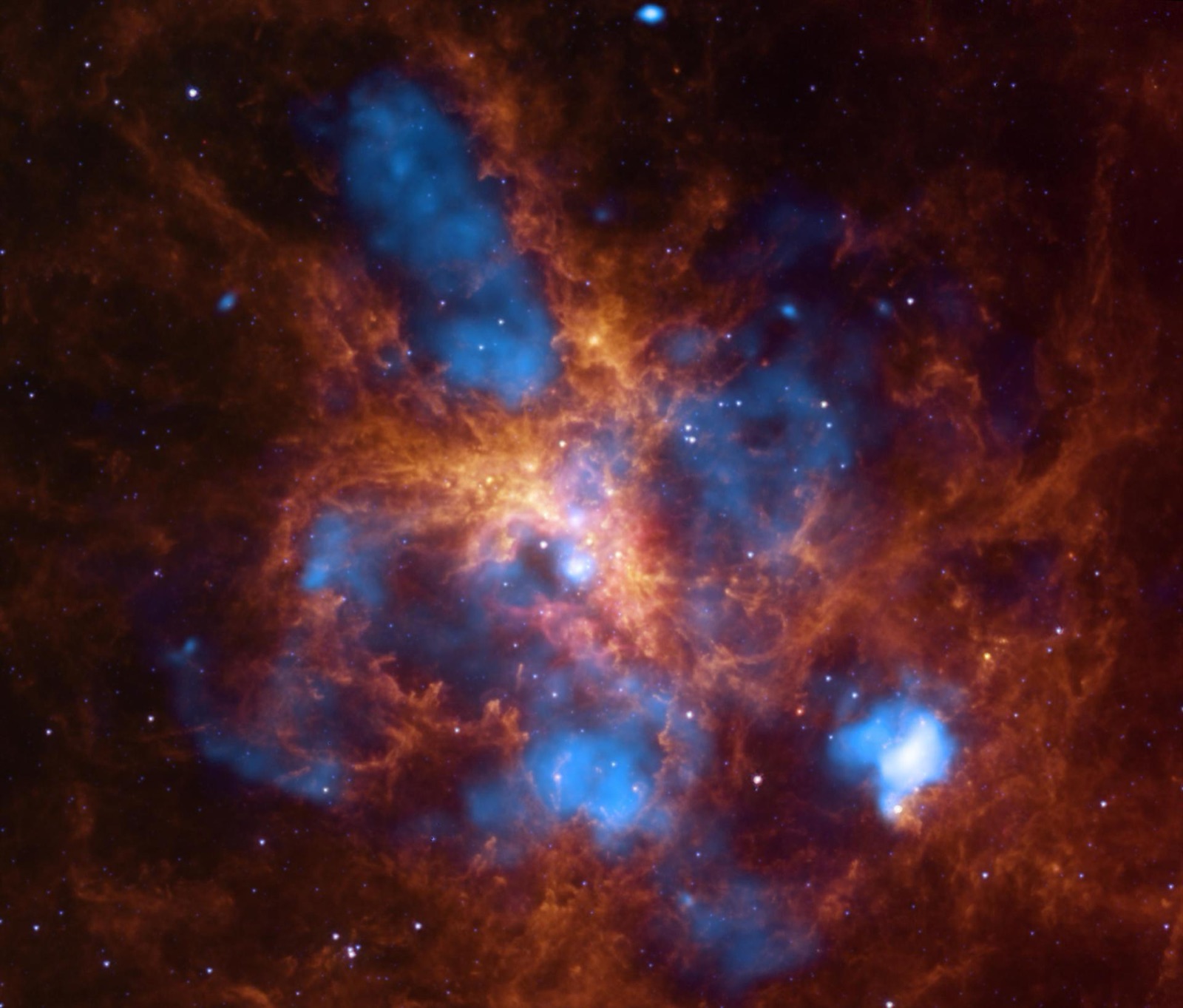
The nearest supernova in four centuries arrives with a neutrino burst — confirming how giant stars die.
The great space telescope goes up (fixed in 1993); Voyager 1 photographs Earth as a mote of dust.
Present
51 Pegasi b — a planet that 'shouldn't exist' — founds a field that now counts thousands of worlds.
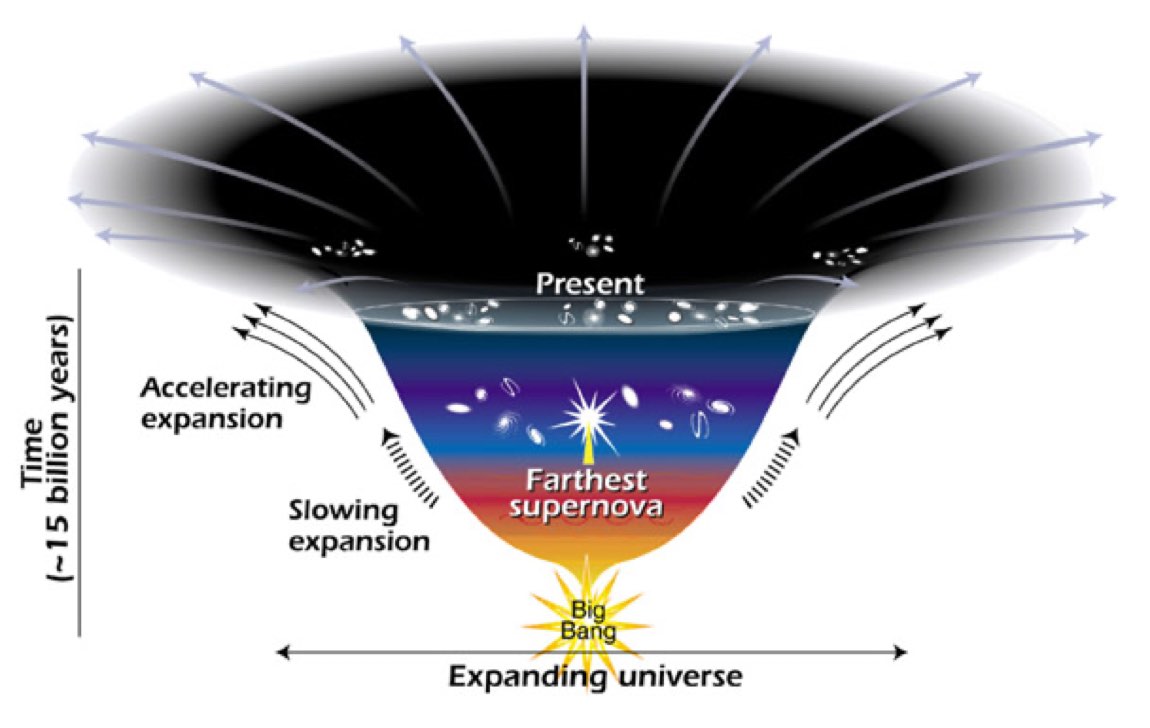
Distant supernovae reveal dark energy; the universe's budget becomes 95% mystery. ISS assembly also begins.
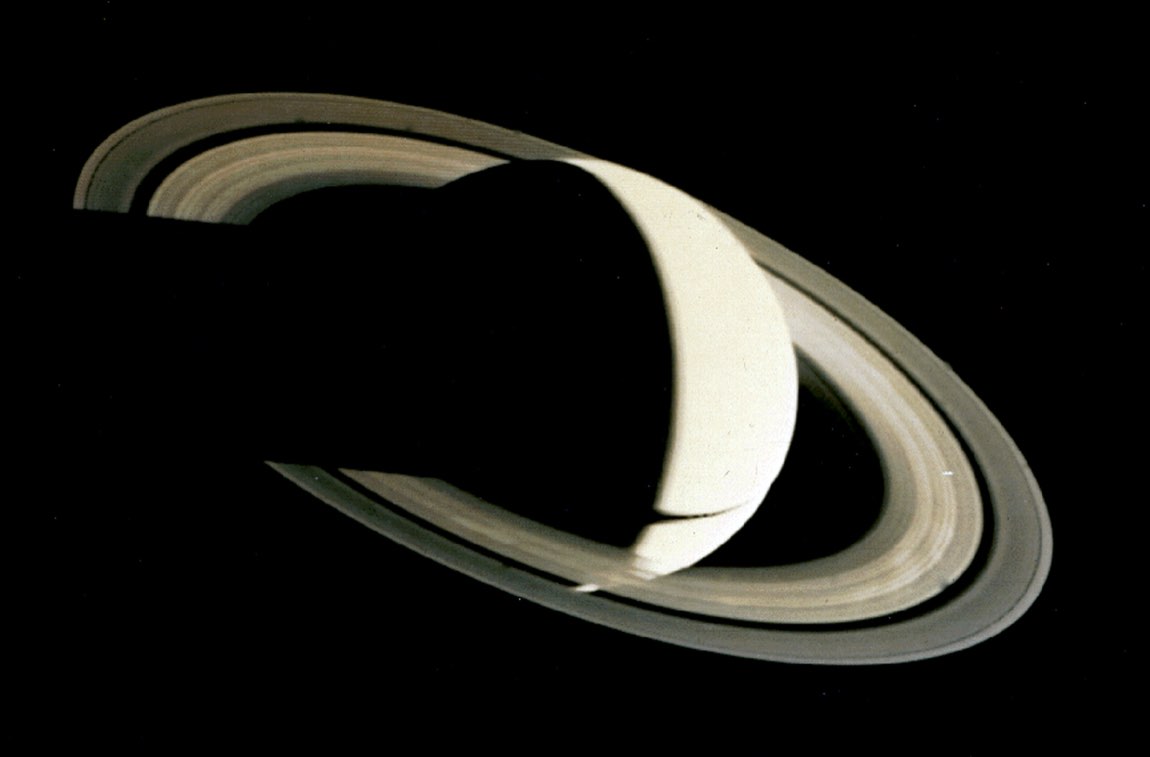
One machine leaves the Sun's bubble as another sky-cranes onto Mars.
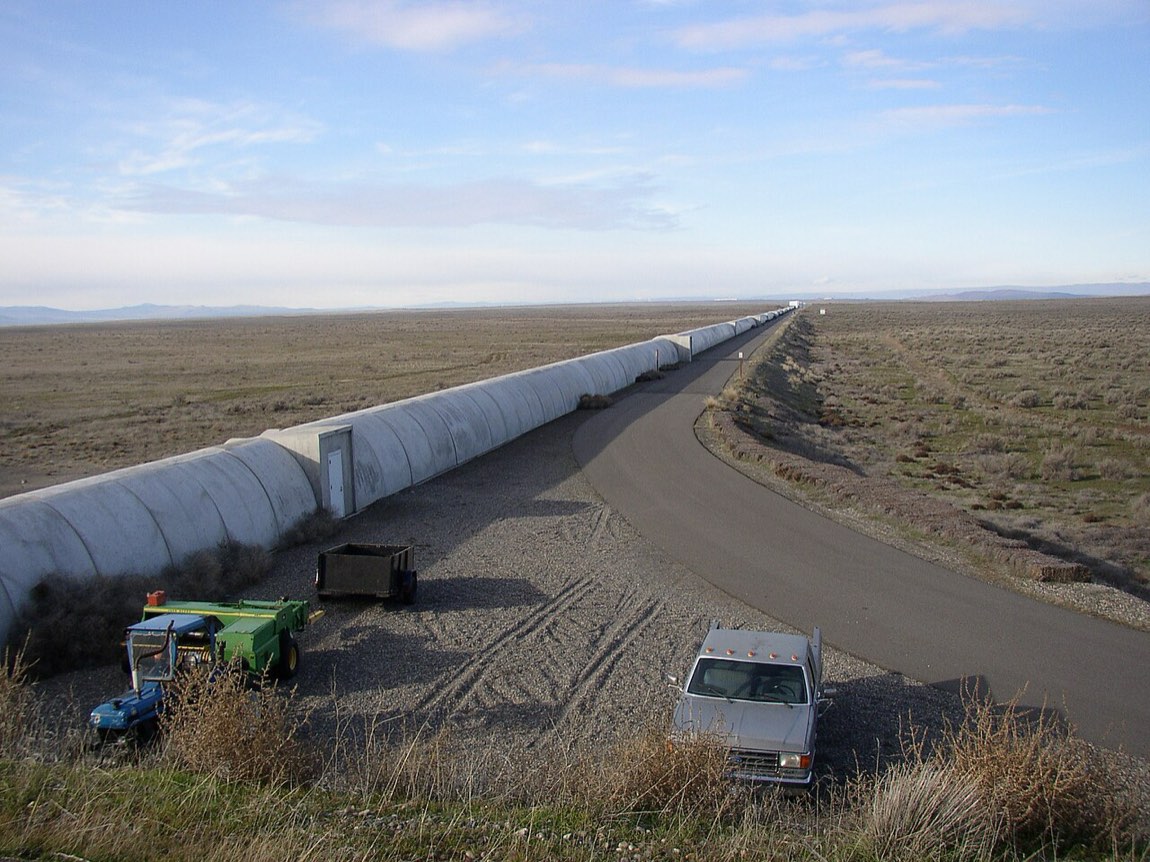
LIGO hears black holes collide; New Horizons turns Pluto into a world of glaciers and mountains.
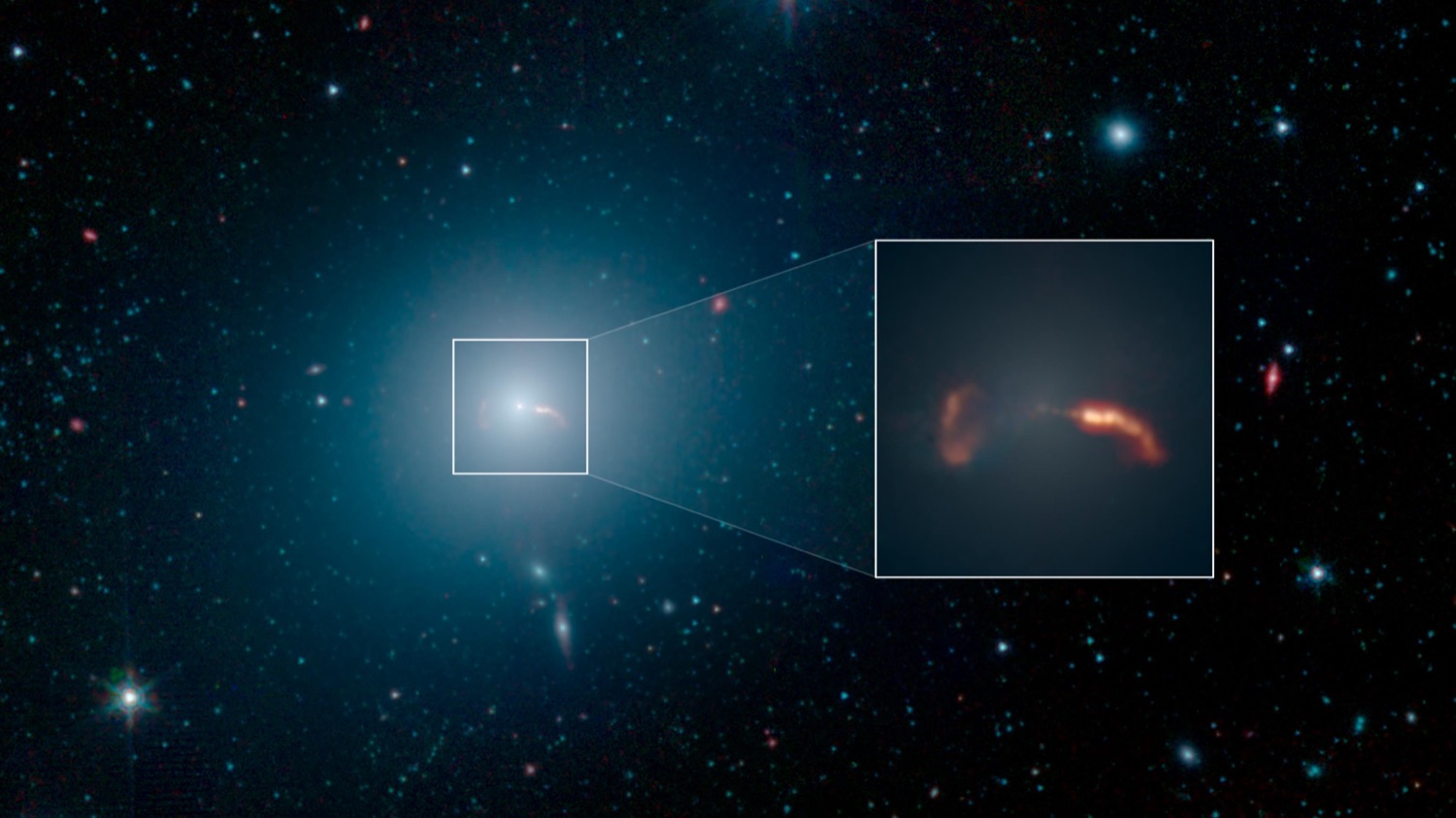
The Event Horizon Telescope photographs M87*'s glowing ring — Einstein passes at horizon scale.
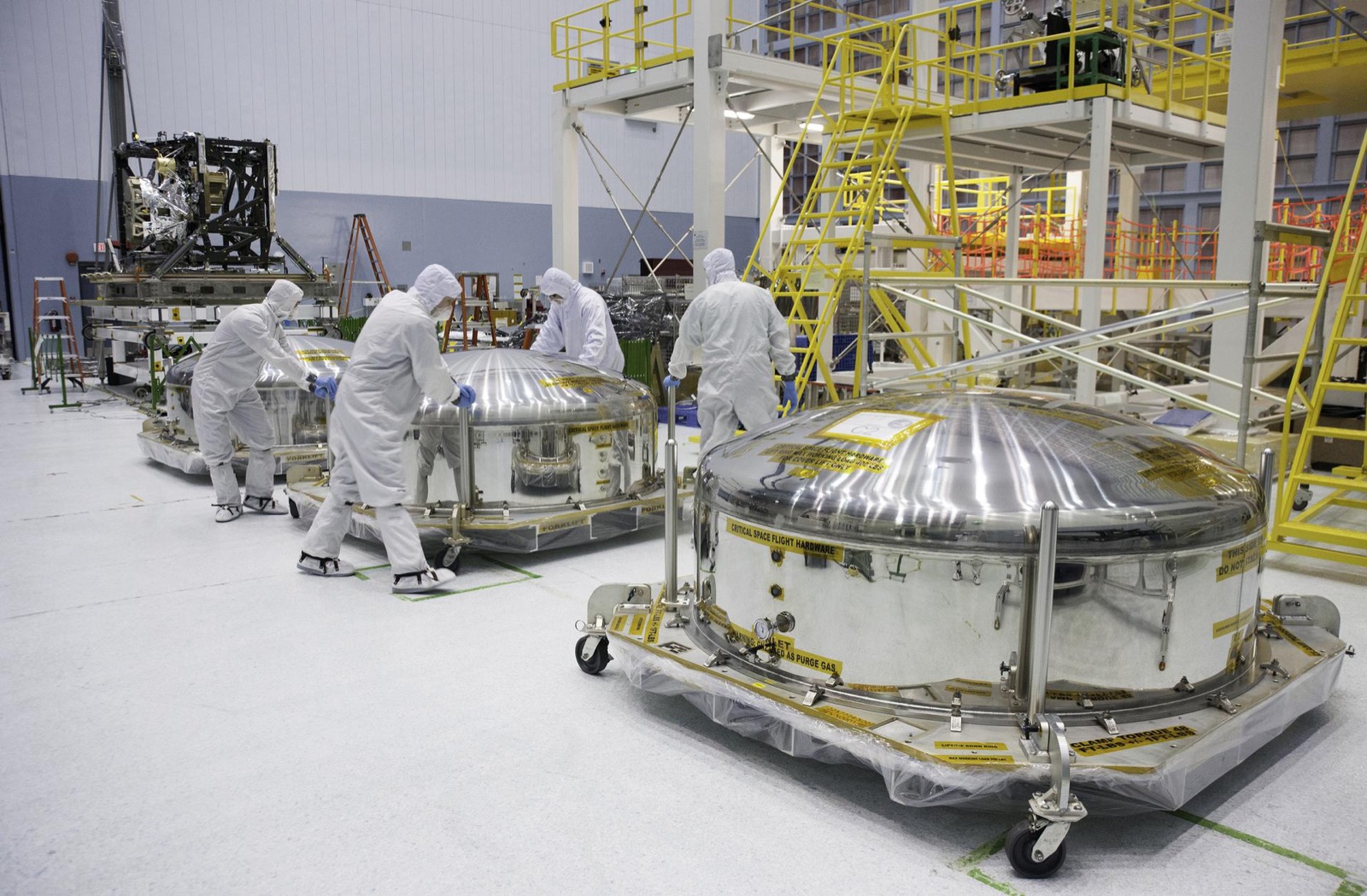
The infrared giant departs flawlessly; Ingenuity makes the first powered flight on another world.
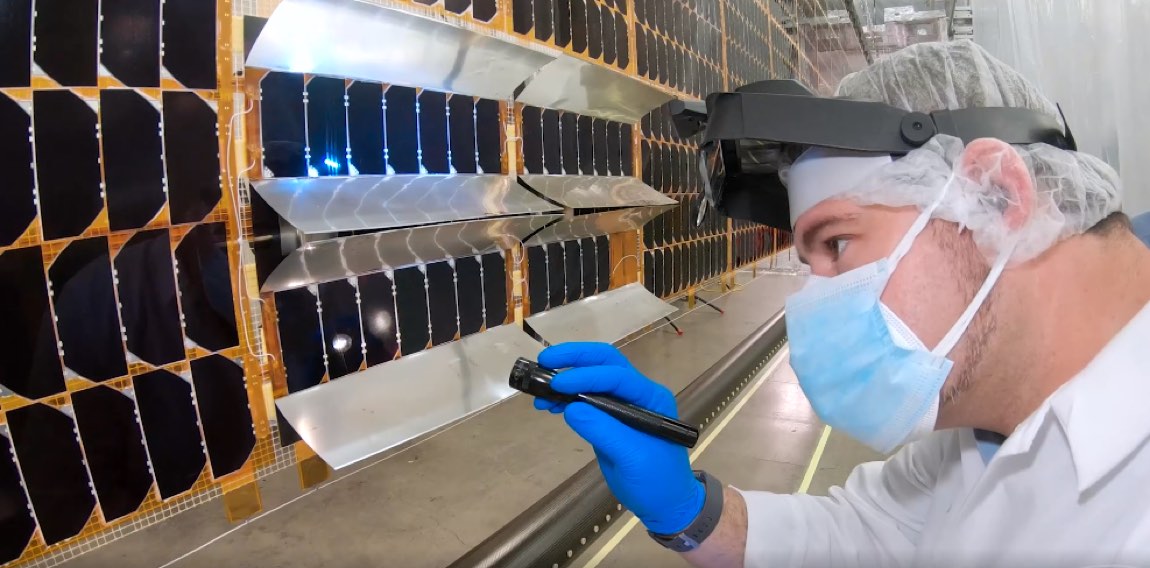
Webb opens the first-galaxies era; humanity deliberately changes an asteroid's orbit — planetary defense demonstrated.
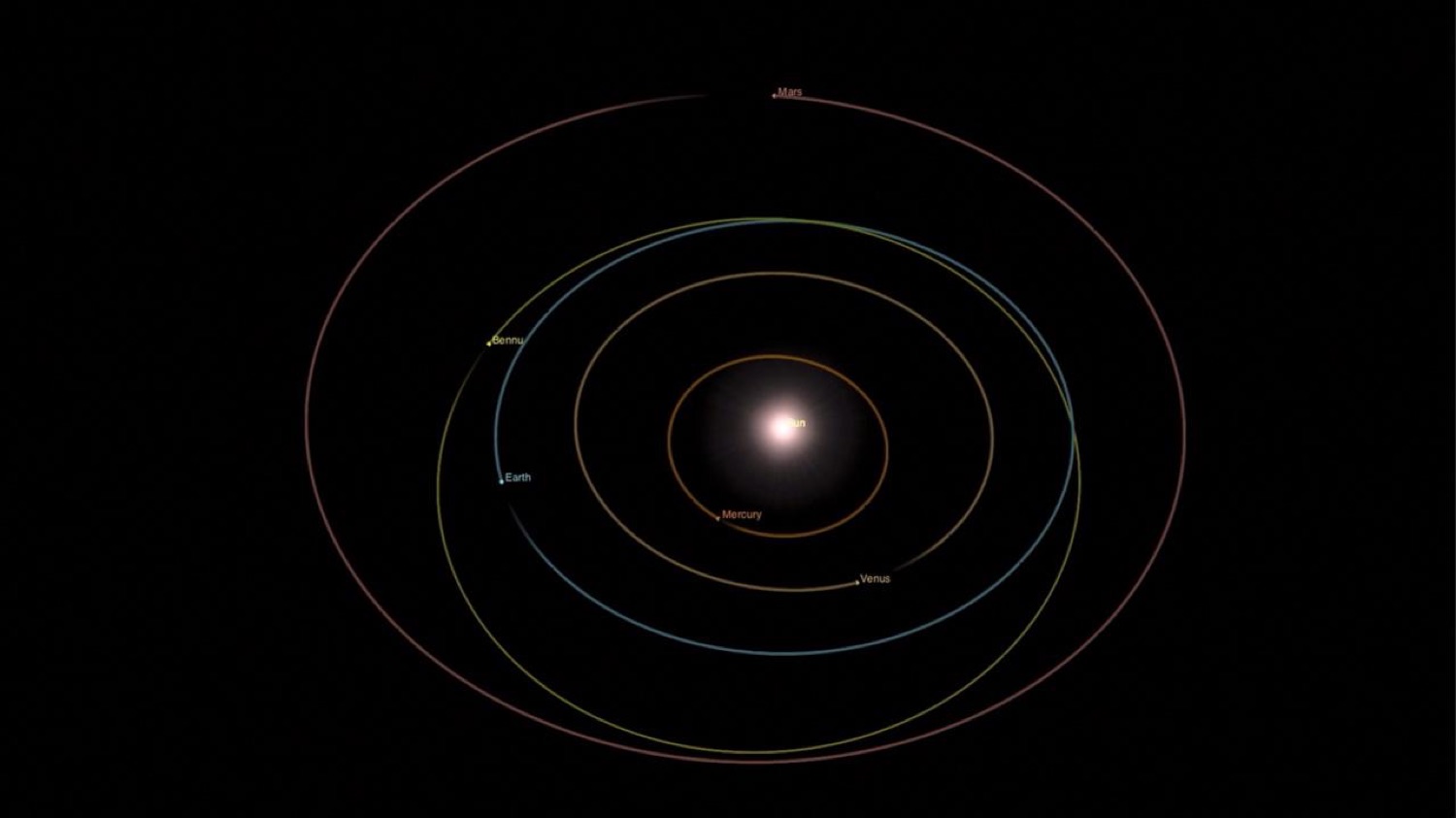
OSIRIS-REx delivers 121 g of primordial, organic-rich asteroid to Utah; India lands at the lunar south pole.
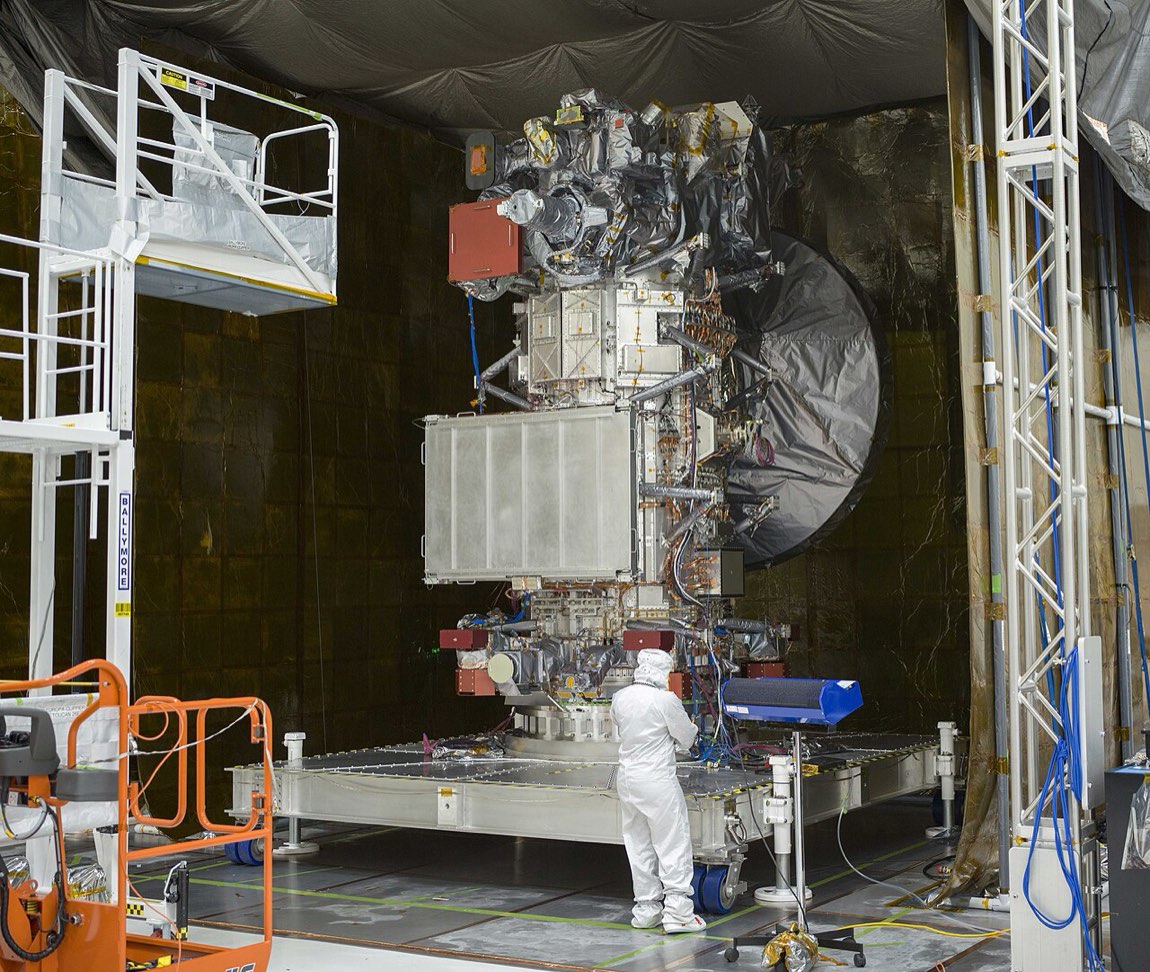
Private landers reach the Moon (bumpily), Parker touches record solar closeness, and NASA's ocean-world flagship launches.
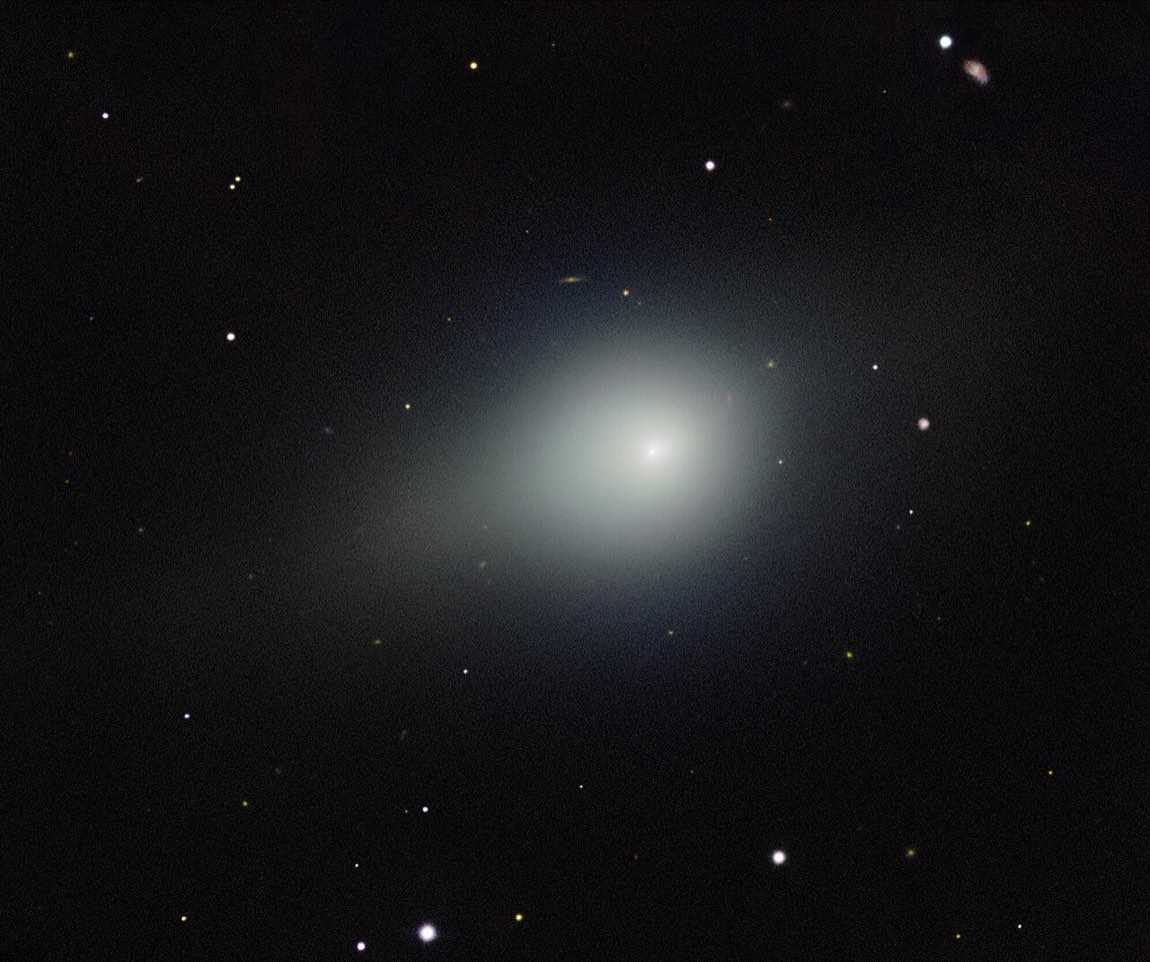
Comet 3I/ATLAS sweeps through the inner Solar System as surveys begin catching interstellar objects routinely; Saturn's moon count passes 270.
Photographs on this page: Stone circles track the sky, Andrew Dunn (CC BY-SA 2.0); Hipparchus catalogs the stars, Hermann Göll (Public domain); Halley predicts his comet, Edmond Halley (1656–1742) (Public domain); Herschel discovers Uranus, Mike Young (Public domain); The Halley armada; Voyager at Uranus, NASA/ESA/Giotto Project (Public domain (NASA)).