Explore the Universe. Understand Everything In It.
★
Menu
Home Tonight's Sky News
Explore Solar System PlanetsMoons StarsExoplanets GalaxiesBlack Holes NebulaeAsteroids & Comets Star ClustersMeteorites Constellations Space Exploration Space Industry
Sky Astronomy Calendar Launches
Learn & Tools Start Learning Astrophysics Scale of the Universe Timeline Glossary A–Z People Young Astronomers Top Lists Tools Compare Worlds Ask the Atlas AI Agents API
About About us Methodology Contact

Guided View
New to astronomy? We explain every term as you browse, in plain English. Same pages, with the help built in.

Expert View
You know the sky. Just the content, clean and compact, with no extra explanations. This is the default view.

Interface language
Light mode
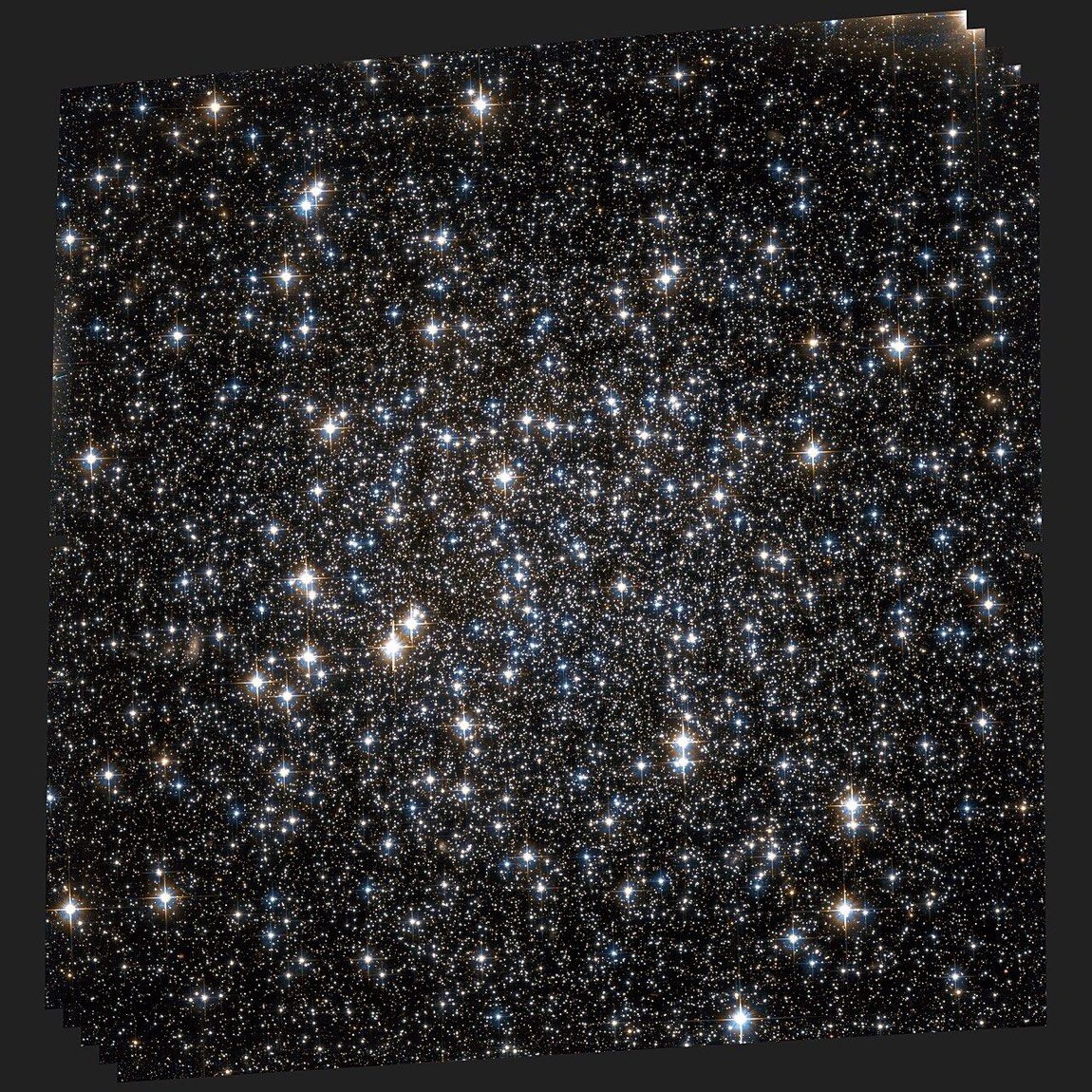
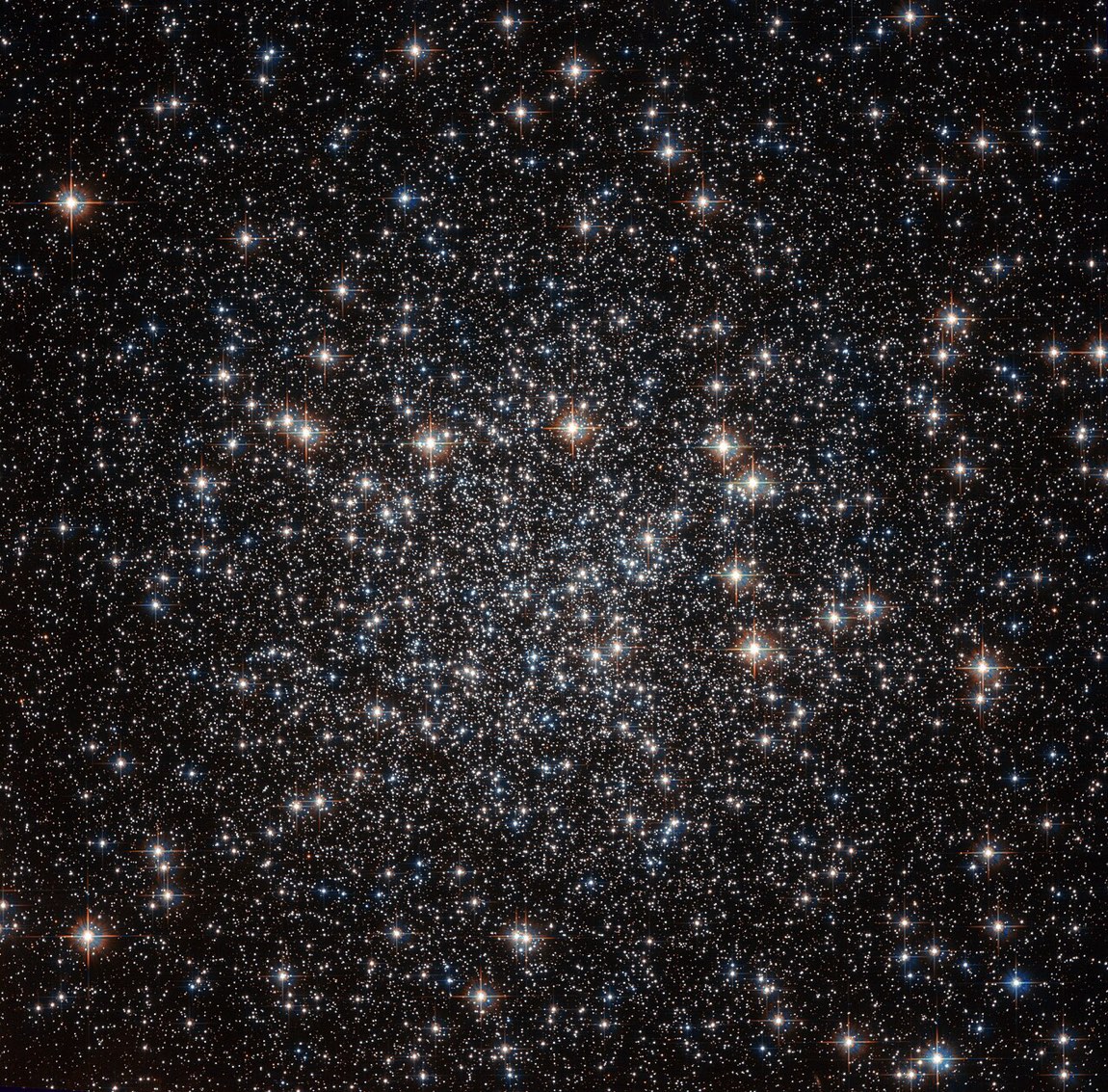
NGC 6101 Photograph · NASA - Hubble Space Telescope · Public domain

Star Cluster · Deep guide

NGC 6101

Also called: Caldwell 107 · NGC 6101

A faint, far-flung globular cluster in Apus that seems to harbour many black holes.

About 4.76e+04 light-years away Light makes the trip in 47,600 years

What is it?

NGC 6101 is a globular cluster in Apus, a constellation near the south celestial pole. James Dunlop discovered and catalogued it. It lies about 47,600 light-years from the Sun and some 36,500 light-years from the galactic centre, and a moderate telescope is needed to pick out its individual stars. Research suggests the cluster contains an unexpectedly large population of black holes.
✦ Keep exploring