Explore the Universe. Understand Everything In It.
★
Menu
Home Tonight's Sky News
Explore Solar System PlanetsMoons StarsExoplanets GalaxiesBlack Holes NebulaeAsteroids & Comets Star ClustersMeteorites Constellations Space Exploration Space Industry
Sky Astronomy Calendar Launches
Learn & Tools Start Learning Astrophysics Scale of the Universe Timeline Glossary A–Z People Young Astronomers Top Lists Tools Compare Worlds Ask the Atlas AI Agents API
About About us Methodology Contact

Guided View
New to astronomy? We explain every term as you browse, in plain English. Same pages, with the help built in.

Expert View
You know the sky. Just the content, clean and compact, with no extra explanations. This is the default view.

Interface language
Light mode
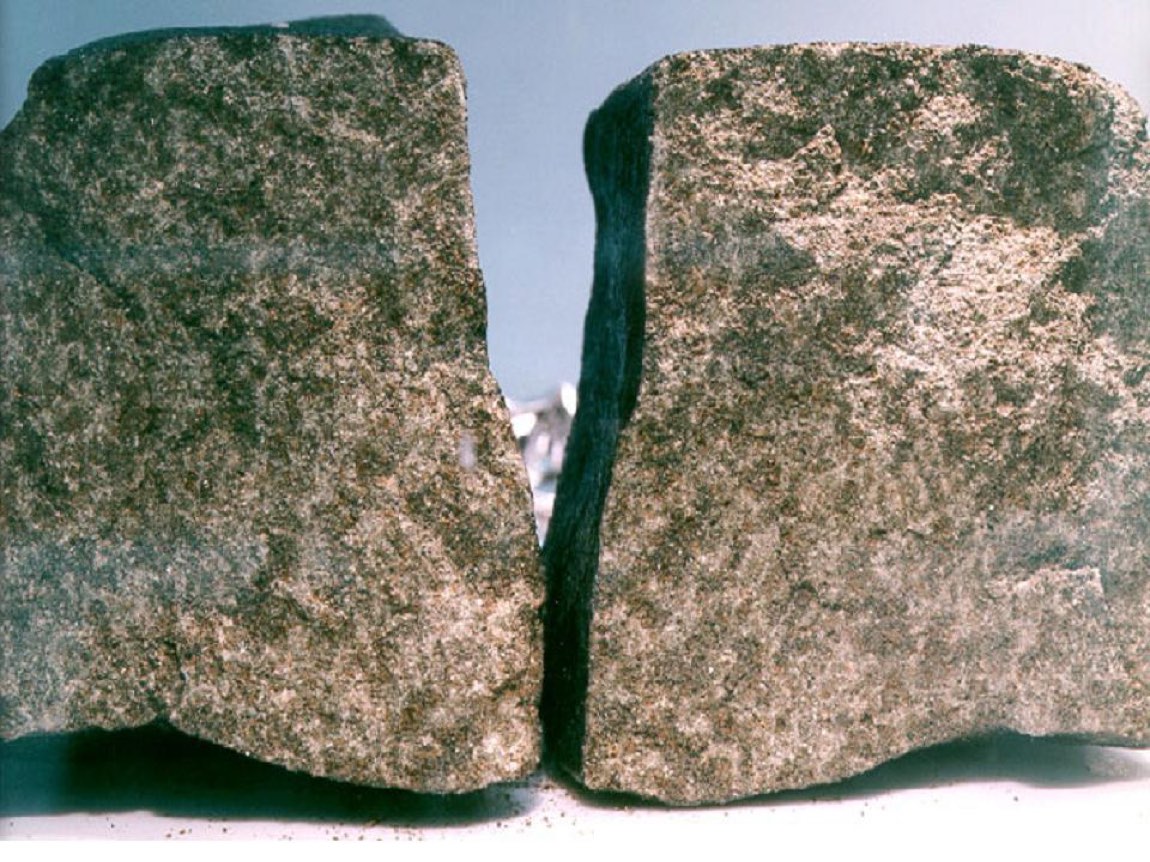
Shergotty Meteorite Photograph · Jon Taylor · CC BY-SA 2.0

Meteorite · Deep guide

Shergotty Meteorite

Also called: Sherghati meteorite · Shergotty

The 1865 Indian fall that gave its name to the most common family of Martian meteorites.

None

What is it?

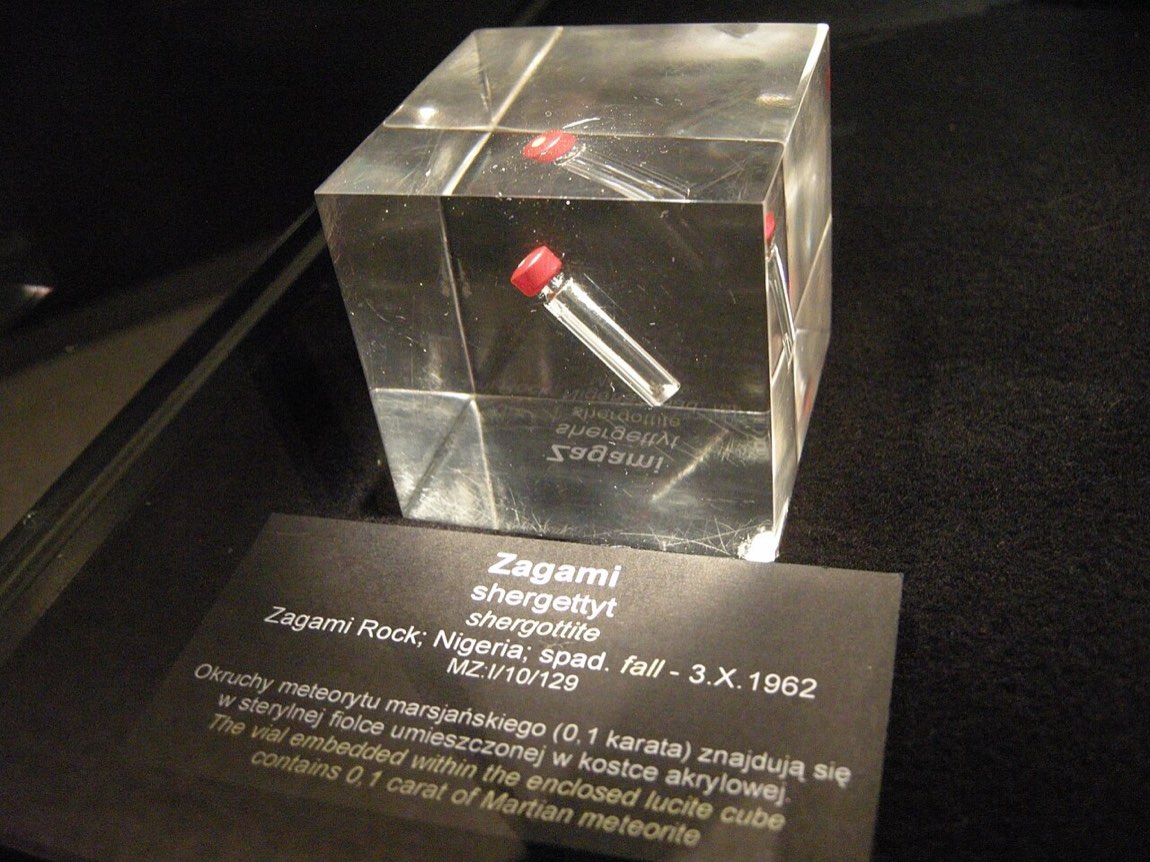
On 25 August 1865, a stone of about 5 kg fell at Sherghati in Bihar, India, and witnesses picked it up almost at once. Much later it was recognised as a piece of Mars, and it became the first known member of the shergottites, the 'S' in the SNC classification. It is mostly the mineral pyroxene, and dating shows it solidified from volcanic magma, with the source article giving about 4.1 billion years. It also shows signs of having been altered by water before it left Mars.
✦ Keep exploring