Planets & Dwarf Planets · 23 guides
Planets & Dwarf Planets
The Sun's family: eight planets and the dwarf worlds beyond, each explored in depth.
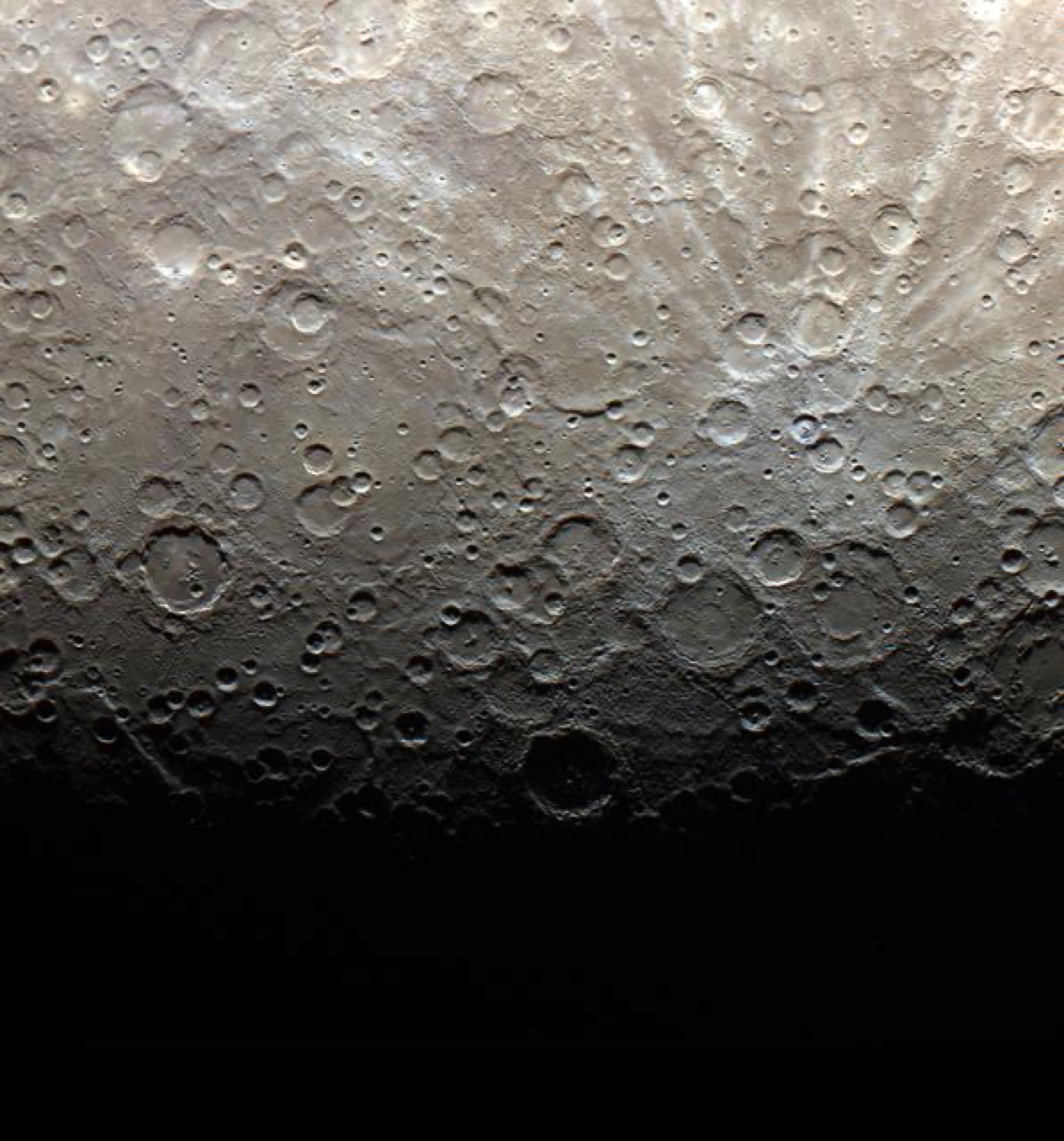
Start with Mercury Smallest of the planets and closest to the Sun, Mercury is a cratered world of brutal extremes.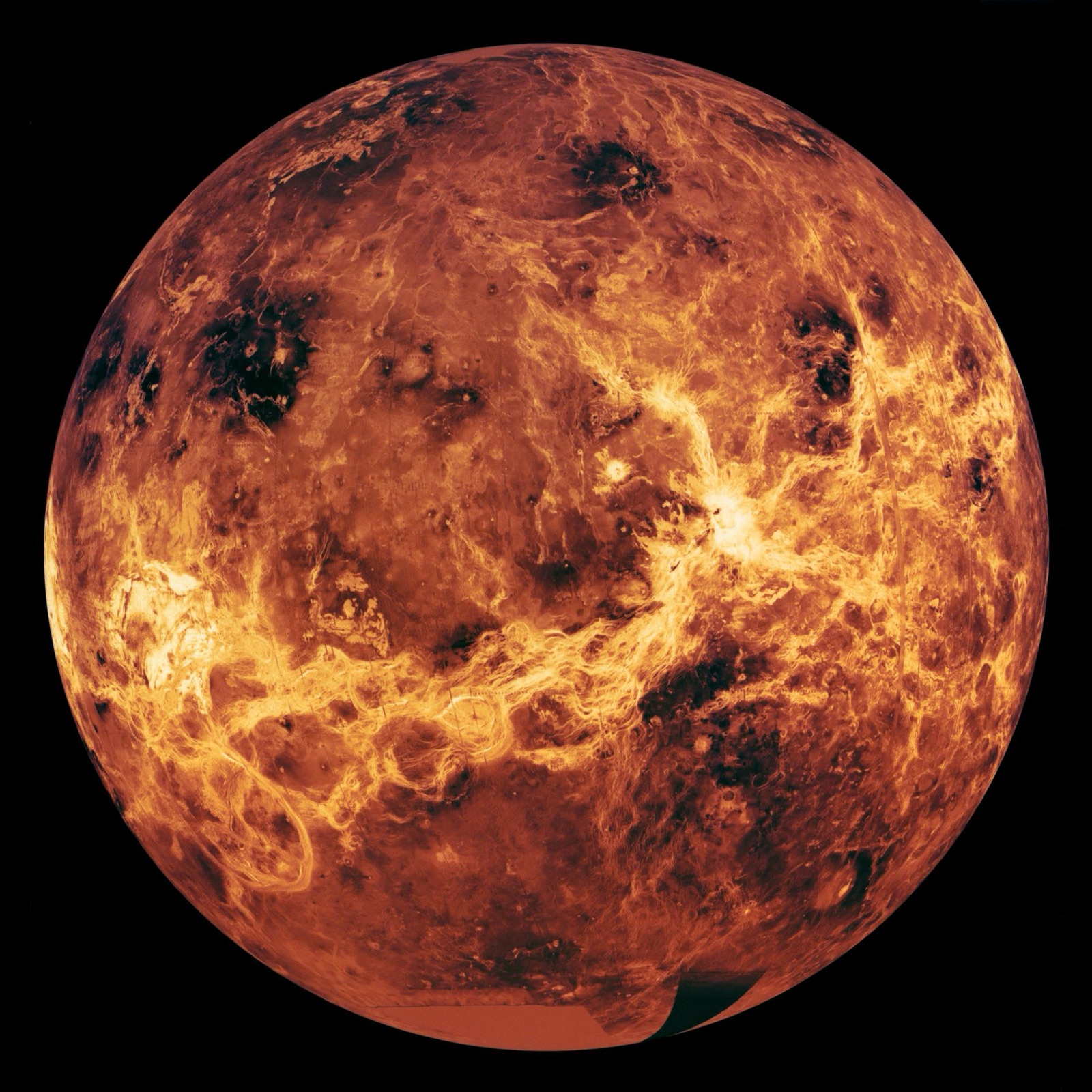
Planet
Venus Earth's overheated twin is a runaway greenhouse world hidden under acid clouds.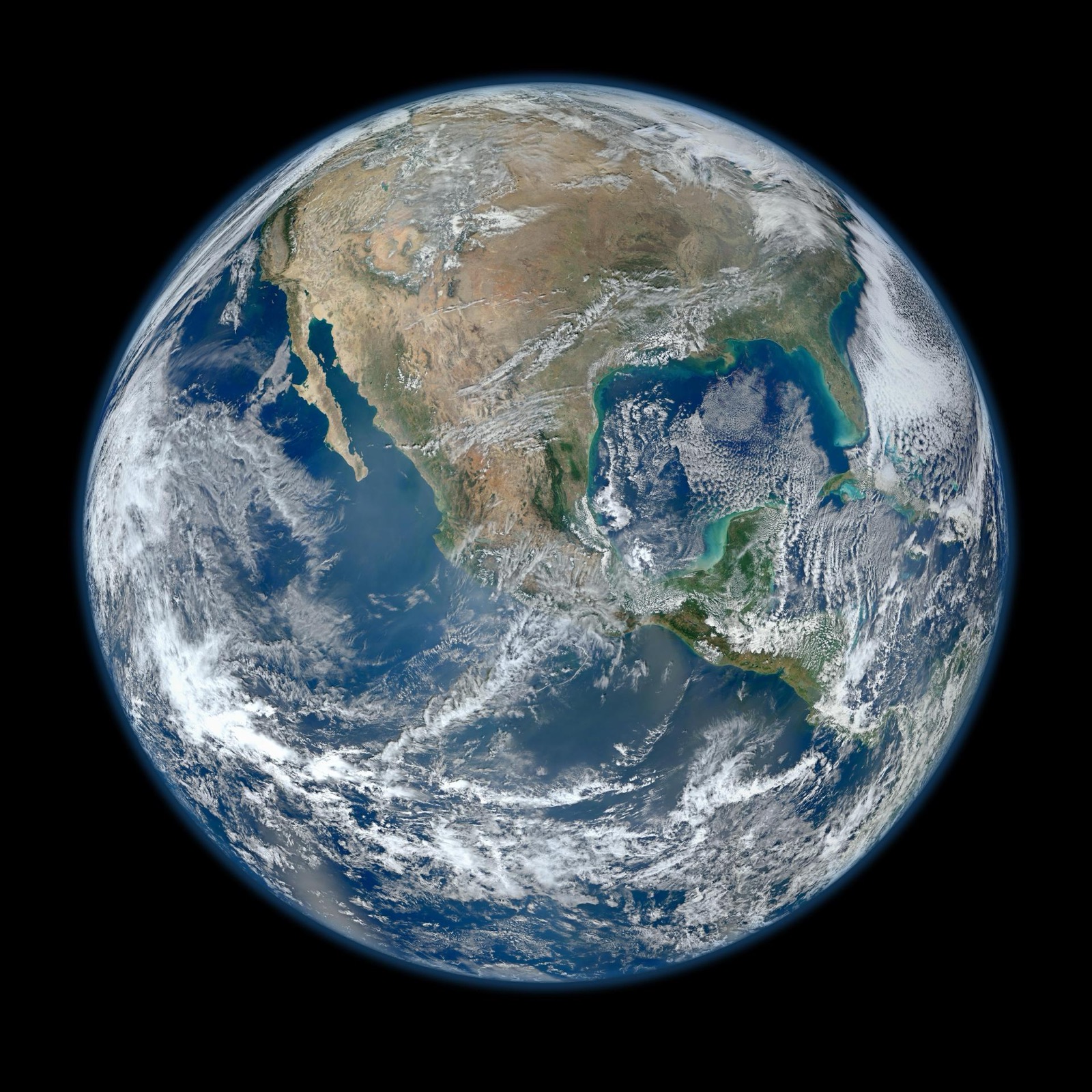
Planet
Earth The only place in the universe where life is confirmed to exist. We call it home.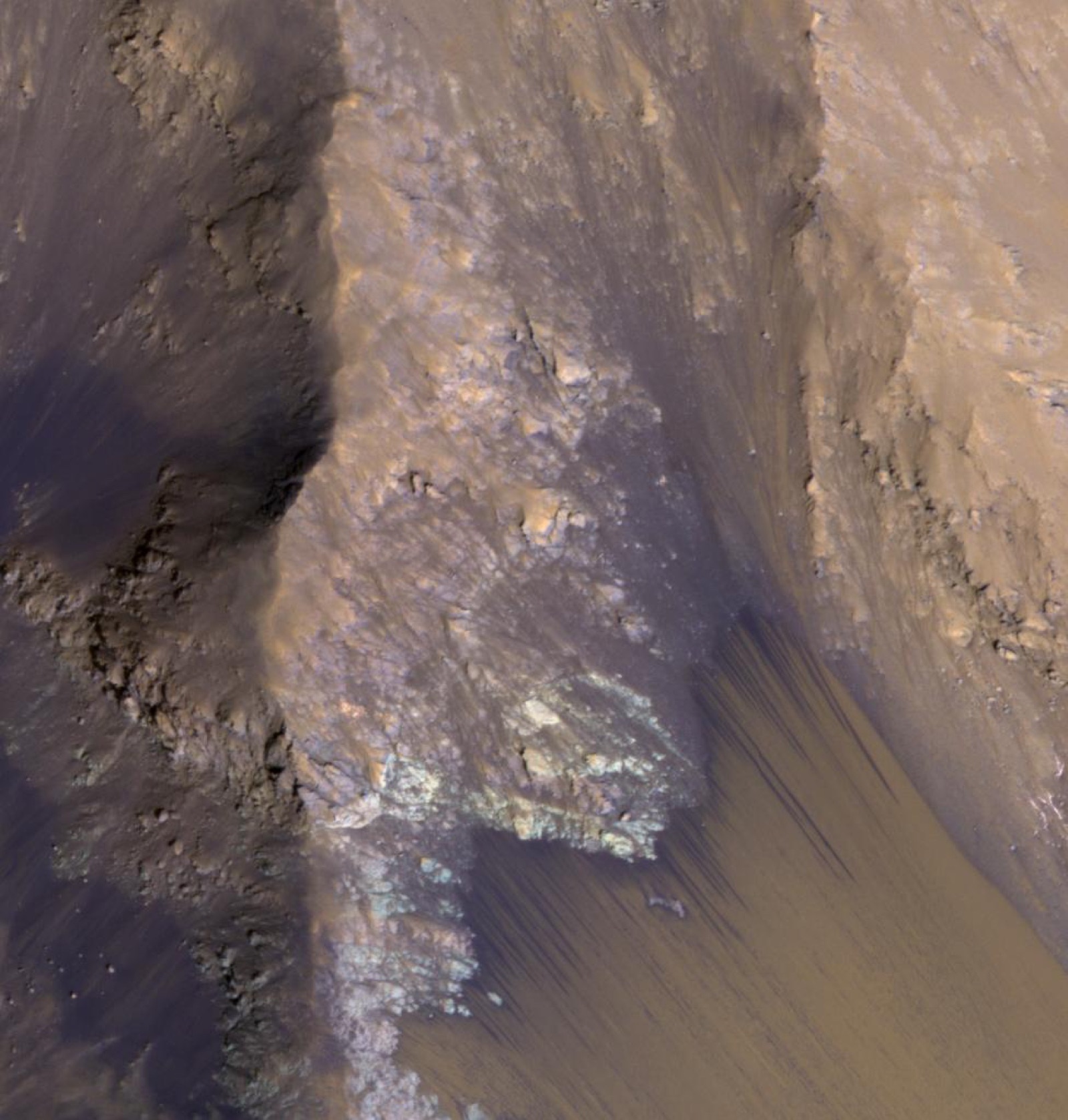
Planet
Mars Once wet, now cold, the rusty desert world next door is the main target for human exploration.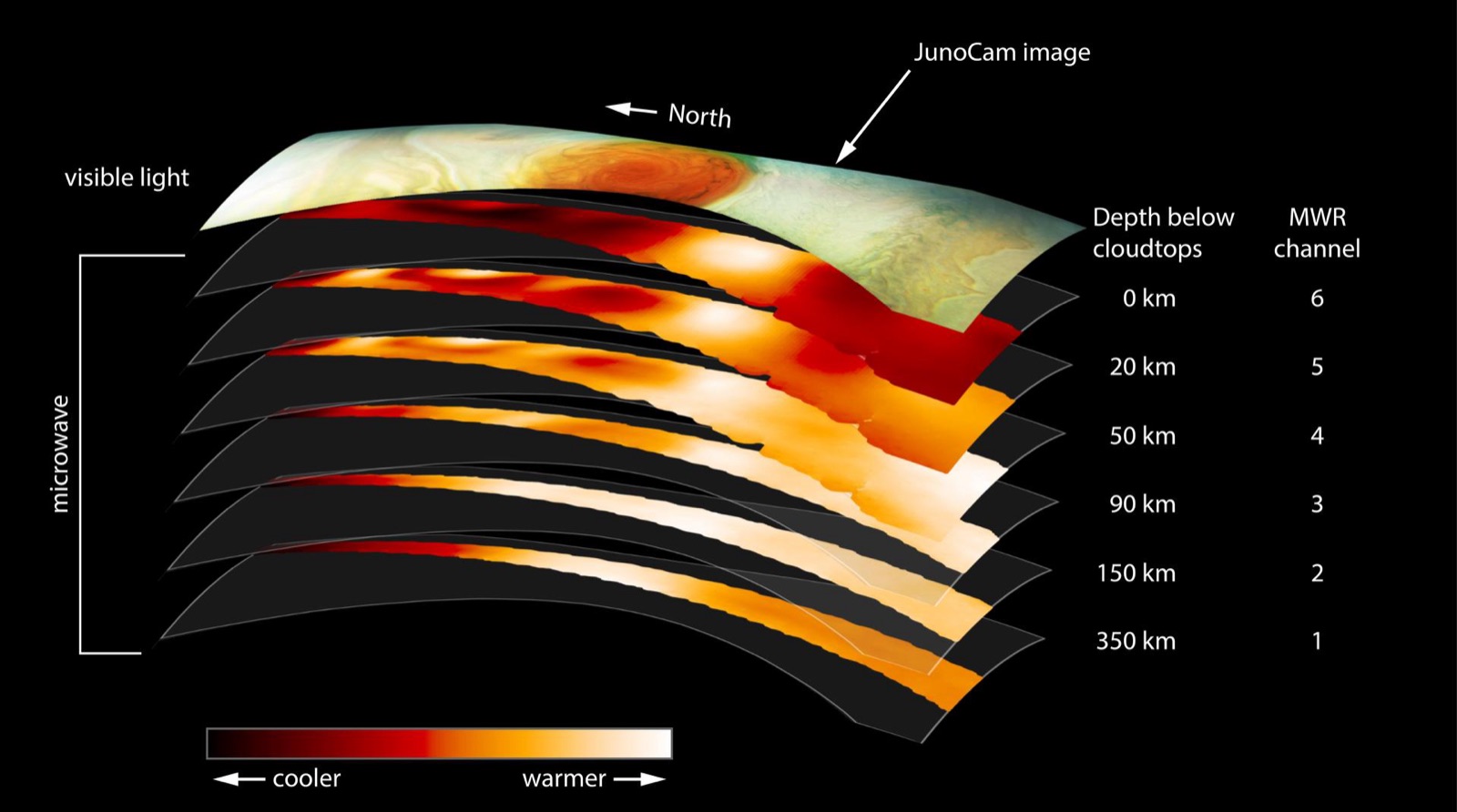
Planet
Jupiter The giant of the Solar System. This striped gas world could swallow 1,300 Earths.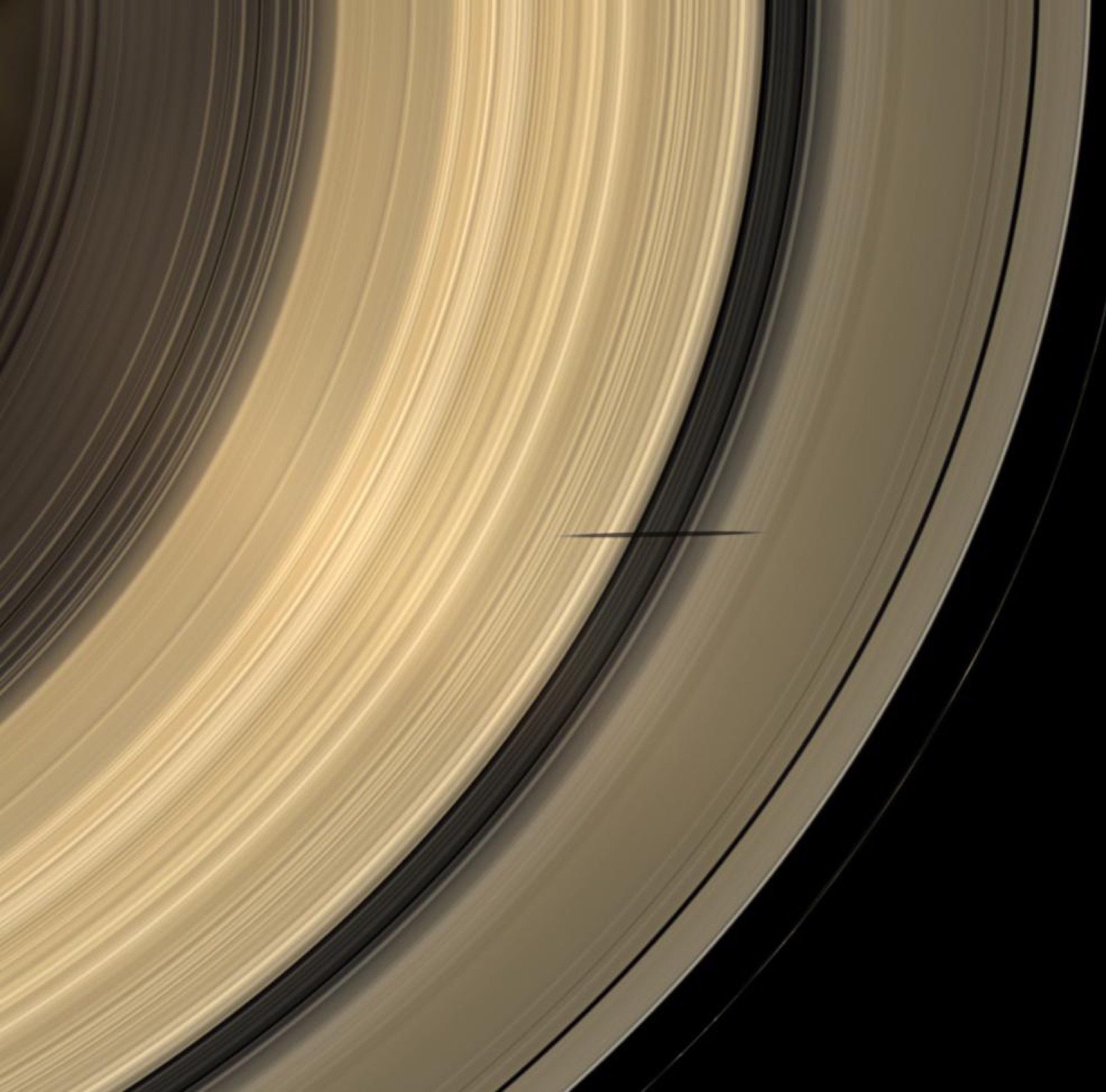
Planet
Saturn Wrapped in rings of ice, this golden gas giant is the jewel of the Solar System.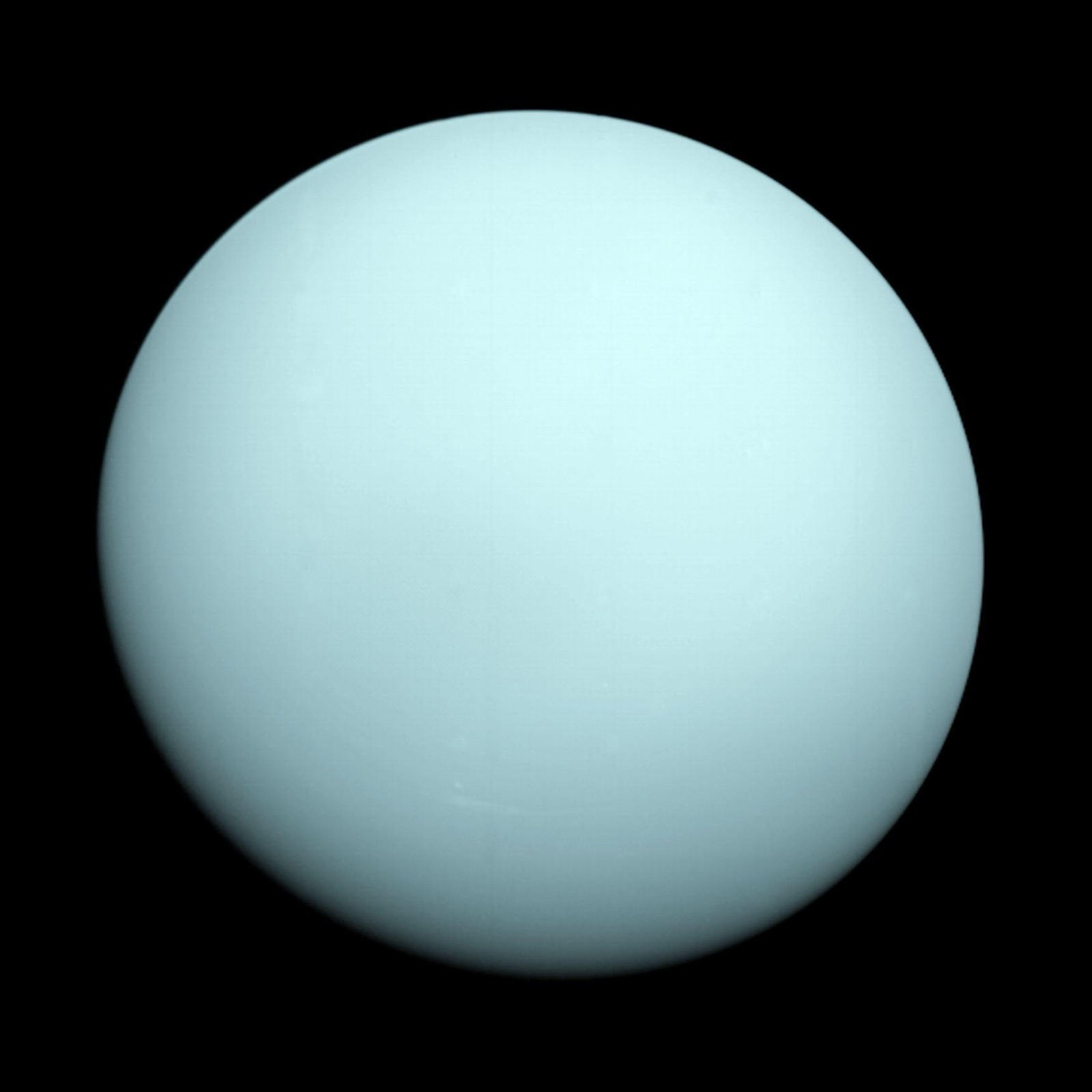
Planet
Uranus The sideways planet: an ice giant that rolls around the Sun on its side.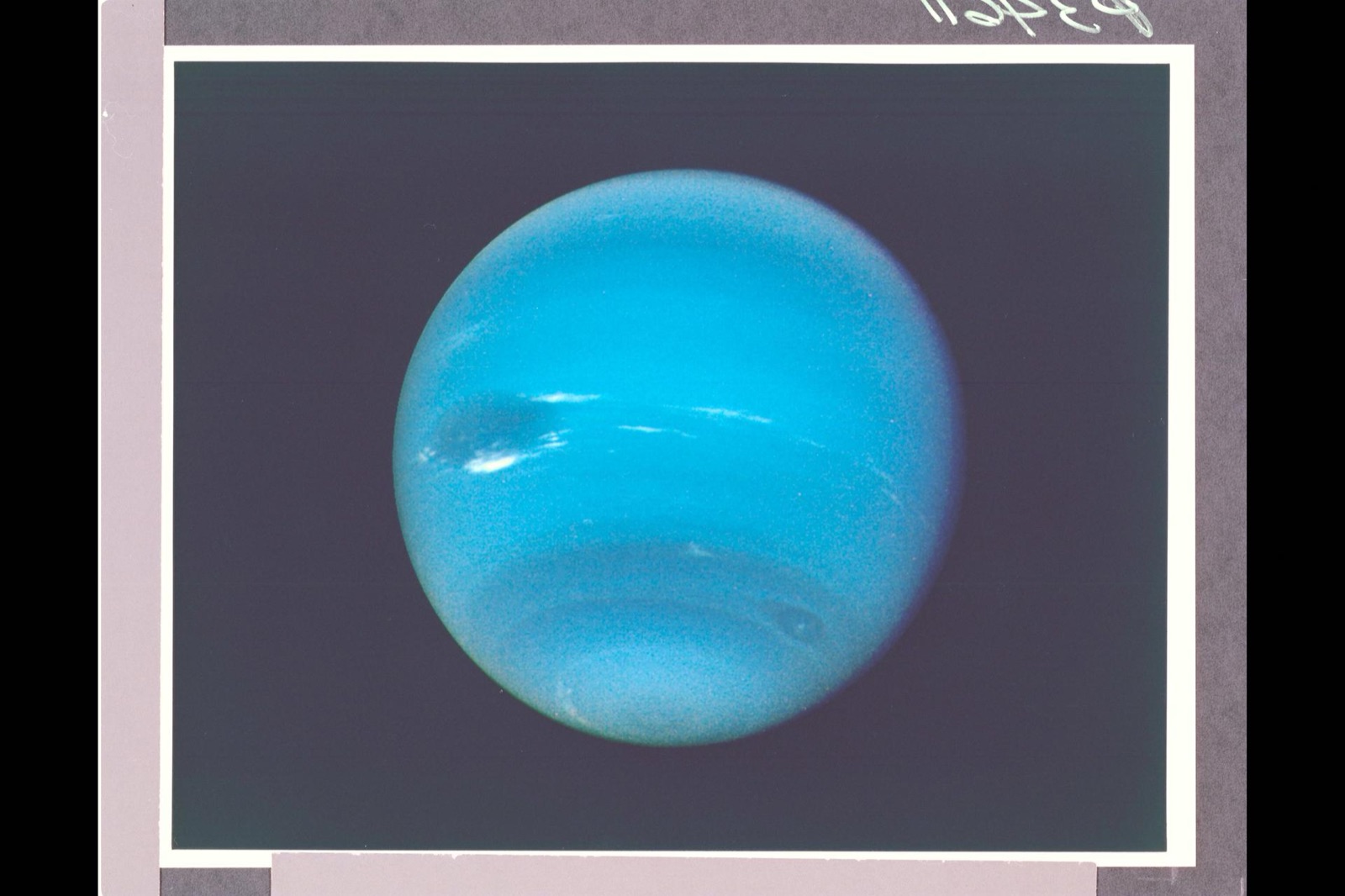
Planet
Neptune The wildest winds in the Solar System blow on the farthest planet, a deep-blue ice giant.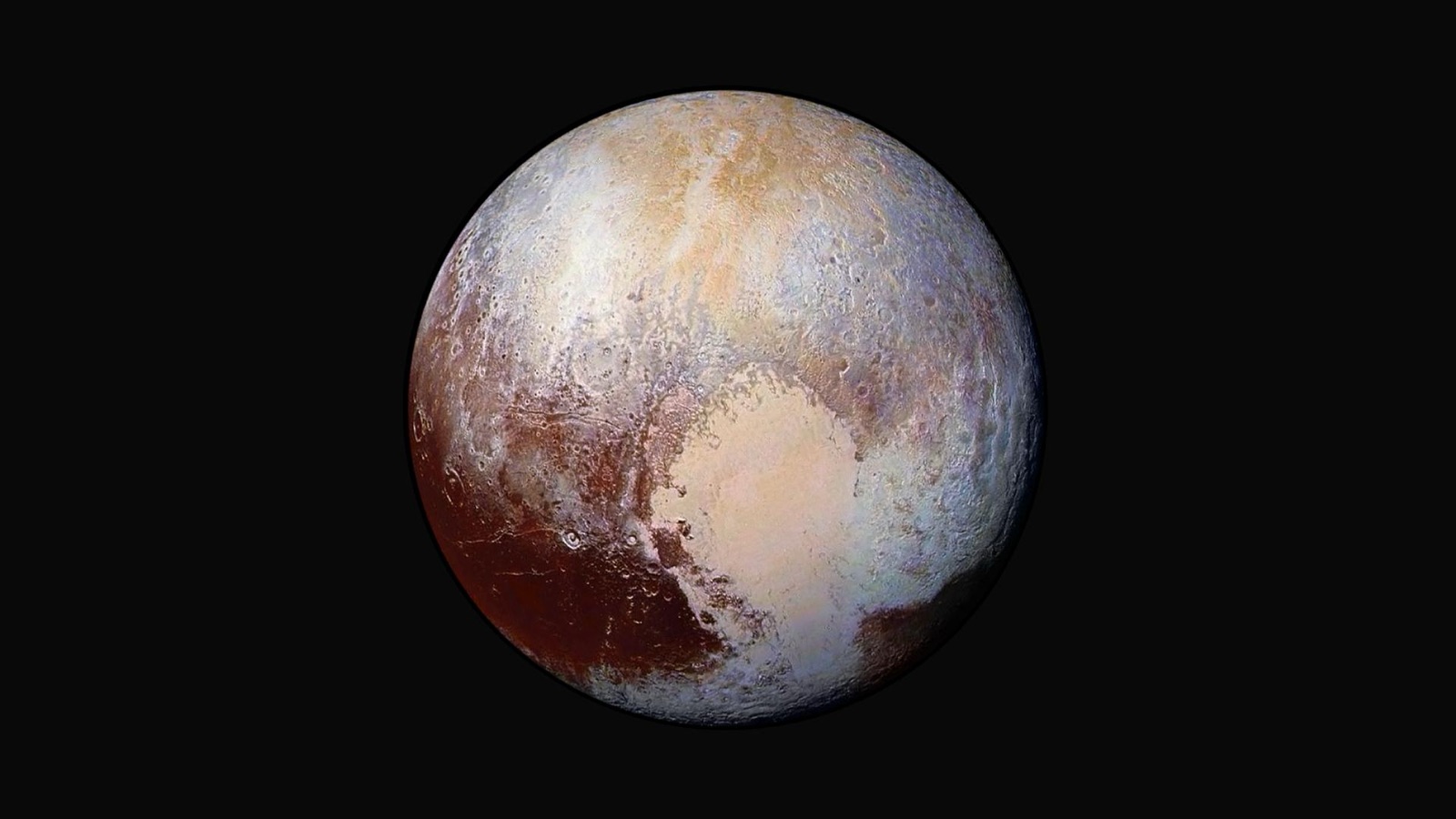
Dwarf Planet
Pluto The beloved dwarf planet, a tiny frozen world with a giant heart.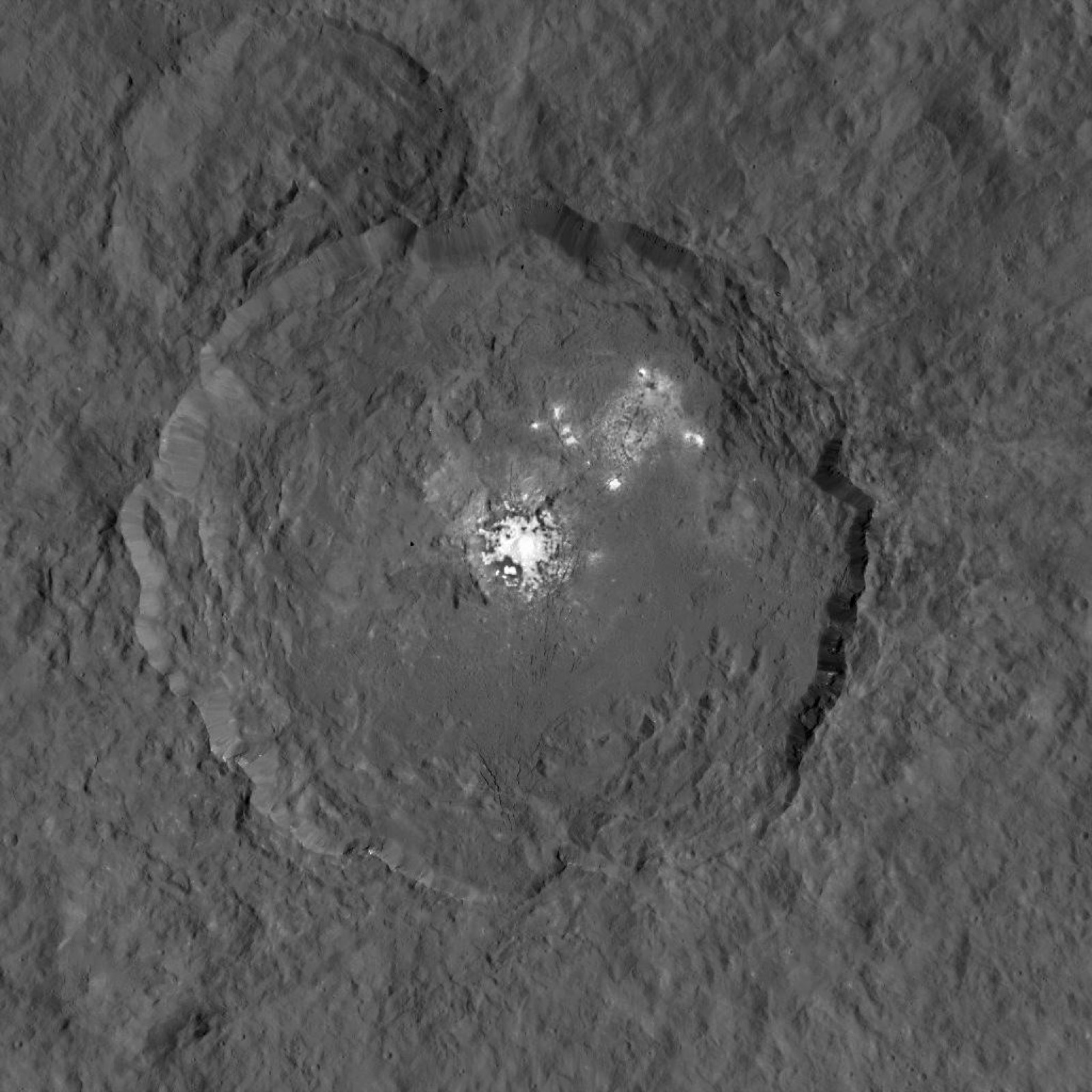
Dwarf Planet
Ceres The largest object in the asteroid belt is a dwarf planet with salty bright spots and buried brine.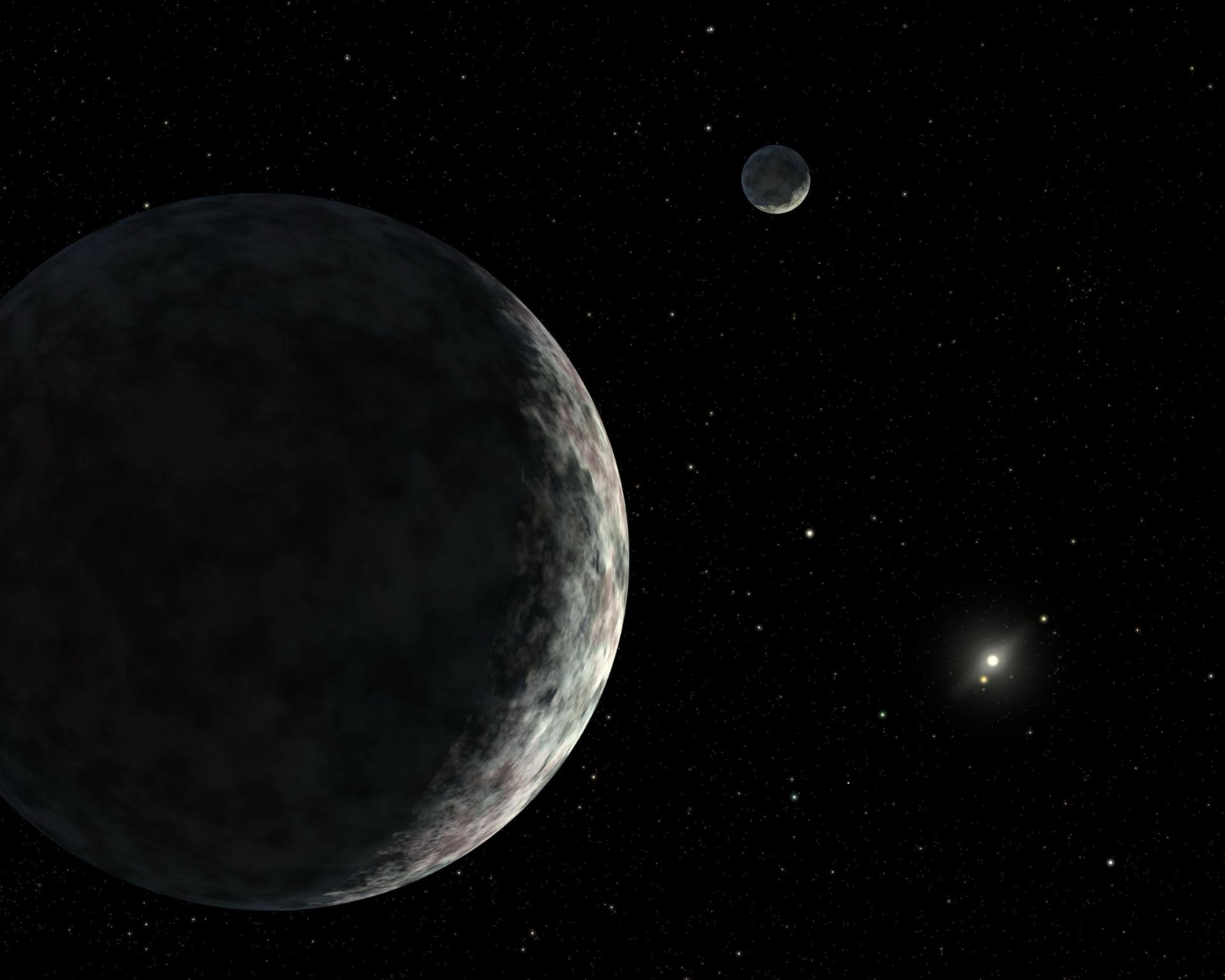
Dwarf Planet
Eris Pluto's distant, denser twin, and the world that ended the nine-planet era.
Dwarf Planet
Haumea The spinning egg of the Kuiper Belt, complete with its own ring.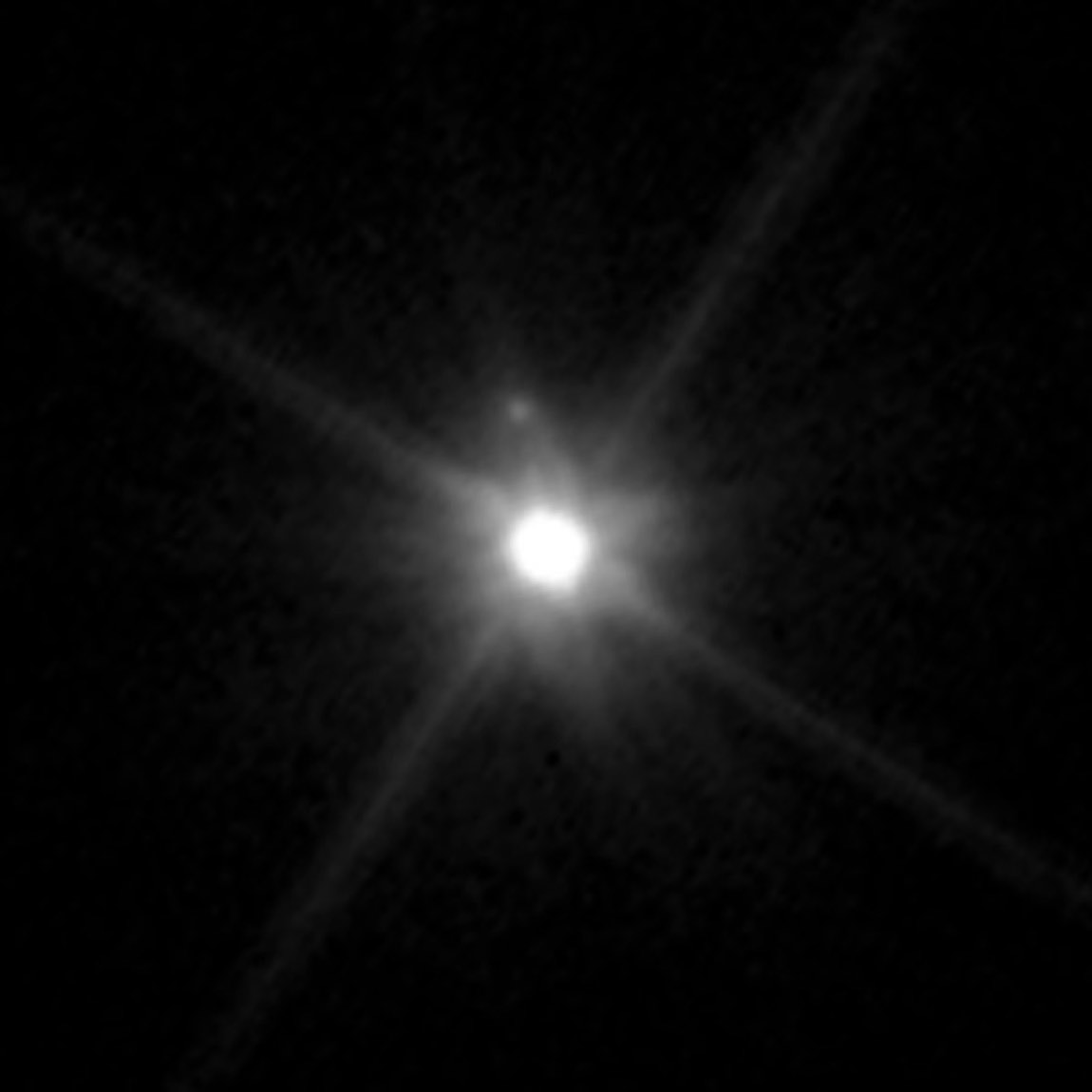
Dwarf Planet
Makemake The bright Easter dwarf is a frozen world that refused to have air.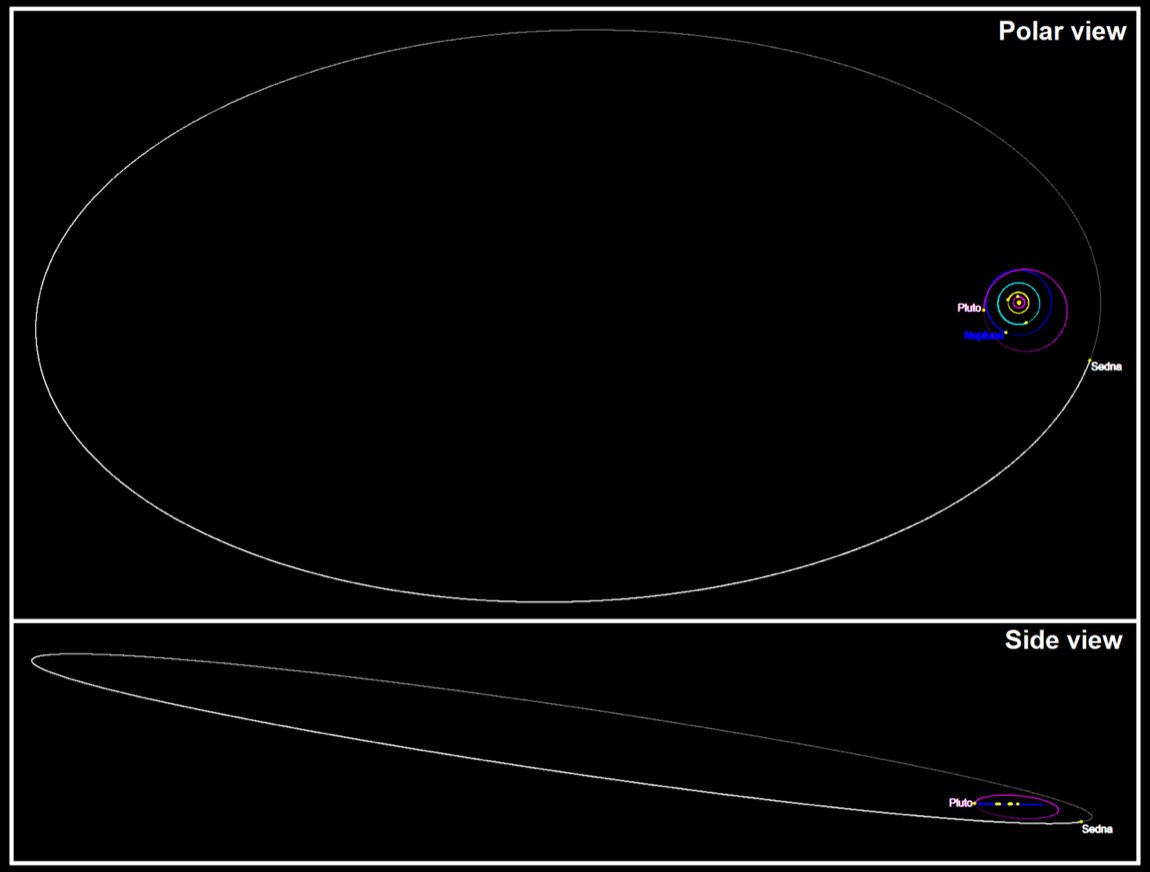
Dwarf Planet
90377 Sedna A distant, red world on an 11,000-year orbit that never comes closer to the Sun than about 76 AU.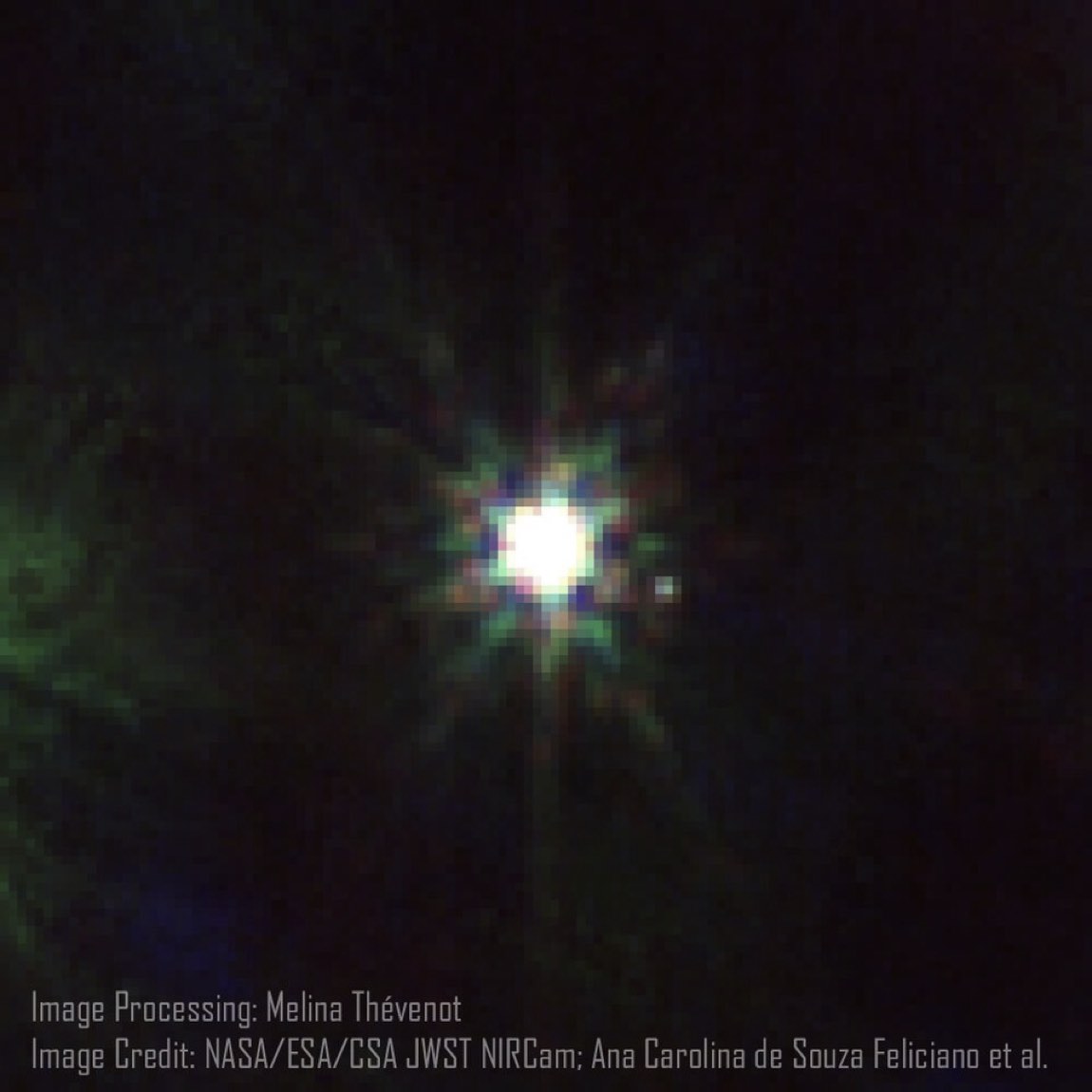
Dwarf Planet
50000 Quaoar A Kuiper belt world with rings orbiting where rings shouldn't be able to survive.Dwarf Planet
225088 Gonggong A large, deep-red world on a steeply tilted orbit, named after a Chinese water god.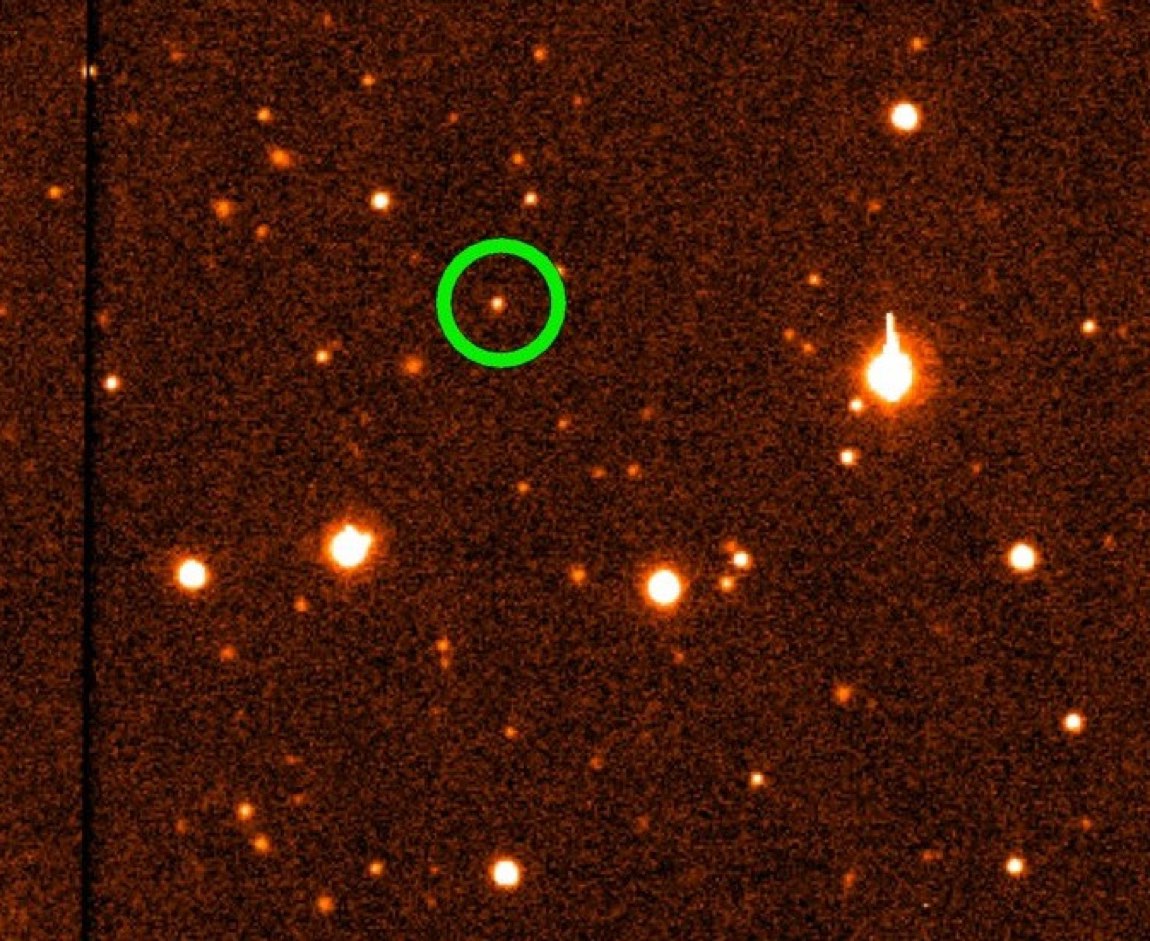
Dwarf Planet
90482 Orcus The 'anti-Pluto': a world in Pluto's orbital family, always on the opposite side of its orbit.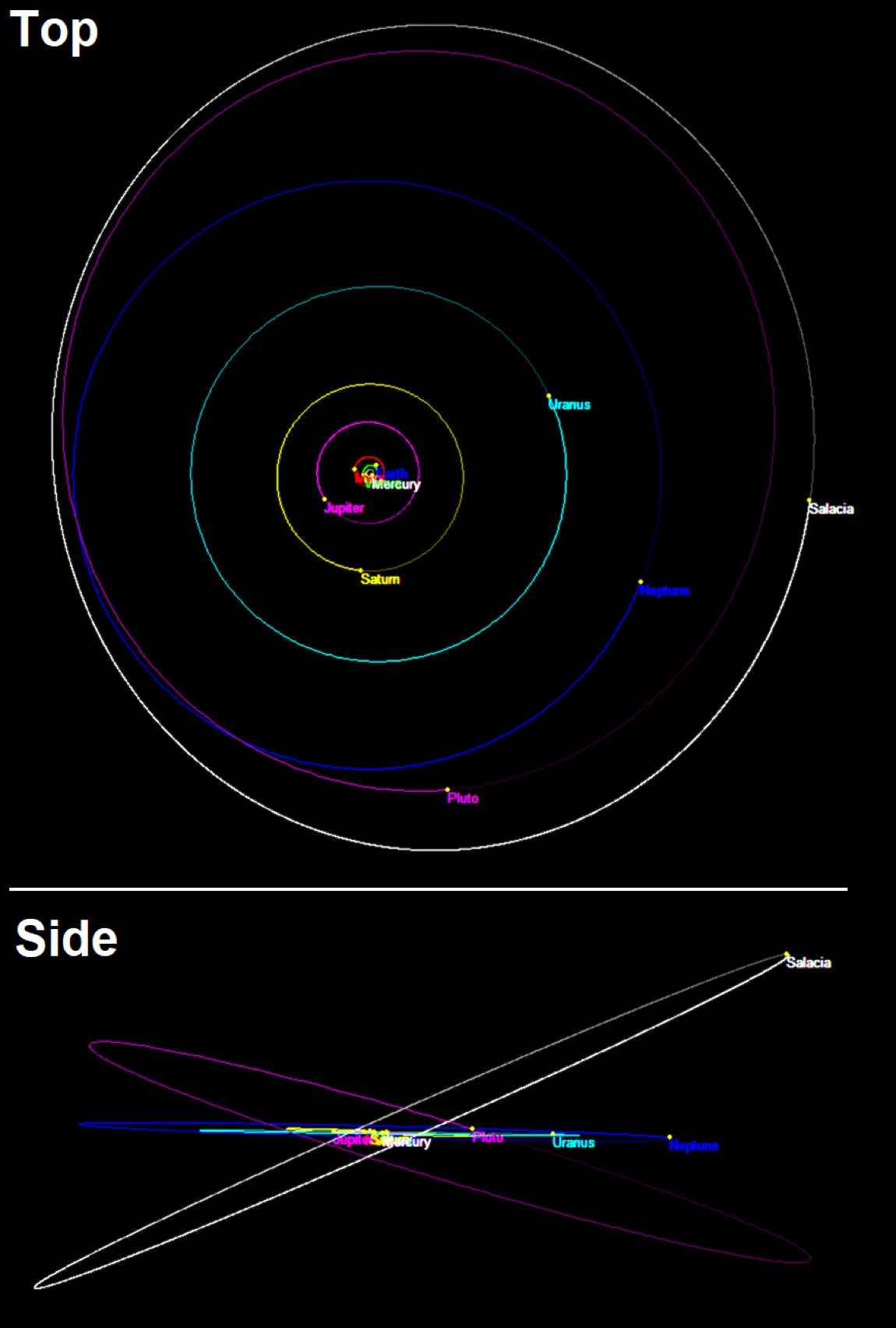
Dwarf Planet
120347 Salacia A very dark, nearly round Kuiper belt object with a moon named Actaea.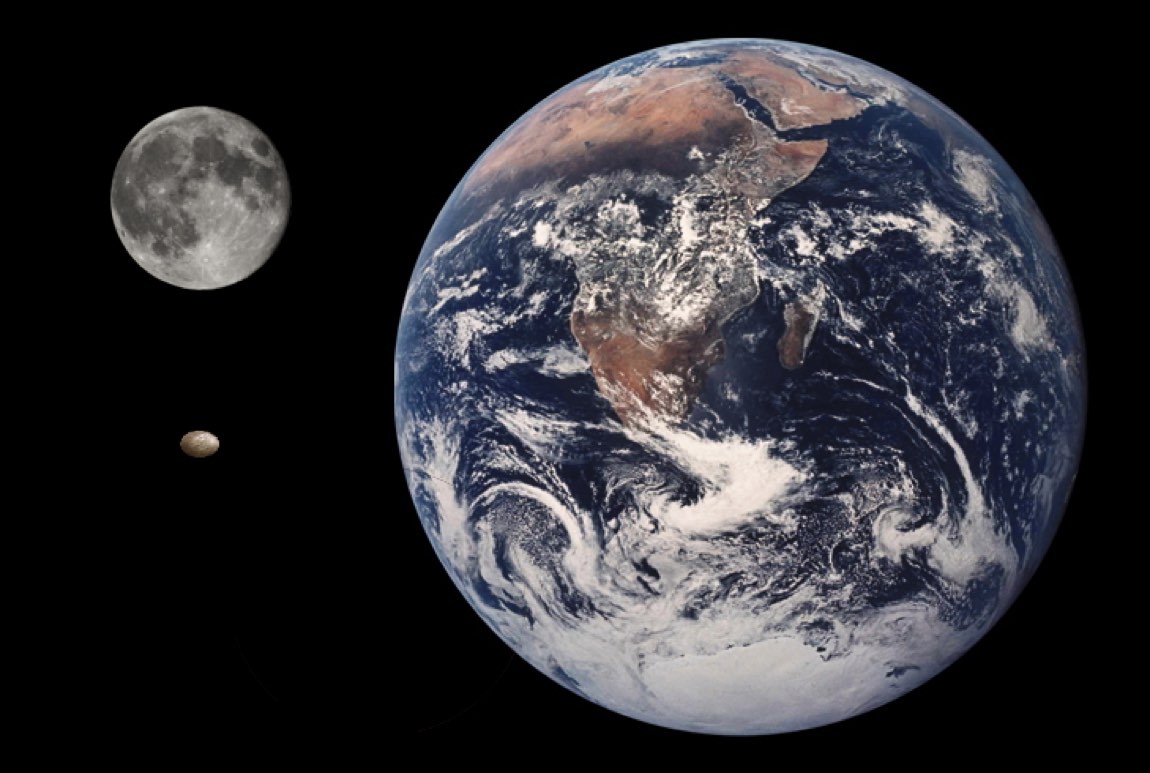
Dwarf Planet
20000 Varuna A fast-spinning Kuiper belt body stretched into an elongated shape by its own rotation.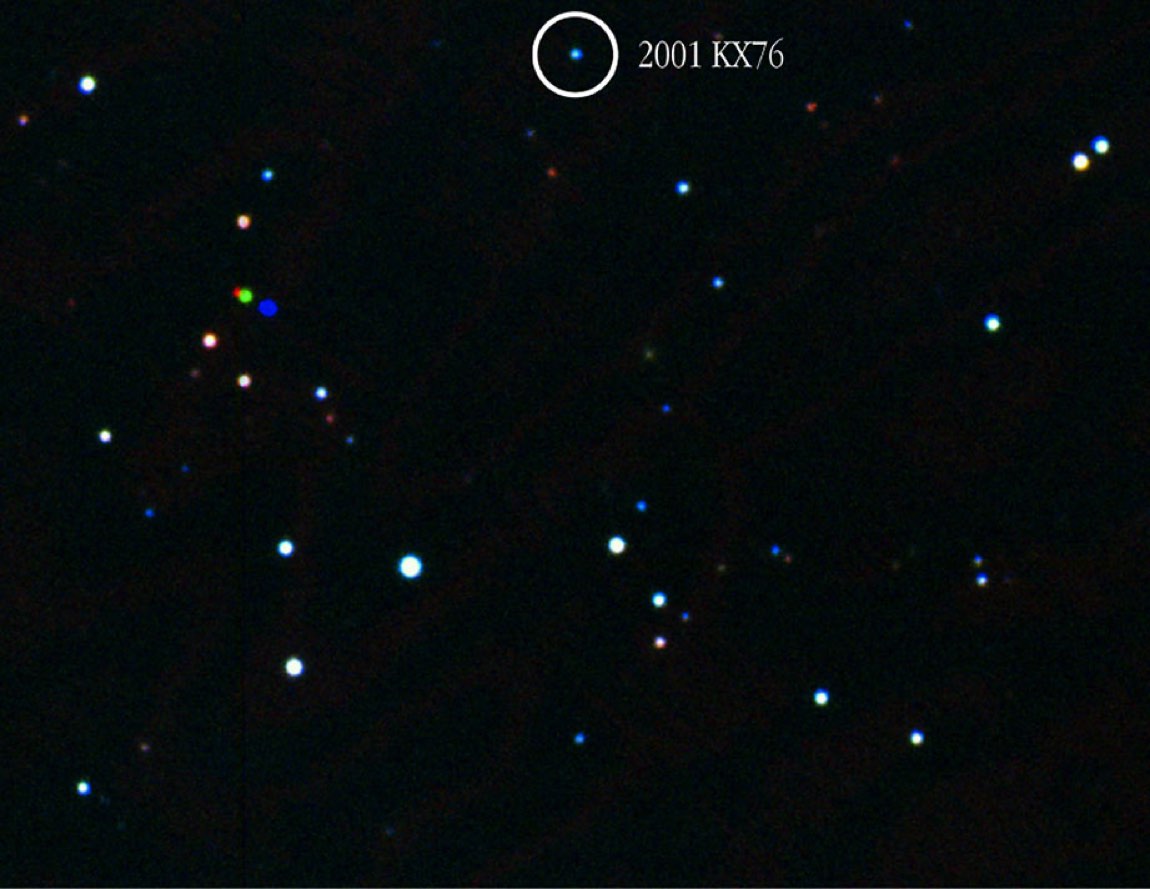
Dwarf Planet
28978 Ixion A dark red plutino that sits on the borderline between lumpy minor planet and round dwarf world.Dwarf Planet
307261 Máni (2002 MS4) A Kuiper belt body with a 25-km-tall peak and a giant 320-km crater visible in its silhouette.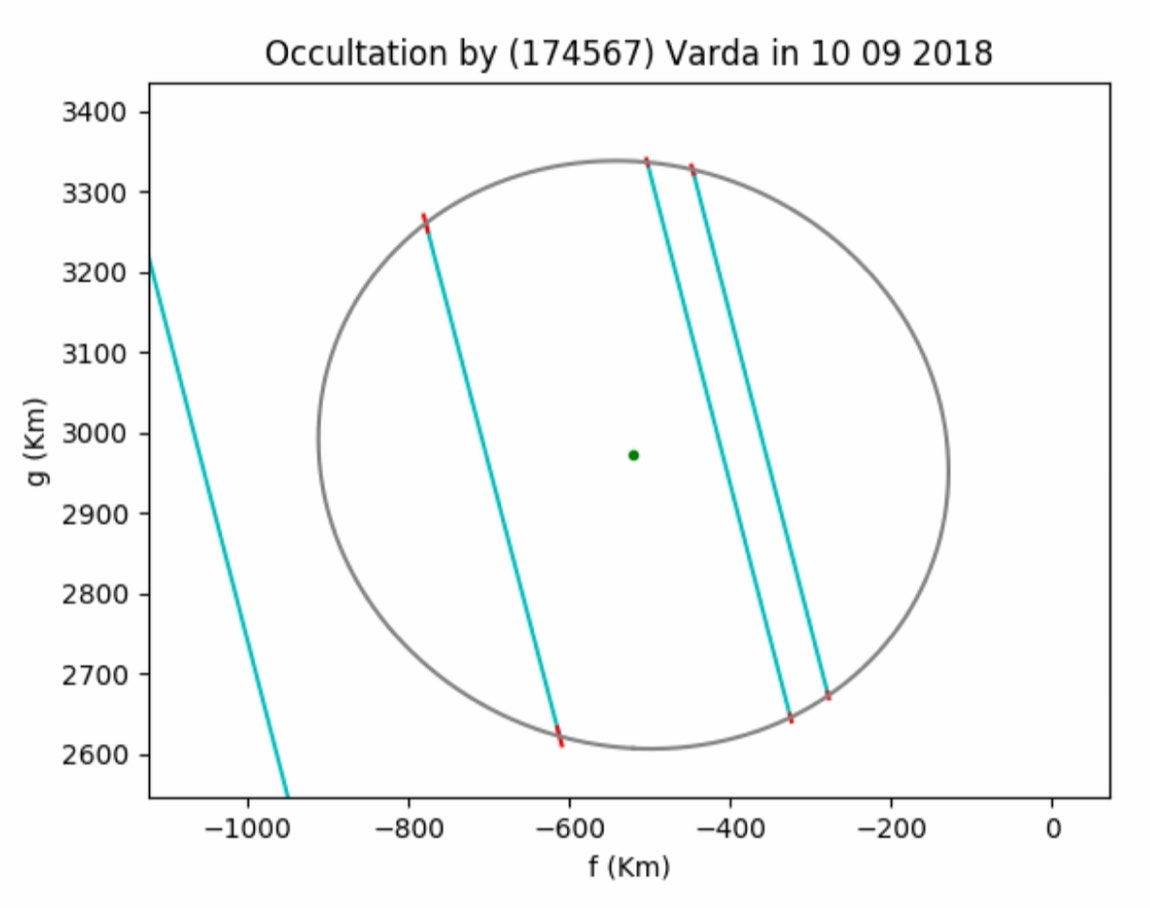
Dwarf Planet
174567 Varda A Kuiper belt body covered in frozen carbon dioxide, with a moon named Ilmarë.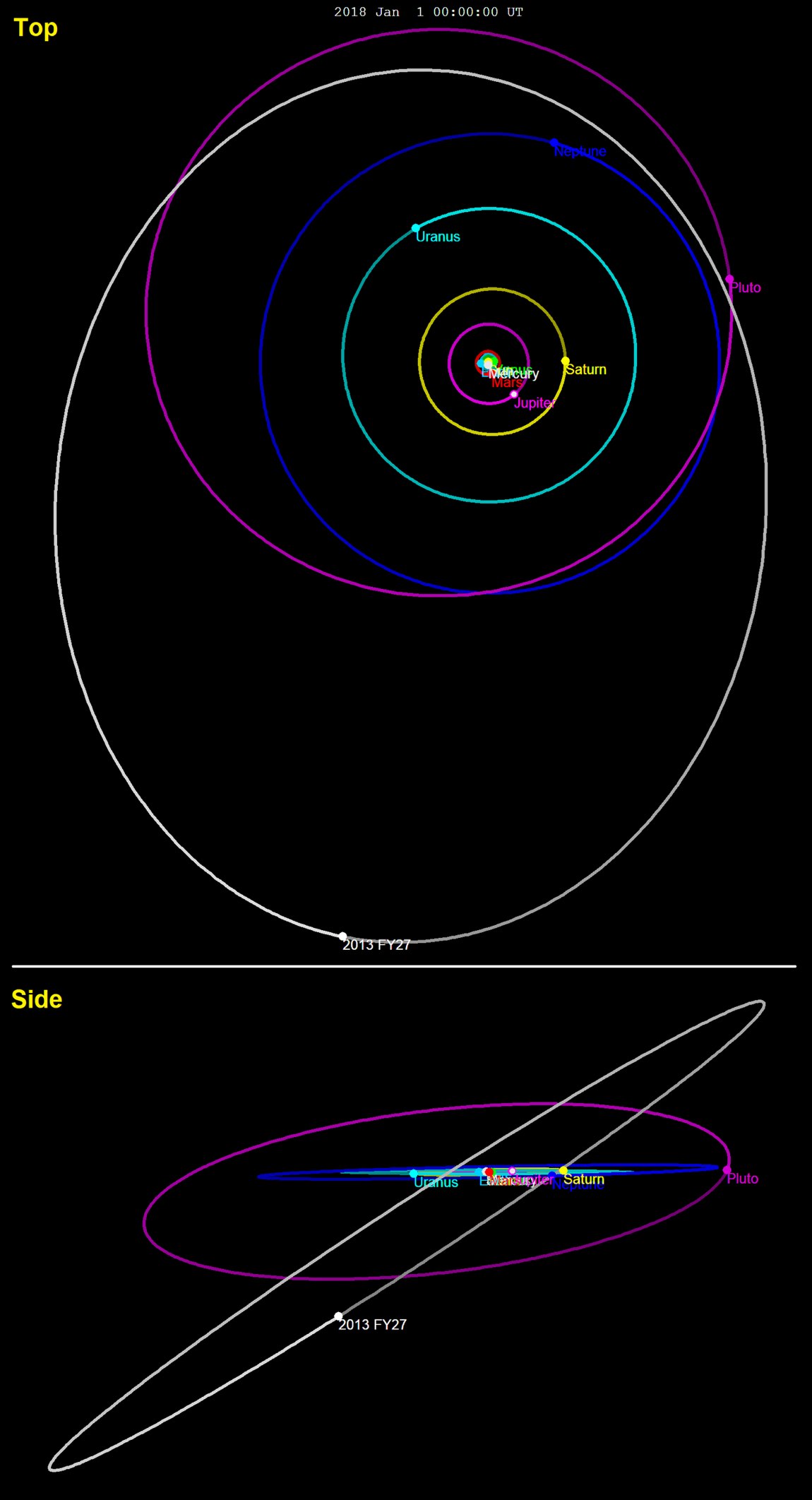
Dwarf Planet
532037 Chiminigagua (2013 FY27) A large, reddish scattered-disc object with a big moon thought to come from a giant impact.23 in-depth guides, with every fact labeled and sourced. Star any of them to build your own collection.