The Astrophysics Library
How the universe actually works, with every concept explained simply first, then properly. The labels tell you how solid the science is.
Cosmology11
Cosmic Inflation
Strong Evidence
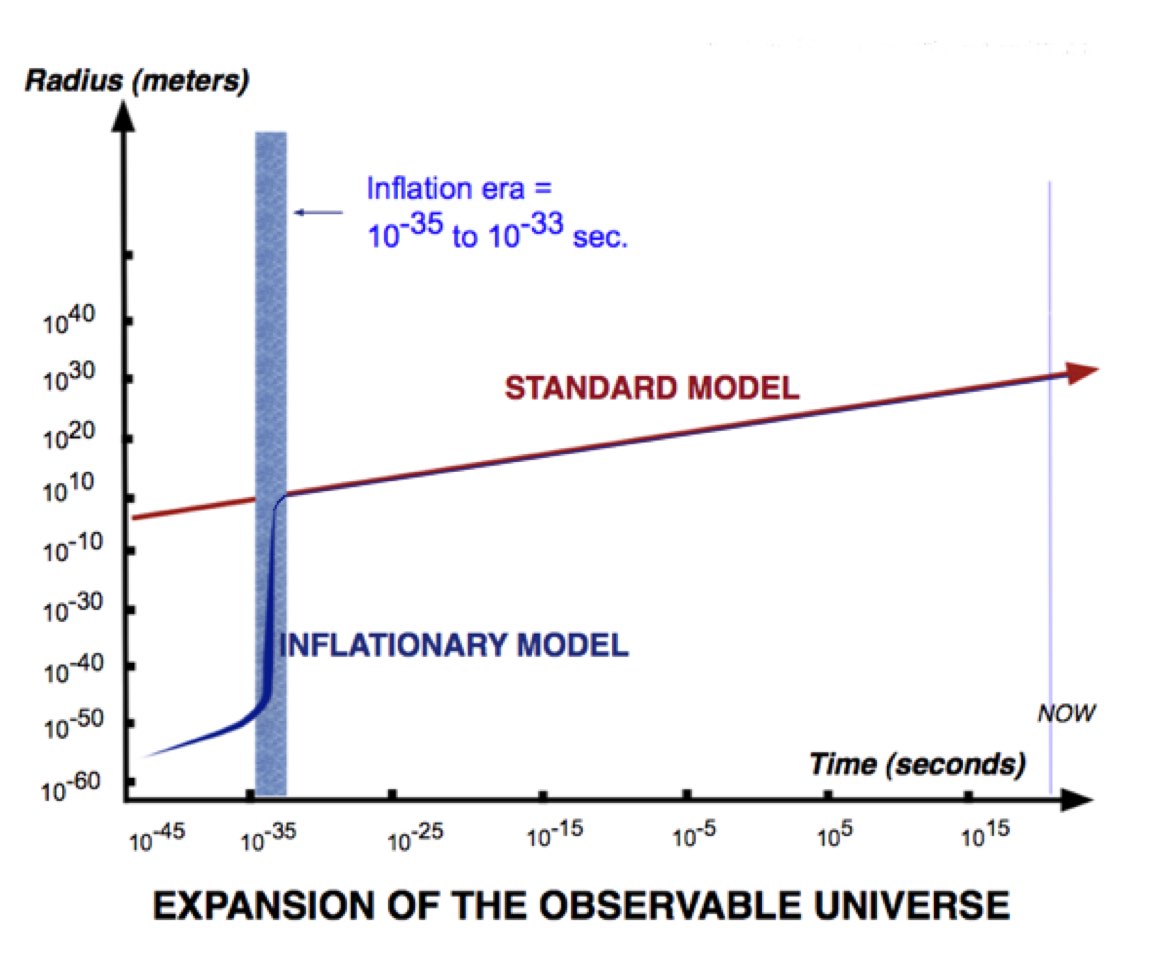
In the universe's first unimaginable fraction of a second, space may have expanded absurdly fast, in a burst that…
Dark Energy
Strong Evidence
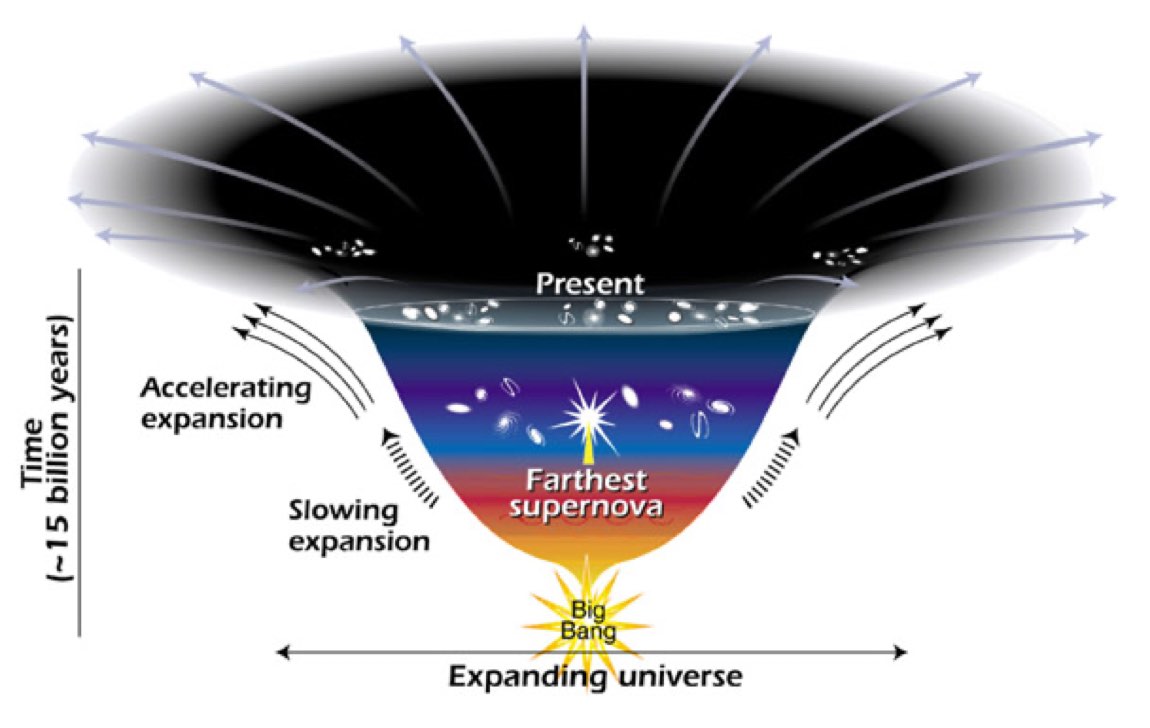
In 1998, astronomers measuring distant supernovae expected to find the universe's expansion slowing under gravity.…
Dark Matter
Strong Evidence
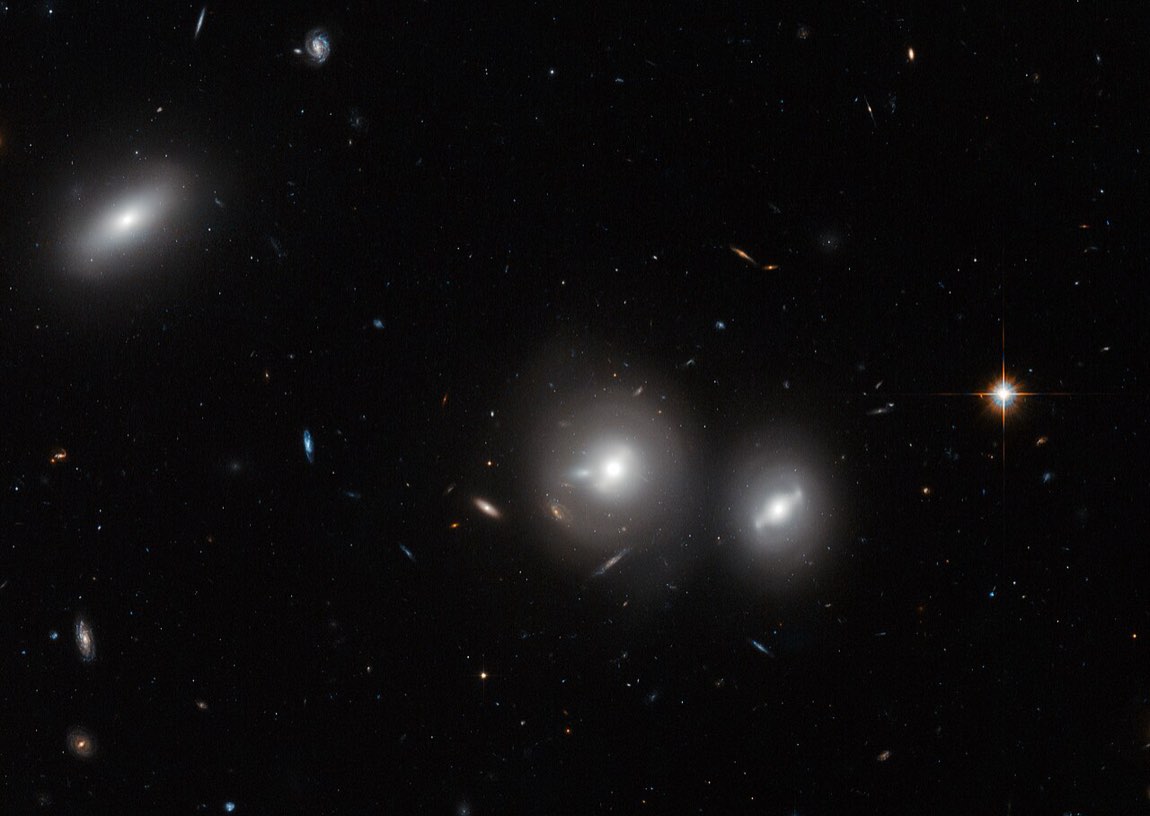
Galaxies spin too fast. Count their stars and gas, add the gravity, and the outskirts should fly off. Yet they…
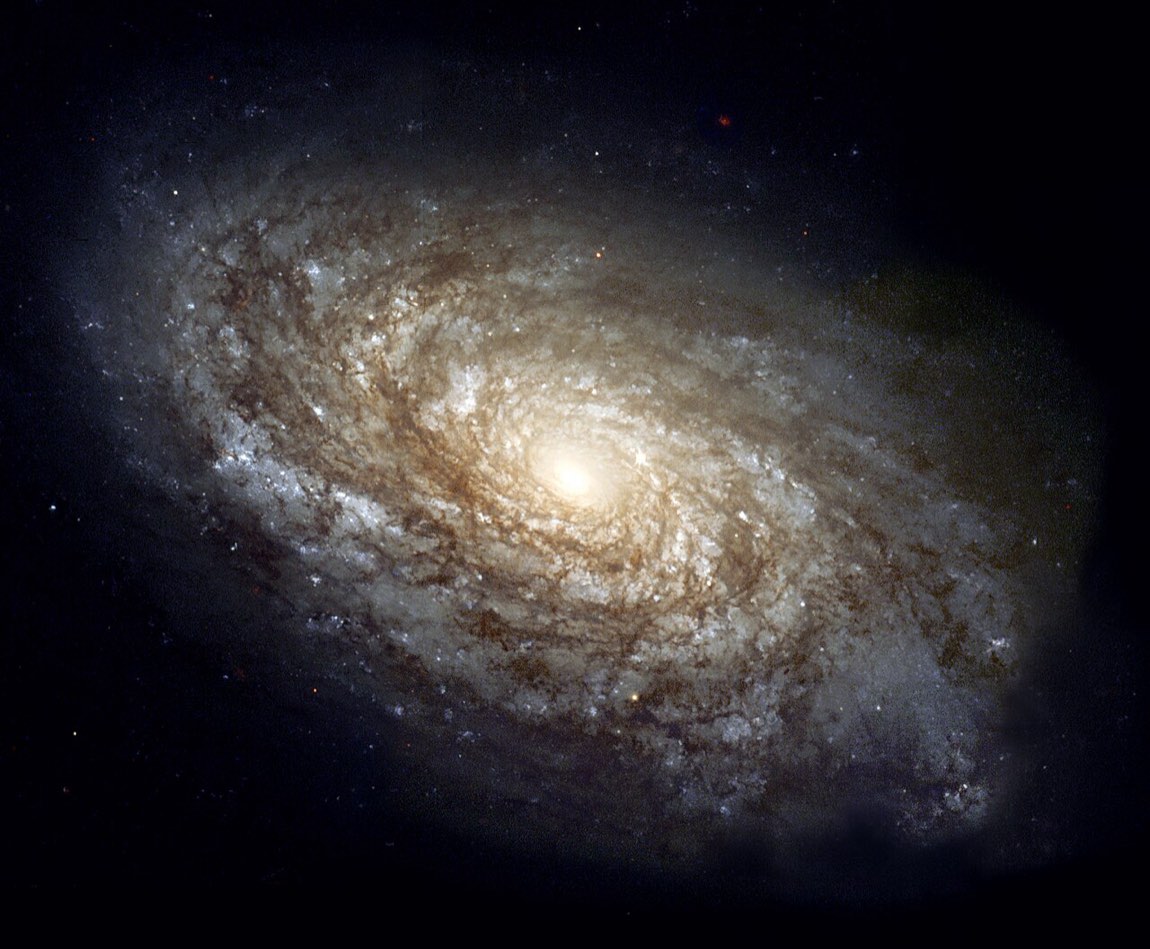
How Galaxies Work
Confirmed
Galaxies are gravity's cities: hundreds of billions of stars, plus gas, dust and a dominant halo of dark matter…
Cosmology
How the Universe Ends
Hypothesis
If dark energy keeps pushing, the far future is the 'Big Freeze': galaxies beyond our local group recede from view…
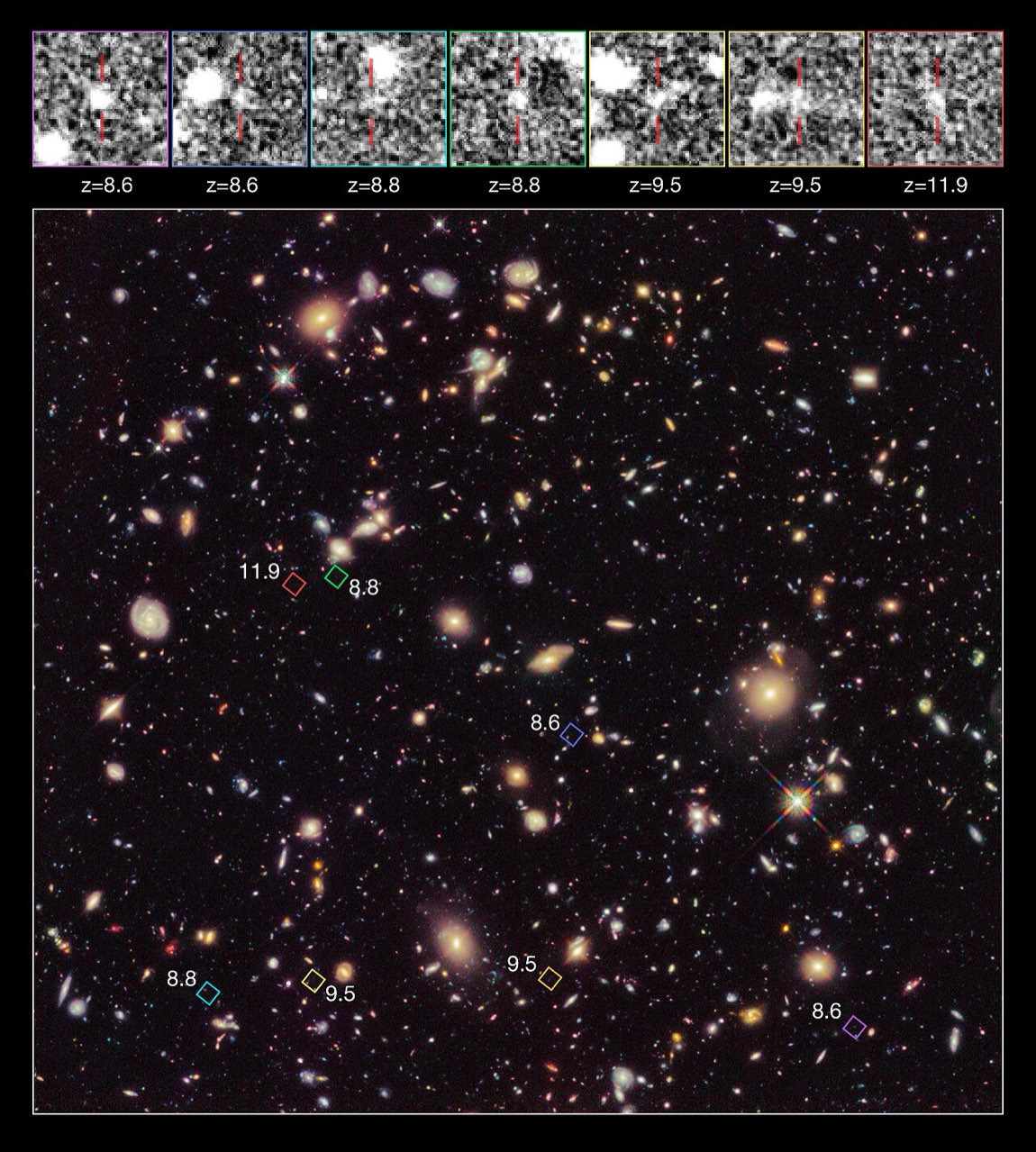
Redshift
Confirmed
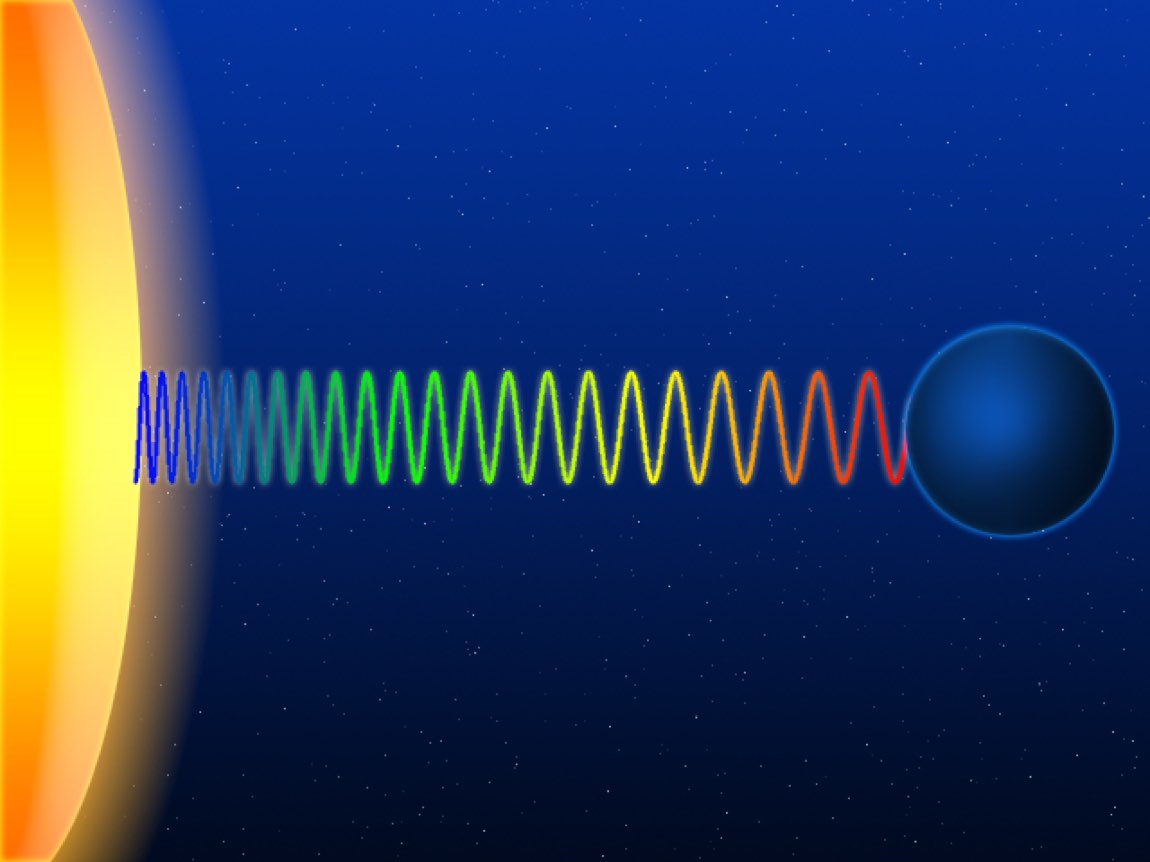
Light from receding things stretches to redder colors, like a siren dropping pitch as it passes. For distant…
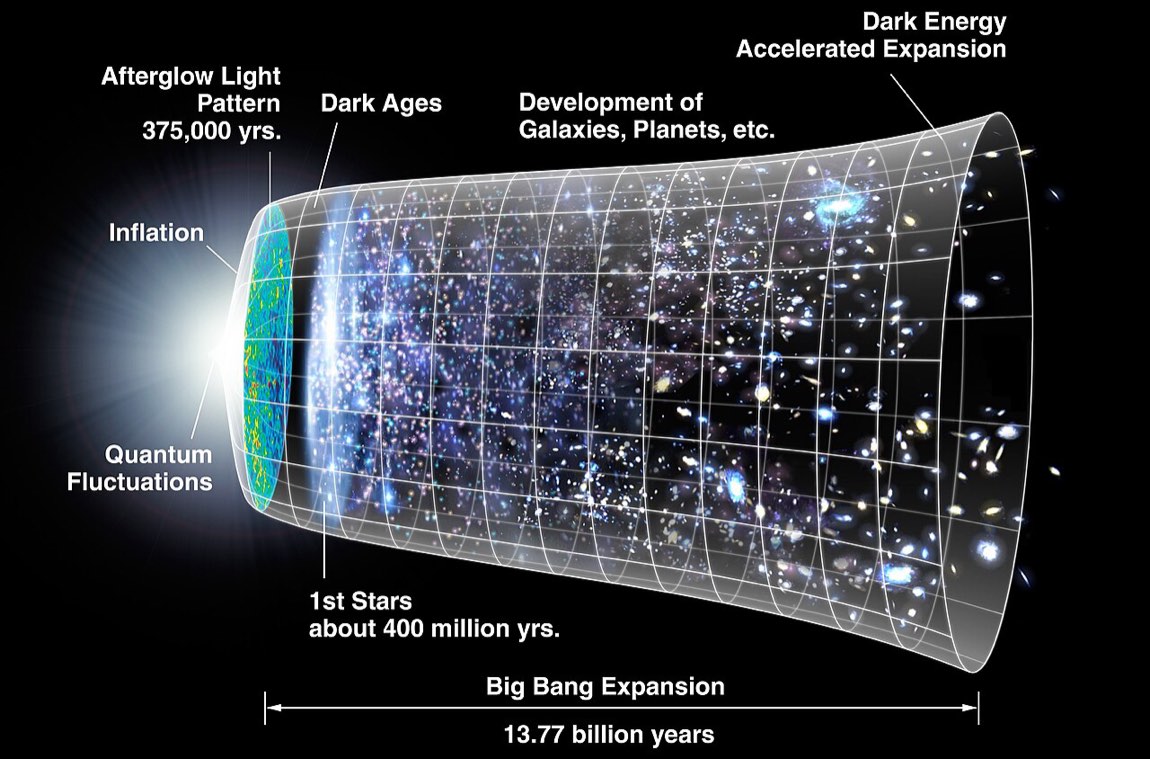
The Big Bang
Confirmed
13.8 billion years ago, everything we can see was compressed into a state hotter and denser than anything…
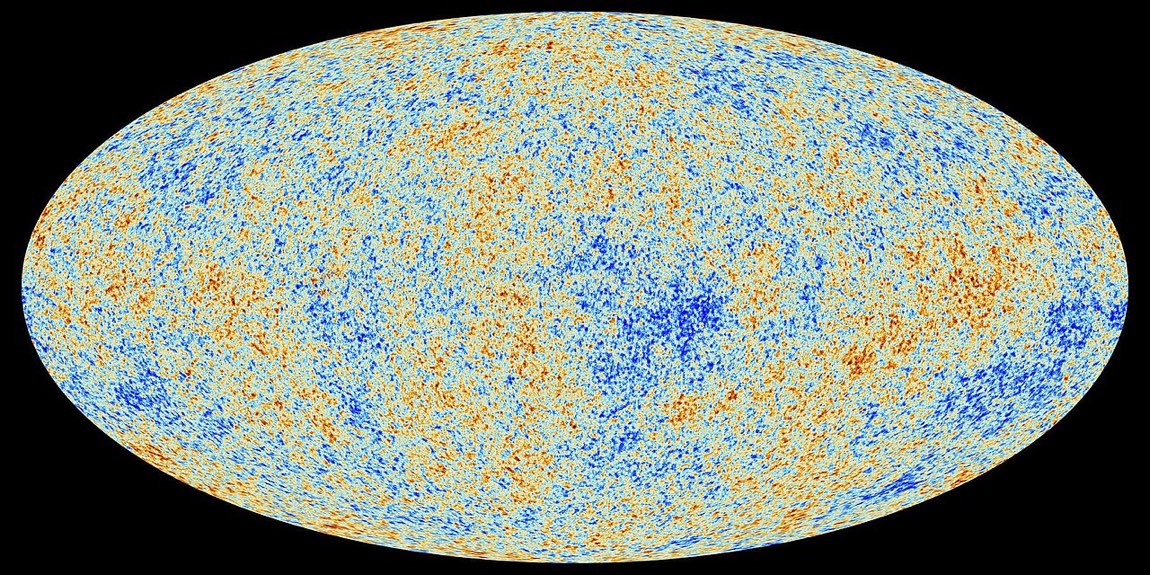
The Cosmic Microwave Background
Confirmed
Turn the universe's clock back 380,000 years: it's a glowing fog, too hot for atoms. The moment it cooled enough…
The Cosmic Web
Confirmed
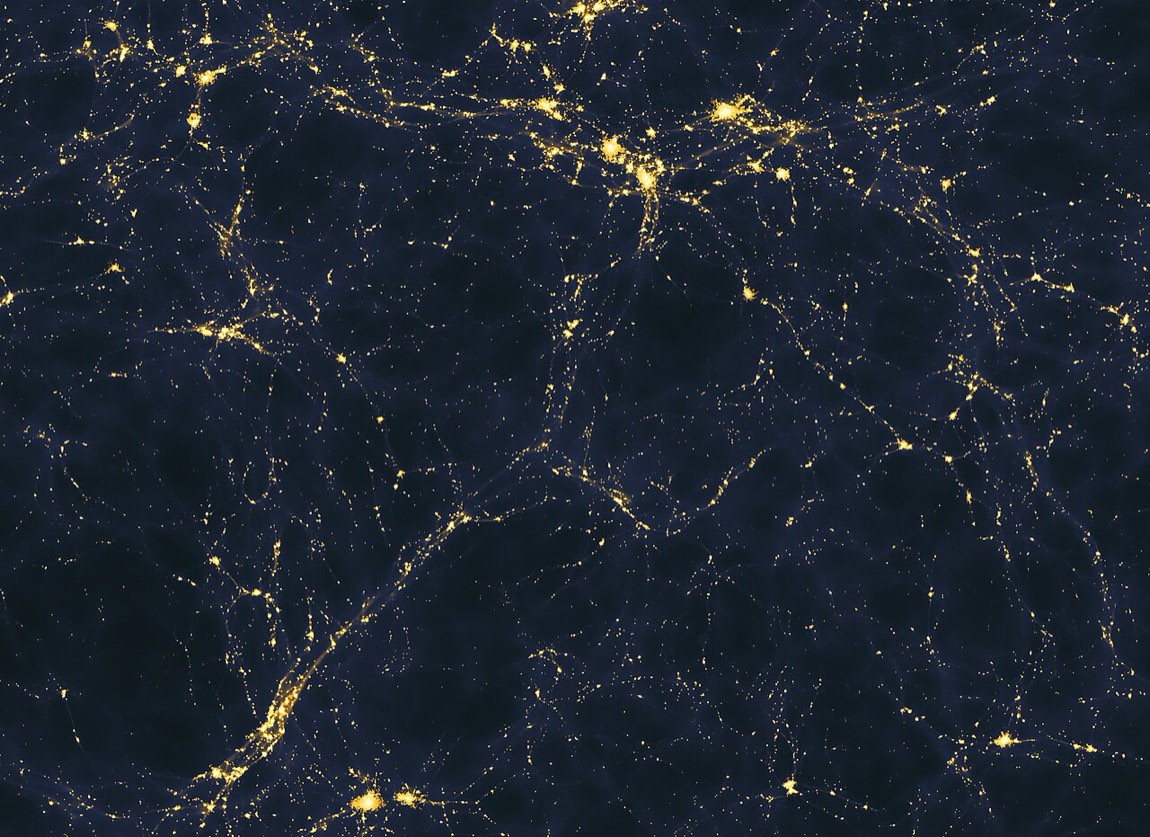
Zoom all the way out and the universe has a shape: galaxies are not scattered randomly but strung along vast…
Cosmology
The Expanding Universe
Confirmed
Almost every galaxy is moving away from us, and the farther it is, the faster it recedes. That's not because we're…
The Multiverse
Speculative
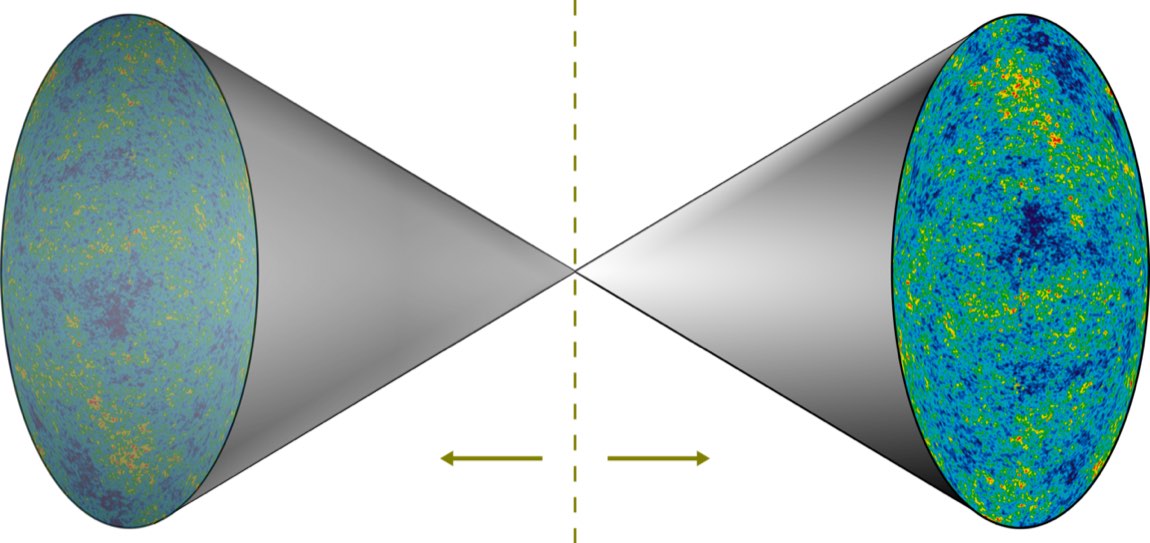
Might our universe be one bubble in an endless foam? Some versions of inflation never stop everywhere: new…
Astrophysics14
Falling Into a Black Hole
Confirmed
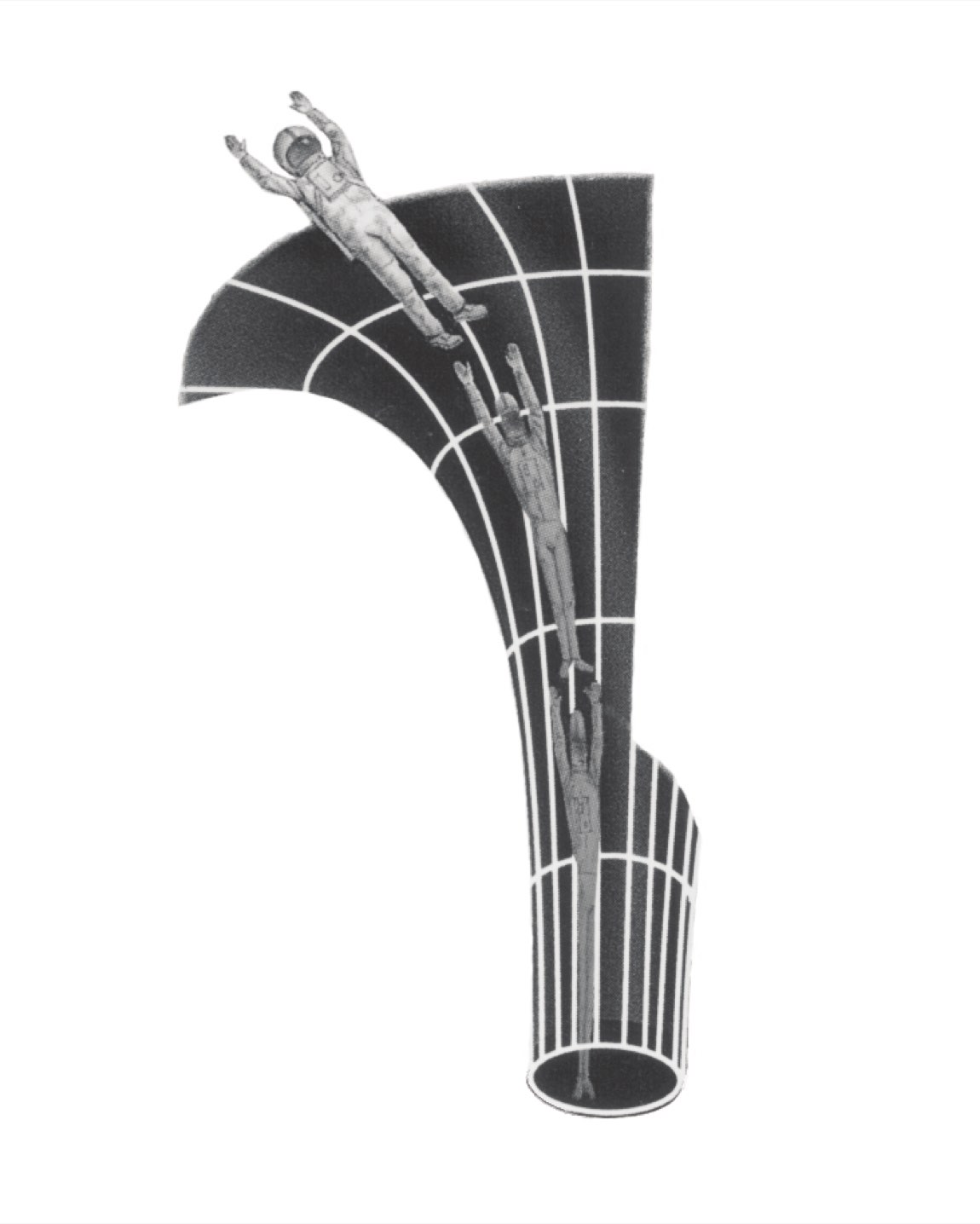
Fall feet-first toward a small black hole and gravity pulls your feet far harder than your head, stretching you…
General Relativity
Confirmed
Einstein's big idea: gravity isn't a force reaching across space. It's the shape of space and time. A heavy ball on…
Gravity
Confirmed
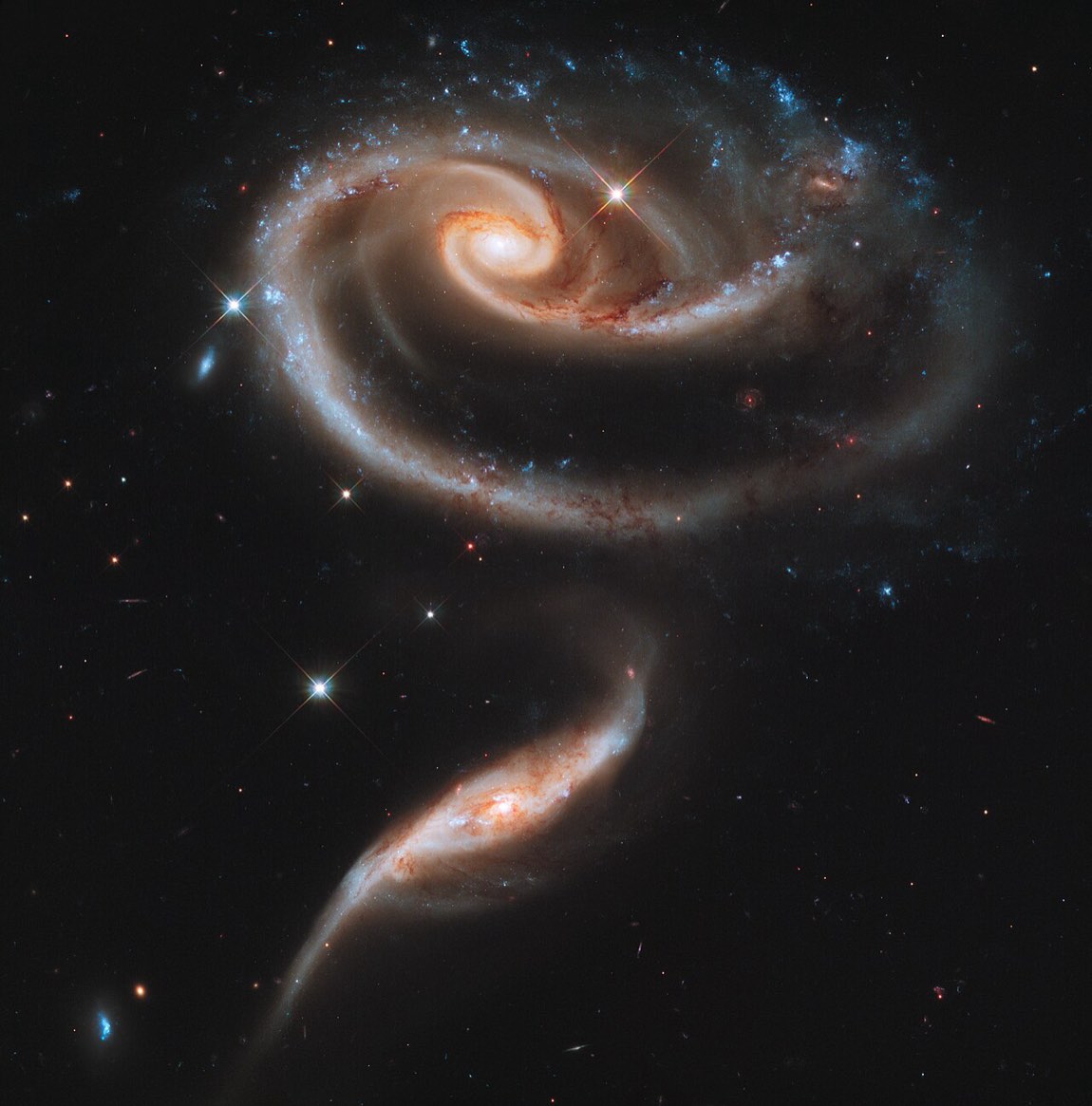
Gravity is the attraction between anything that has mass. Drop a ball and Earth pulls it; the ball pulls Earth too…
Hawking Radiation
Theoretical
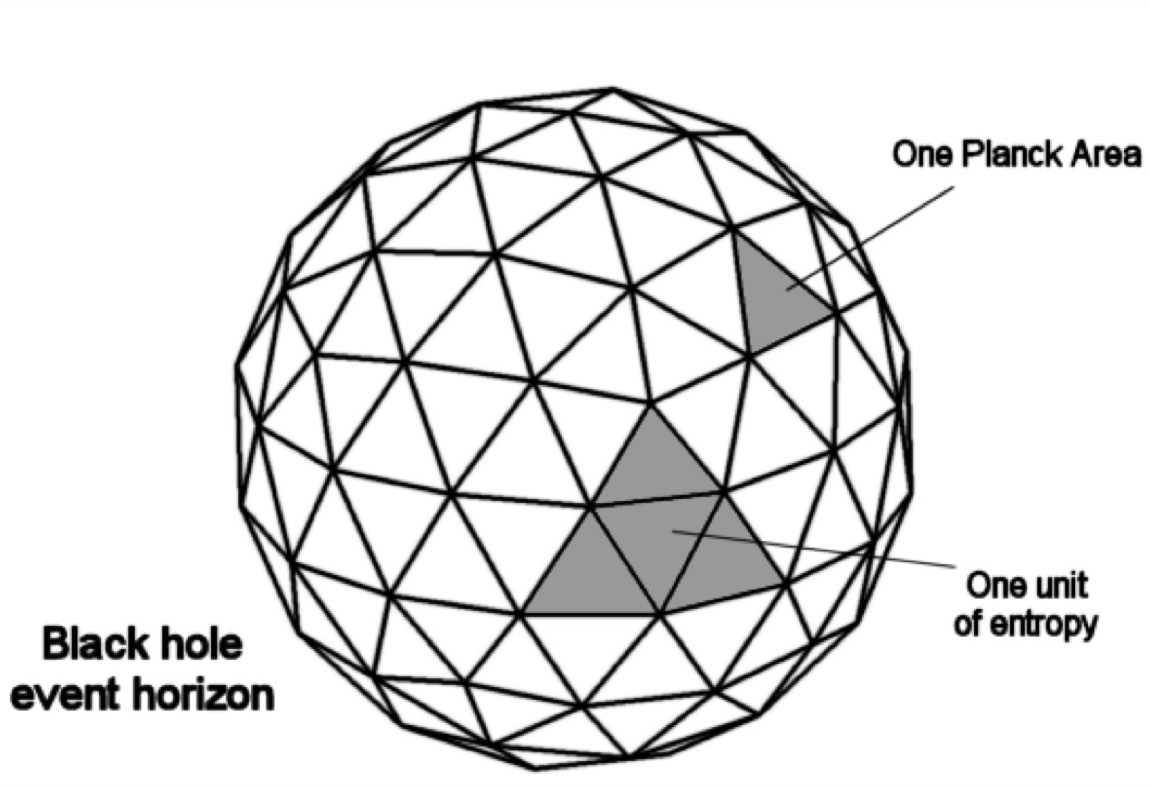
Stephen Hawking's famous result: black holes aren't perfectly black. Quantum physics makes empty space fizz with…
How Black Holes Work
Confirmed
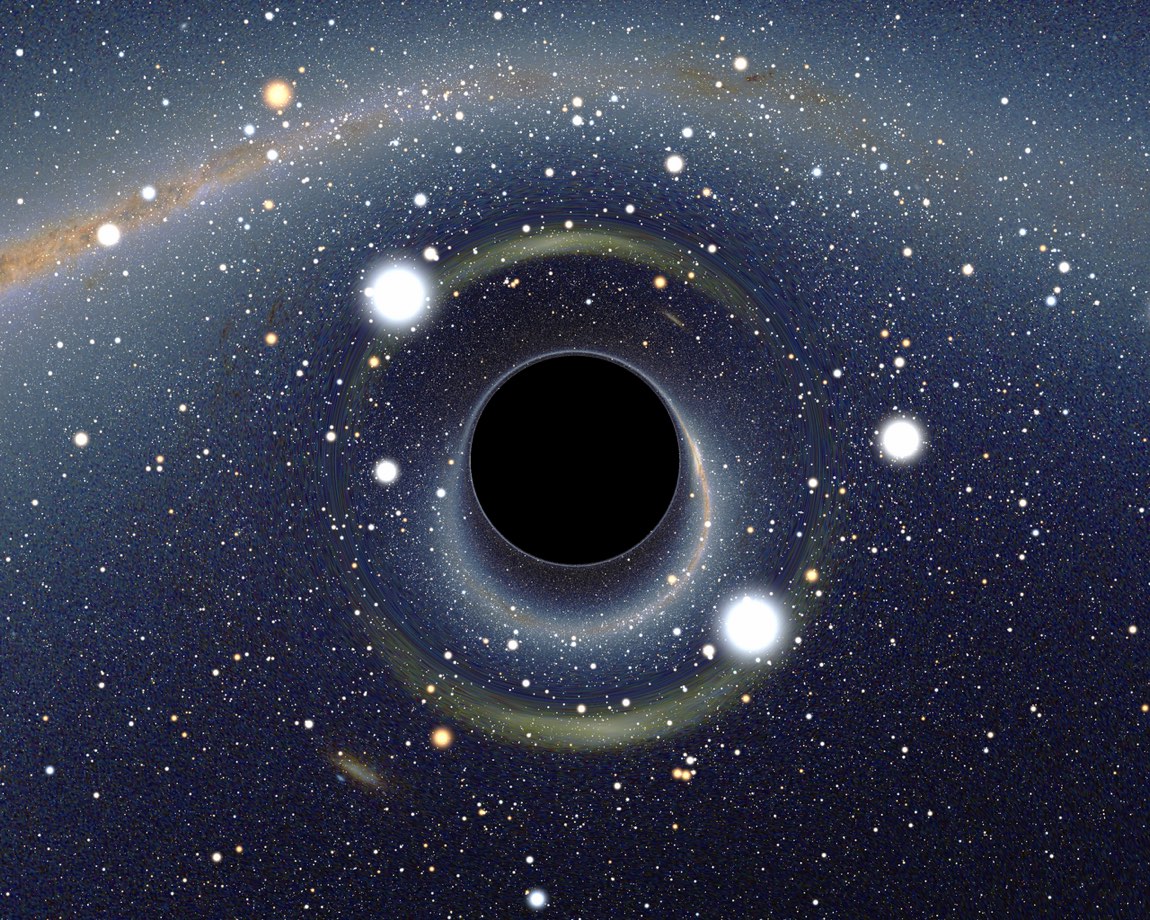
Squeeze anything hard enough and its escape velocity, the speed needed to leave, eventually exceeds the speed of…
Light & the Electromagnetic Spectrum
Confirmed
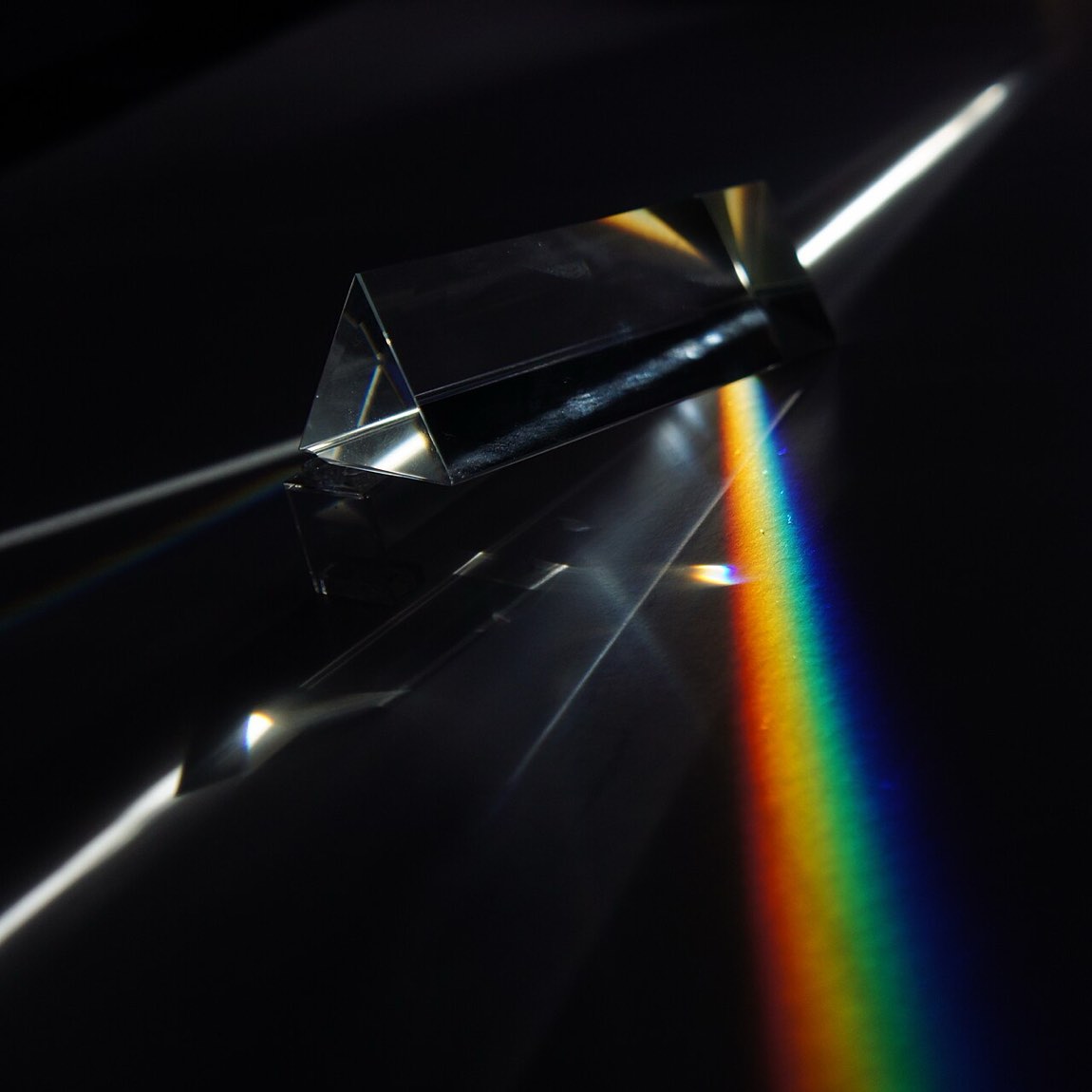
Light is a traveling wave of electric and magnetic fields, and visible light is one octave in a vast piano. Radio…
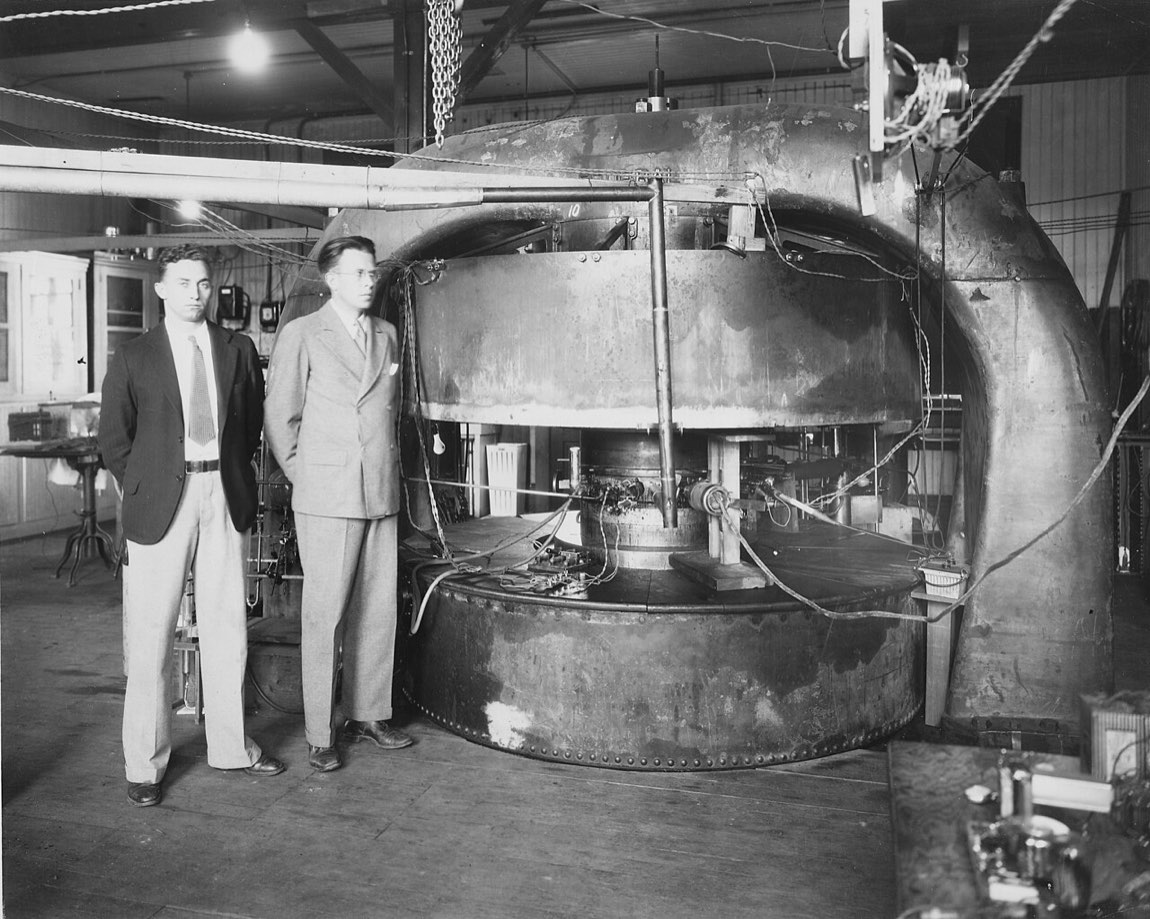
Nuclear Fusion: Why Stars Shine
Confirmed
Stars shine by welding atoms. In the Sun's core, crushing pressure and 15-million-degree heat slam hydrogen nuclei…
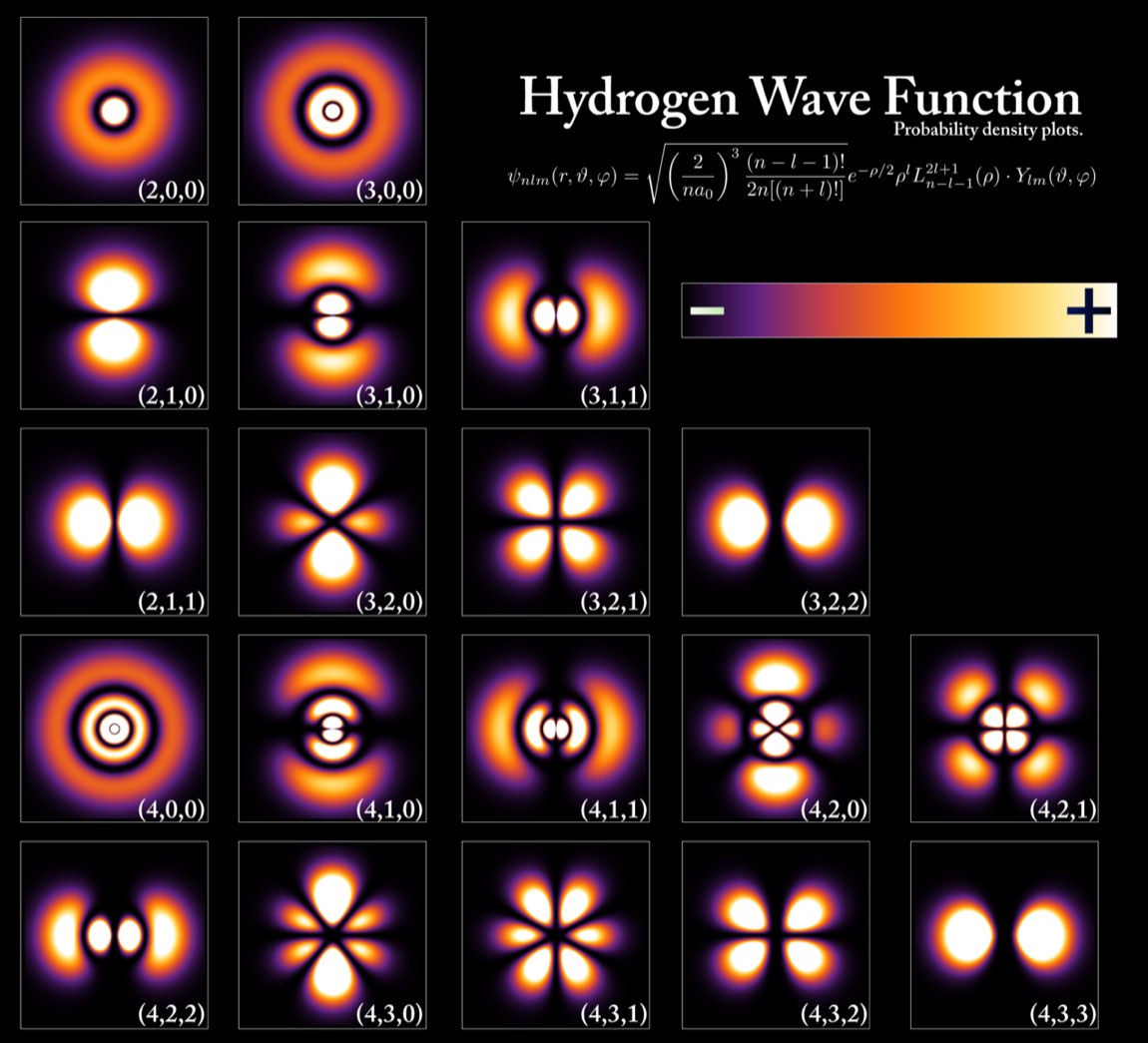
Quantum Mechanics (for Stargazers)
Confirmed
The rulebook of the very small, where particles behave like waves, exist in blends of states until measured, and…
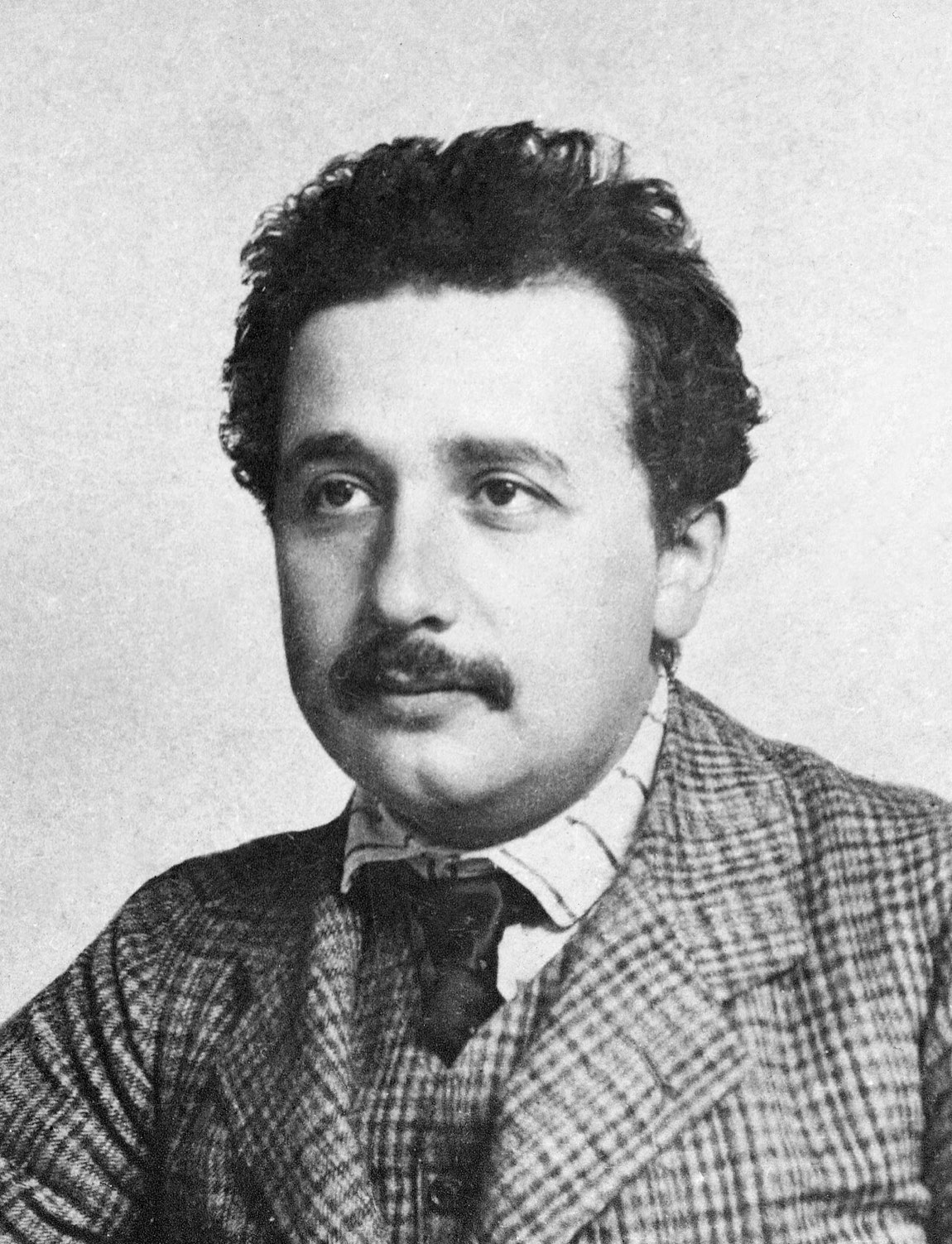
Special Relativity
Confirmed
Two rules with wild consequences: light's speed is the same for everyone, and physics doesn't care how fast you're…
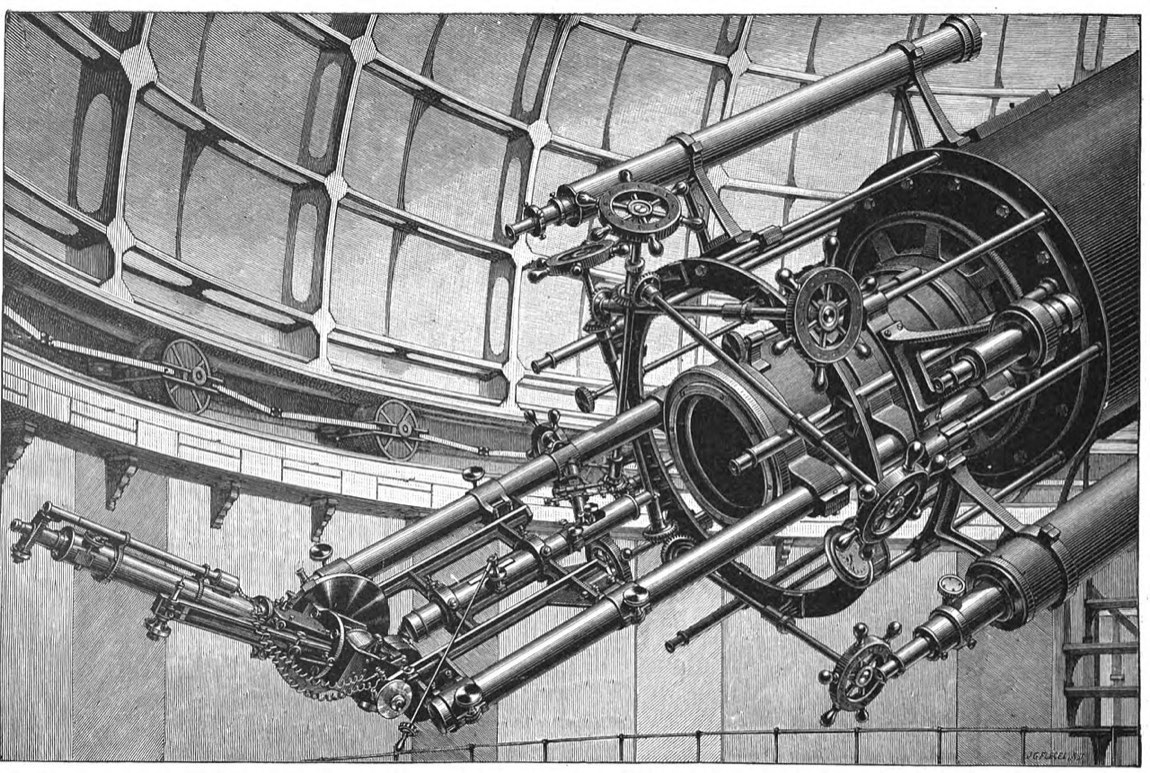
Spectroscopy: Reading Starlight
Confirmed
Pass starlight through a prism and a barcode of dark lines appears in the rainbow. Each chemical element absorbs…
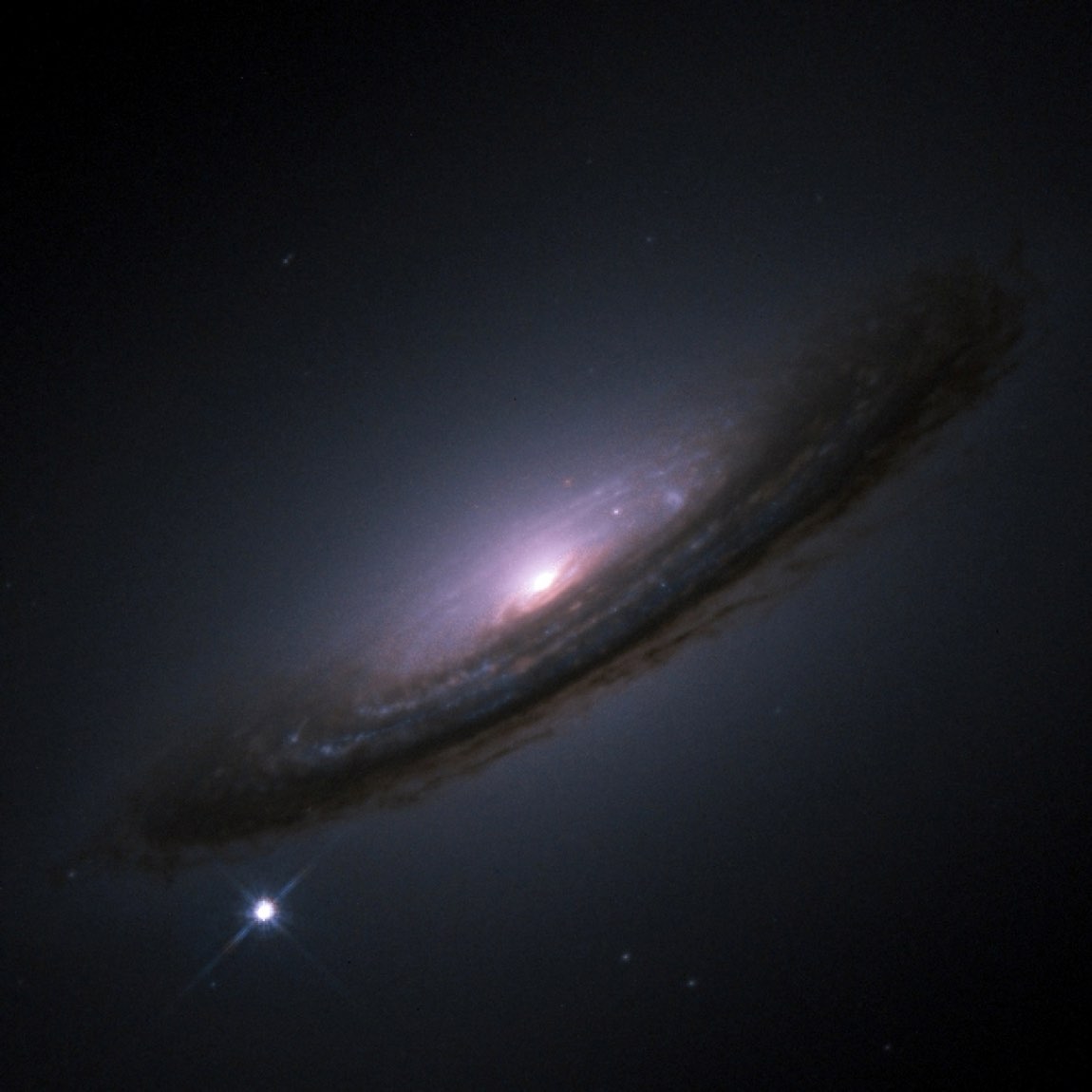
Supernovae
Confirmed
The two ways a star can explode: a giant star's iron heart collapses in under a second and the rebound blows the…
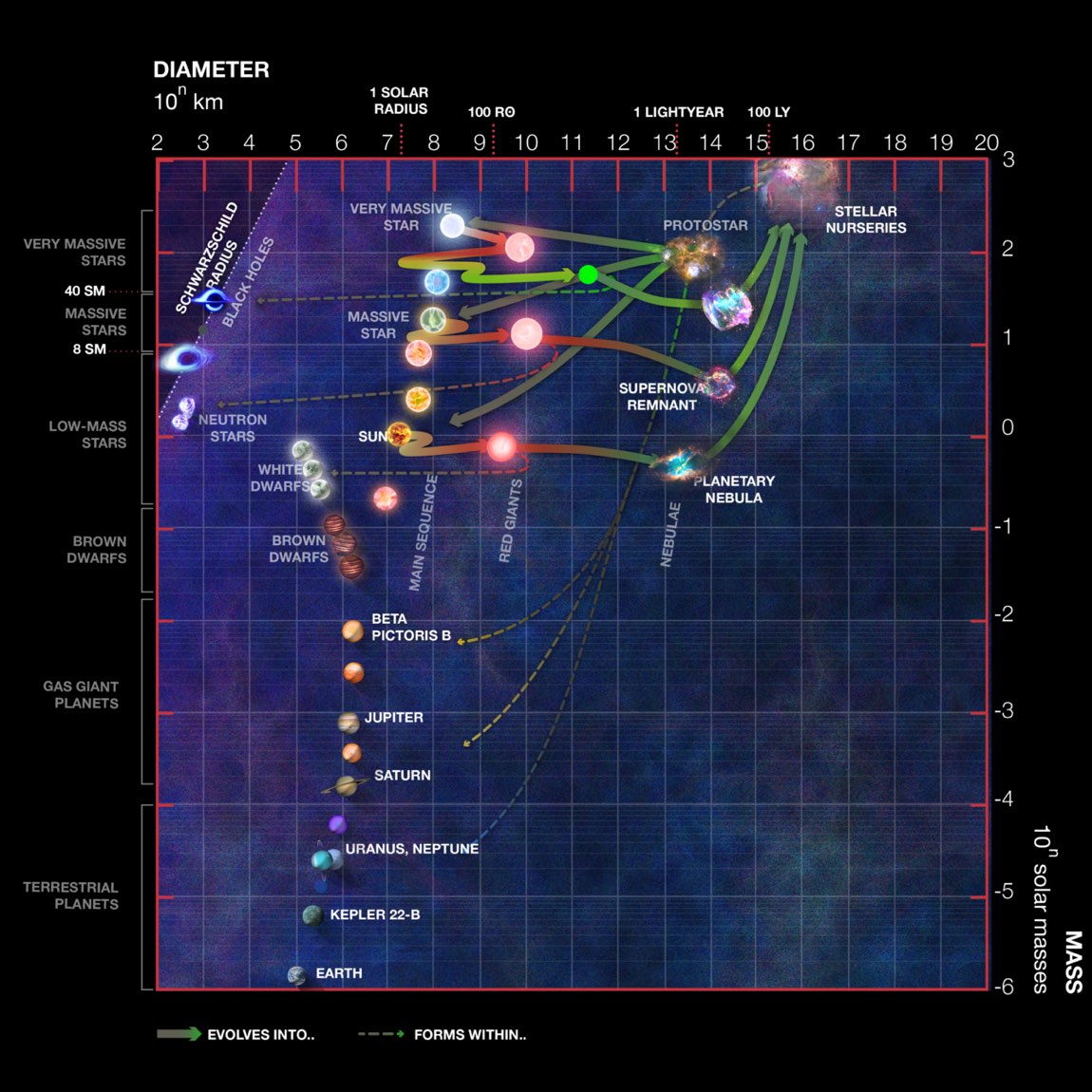
The Lives of Stars
Confirmed
A star's life is a long argument between gravity squeezing in and fusion pushing out. Its mass decides everything.…
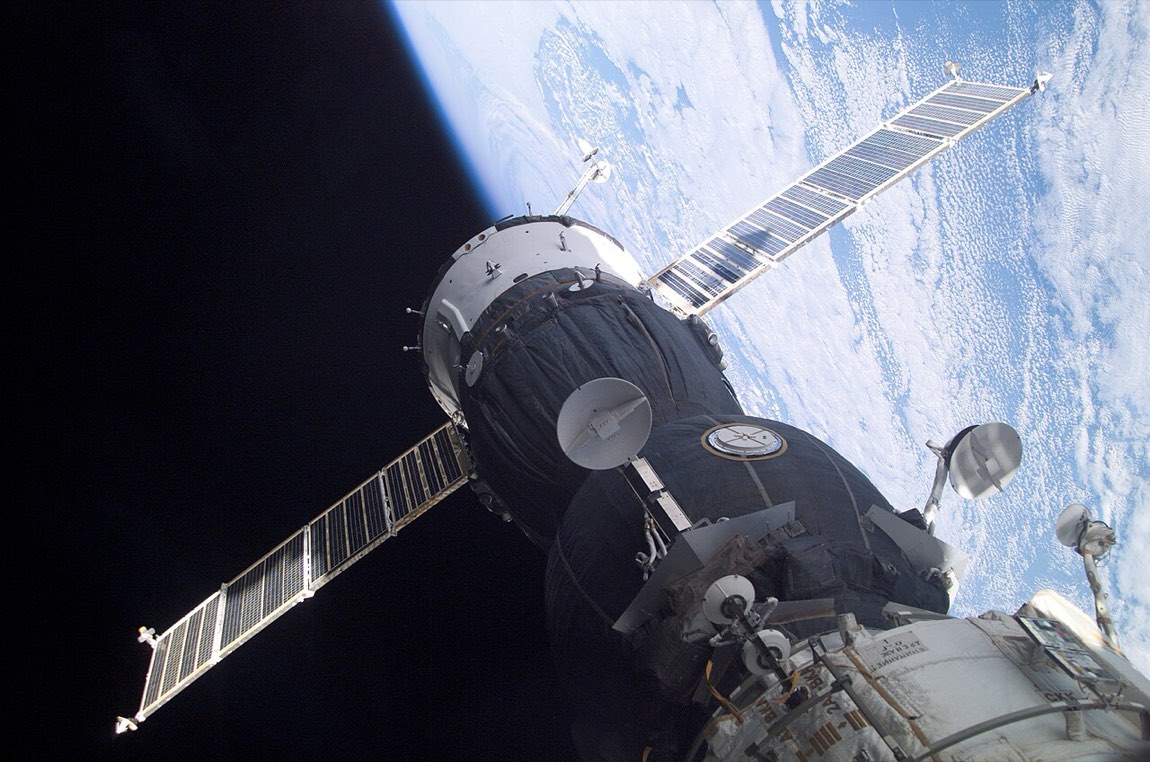
Time Dilation
Confirmed
Time is personal. Move very fast, or sit deep in gravity, and your clock genuinely runs slower than your friend's.…
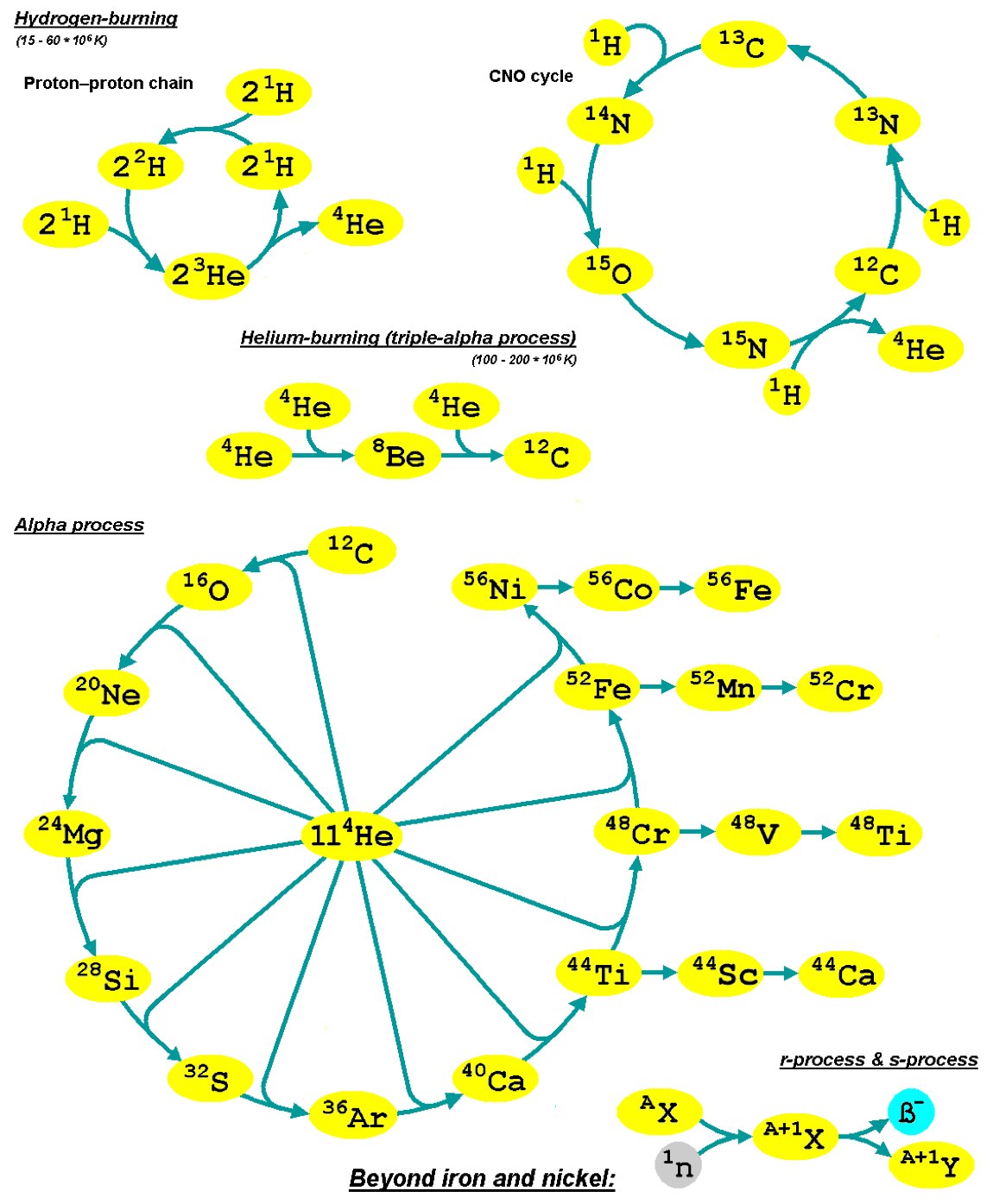
Where the Elements Come From
Confirmed
The Big Bang made only hydrogen, helium, and a whisper of lithium. Everything else was cooked later: carbon and…
Exoplanets2
Space Travel3
How Rockets Work
Confirmed
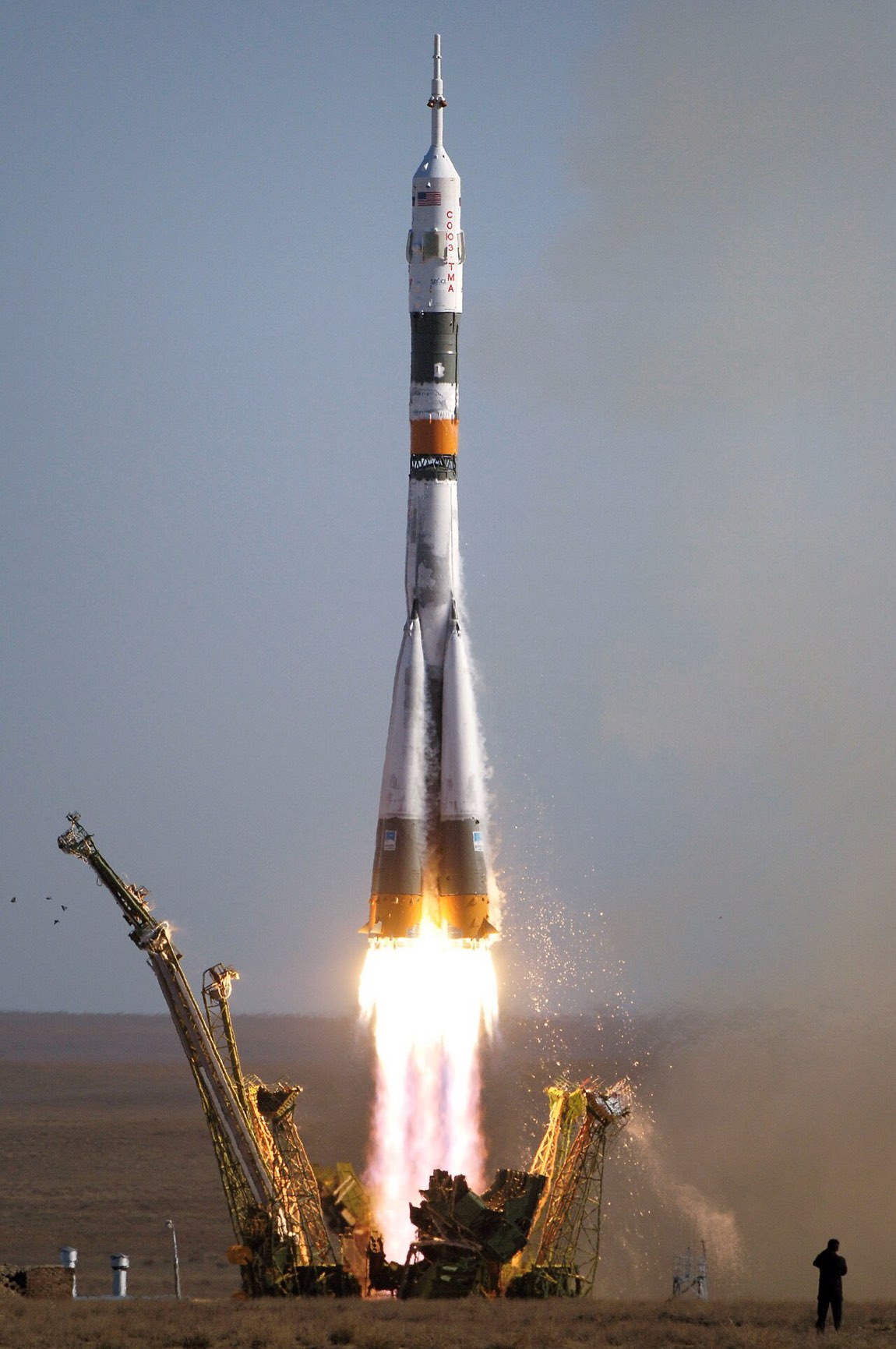
A rocket doesn't push against air. It throws mass one way and recoils the other, like stepping off a skateboard.…
Interstellar Travel: The Honest Physics
Theoretical
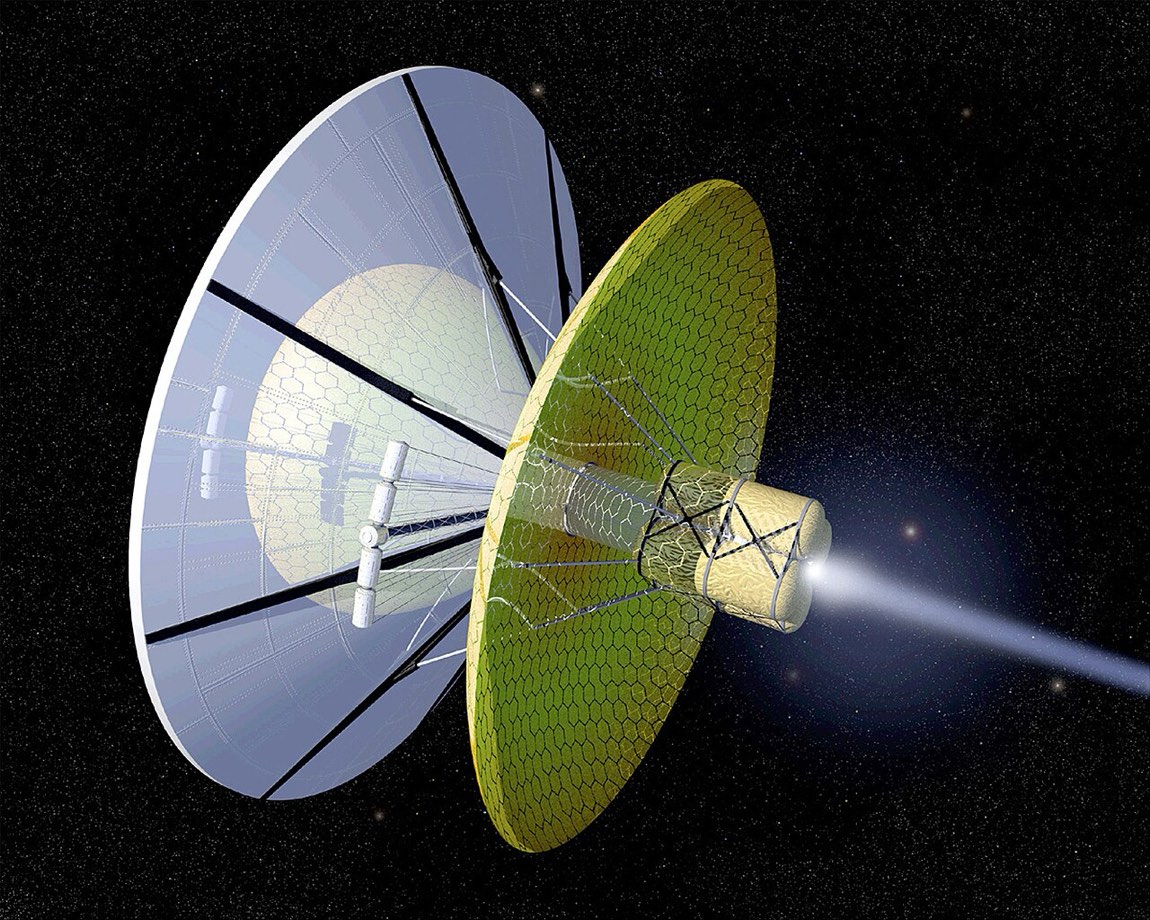
The stars are absurdly far: our fastest-ever probe would need 75,000 years to reach the nearest one. Chemical…
Orbital Mechanics
Confirmed
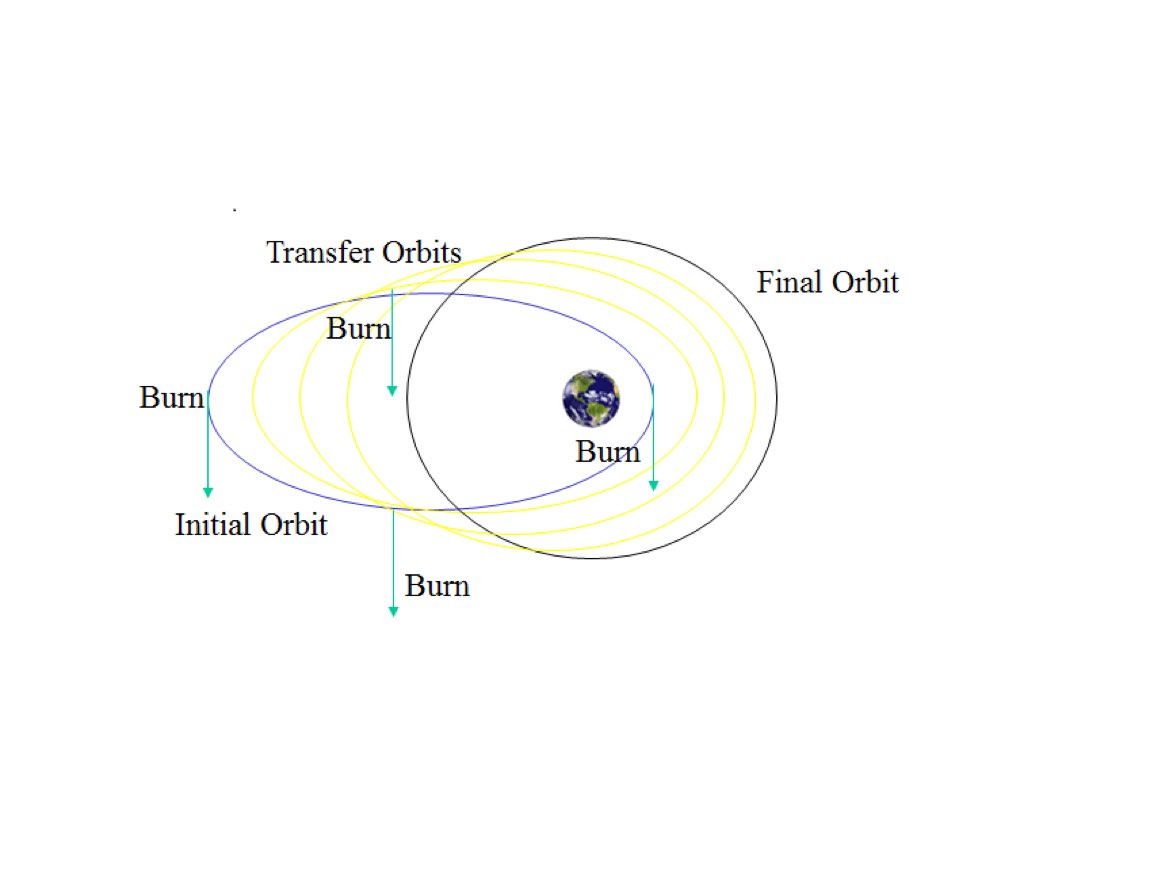
An orbit is falling without landing: throw a ball fast enough (about 7.9 km/s at Earth's surface) and the ground…
Observing1
Astrobiology4
SETI: Listening for Neighbors
Hypothesis
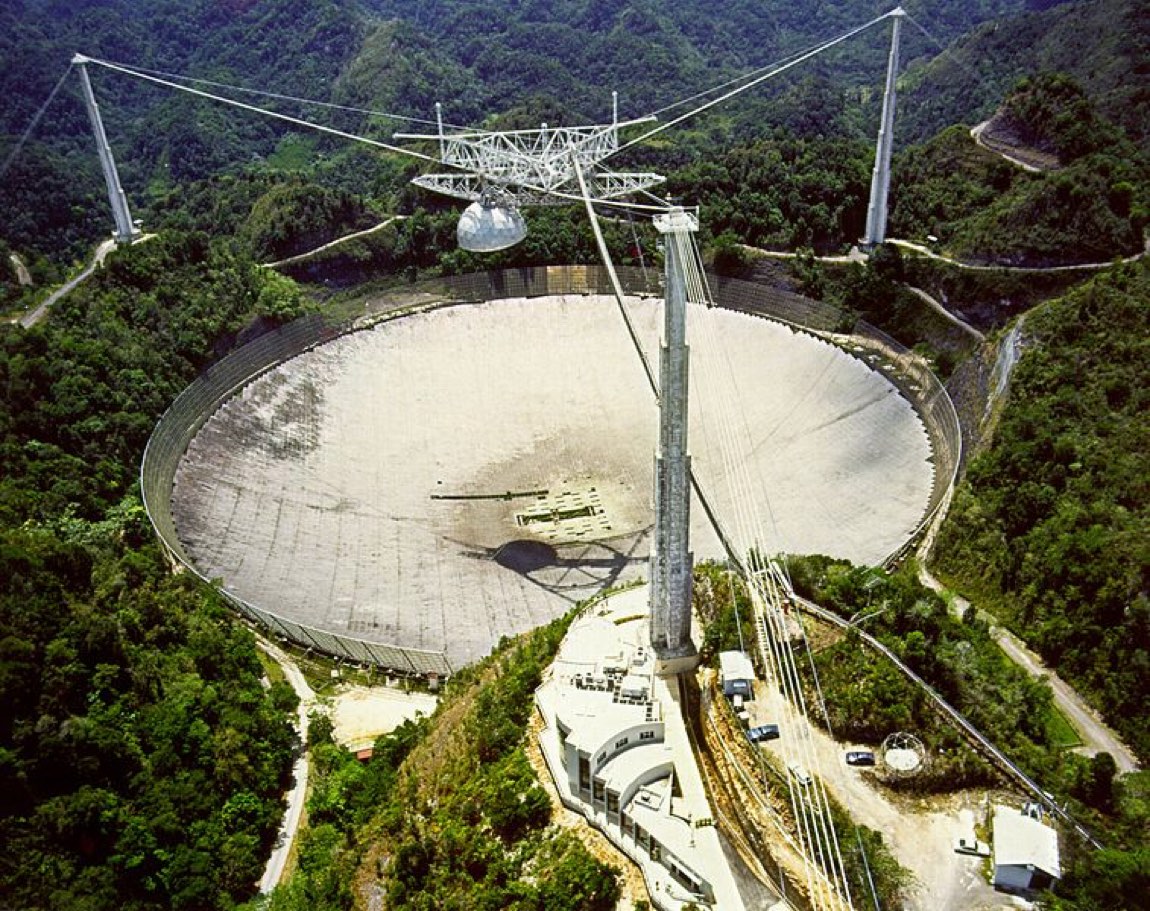
Since 1960, radio telescopes have periodically swept the sky for signals no natural process makes: narrow-band…
The Drake Equation
Hypothesis
Frank Drake's 1961 equation doesn't compute an answer. It organizes our ignorance. Multiply: how many stars form…
The Fermi Paradox
Hypothesis
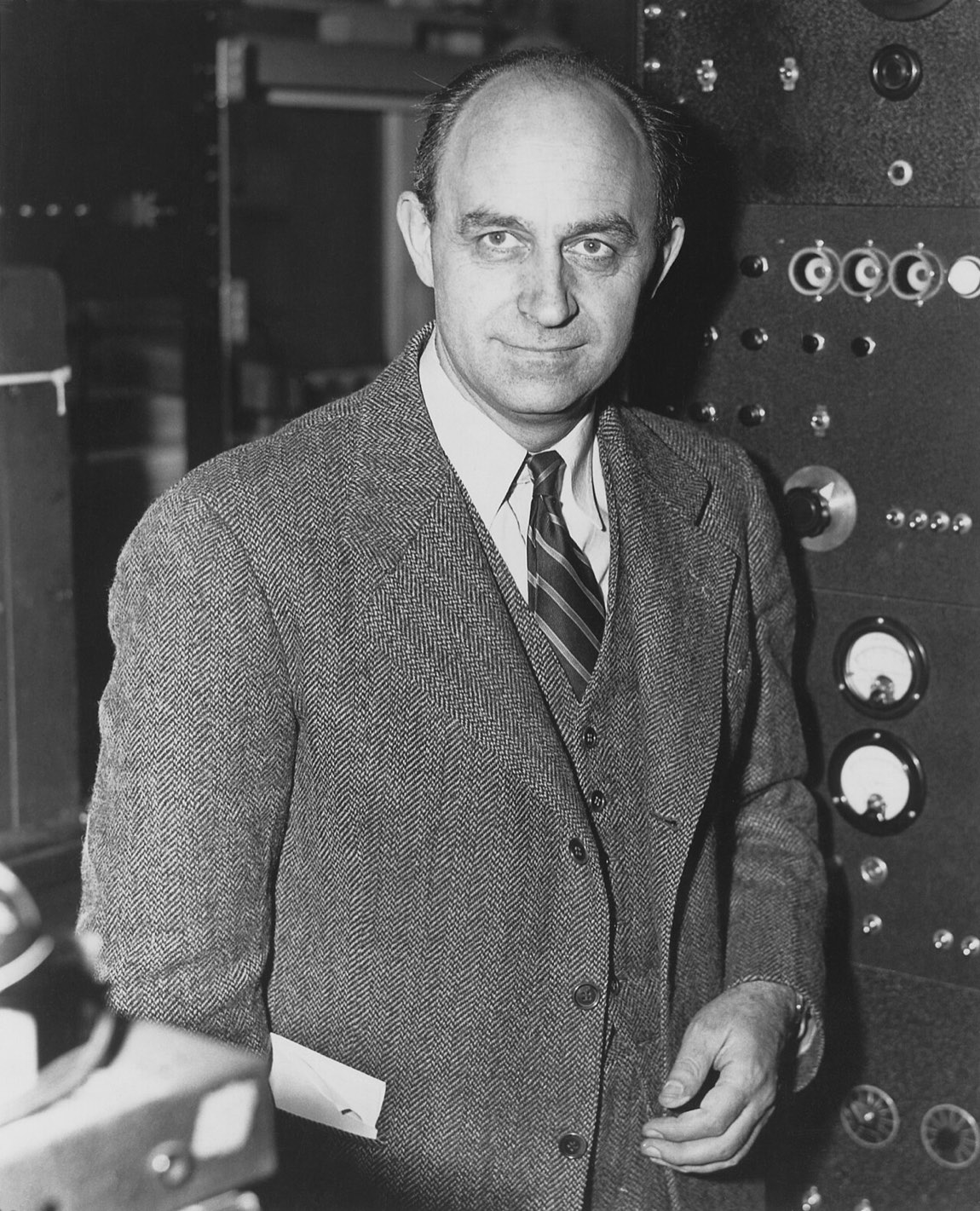
Enrico Fermi's lunchtime question: 'Where is everybody?' The galaxy is old and huge; even slow starships could…
The Science of Life Elsewhere
Hypothesis
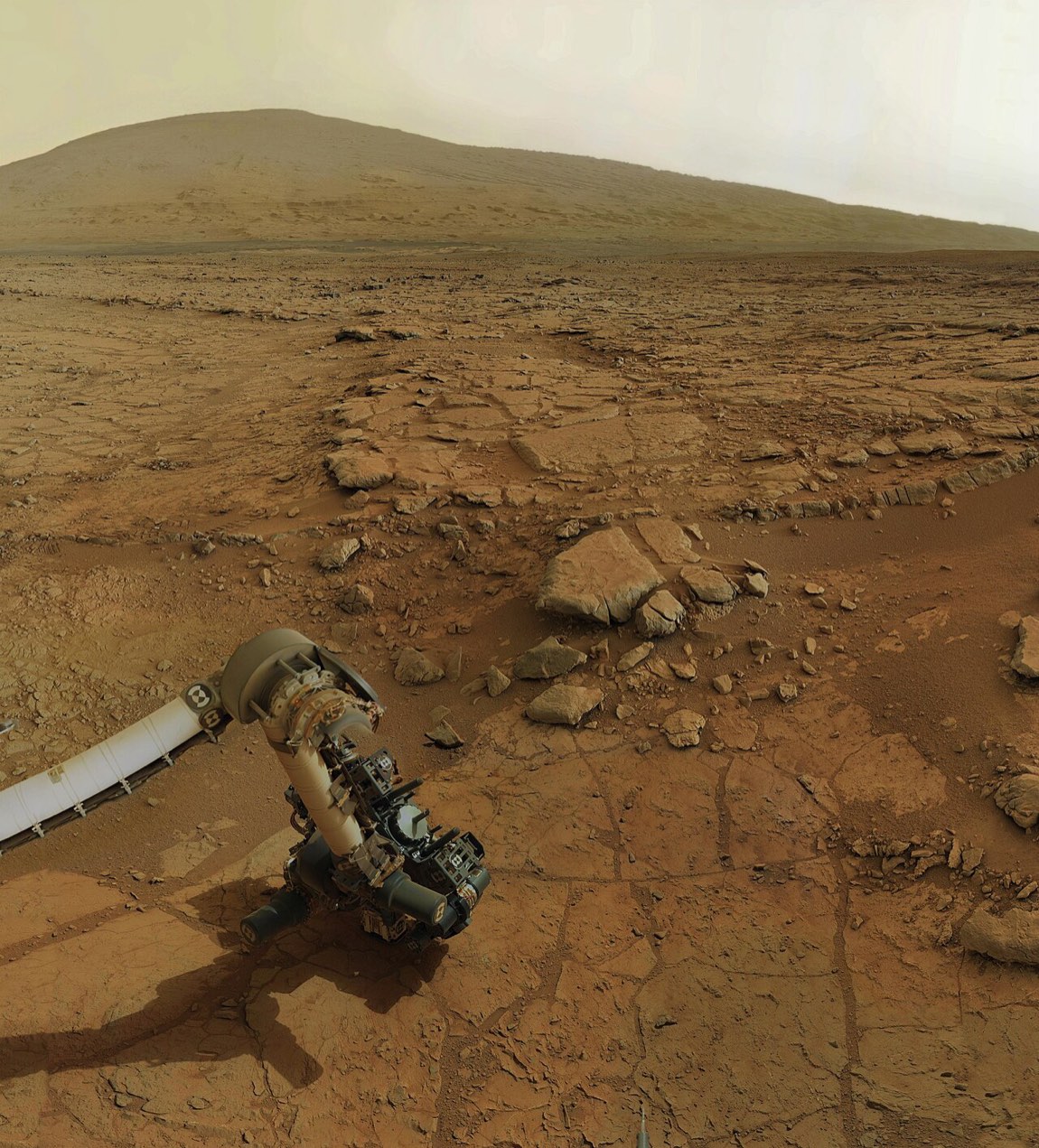
Astrobiology asks three testable questions: What does life need? (By Earth's example: liquid water, chemistry…