Stars
119,625 real stars from the HYG catalog: every Hipparcos star, with distances, brightnesses, spectral types and luminosities.
Source: the HYG stellar database v4.1 (CC BY-SA), built from the Hipparcos, Yale and Gliese catalogs. 464 stars carry proper names; the rest go by catalog numbers, as astronomers know them. Blank cells mean the catalog holds no measured value, never a guess. The galaxy holds 100–400 billion stars; this is the well-measured neighborhood.
Deep guides:
The SunProxima CentauriAlpha CentauriSiriusBetelgeusePolarisVegaVY Canis MajorisTRAPPIST-1Barnard's StarRigelDenebAltairAntares
How stars live & die →
The spectral classesO B A F G K M
Every star in the catalogue below belongs to one of these families, from hottest blue to coolest red. The Sun is a G.
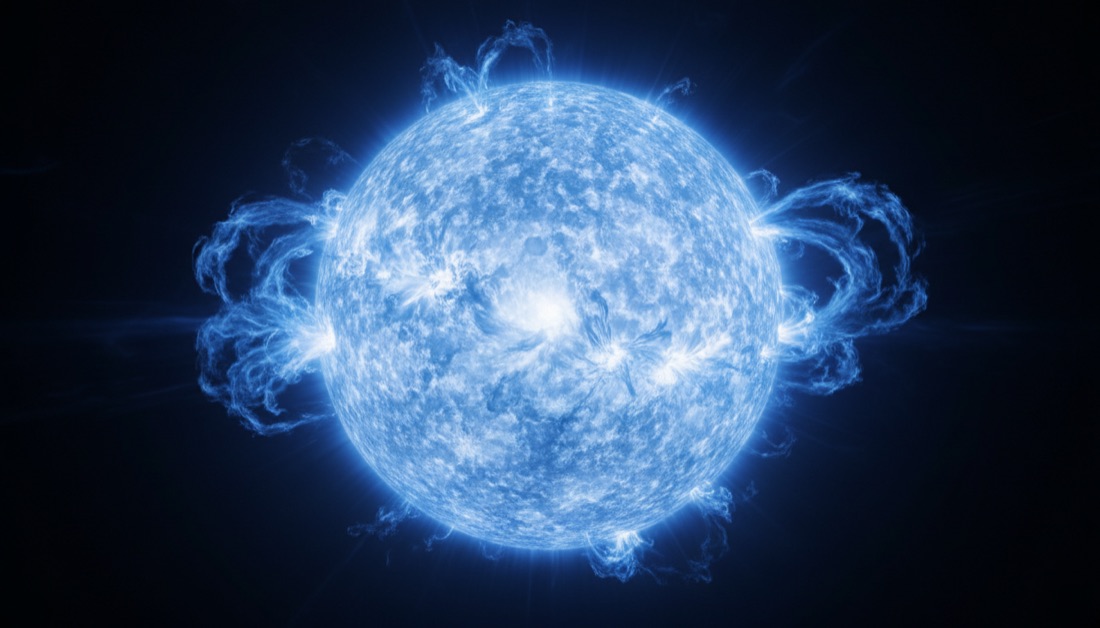 O
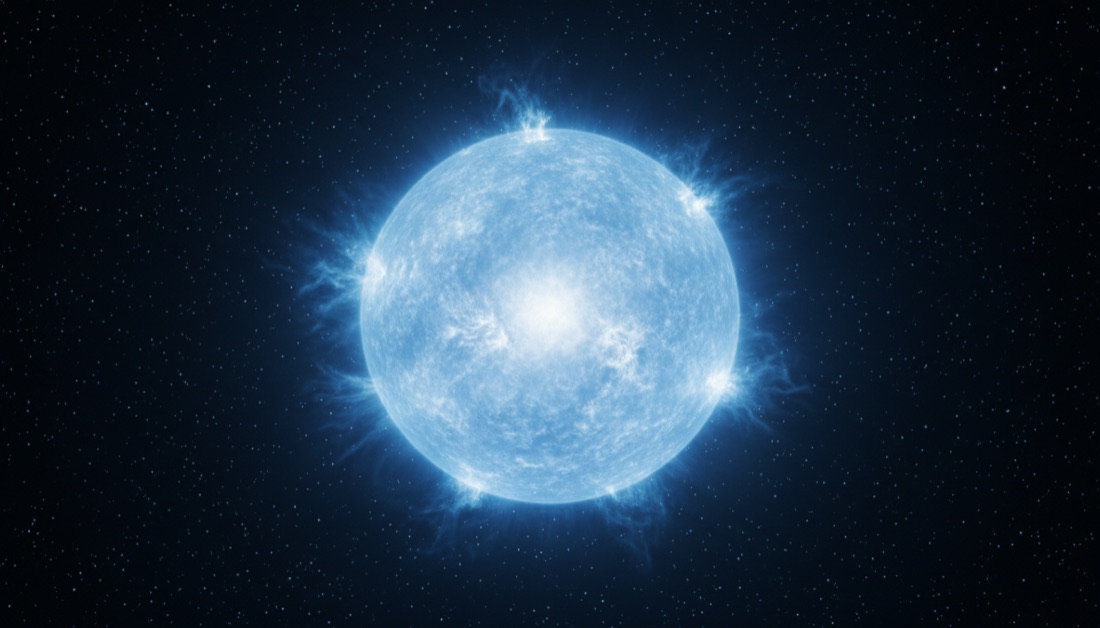 B
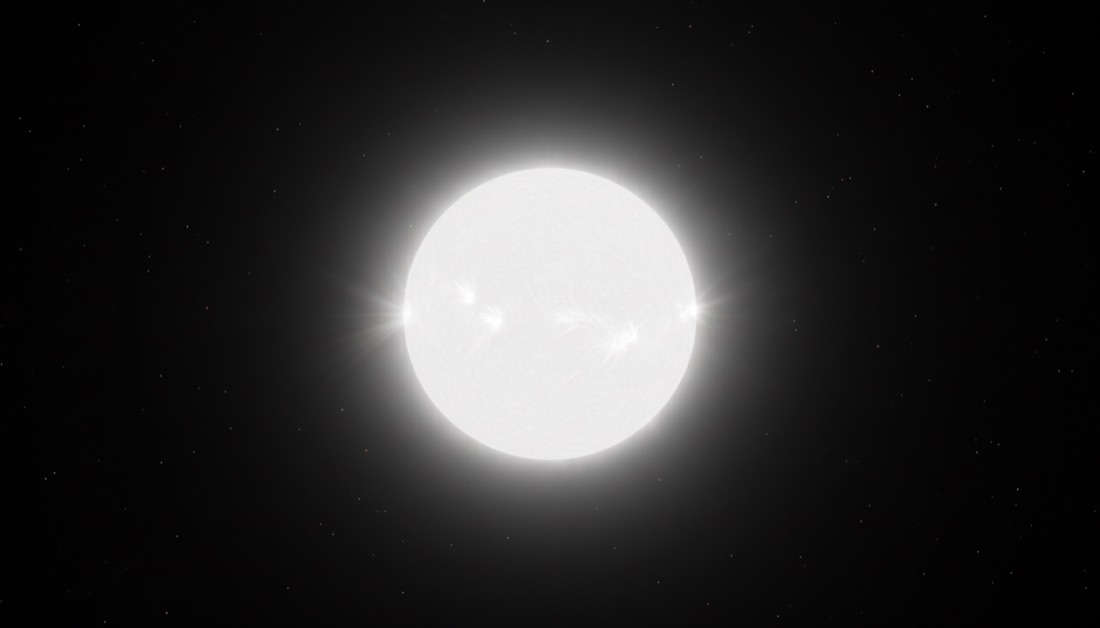 A
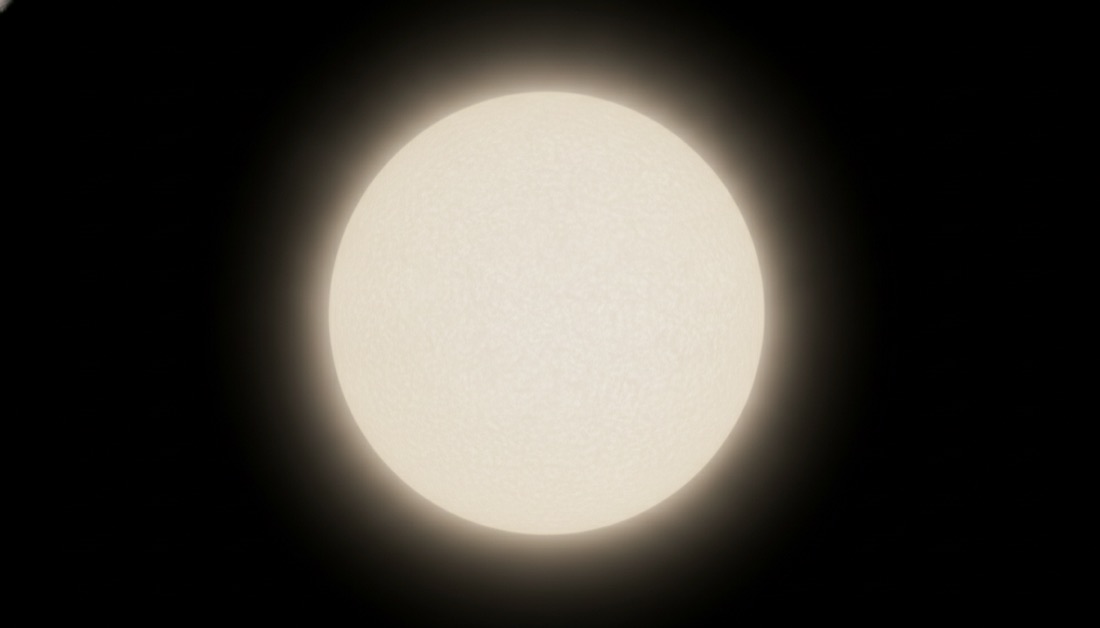 F
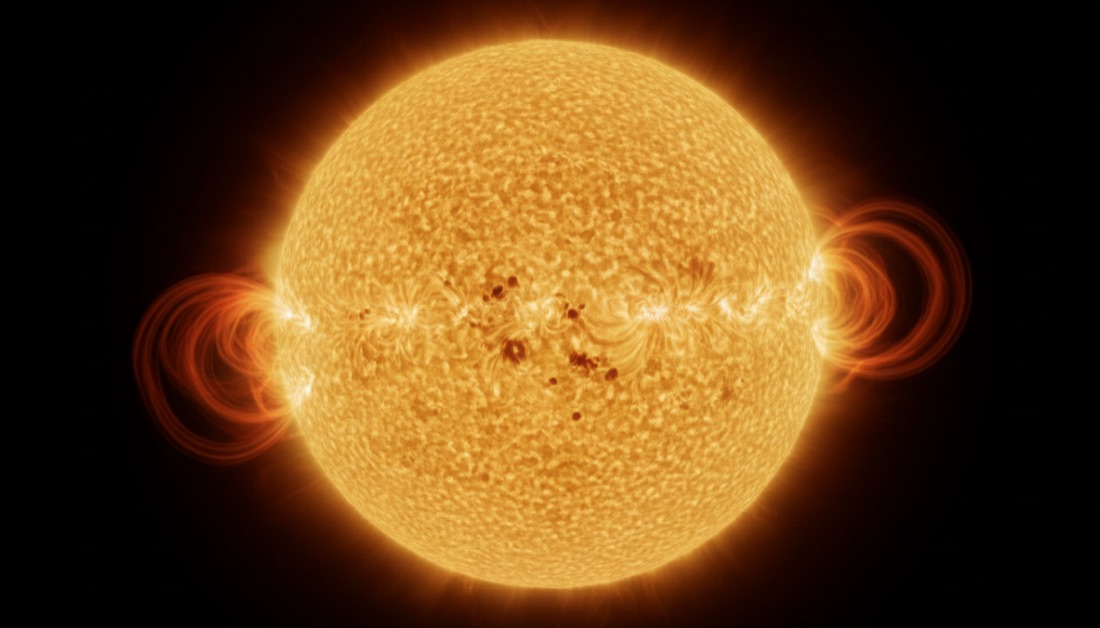 G
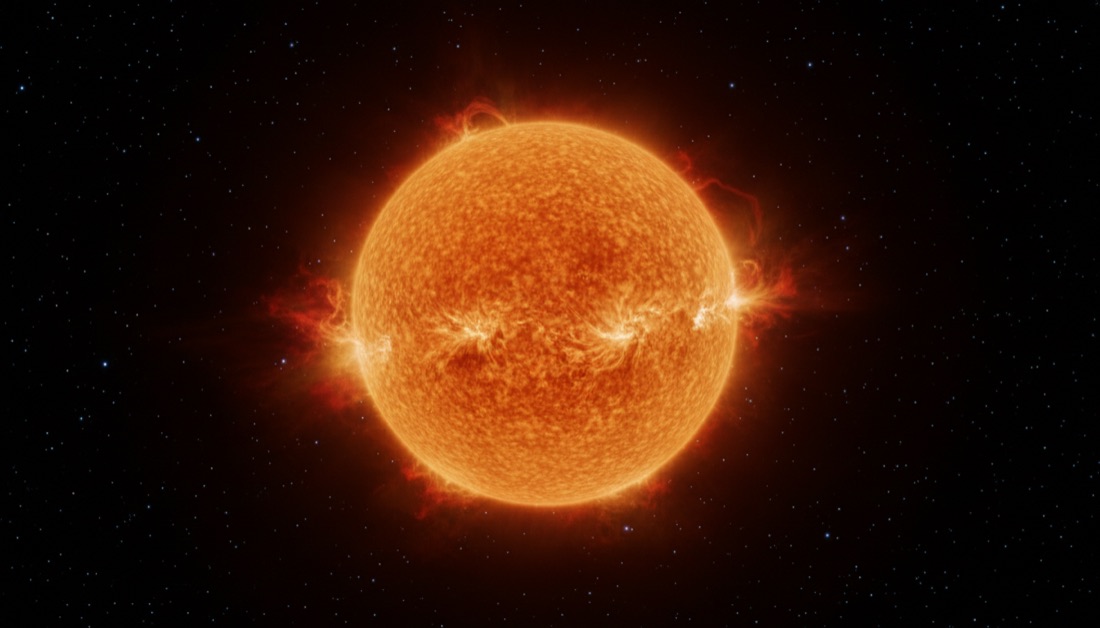 K
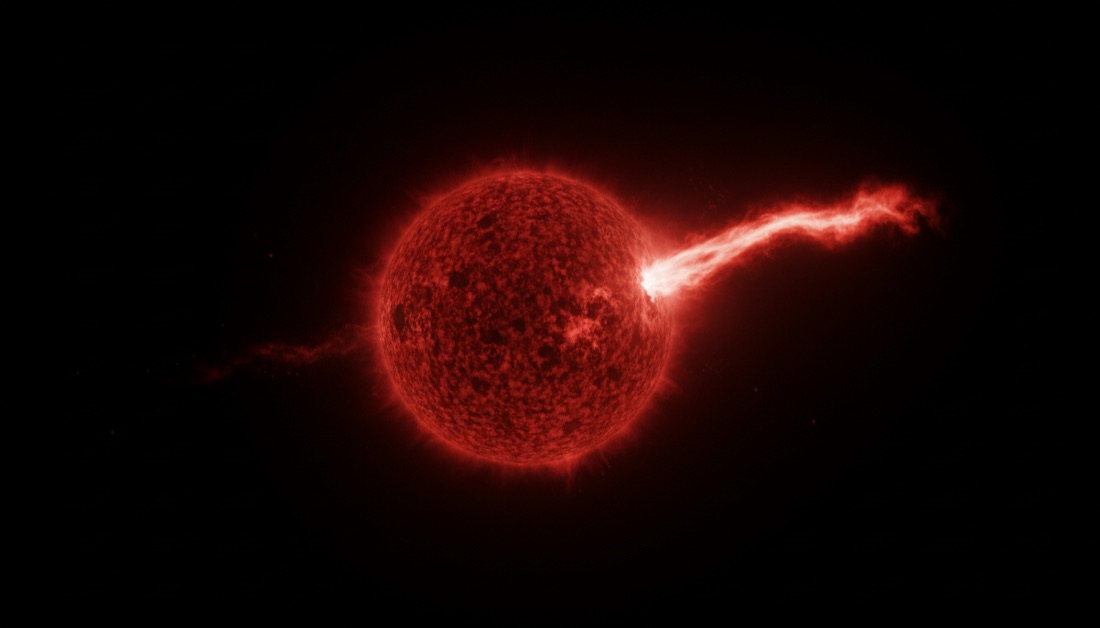 M
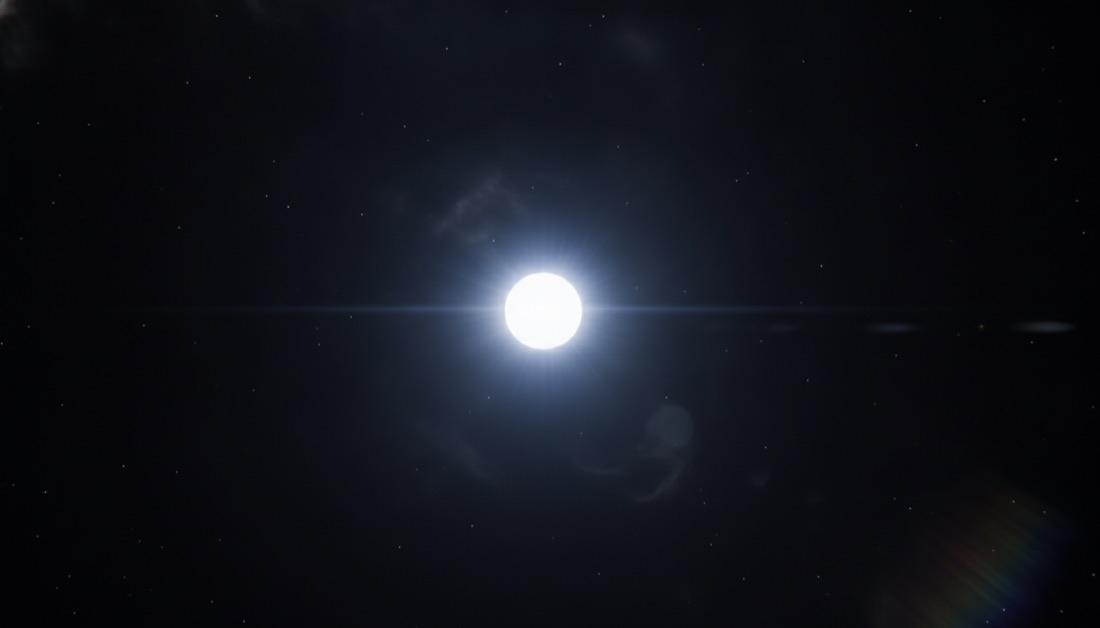 White dwarf
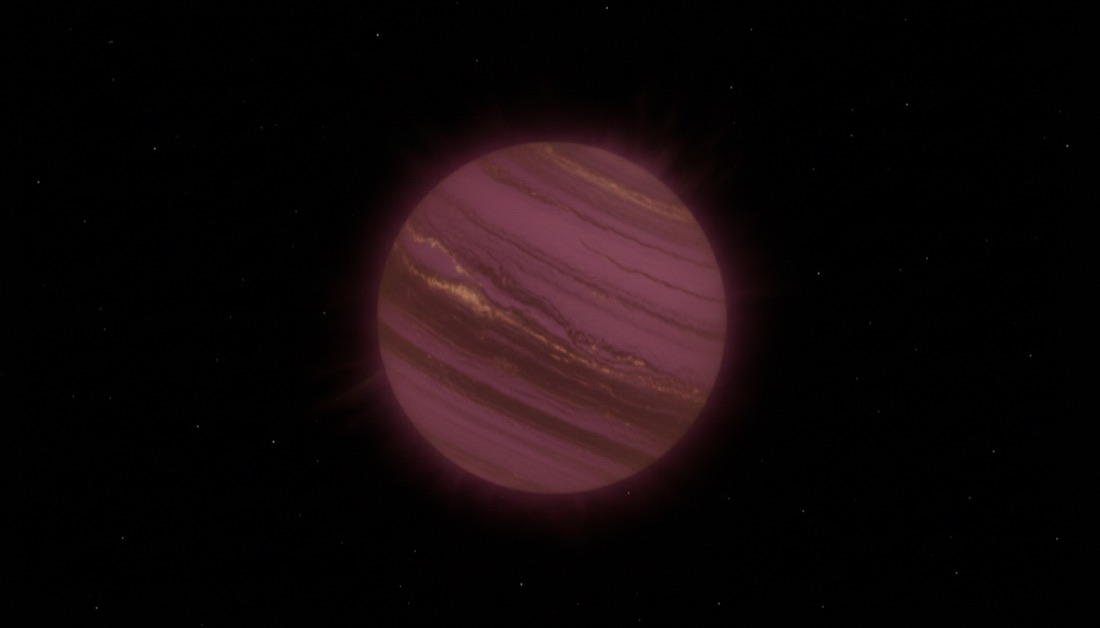 Brown dwarf
| Star | Constellation | Magnitude | Distance (ly) | Luminosity (Suns) | Spectral type |
|---|---|---|---|---|---|
| HIP 53939 | Vel | 7.73 | 1,393.8 | 128.71 | A1/A2IV/V |
| HIP 63788 | Mus | 8.49 | 1,976.7 | 128.59 | K3IV |
| HIP 36355 | Pup | 6.92 | 959.3 | 128.59 | B5V |
| HIP 39406 | Vol | 6.76 | 891.1 | 128.59 | B8III |
| HIP 35011 | Gem | 7.17 | 1,076.4 | 128.59 | K0 |
| HIP 97816 | Tel | 5.76 | 562.3 | 128.59 | G8/K0III |
| HIP 27032 | Pic | 9.11 | 2,630.3 | 128.59 | G5 |
| HIP 66260 | CVn | 9.45 | 3,076.9 | 128.59 | K |
| 13Del Ser ◈ | Ser | 3.80 | 228.1 | 128.59 | F0IV |
| HIP 104696 | Cyg | 7.28 | 1,132.5 | 128.59 | K0 |
| HIP 55463 | Leo | 9.35 | 2,938.3 | 128.59 | K0 |
| HIP 33591 | CMa | 6.41 | 758.5 | 128.59 | B3V |
| HIP 32093 | Pup | 9.41 | 3,020.0 | 128.59 | K0 |
| HIP 46281 | Pyx | 8.45 | 1,941.4 | 128.59 | K5 |
| HIP 36932 | Pup | 7.74 | 1,399.8 | 128.59 | B8/B9V |
| HIP 26411 | Tau | 9.39 | 2,992.3 | 128.59 | F0 |
| HIP 67689 | Cen | 8.57 | 2,051.3 | 128.59 | B3V |
| HIP 36417 | CMi | 8.49 | 1,976.7 | 128.59 | K2 |
| HIP 75532 | Lib | 7.74 | 1,399.8 | 128.59 | A1V |
| HIP 115177 | Gru | 8.03 | 1,598.8 | 128.47 | G5III |
| HIP 38043 | CMi | 7.52 | 1,264.2 | 128.47 | B9 |
| HIP 115440 | Gru | 8.91 | 2,398.2 | 128.47 | M2III |
| HIP 26672 | Dor | 8.40 | 1,896.3 | 128.47 | M1III |
| HIP 39232 | Car | 8.40 | 1,896.3 | 128.47 | B8V |
| HIP 71239 | Cen | 6.59 | 823.6 | 128.47 | A2IV |
| HIP 43914 | Vol | 8.91 | 2,398.2 | 128.47 | B8V |
| HIP 26846 | Lep | 8.91 | 2,398.2 | 128.47 | K0 |
| HIP 68758 | CVn | 8.35 | 1,853.2 | 128.47 | K5 |
| HIP 67375 | CVn | 7.76 | 1,411.9 | 128.47 | M... |
| HIP 9122 | Cas | 8.23 | 1,753.5 | 128.47 | K0 |
| HIP 112690 | PsA | 8.44 | 1,929.9 | 128.35 | K2III |
| 54 Leo | Leo | 4.30 | 286.9 | 128.35 | A1 |
| HIP 67753 | Boo | 8.01 | 1,583.3 | 128.35 | K2 |
| HIP 3427 | And | 8.14 | 1,681.2 | 128.35 | K0III |
| HIP 98487 | Aql | 9.22 | 2,764.0 | 128.35 | A3 |
| HIP 83461 | Oph | 7.26 | 1,120.8 | 128.35 | K1III |
| HIP 40777 ◈ | Pup | 6.68 | 858.3 | 128.35 | A1IV |
| HIP 50729 | Leo | 8.96 | 2,452.3 | 128.35 | G5 |
| HIP 60323 | Cen | 7.02 | 1,003.6 | 128.35 | G5III |
| HIP 67803 ◈ | CVn | 6.98 | 985.4 | 128.35 | K5III |
| HIP 52378 | Vel | 6.96 | 976.5 | 128.35 | K2III |
| HIP 52641 | Hya | 8.67 | 2,145.8 | 128.35 | K3III |
| HIP 37915 ◈ | Pup | 5.87 | 590.9 | 128.23 | B5V |
| HIP 111511 | Gru | 8.28 | 1,792.1 | 128.23 | K2/K3III |
| HIP 2058 | Psc | 6.67 | 853.8 | 128.23 | B8 |
| HIP 92021 | Pav | 6.22 | 693.9 | 128.23 | K3III |
| HIP 27841 | Ori | 7.59 | 1,304.6 | 128.23 | F5II |
| HIP 3153 | Cas | 7.80 | 1,436.8 | 128.23 | K0 |
| HIP 30451 | Col | 8.00 | 1,575.6 | 128.23 | K0III |
| HIP 49633 | Sex | 6.63 | 838.4 | 128.23 | M2III: |
| HIP 34386 | Vol | 8.00 | 1,575.6 | 128.23 | B8III |
| HIP 41789 | Hya | 9.13 | 2,651.7 | 128.23 | A0 |
| HIP 47005 | Vel | 7.99 | 1,568.1 | 128.23 | B3/B4III |
| HIP 29166 | Ori | 6.63 | 838.4 | 128.23 | G0 |
| HIP 97602 | Sgr | 7.83 | 1,456.1 | 128.12 | B8IV |
| HIP 106970 | Cyg | 6.77 | 893.6 | 128.12 | B9 |
| HIP 103422 | Cyg | 6.62 | 834.2 | 128.12 | K2 |
| HIP 7904 | Cet | 7.60 | 1,309.9 | 128.12 | G5 |
| HIP 24242 | Col | 8.12 | 1,664.1 | 128.12 | M1III |
| HIP 106767 | Cyg | 9.24 | 2,787.7 | 128.12 | B8 |