Explore the Universe. Understand Everything In It.
★
Menu
Home Tonight's Sky News
Explore Solar System PlanetsMoons StarsExoplanets GalaxiesBlack Holes NebulaeAsteroids & Comets Constellations Space Exploration Space Industry
Sky Astronomy Calendar Launches
Learn & Tools Start Learning Astrophysics Scale of the Universe Timeline Glossary A–Z People Young Astronomers Top Lists Tools Compare Worlds Ask the Atlas AI Agents API
About About us Methodology Contact

Guided View
New to astronomy? We explain every term as you browse, in plain English. Same pages, with the help built in.

Expert View
You know the sky. Just the content, clean and compact, with no extra explanations. This is the default view.

Interface language
Light mode

Constellations

All 88 official constellations: their stories, their brightest stars, and real star maps for every one.

Best placed this month (October): Piscis AustrinusGrusPegasusCepheusAquariusOctans
All skies Northern Southern
Best month: Any Jan Feb Mar Apr May Jun Jul Aug Sep Oct Nov Dec

5 constellations shown. “Best month” = when it sits highest around 9 pm; zodiac constellations are marked ☉ (and see the note below on astronomy vs astrology).
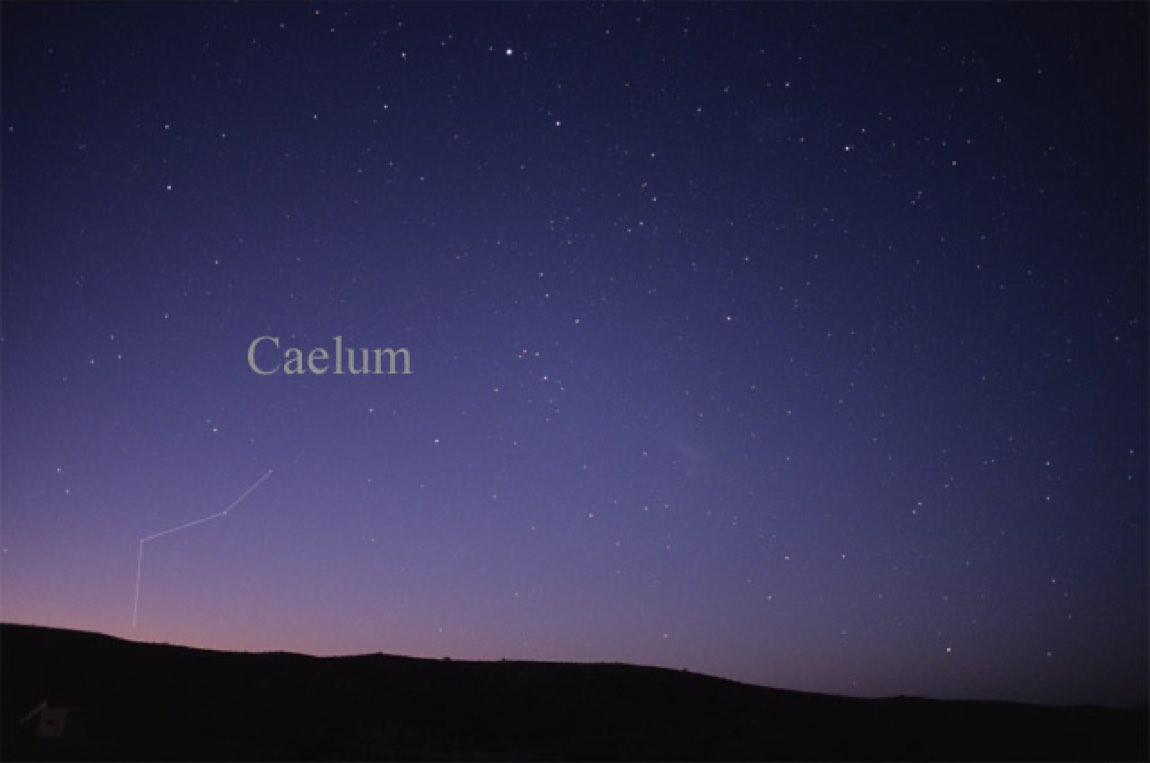
The sky around Caelum
Caelum The Chisel Southern · best January · Alpha Caeli
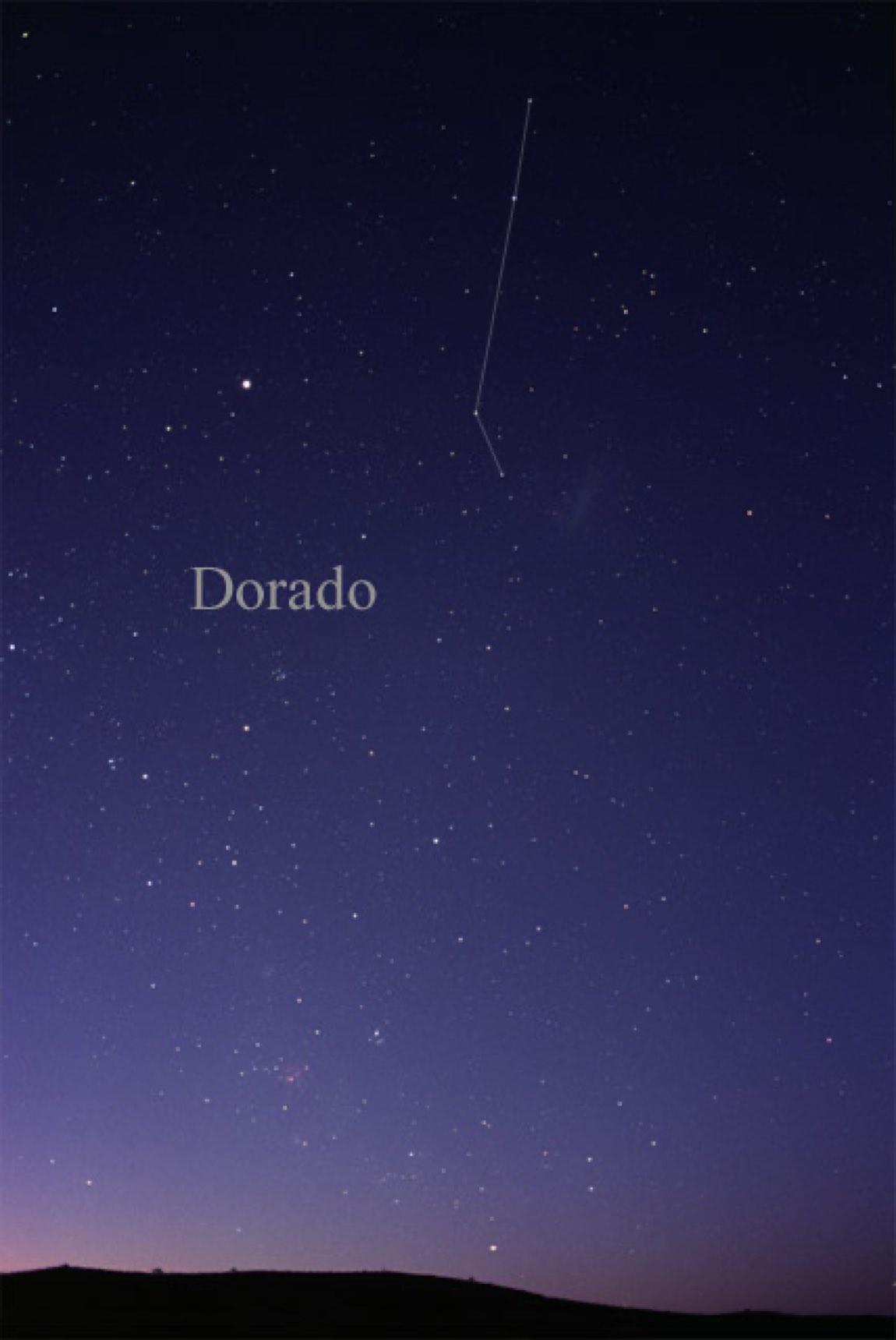
The sky around Dorado
Dorado The Dolphinfish Southern · best January · Alpha Doradus
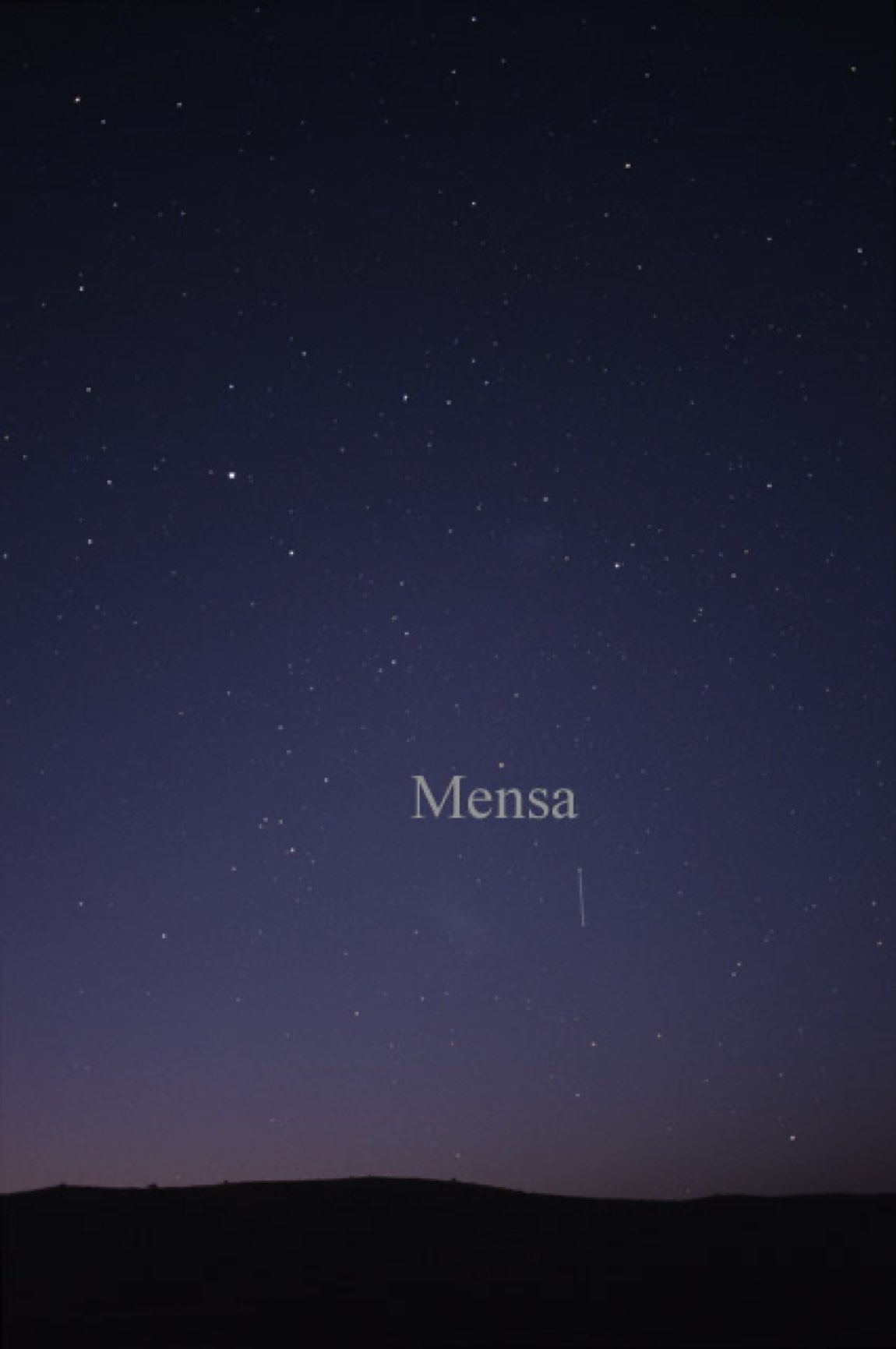
The sky around Mensa
Mensa The Table Mountain Southern · best January · Alpha Mensae
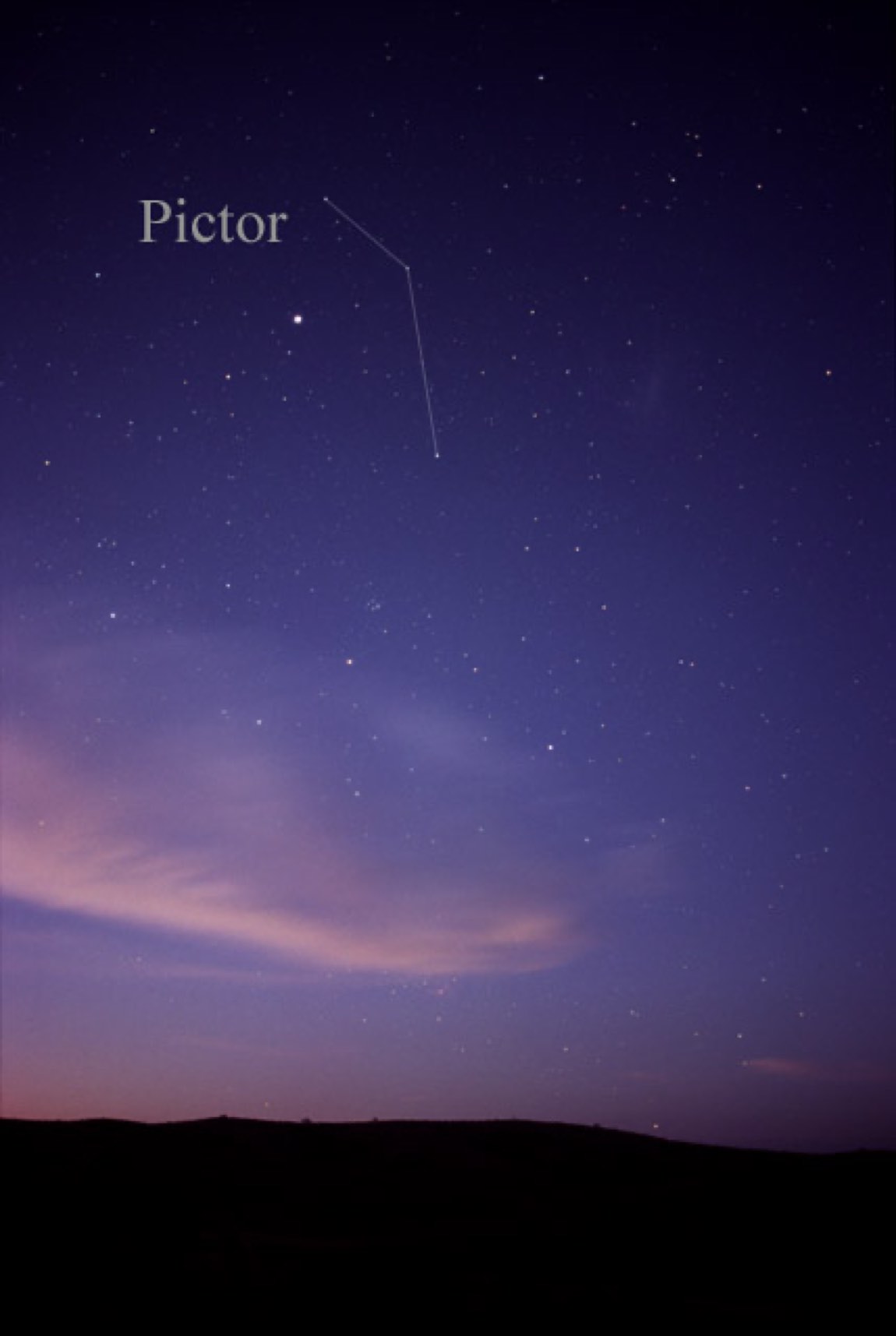
The sky around Pictor
Pictor The Painter's Easel Southern · best January · Alpha Pictoris
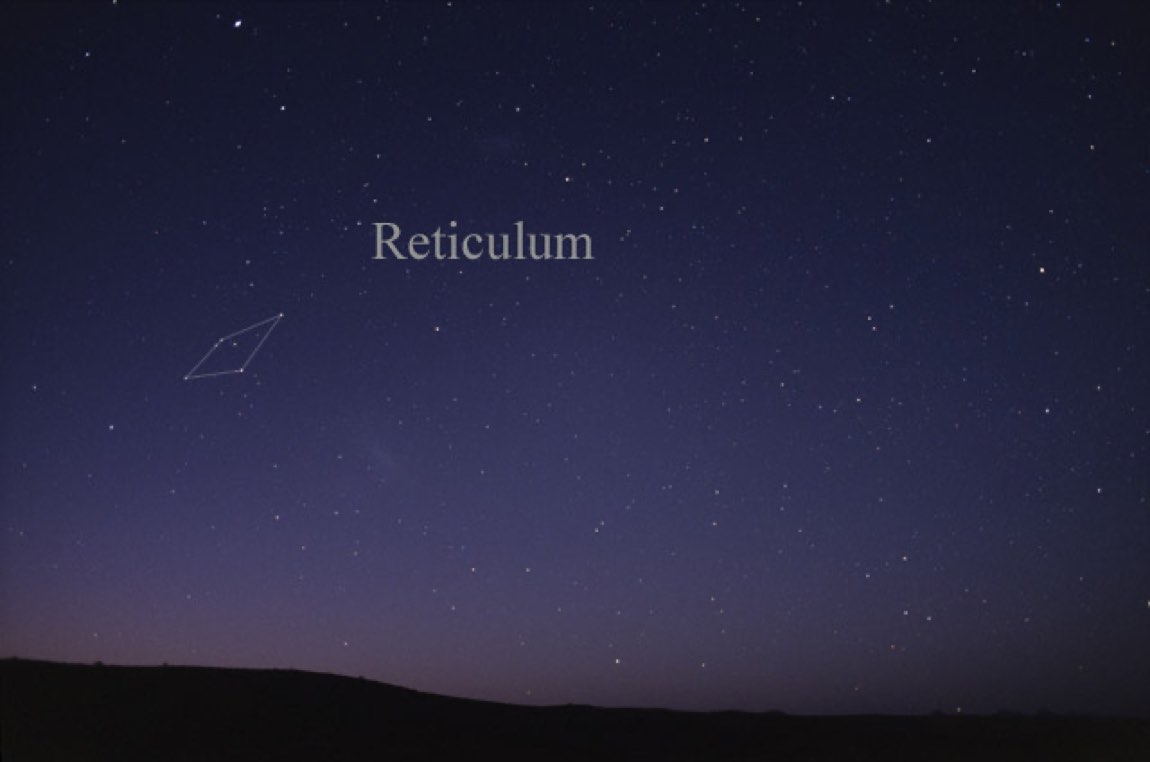
The sky around Reticulum
Reticulum The Reticle Southern · best January · Alpha Reticuli

Photographs show each constellation’s own patch of sky. Where no free photograph exists, the map is drawn from real star positions and magnitudes.

Photo credits

Caelum, Dorado, Mensa, Pictor: Till Credner (CC BY-SA 3.0, via Wikimedia Commons). Reticulum: Till Credner (CC BY-SA 4.0, via Wikimedia Commons).

☉ Astronomy vs astrology: constellations are real regions of sky, mapped and measured. Astrology (predicting personality or events from them) is a belief system, not a science; the Atlas covers the zodiac constellations as astronomy and history only.